
Last updated November 4, 2026
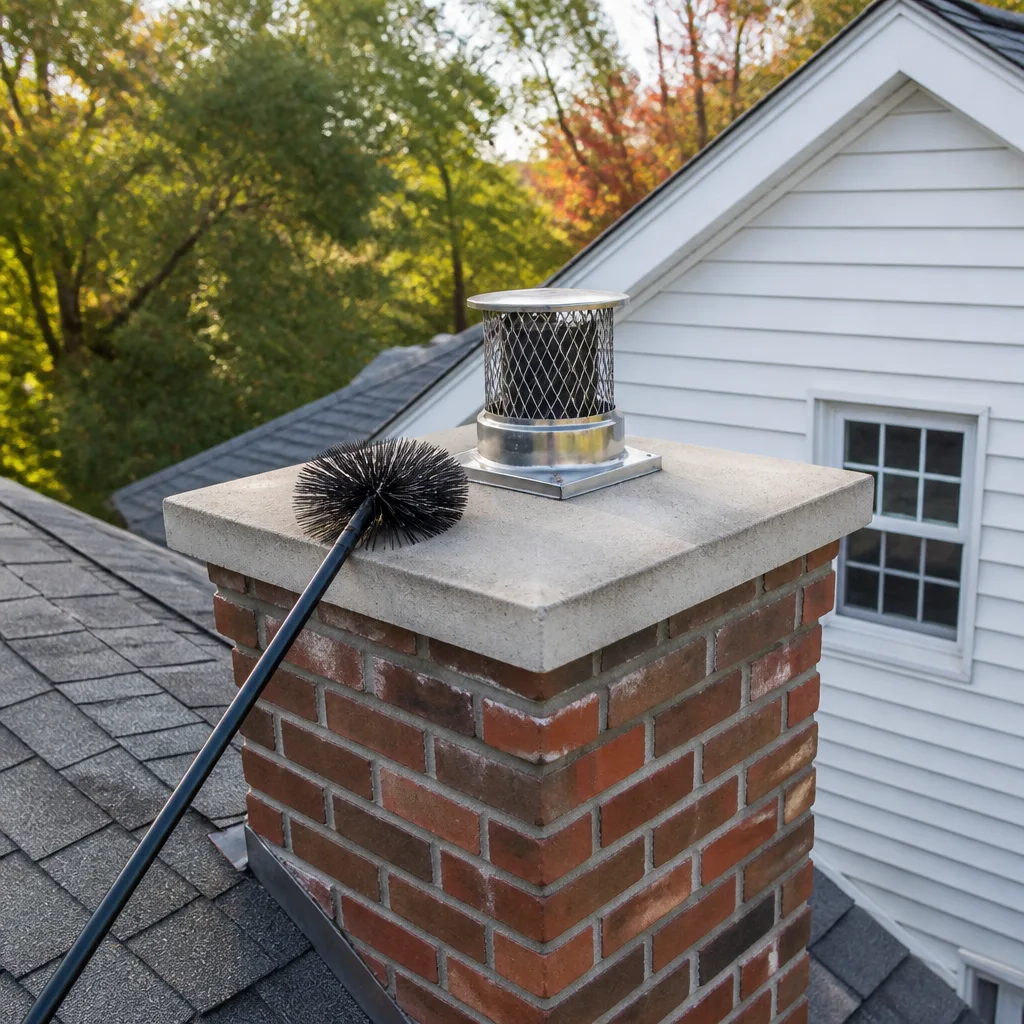 Sweep & inspection
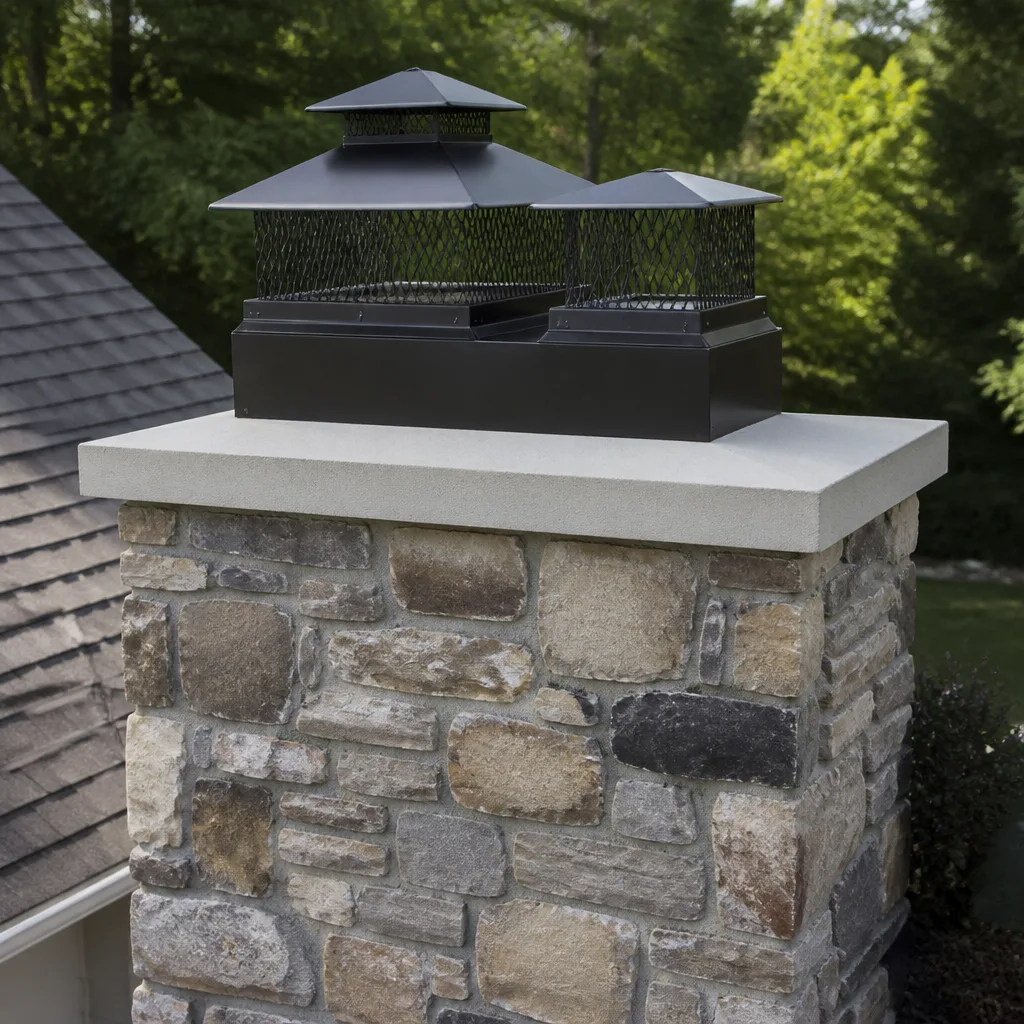 Caps & crowns
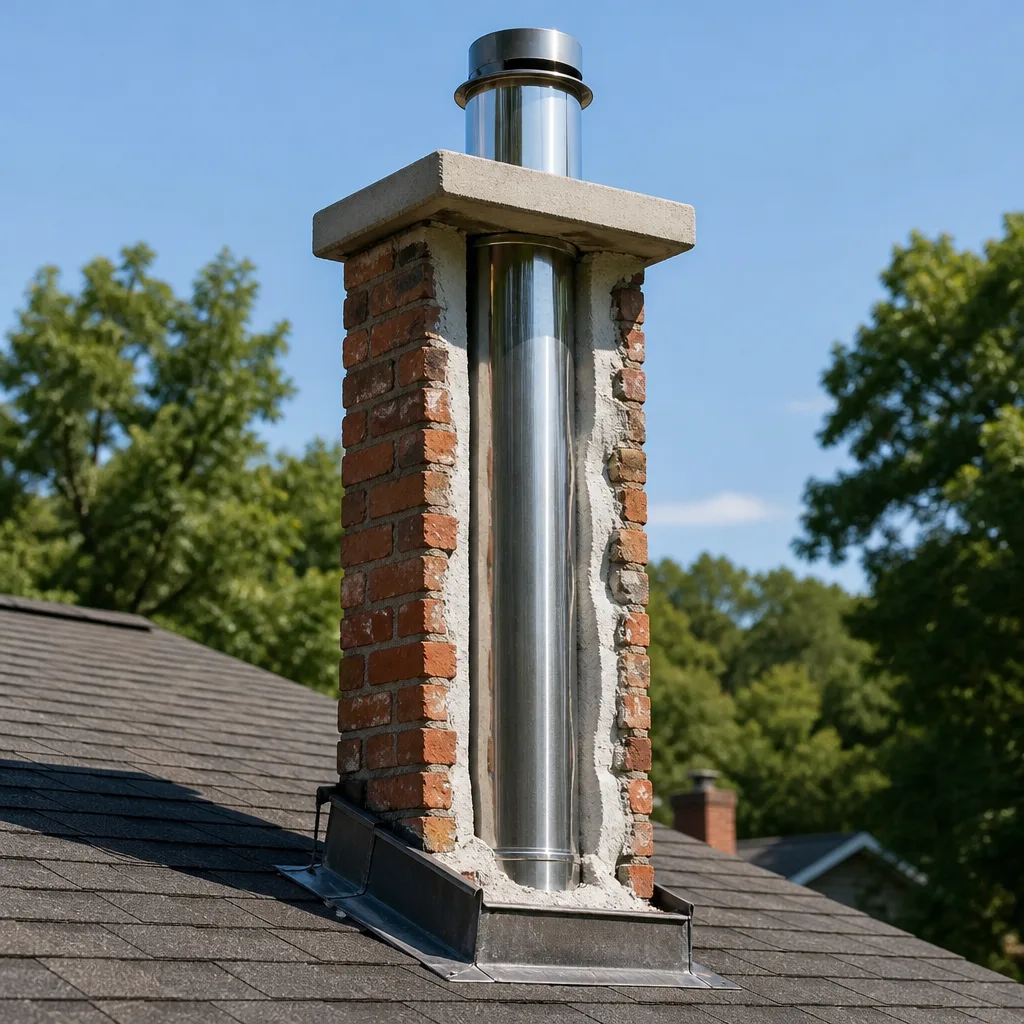 Flue relining
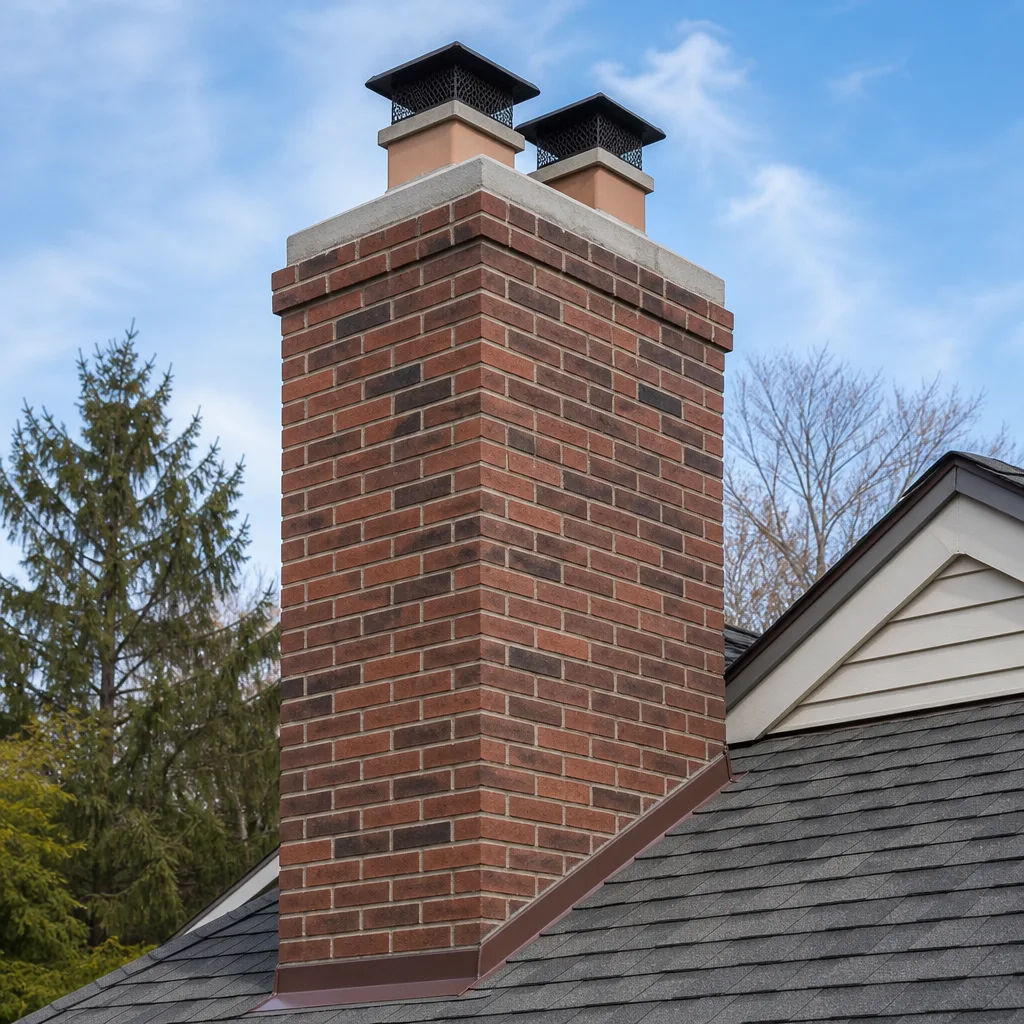 Masonry repair
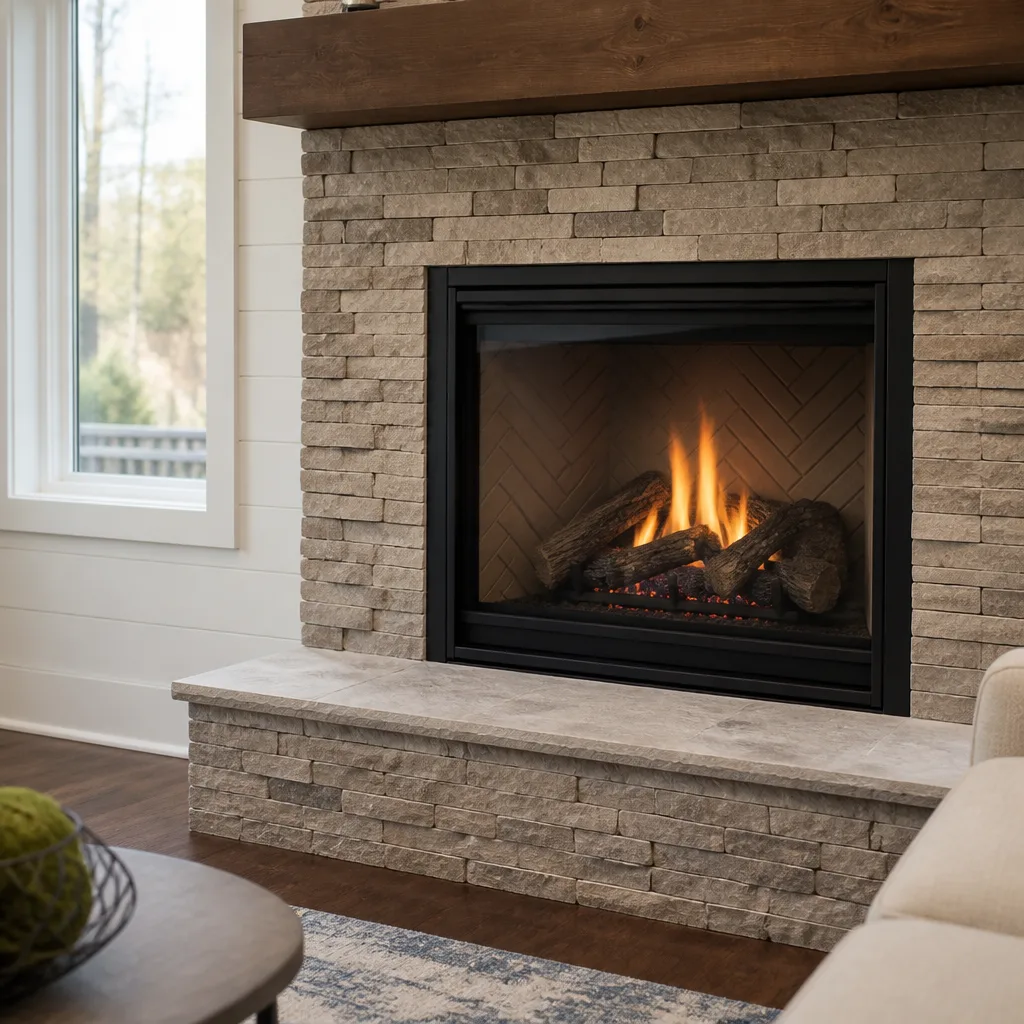 Gas fireplace service
Level 1 sweep and inspection to the NFPA 211 annual standard - flue, crown, cap, and flashing checked and photographed
Chimney sweep logs do not sweep chimneys. They loosen some creosote - which then falls where a brush and vacuum still have to collect it.
Seasonal Chimney Cleaning Care for Tarzana: Year-Round Homeowner’s Guide
Most chimney care guides assume winter is the danger zone. In Tarzana, the opposite is true: the flue that sits untouched from April through October is the one most likely to cause trouble. October arrives with Santa Ana winds, dry air, and a fireplace that hasn’t been inspected in half a year, and that’s a combination no homeowner should test. This guide walks you through what your chimney needs in each season, why the dormant months matter as much as the burning ones, and how to restart your fireplace safely when the first cool evening hits the Valley.
Quick Answer
Seasonal chimney care in Tarzana means scheduling a professional chimney sweep by September, before the first fire of the year, then doing a light mid-season visual check in December and a post-season inspection in March or April. A chimney that sits dormant through a Southern California summer collects debris, nests, and moisture damage, and the mild winters here mean creosote accumulates differently than in colder climates. You should have the flue professionally cleaned at least once a year, more often if you burn fires weekly through the cooler months.
Styles & brands we work with
- Sweep & inspection
- Caps & crowns
- Flue relining
- Masonry repair
- Gas fireplace service
Table of Contents
- Why September, Not January, Is the Optimal Month in Tarzana
- What Happens Inside a Flue That Sits Dormant All Summer
- The Real Risk: October and March, the Shoulder Months
- How to Safely Restart a Fireplace After Summer Dormancy
- The Mid-Season Visual Inspection in December: What to Look For
- Spring Post-Season Tasks Specific to Tarzana: Rain Caps and Earthquake Checks
- The Overlooked Seasonal Task: Dryer Vent Cleaning Alongside Your Chimney
- Seasonal Care for Your Chimney Liner: Why It Determines Longevity
Why September, Not January, Is the Optimal Month in Tarzana
Most homeowners think about chimney cleaning when the fireplace is already in heavy rotation, usually January. But by January, you’ve already pushed smoke and combustion byproducts through whatever has accumulated in your flue since the previous spring. In Tarzana, September is the month that matters. Temperatures start to dip just enough to signal that fire season is coming, and the air dries out before Santa Ana winds arrive. Having the chimney swept in September means your first fire of the season is burning through a clean, inspected flue, not one carrying eight months of whatever blew in or crawled in. Waiting until January means your first several fires of the season have already run through an unchecked system, and that’s precisely when hidden problems reveal themselves, sometimes loudly.
September is also when Chimney Sweep Tarzana schedules most pre-season cleanings in the San Fernando Valley. The earlier you book, the more flexibility you have. There’s nothing frantic about a September appointment. It’s just a straightforward sweep, inspection, and reset before the season actually begins.
What Happens Inside a Flue That Sits Dormant All Summer
A fireplace that goes unused from April to October isn’t simply idle. It’s accumulating. Southern California summers bring dry, dusty conditions plus the marine layer that occasionally rolls through Tarzana in the early morning hours, and both leave their mark inside a flue. Here’s what a sweep typically finds in a chimney that’s been dormant through a Valley summer:
- Pest nesting: Birds, squirrels, and sometimes rodents move into uncapped or loosely capped flues. A nest packed into a smoke chamber is a fire hazard the moment you light the first fire.
- Debris accumulation: Leaves, twigs, and dust settle inside the flue. Santa Ana winds push more particulate matter into open or incorrectly capped chimneys throughout the fall.
- Moisture exposure: Even in a dry climate, morning marine layer moisture can interact with creosote deposits left from the previous season, making them stickier and harder to remove.
- Creosote hardening: Creosote that was soft and brushable in March becomes crusted and glazed after months of sitting. Hardened creosote requires a more thorough cleaning, and in some cases, chemical treatment.
- Mortar deterioration: The freeze-thaw cycles that plague colder climates don’t apply here, but heat expansion from the previous winter followed by months of no heat can expose hairline cracking in masonry that needs attention.
The takeaway is simple: the chimney you left in March isn’t the chimney that greets you in October. Scheduling a professional chimney sweep before you light that first fire is the only reliable way to know what you’re working with.
The Real Risk: October and March, the Shoulder Months
Conventional chimney guides treat December through February as the high-risk window. In Tarzana, the danger is concentrated differently. October is when residents fire up the fireplace for the first time in months, often on the same weekend Santa Ana winds are ripping through the Valley. The air is bone-dry and a blocked or dirty flue is at its most vulnerable because nobody has laid eyes on it since spring. March carries the opposite problem: people keep burning fires as evenings stay cool enough to justify them, but they’ve stopped thinking about the condition of the chimney because the worst of winter, such as it is here, has passed. Chimney fires don’t care what month it is. They care about creosote, obstructions, and airflow, and the shoulder months are when those conditions are most likely to go unchecked.
March is also when Tarzana homeowners notice issues they ignored in January. A slight smoke smell that seemed minor during heavy use becomes more noticeable as fires become less frequent, and mortar cracking from a season of heat cycling becomes visible during spring cleaning of the hearth area. Addressing these things in March means resolving them before the long summer dormancy, not after. When a chimney sits with a known problem through the entire summer, that problem doesn’t improve. It compounds.
How to Safely Restart a Fireplace After Summer Dormancy
Lighting a fire in October after six months of disuse isn’t as simple as tossing in a log and flicking a lighter. Here’s the sequence that keeps smoke out of your living room and prevents lighting something that should never be lit:
- Have the flue inspected and swept. This is non-negotiable. You cannot see into the upper flue from the firebox, and bird nests, debris, and creosote live where you can’t look.
- Confirm the damper opens fully. A damper that’s been closed all summer can rust, stick, or be blocked by debris. An improperly opening damper sends smoke directly into the house.
- Check the rain cap from the ground. If your chimney has a cap, confirms it’s in place and not visibly obstructed. If it doesn’t have one, that’s a priority before the next rain.
- Prime the flue on the first cold fire. On a cool evening, the air inside the flue is colder and denser than the air in the room. Roll a piece of newspaper, light it, and hold it up near the open damper for 15 to 30 seconds before lighting the main fire. This warms the flue and establishes an upward draft. Skipping this step causes cold-flue smoke reversal, where smoke spills into the room instead of up the chimney.
- Build a small first fire. Don’t go straight to a roaring fire on day one. A modest fire lets you verify that the draw is correct and that no smoke smell is accumulating indoors.
- Watch for signs that something is wrong. Smoke backing into the room, a persistent chemical smell, or a fire that won’t establish a good draft all mean the flue needs another look.
Restarting a fireplace after a long dormancy is exactly why September maintenance matters. When the flue is clean and the system is inspected before the season starts, the first fire is simple. When it isn’t, the first fire is a diagnostic event, and those are best avoided.
The Mid-Season Visual Inspection in December: What to Look For
Professional cleanings are annual. But between cleanings, there’s a simple mid-season visual check that more Tarzana homeowners should do, and it takes less than five minutes. Set a reminder for early December, when you’ve burned a handful of fires and the pattern of the season is established. Here’s what you’re looking for:
- Soot buildup visible from the firebox: If you can see thick, flaky black material accumulating on the damper or the smoke shelf, your creosote is building faster than expected. You’re burning green wood, burning too cool, or burning too frequently without adequate cleaning.
- Water staining on the ceiling or walls near the fireplace: This suggests a leak around the flashing or cap, and it won’t resolve itself.
- A persistent smoke smell when the fireplace isn’t in use: That’s a draft problem, often coupled with creosote odor. It means the flue isn’t venting properly even when cold.
- Debris falling into the firebox: If leaves, twigs, or soot chunks are dropping into the firebox between fires, something is settling in the flue above.
- Cracks in the firebrick lining the firebox: Heat cycling through the season can widen existing cracks. You’ll see them most clearly in December when the brick is warm and the mortar joints are working.
This December check extends the life of your liner and flue by catching problems while they’re still small. It’s not a replacement for a professional cleaning, but it’s the difference between catching a flue issue in January and discovering it in September. In our experience, the homeowners who do this simple check each year tend to catch liner and cap problems early, when they’re inexpensive to address. The ones who don’t often find out in October, right when they want the fireplace to work.
Spring Post-Season Tasks Specific to Tarzana: Rain Caps and Earthquake Checks
When the last fire of the season goes out in March or early April, the chimney enters its dormant period, but it isn’t maintenance-free. Two springtime concerns are specific to Tarzana and the surrounding San Fernando Valley.
First: rain cap integrity after winter storms. Tarzana does get meaningful rain, and a rain cap that was damaged by wind or shifted during a storm allows water directly into the flue. That water mixes with creosote and soot to create a corrosive sludge that sits on the liner and masonry all summer. Checking the cap in spring, after the rainy season concludes, means you catch damage before the long dry months. A missing or damaged rain cap is also the single most common entry point for birds and rodents looking for a place to nest during the spring breeding months. If you hear chirping or scrabbling from the chimney in April or May, a compromised cap is usually why.
Second: earthquake mortar cracking. The Valley is seismically active, and even minor earthquakes that you barely feel can open hairline cracks in chimney mortar. Most homeowners never look at their chimney from the outside, but a spring walk around the house with your eyes up is worth the time. Look for visible cracking in the exposed chimney stack, gaps where the chimney meets the roofline, and any white or gray dust on the roof or ground near the chimney base, which indicates crumbling mortar. Tarzana homes range from mid-century ranch houses to newer builds, and older masonry in particular shows seismic stress over time. Catching these cracks in spring means addressing them before summer heat widens the gaps and before October fires reopen them further.
The Overlooked Seasonal Task: Dryer Vent Cleaning Alongside Your Chimney
Here’s the thing most chimney-only companies won’t tell you: your dryer vent is a flue, too. It vents heat, lint, and combustion byproducts from a gas or electric dryer, and in Tarzana, it works harder than most people realize. Homes here use dryers year-round, and lint accumulates regardless of the season. When you schedule your pre-season chimney sweep in September, adding dryer vent cleaning to the same visit addresses the two highest-risk fire-hazard flues in your home in a single call.
Lint fires are the reason dryer vent cleaning exists as a service. Lint is highly flammable, and a restricted vent forces the dryer to work harder, raising the temperature of the exhaust and increasing the chance that accumulated lint ignites. The seasonal logic mirrors the chimney: the best time to clean the vent is before you enter the period of heaviest use. For Tarzana households, that means fall, when heavier clothing, blankets, and towels come back into rotation and dryers start running longer cycles. Bundling the two services in September means you enter the cooler months with both flues clean, inspected, and cleared. It also means one visit instead of coordinating two contractors.
Two fire hazards, one specialist. That’s how we approach it, and it’s why we train our technicians on both systems rather than treating dryer vents as an afterthought. The materials that accumulate in a chimney and a dryer vent are different, but the principle is the same: a restricted flue is a fire risk, and a clean flue is not.
Seasonal Care for Your Chimney Liner: Why It Determines Longevity
The liner is the most expensive component of your chimney system, and seasonal care is what determines whether you’re replacing it in five years or twenty. In Tarzana’s climate, liner problems tend to follow a specific pattern. Creosote from a season of fires sits on the liner over the summer and hardens. The first fires of October heat that creosote, causing it to expand at a different rate than the liner material. Over years, this repeated cycle of accumulation, hardening, and re-heating causes gradual degradation in clay tile liners and can lead to pitting and cracking in metal liners.
Regular annual sweeping interrupts that cycle. A clean liner doesn’t carry creosote through the summer, which means less chemical interaction during the dormant months and less thermal stress when the first fire hits in October. That’s the single most effective thing you can do to extend liner life, and it costs less than any liner repair.
When damage does occur, the fix matters. We install DuraFlex liner systems for appliances and fireplace conversions, and we use HeatShield ceramic resurfacing for cracked or deteriorated clay tile liners that don’t require full replacement. Both approaches address the liner itself rather than patching around the problem, because a liner that’s patched superficially will fail again at the next heat cycle. Built to last, not patched to pass. That’s the difference between a seasonal maintenance item and a five-figure chimney rebuild, and it’s why we stock professional-grade materials from names like Famco and Copperfield instead of whatever generic parts are available at the supply house. When we find liner damage during a sweep, we can discuss the repair on the spot and schedule it promptly, rather than referring you to another company. Found during your sweep, fixed by the same team.
Common Mistakes to Avoid
- Lighting the first fire of the season without inspecting the flue. You cannot see what’s in the smoke chamber or upper flue from the living room. Eight months of accumulation is enough to start a chimney fire, and you’d be lighting it blindly.
- Skipping the rain cap because it “never rains in Tarzana.” It does rain, and even in dry months, an uncapped flue is an open door for wildlife and an entry point for Santa Ana debris. The cap is one of the cheapest components of the entire system and one of the most consequential.
- Using the fireplace as an incinerator for paper and cardboard. Paper burns hot and fast, and burning it regularly increases creosote production and sends flaming material up the flue. Fireplaces are for firewood, not household waste.
- Assuming a mild winter means less maintenance. The weather being pleasant doesn’t change what happens inside the flue. Creosote buildup is a function of use, not cold temperatures, and a mild winter often means more fires because the fireplace is pleasant without being necessary.
- Ignoring a smoke smell in the house during the off-season. A chimney that smells like a cold campfire in July is telling you something. Usually it’s creosote buildup coupled with a draft issue. It will not go away on its own.
- Waiting until a real problem appears to call someone. Chimney problems are rarely dramatic until they are. The last fire burning erratically or smoking into the room is not the time to start researching chimney services.
- Cleaning only the chimney and ignoring the dryer vent. Both are fire-hazard flues in the same house. Cleaning one while leaving the other ignored is incomplete protection, especially for households that run the dryer daily.
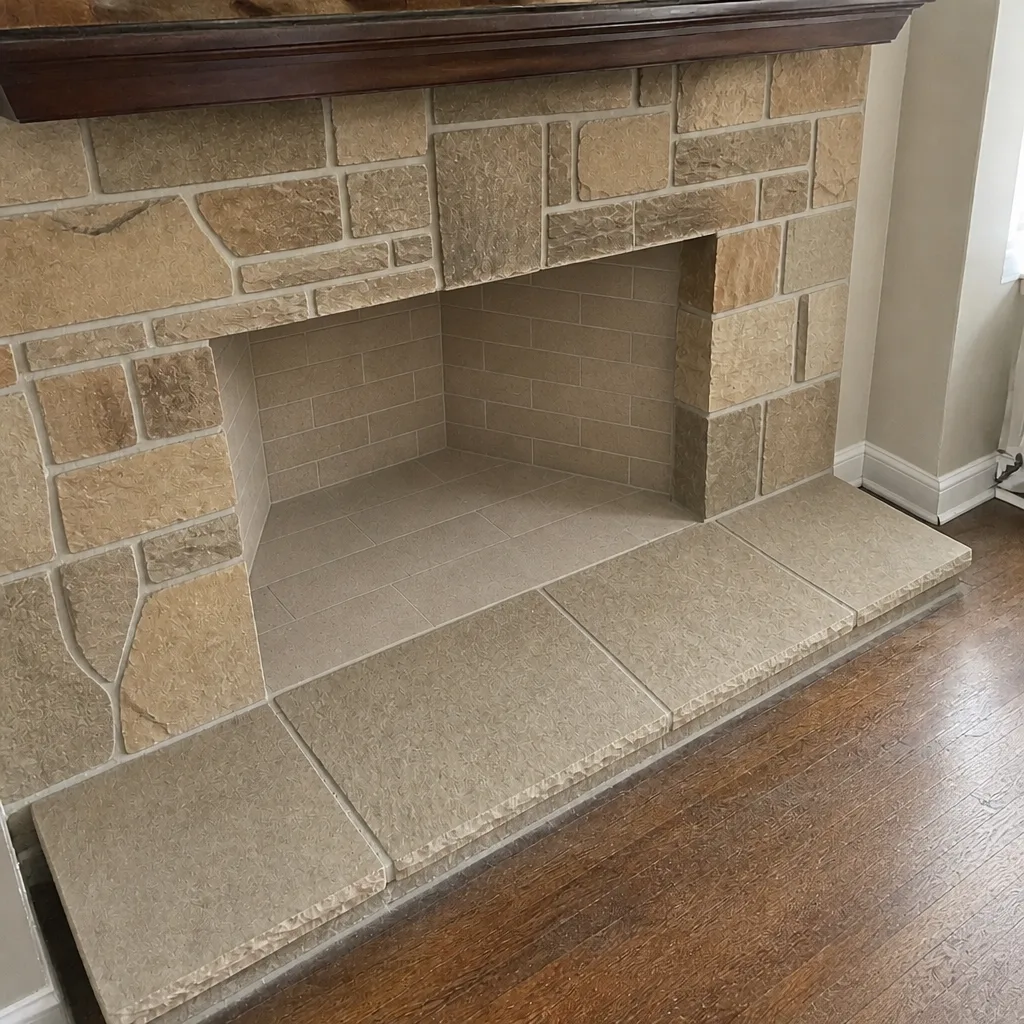
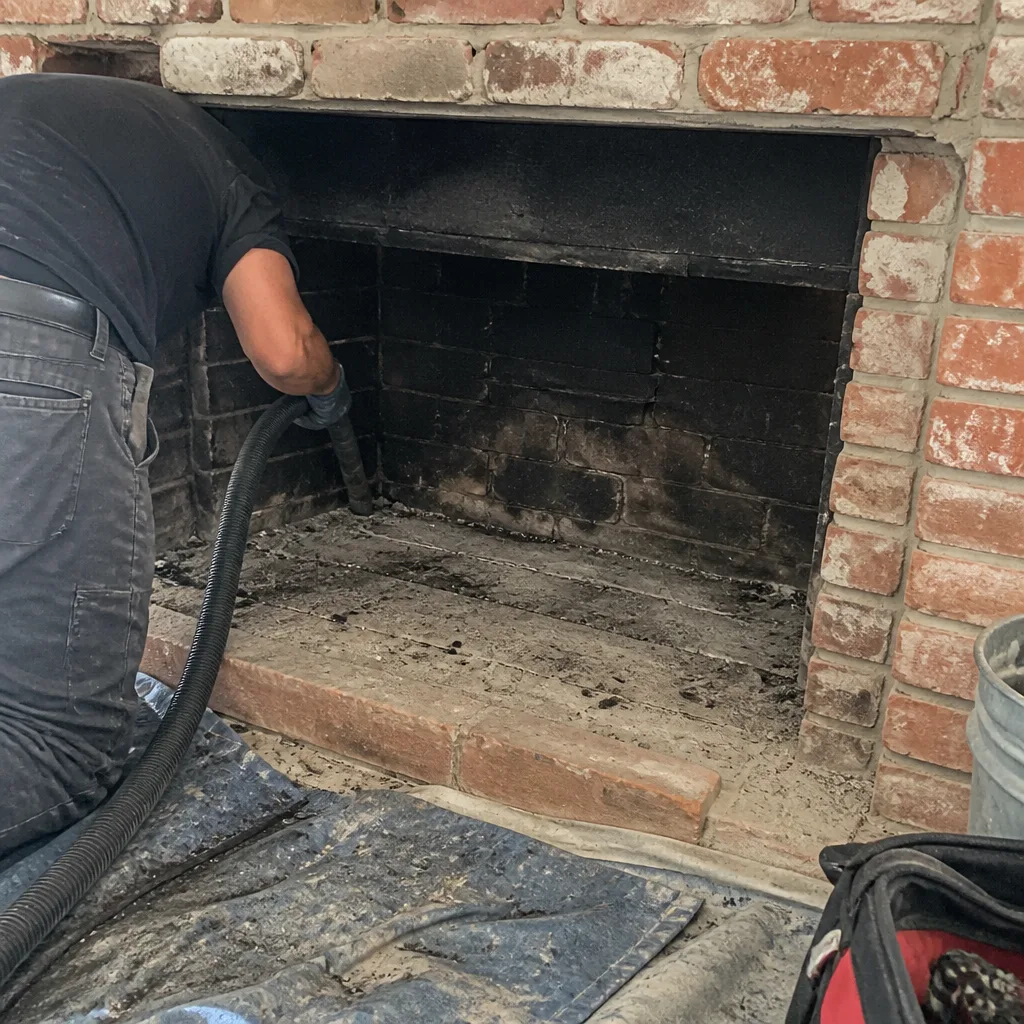
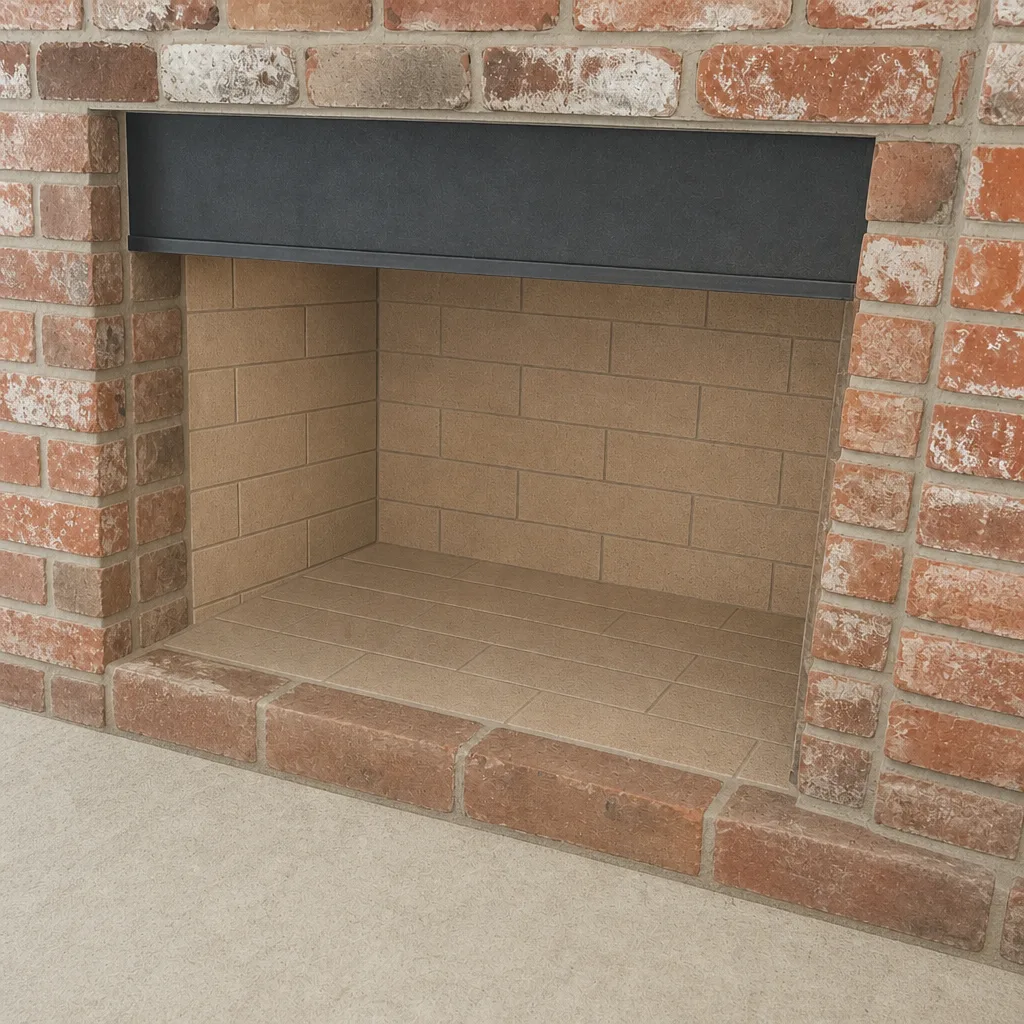
See the difference
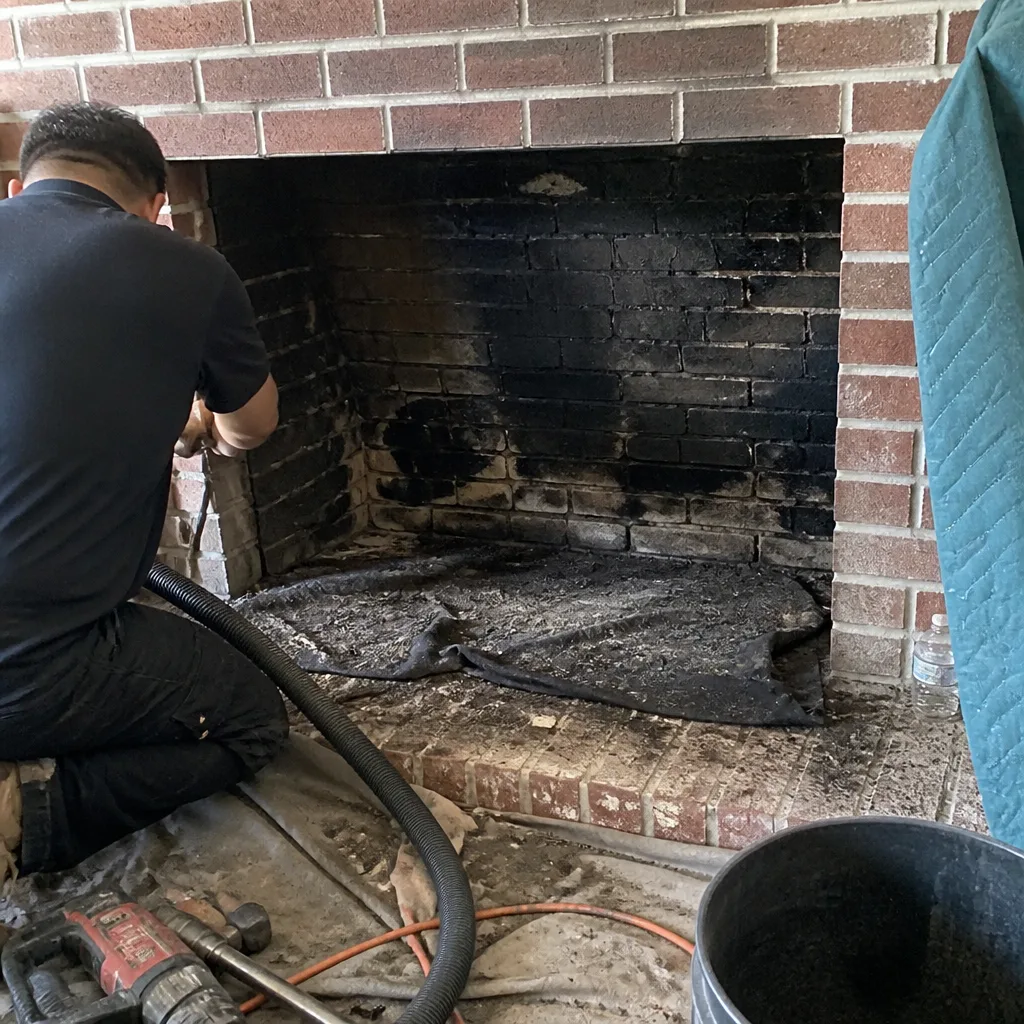 Before
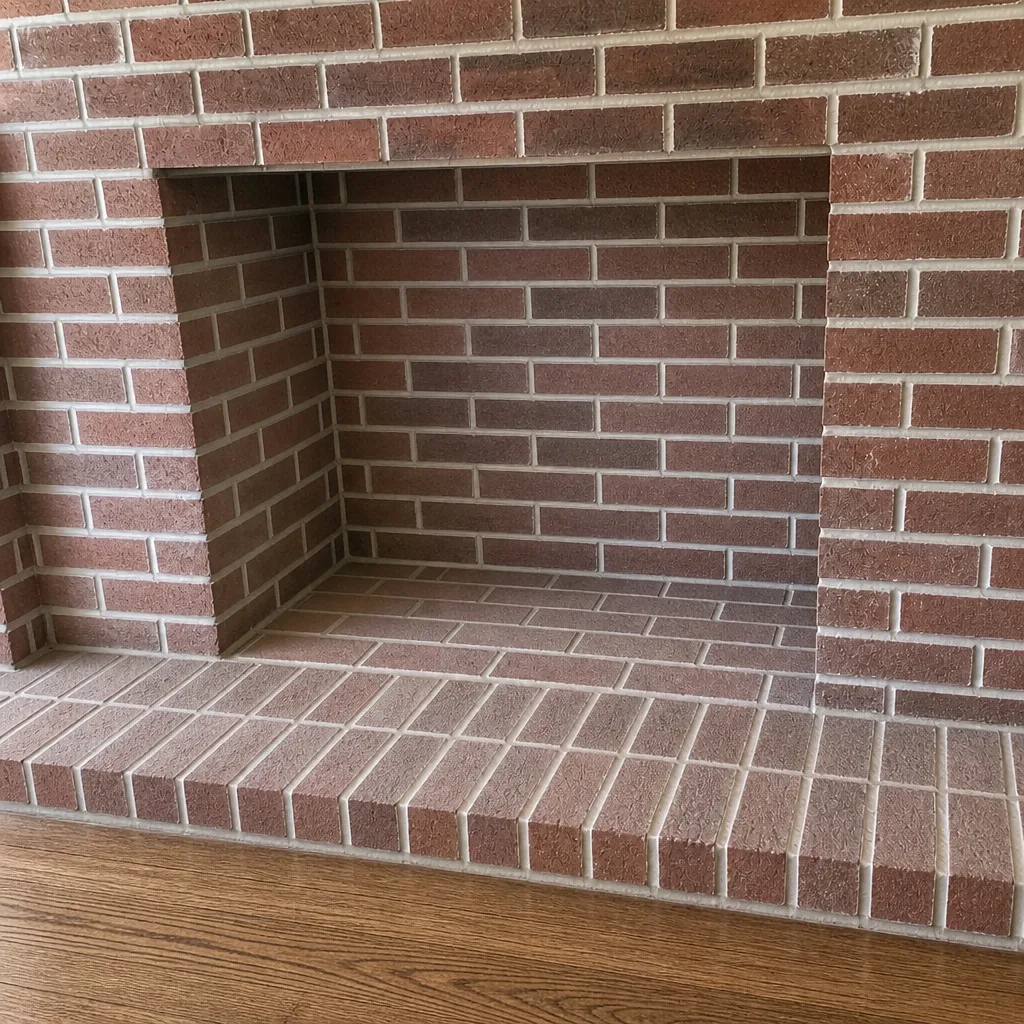 After
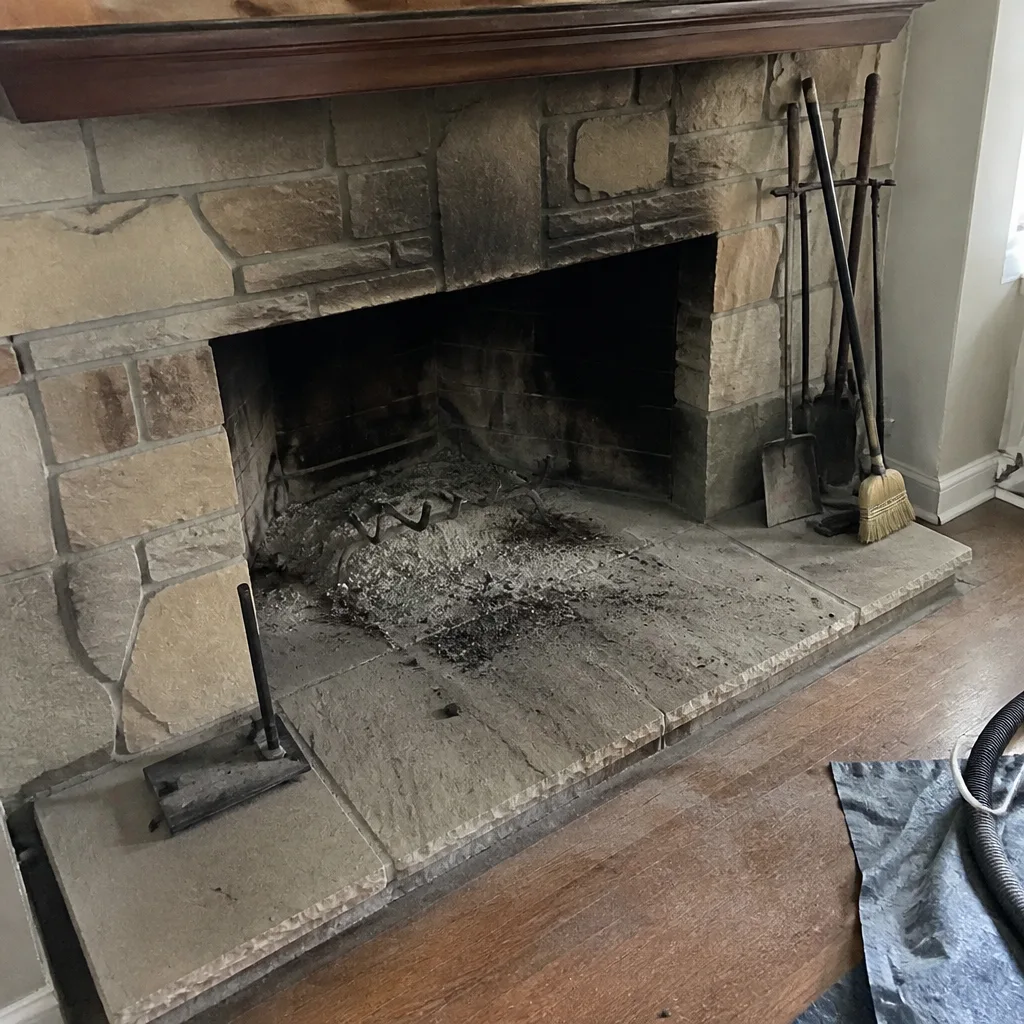 Before
 After
 Before
 After
When to Call a Professional
Call a professional in Tarzana any time you’re lighting the first fire of the season and you haven’t had the flue inspected in the past 12 months. Call when you hear animals in the chimney, when you see water staining near the fireplace, when smoke enters the room instead of rising up the flue, or when you notice a strong creosote odor even when there’s no fire. These are not conditions that resolve with time. They indicate an obstruction, a liner problem, or a draft issue that requires tools and training to address properly. Chimney Sweep Tarzana offers free estimates in Tarzana. Call (877) 269-3953. We answer 24/7. Fast dispatch from 7am to 7pm, Sunday through Friday.
Frequently Asked Questions
A standard chimney sweep in Tarzana typically runs between $180 and $300 depending on the level of creosote buildup, the accessibility of the roofline, and whether the flue requires chemical treatment. The written estimate after an inspection sets the final price, and you’ll know the number before any work begins. Call (877) 269-3953 for an exact quote – estimates are free.
Once a year is the minimum for any fireplace that gets seasonal use, and that holds true in Tarzana’s mild climate. If you burn fires several times per week from October through March, or if you burn wood that isn’t fully seasoned, a mid-season cleaning in January may also be warranted. The annual sweep should happen before the first fire of the season, which in Tarzana means September or early October rather than January.
Not always. A camera inspection tells you whether the liner is still structurally sound or whether it has progressed to the point where resurfacing or replacement is the right call. HeatShield ceramic resurfacing can restore cracked clay tile liners without full replacement in many cases, and DuraFlex liners handle appliance and fireplace conversions. Nothing should be recommended without camera evidence you can see for yourself. If the liner can safely wait, we’ll tell you that plainly. Call (877) 269-3953 to schedule an inspection.
Creosote builds up in layers, and each season of fires adds more. The thicker the layer, the higher the chance of a chimney fire, and the more difficult and expensive the eventual cleaning becomes. Secondary problems compound too: an uncapped flue accumulates debris that blocks airflow, moisture interacts with creosote to corrode the liner, and small cracks widen through repeated heat cycling. Skipping a year is a gamble you might get away with once. Skipping two or three is how small problems become structural ones.
You can buy a brush at a hardware store, but chimney sweeping involves working at roof height, diagnosing liner condition, and recognizing problems that aren’t visible to the untrained eye. More importantly, chimney fires caused by improperly maintained flues are dangerous and often silent until they aren’t. This is a place where professional training and professional tools justify themselves. The interior of a flue is not where you want to learn by doing.
Yes. Frequency of use matters less than the fact that the flue sits dormant for months at a time. Even one fire through a flue that has collected a bird nest or significant debris can cause serious problems. Annual sweeping is the standard recommendation for any fireplace that’s used at all, because the inspection itself is valuable even when the creosote removal is minimal. A clean chimney is a known chimney, and that’s what matters.
The Bottom Line
Chimney care in Tarzana works in reverse of what most guides assume. The critical months are September and October, before the first fire, not January. The dormant summer months are when flues collect debris, pests, and hardened creosote. The spring months are for rain cap checks, seismic inspection, and addressing issues found during the burning season. A September sweep, a December visual check, and a March post-season review form a complete annual rhythm that keeps your chimney safe year after year. And when the sweep uncovers a problem, the same team that found it can fix it, using professional-grade materials from brands like DuraFlex, HeatShield, Famco, and Copperfield. The system works, but only if you stay on the calendar. Call (877) 269-3953 to schedule your pre-season sweep.
Written by the team at Chimney Sweep Tarzana, serving Tarzana since 2014.