
Last updated November 4, 2026
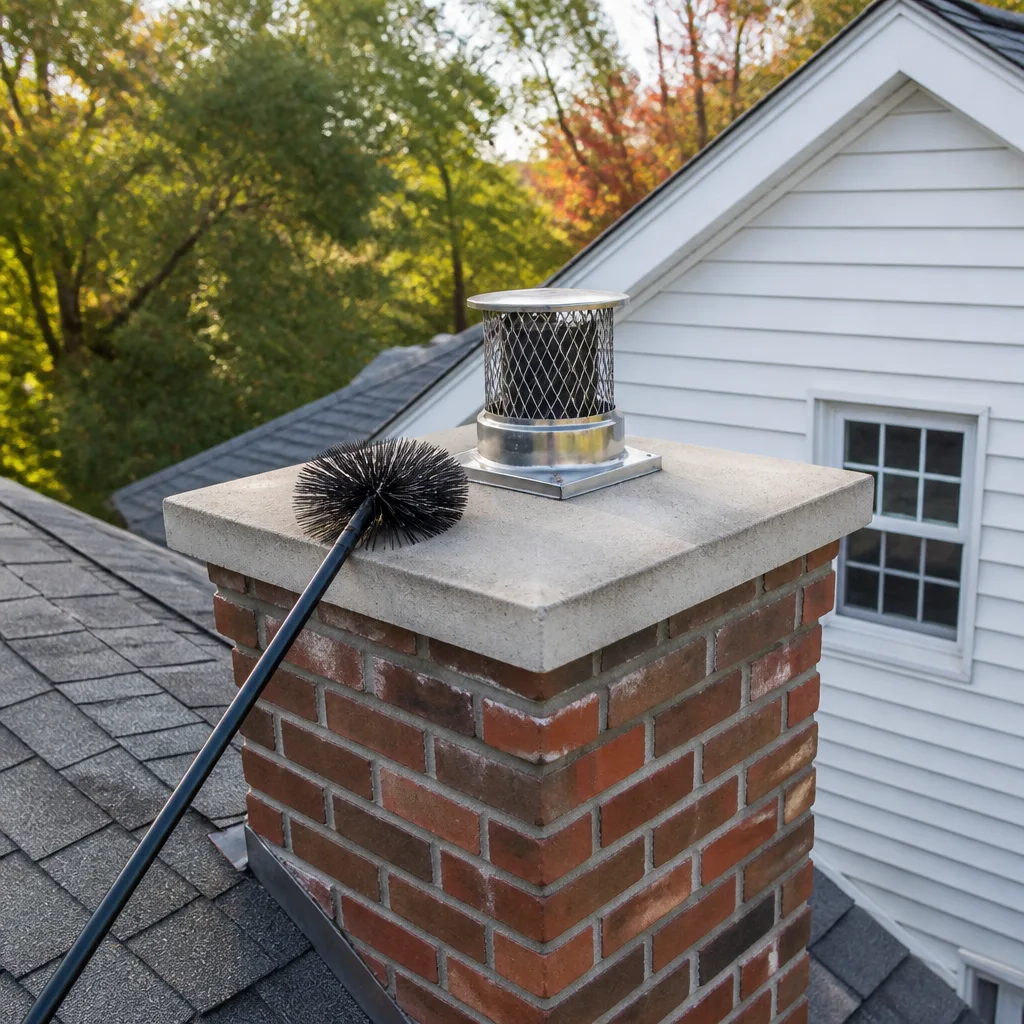 Sweep & inspection
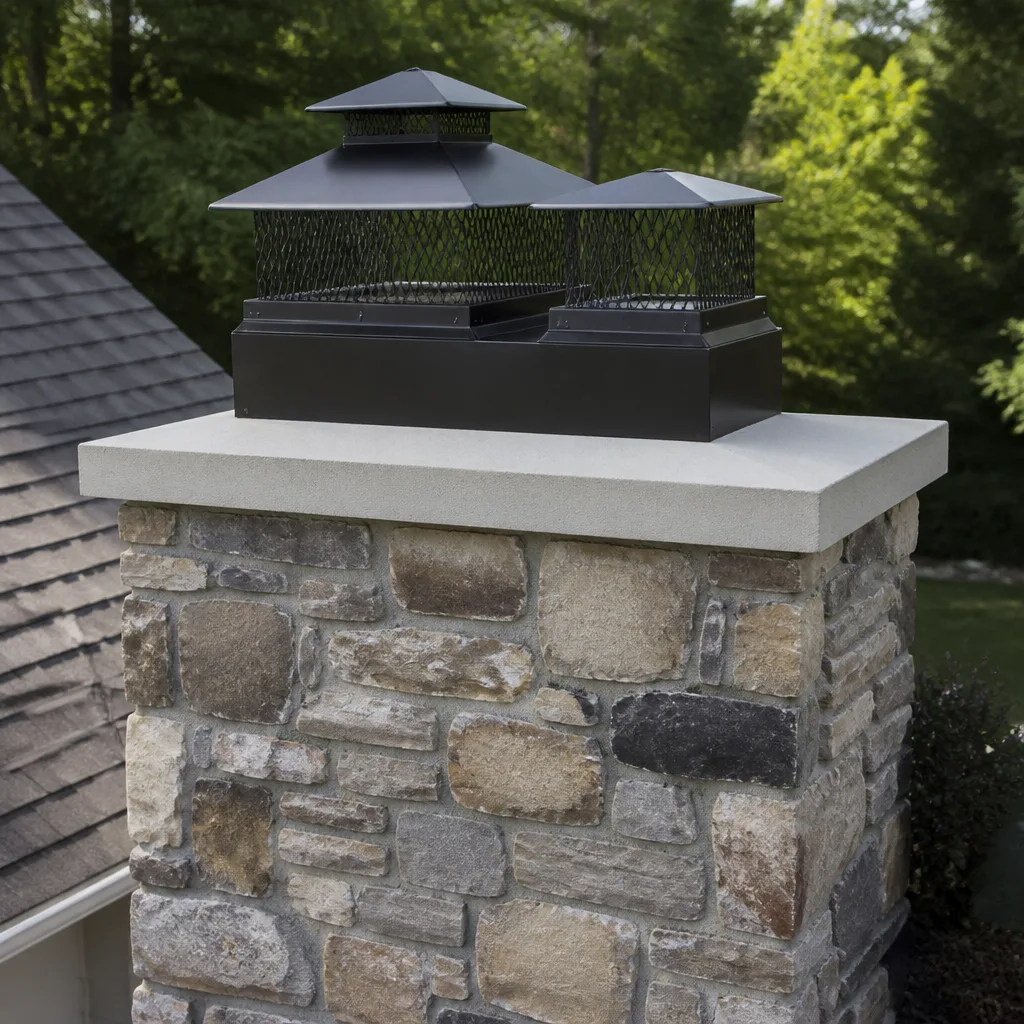 Caps & crowns
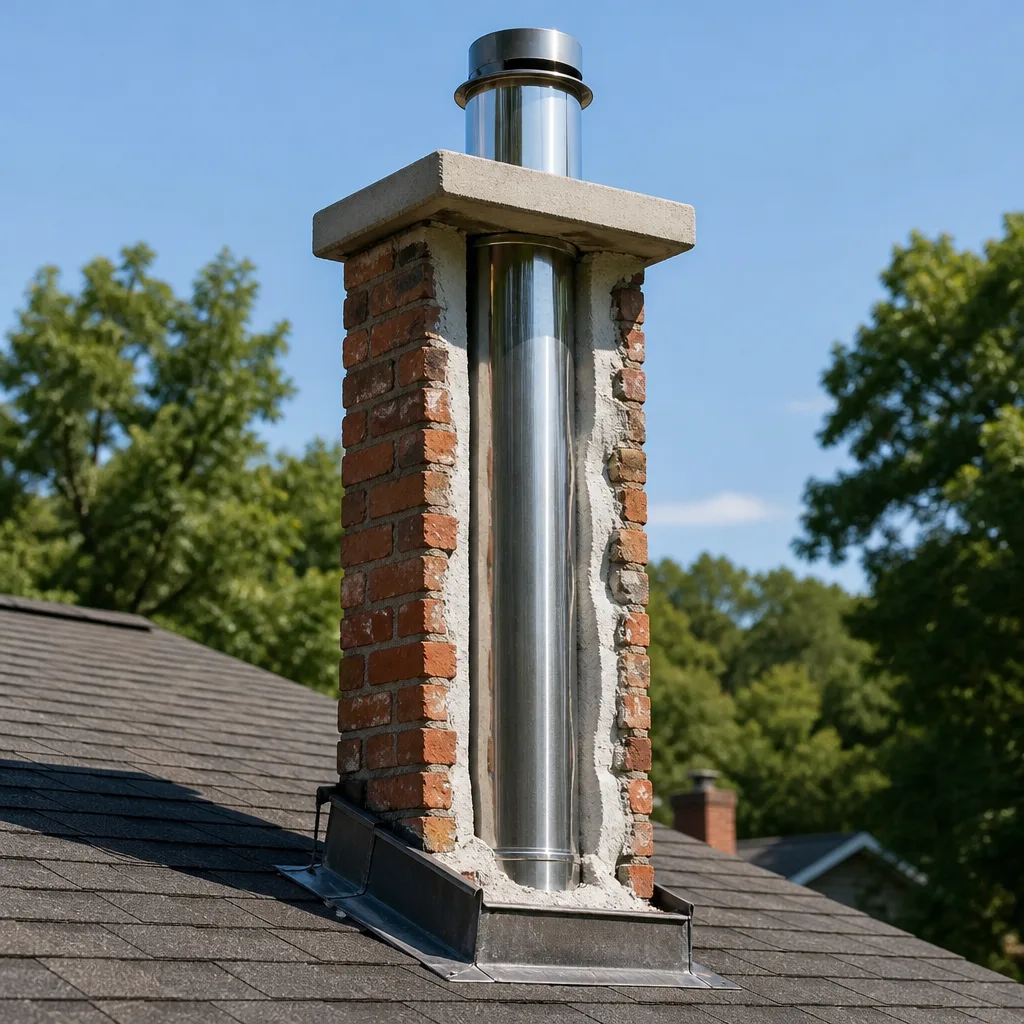 Flue relining
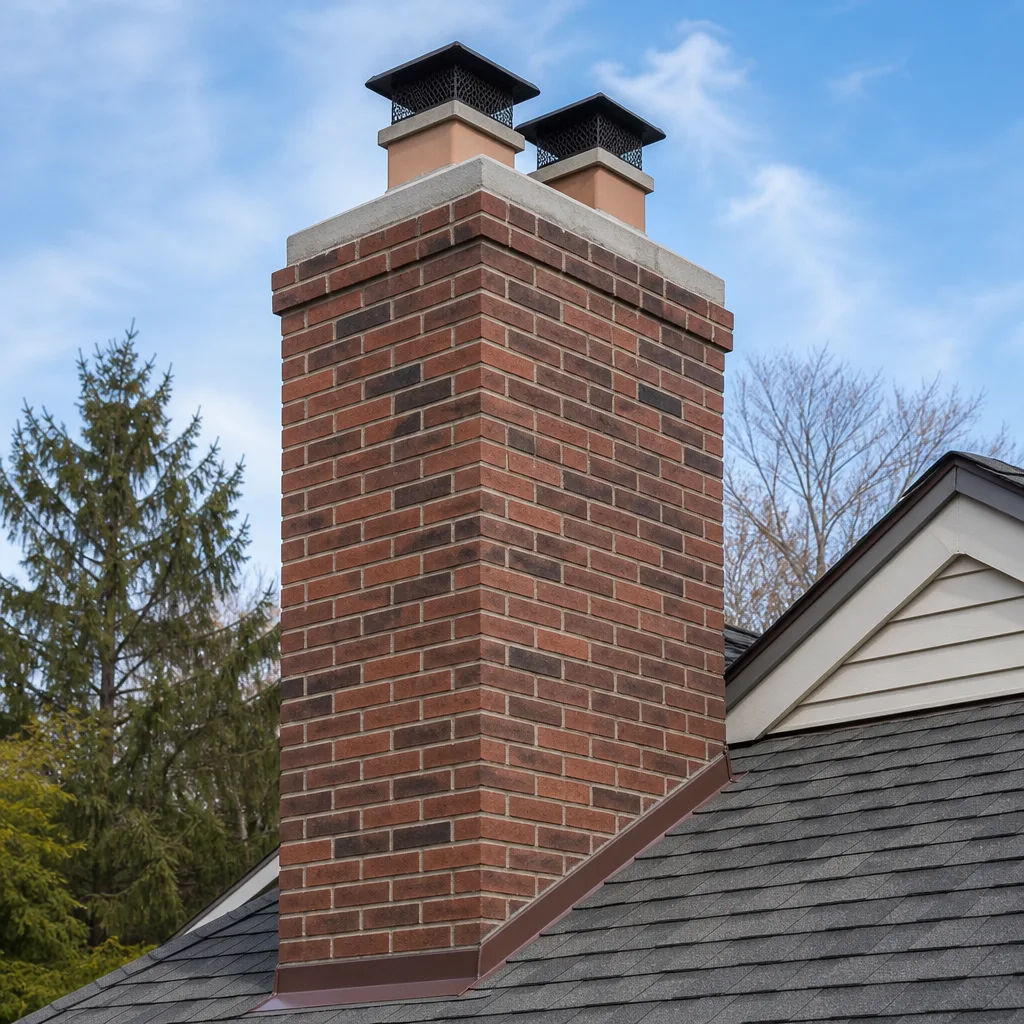 Masonry repair
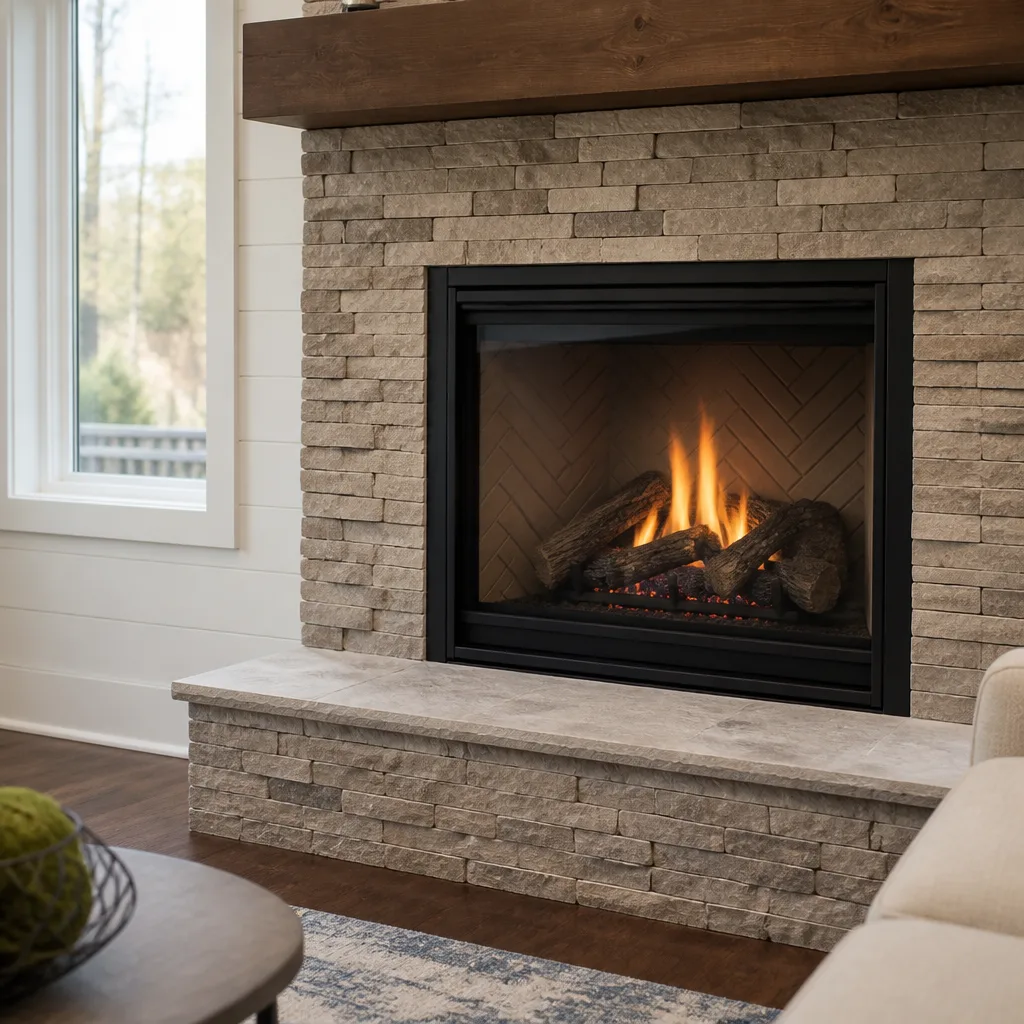 Gas fireplace service
Level 1 sweep and inspection to the NFPA 211 annual standard - flue, crown, cap, and flashing checked and photographed
Chimney sweep logs do not sweep chimneys. They loosen some creosote - which then falls where a brush and vacuum still have to collect it.
DIY vs Professional Chimney Cleaning: The Tarzana Homeowner’s Decision Guide
You can buy a chimney cleaning brush kit online for about forty dollars. What the listing won’t tell you is that without a rotary drill system, a closed-top vacuum rated for fine particulate, and the containment setup to match, you’ll likely push more creosote into your living room than you pull out of the flue. And that’s the optimistic scenario. This guide walks Tarzana homeowners through what a skilled DIYer can actually handle, which tools genuinely matter, and where the line sits between weekend maintenance and work that needs professional training and equipment.
Quick Answer
DIY chimney cleaning in Tarzana is possible for light ash and basic firebox maintenance, but real creosote removal demands professional rotary equipment and containment that consumer brush kits can’t replicate. For most Tarzana homeowners, annual inspection and cleaning by a certified sweep is the safer, more cost-effective choice when the true cost of proper DIY tools, safety gear, and disposal is factored in. The honest answer: you can handle visual checks and ash removal yourself, but the cleaning itself should almost always be left to a pro.
Styles & brands we work with
- Sweep & inspection
- Caps & crowns
- Flue relining
- Masonry repair
- Gas fireplace service
Table of Contents
- What a Skilled DIYer Can Actually Handle
- Where DIY Chimney Cleaning Goes Wrong
- The Equipment Gap: Consumer Kits vs Professional Systems
- The True Cost of DIY: Tools, Safety Gear, and Disposal
- California Code, Insurance, and Fire Hazard Zones
- Gas Appliance Venting: Where DIY Creates Compliance Problems
- When DIY Makes Sense for Tarzana Homes
- Common Mistakes to Avoid
What a Skilled DIYer Can Actually Handle
Before we get to what requires a professional, let’s be fair about what doesn’t. There’s genuine maintenance work a Tarzana homeowner can perform safely with basic tools and a careful approach. None of it involves climbing onto the roof or reaching into the flue.
The most valuable DIY task is the visual inspection. You can stand in your firebox and look up with a strong flashlight. You’re checking for obvious creosote buildup that looks shiny, tar-like, or crusty in thick layers. You’re looking for visible cracks in the firebrick, loose mortar joints, or any sign that the flue tiles have shifted. In Tarzana’s dry climate, you’re also watching for rust on the damper assembly, which happens more often than people expect even without rain.
The second DIY task is proper ash removal. For a wood-burning fireplace in Tarzana, you want to leave about an inch of ash in the firebox during the burning season. That ash bed insulates the firebox floor and makes the next fire easier to start. When you do remove ash, use a metal shovel and a metal bucket with a tight-fitting lid. Never use a household vacuum. Never carry the bucket through the house uncovered. Place it outside, away from anything combustible, for at least 48 hours before disposal. Embers can stay live in ash for days.
Third, you can test the damper operation. Open and close it fully. Listen for grinding or feel for resistance. The damper should seat firmly when closed and stay open when you set it. If it’s sticky, loose, or doesn’t close completely, that’s a repair issue. A damper that won’t seal means your conditioned air is running up the chimney all summer, which matters in Tarzana when air conditioning runs for months.
The fourth task is the cap and crown visual check, which does require getting on the roof or using binoculars from the ground. You’re looking for a missing or damaged rain cap, cracks in the crown concrete, or any visible damage to the flue tile at the top. If you’re not comfortable on a ladder or roof, skip this one. Falling from a roof is a far more real risk than any creosote problem.
These four tasks, done consistently, catch the early signs that a professional needs to take a closer look. They don’t replace an annual inspection, but they make you a better-informed homeowner when you do call for a chimney sweep.
Where DIY Chimney Cleaning Goes Wrong
The moment you put a brush into the flue, the risk profile changes dramatically. We’ve seen well-intentioned DIY attempts in Tarzana homes that ended with creosote dust spread across furniture, carpets, and HVAC registers. The physics of chimney cleaning are unforgiving: the creosote you’re trying to remove has to go somewhere, and without a professional containment system, that somewhere is your living room.
Creosote is not like dust. It’s a combustion byproduct that condenses on the flue walls during a fire. It ranges from flaky and brown to a thick, tar-like glaze that resists anything short of chemical treatment and rotary cleaning. A brush on fiberglass rods will knock loose the flaky stage-one creosote, but it simply smears the stage-two and stage-three buildup. That glazed creosote is the dangerous kind, the kind that ignites at high temperatures and causes chimney fires. Thinking you’ve cleaned the chimney because you ran a brush through it once is worse than not cleaning it, because it creates false confidence.
There’s also the geometry problem. Most Tarzana chimneys have offsets and bends in the flue that a straight brush can’t navigate. Professional sweeps use rotary whip systems that conform to the flue shape, cleaning the entire surface, not just the straight sections. Consumer brush kits clean what they touch and miss what they can’t reach. The result is a partially cleaned flue with creosote concentrated in the areas you couldn’t see or reach.
Then there’s the access problem. Cleaning from the roof means working on a sloped surface while pushing rods into a dark vertical shaft. Cleaning from below means working against gravity, pulling creosote down onto yourself and into the firebox, then containing whatever falls. Both approaches have real hazards that a homeowner with a $40 brush kit isn’t equipped to manage. The brush kit includes the brush. It doesn’t include the training, the containment, the fall protection, or the judgment to know when something you see inside the flue means the chimney needs repair, not cleaning.
The Equipment Gap: Consumer Kits vs Professional Systems
This is where the honest comparison gets specific. The tooling a professional chimney sweep brings to a Tarzana job is fundamentally different from what you can order online. The difference is not a matter of degree, it’s a matter of category.
A professional rotary cleaning system is built around a drill-driven whip head spinning at high RPM inside the flue. The spinning action mechanically breaks the bond between creosote and the flue wall. That’s what removes stage-two and stage-three glaze, which are the layers that matter for fire prevention. The fiberglass rods on a consumer brush kit simply push the brush up and down, which, at best, dislodges the lightest deposits.
Containment is the second category difference. A professional sweep arrives with a high-powered vacuum with a HEPA-rated filter, designed for fine particulate. The vacuum is set up in a closed system: a full closure over the firebox opening, creating negative pressure that pulls all the loosened material into the vacuum rather than letting it drift into the house. A shop vac with a drywall filter is not this. It will distribute fine creosote particles throughout your home, and those particles settle into fabrics, carpets, and air registers where they linger with that distinctive smoky smell.
The third category is the camera. A professional chimney sweep in Tarzana uses a video inspection system to see the entire flue, top to bottom, after the cleaning. That’s how you know, with evidence, whether the flue is clean and sound or whether there are cracks, gaps, or deterioration hidden behind the creosote. A brush kit tells you that you pushed a brush through. It tells you nothing about the condition of the flue you just cleaned. For homes in Tarzana with fireplaces that haven’t been inspected in years, the camera inspection is often the first time anyone has ever seen the actual condition of the flue.
The fourth category is the repair capability. When a professional sweep finds cracked flue tiles, a deteriorated mortar joint, or a damaged damper during the cleaning, that finding turns into a repair recommendation with evidence to support it. If you do the work yourself and notice something concerning, you’re back to hiring someone to come look, which means paying for the visit you were trying to avoid. There’s a difference between cleaning a chimney and assessing whether a chimney is safe to use. The first is mechanical. The second requires training and judgment.
The True Cost of DIY: Tools, Safety Gear, and Disposal
The cost argument for DIY usually starts with the brush kit price and stops there. Let’s actually run the numbers for a Tarzana homeowner who wants to do this correctly, because doing it incorrectly has its own costs.
A basic brush and rod kit runs $40 to $80. But that kit alone is the problem, not the solution. A proper DIY attempt means adding: a respirator rated for fine particulate, not a dust mask, which is $30 to $60. Safety glasses, drop cloths, and a full-body coverall, another $30. Roof safety gear if you’re cleaning from the top, including a harness and anchor system, $100 to $200 if you’re buying, or rental costs if that’s available. A HEPA-rated vacuum, because a standard shop vac isn’t sufficient for fine creosote, runs $400 to $800 for a unit that meets the standard. Disposal: creosote-laden materials can’t go in the regular trash in many California jurisdictions without specific handling, so you’re looking at hazardous waste disposal considerations and possibly fees.
Add those up conservatively, and a first-time DIY chimney cleaning costs $600 to $1,100 in tools and safety equipment. A professional chimney sweep in Tarzana typically runs $180 to $340 per visit, depending on the size of the flue, the level of buildup, and whether additional services like a camera inspection are included. The math is striking: your first DIY attempt costs roughly two to three times what a professional charges.
And that’s the optimistic math. It assumes you buy all the right equipment, use it correctly, contain the mess, and don’t discover a problem that requires professional attention anyway. The realistic math includes the possibility that you’ll buy the wrong equipment, make a mess you have to hire someone to clean, or miss a serious condition that makes the chimney unsafe to use until it’s professionally inspected. The cost of a chimney sweep visit is not just the labor. It’s the equipment, the containment, the training, and the accountability for the result. That’s what the $180 to $340 pays for.
California Code, Insurance, and Fire Hazard Zones
Tarzana sits in a region where wildfire risk shapes building codes and insurance requirements. Parts of Tarzana and the surrounding San Fernando Valley fall within or near fire hazard severity zones as mapped by the state. That designation has practical implications for chimney maintenance that go beyond safety concerns.
For homeowners in fire hazard zones, insurance carriers are increasingly asking for documentation of chimney inspection and maintenance. When a claim involves any fire-related damage, the absence of a professional inspection record can complicate the claim process. A homeowner who has performed self-cleaning has no documentary evidence that the chimney was actually clean or safe. A professional chimney sweep provides an inspection report that serves as a record of the flue’s condition at a specific point in time. That record matters.
California building code also sets standards for chimney construction and modification that a homeowner cannot self-perform without running afoul of permit requirements. Liner installation, in particular, requires professional materials and workmanship that meets code. The brands we work with, including DuraFlex liner systems and HeatShield ceramic resurfacing, are designed and installed to meet those standards. A homeowner attempting to patch a liner or install a liner component without the required knowledge is creating a liability, not solving a problem.
There’s also the matter of what a DIY cleaning can miss. The California climate in Tarzana means chimneys are not exposed to the cycles of freeze and thaw that east coast homes experience, but the dry heat and occasional seismic activity can cause hairline cracks in flue tiles and mortar joints. Those cracks are difficult to see from a firebox inspection alone. They show up clearly on a camera inspection performed by a professional sweep who knows what to look for. A crack that leaks heat into the chimney structure is a fire risk, and that risk exists in a fire hazard zone where the consequences of ignition are magnified.
Gas Appliance Venting: Where DIY Creates Compliance Problems
If your Tarzana home has a gas fireplace, gas log set, or gas water heater vented through the chimney, the DIY calculus changes completely. Gas appliance venting is where homeowner cleaning attempts cross from inadvisable into genuinely hazardous.
Gas appliances vent at lower temperatures than wood fires. That lower temperature means the flue serves a different function: it’s not just carrying smoke out, it’s carrying combustion gases, including carbon monoxide, safely away from the living space. A gas flue that isn’t properly maintained can develop blockages, corrosion, or structural issues that allow those gases to enter the home. Carbon monoxide has no smell, no color, and no warning. It’s not a smell problem. It’s a life safety problem.
The code issues arise because gas appliance venting has specific requirements. The flue size must match the appliance load. The liner material must be rated for the appliance type. A homeowner who disassembles the venting to clean it, or who installs a liner from a consumer source, cannot verify that the installation meets the local code requirements for gas venting. If the local building department in Tarzana becomes involved, whether through a home sale inspection or an insurance review, an unpermitted, non-compliant venting modification creates a costly correction requirement.
The professional approach here is specific. For gas appliances, we use liner systems designed for the application. DuraFlex flexible liners are engineered for specific appliance categories, and installing the wrong liner type for a gas versus oil versus wood application is a real failure mode. The materials matter. They’re not interchangeable, and a homeowner buying a generic product from a hardware store is unlikely to know which liner material is rated for the appliance in question.
If you have a gas appliance vented through your chimney, the DIY conversation is over before it starts. You need a professional inspection to verify the venting is safe, and you need professional cleaning with equipment that won’t damage the liner while cleaning it. The stakes are different from a wood-burning fireplace, and the margin for error is smaller.
When DIY Makes Sense for Tarzana Homes
Let’s be precise about what a Tarzana homeowner can reasonably handle without calling a professional. The list is shorter than the internet suggests, but it’s real.
- Weekly or bi-weekly ash management during burning season: Remove excess ash with a metal shovel into a metal container. Leave about an inch of ash in the firebox. Dispose of the container properly, never in the regular trash immediately.
- Monthly firebox inspection: Use a flashlight to check the firebrick for cracks, look at the damper, and examine the visible flue area for any changes. Do this before every fire during the burning season.
- Creosote thickness check: Once the firebox is cool, run a fireplace poker or scraper along the flue wall where you can safely reach, near the top of the firebox. If the creosote is thicker than about an eighth of an inch, or if it’s shiny and glossy rather than dry and flaky, it’s time to call a professional. This is the single most useful DIY indicator of when a cleaning is actually needed.
- Cap and crown visual check from the ground: Use binoculars to examine the chimney cap and the concrete crown. Look for missing cap screens, cracked concrete, or visible flue tile damage. You don’t need to get on the roof to do this basic check.
- Burn hygiene: Burn seasoned hardwood that’s been split and stacked for at least six months. Avoid burning pine, paper with colored ink, cardboard, or construction scraps. Good fuel burns hotter and faster, reducing creosote formation. This is the most effective ongoing maintenance a Tarzana homeowner can perform.
These five tasks form a homeowner maintenance routine that keeps you informed about your chimney’s condition between professional visits. They reduce risk. They don’t eliminate the need for professional cleaning, and they don’t replace it. What they do is make you a better judge of when the chimney needs attention, which means you’ll call before a small creosote problem becomes a dangerous one.
For the cleaning itself, the honest assessment is that Tarzana homeowners are better served by a professional chimney sweep. The equipment gap, the containment problem, and the inspection value simply outweigh the cost savings of doing it yourself. Call Chimney Sweep Tarzana before you buy a brush kit online. We can help you understand what your chimney actually needs, whether that’s a simple chimney sweep, a camera inspection, or repair work identified during the visit.
Common Mistakes to Avoid
- Buying the brush kit first and thinking that’s the project: The brush is the cheap part. The containment, the rated vacuum, the respirator, and the fall protection are the real cost. If you’re not going to buy all of it, don’t buy any of it.
- Using a household vacuum for ash or creosote: Standard vacuums aren’t sealed for fine particulate and will exhaust creosote dust back into the room. Even an ash vacuum is not the same as a professional HEPA system. You’ll make a mess that smells like smoke for weeks.
- Starting a fire to “burn off” the creosote: This is the most dangerous advice that circulates online. You’re intentionally creating the conditions for a chimney fire, which burns at thousands of degrees and can crack the flue, catch the surrounding structure on fire, and destroy your chimney. Never do this.
- Climbing onto the roof without fall protection: Tarzana homes have a range of roof pitches, and many are steeper than they look from the street. Falls from roofs cause serious injuries. The cost of a professional sweep is far less than the cost of a hospital visit.
- Ignoring the liner because you read liners last a lifetime: Liners degrade. In Tarzana’s dry climate, that degradation often shows up as hairline cracks from seismic movement or age, not dramatic failure. A camera inspection is the only way to see the liner’s actual condition. Assuming a liner is fine because you haven’t had a problem is a gamble with your home.
- Cleaning a gas chimney as if it were wood: Gas appliance venting requires different tools, different techniques, and different inspection criteria. Using a wood-cleaning brush on a gas flue can damage the liner and create the exact blockage you’re trying to prevent. If gas is involved, hire a professional.
See the difference
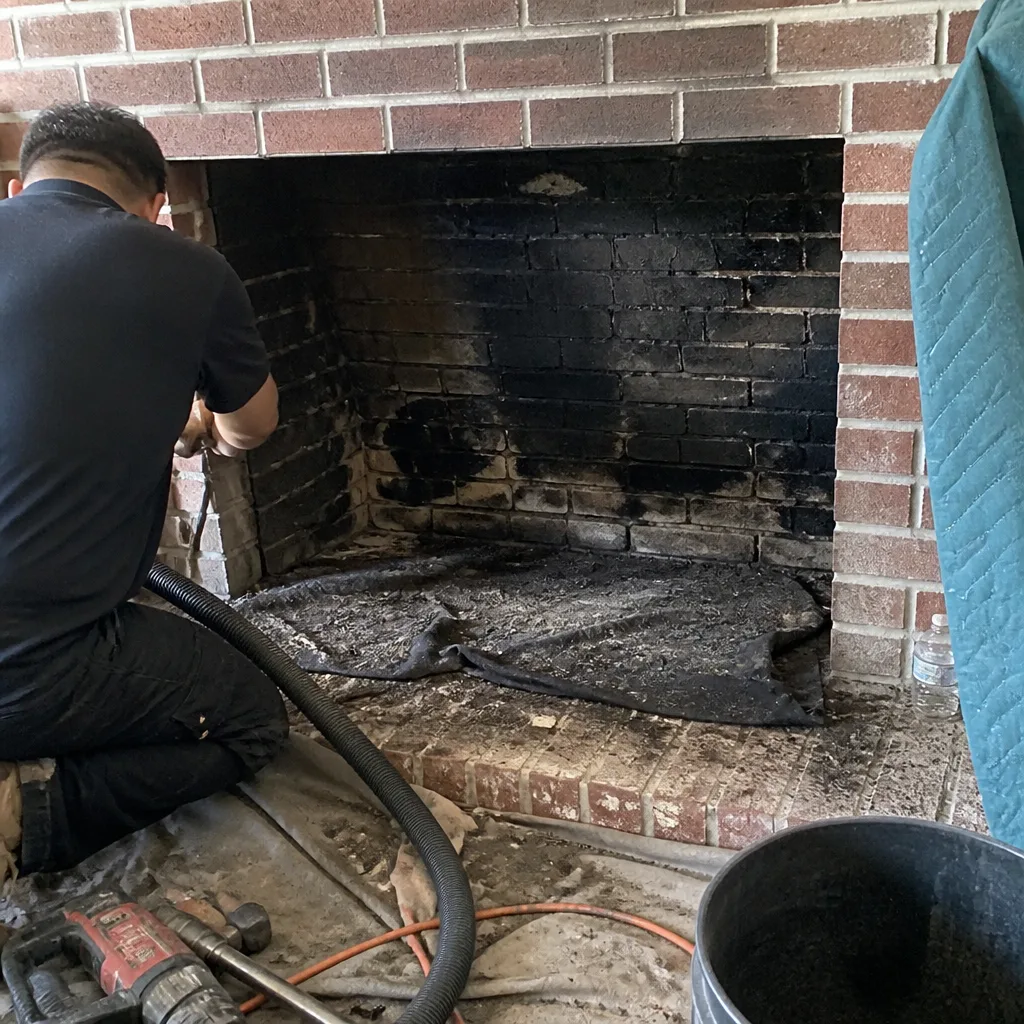 Before
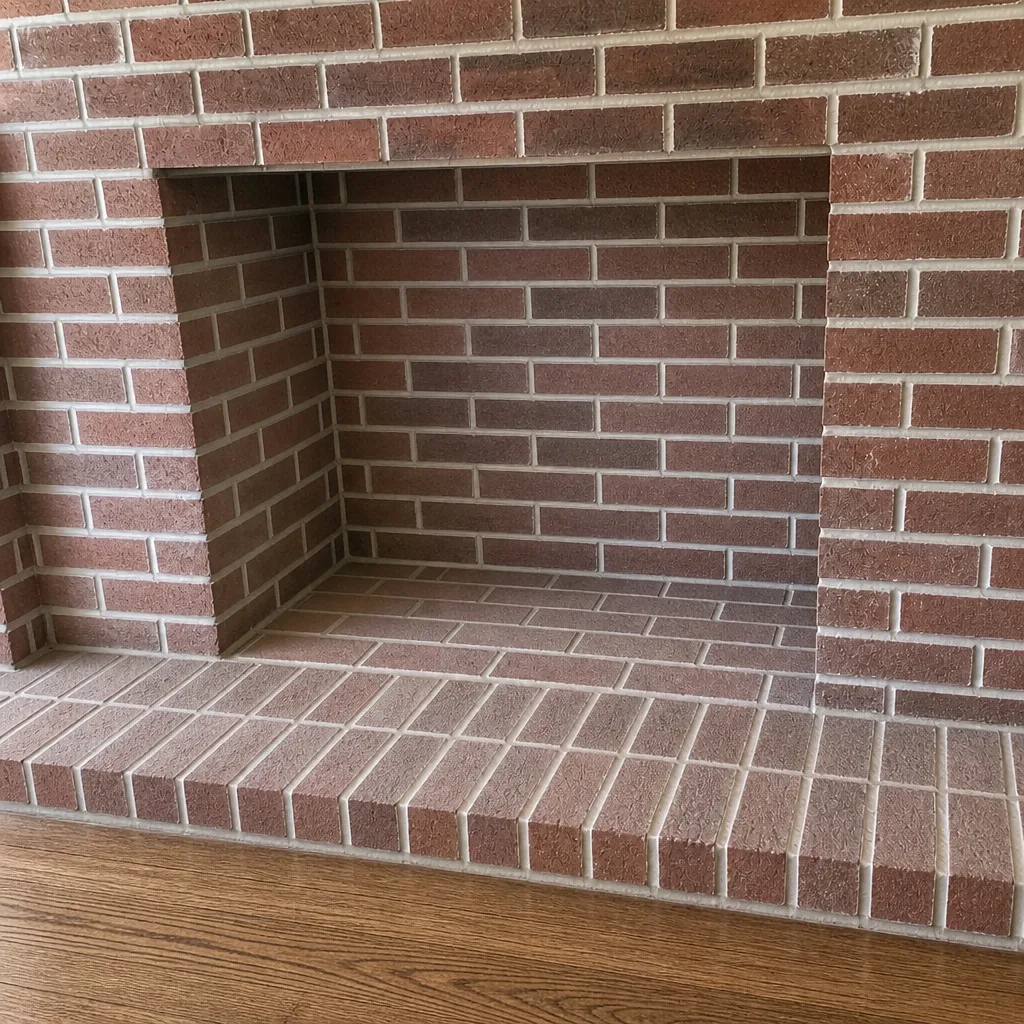 After
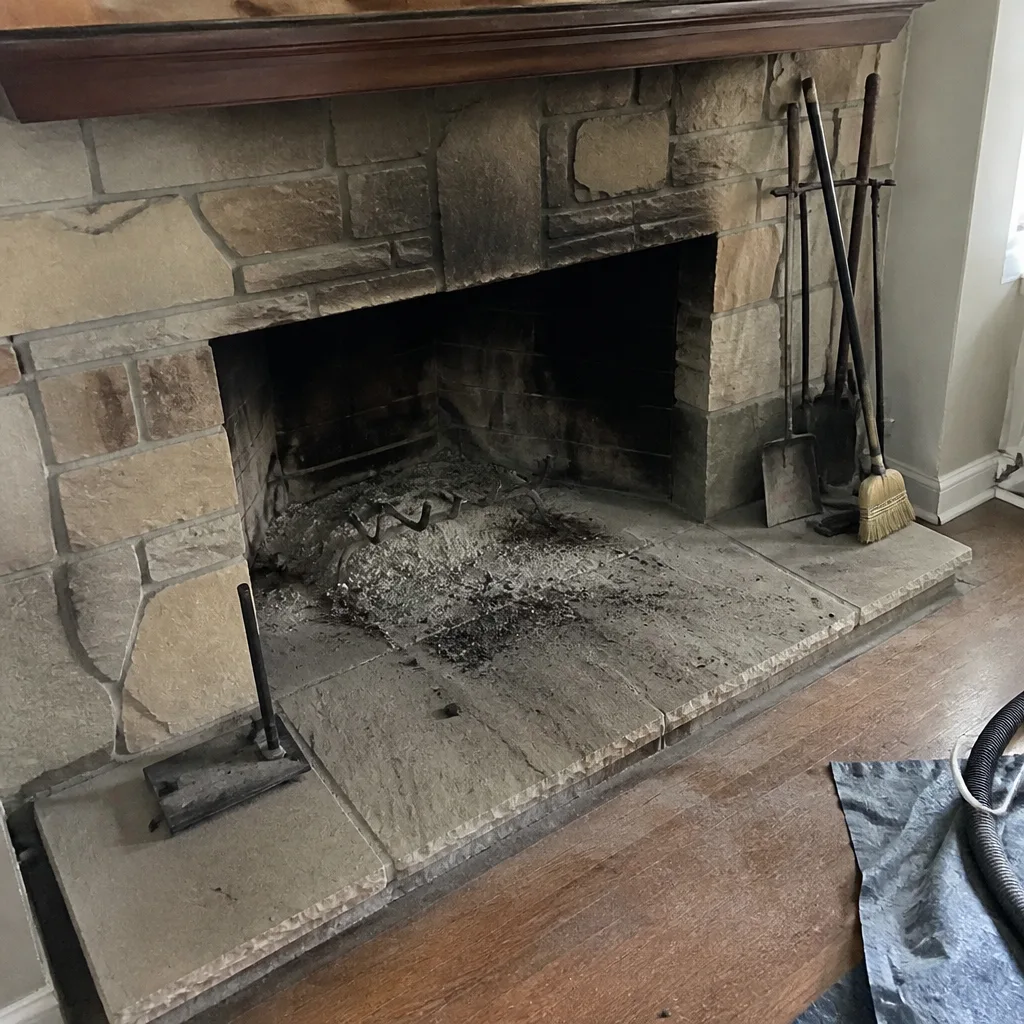 Before
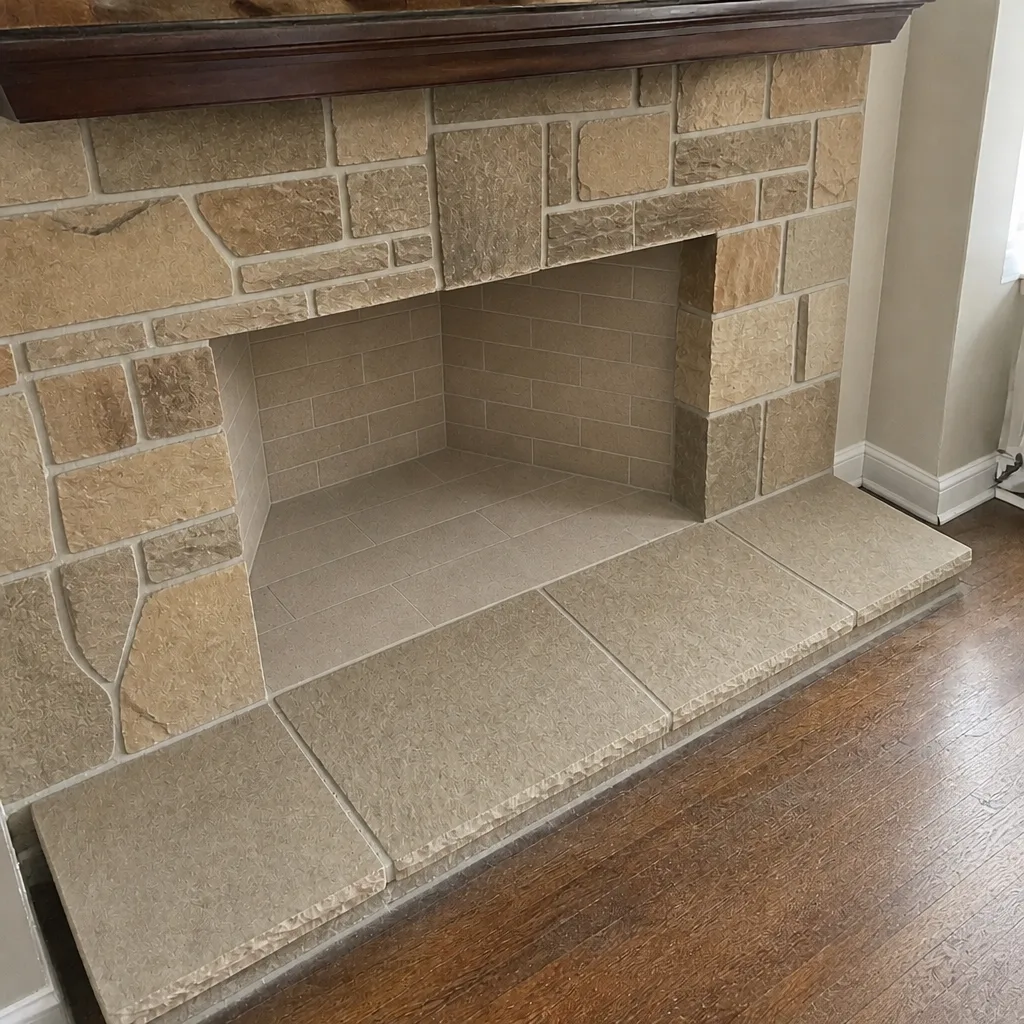 After
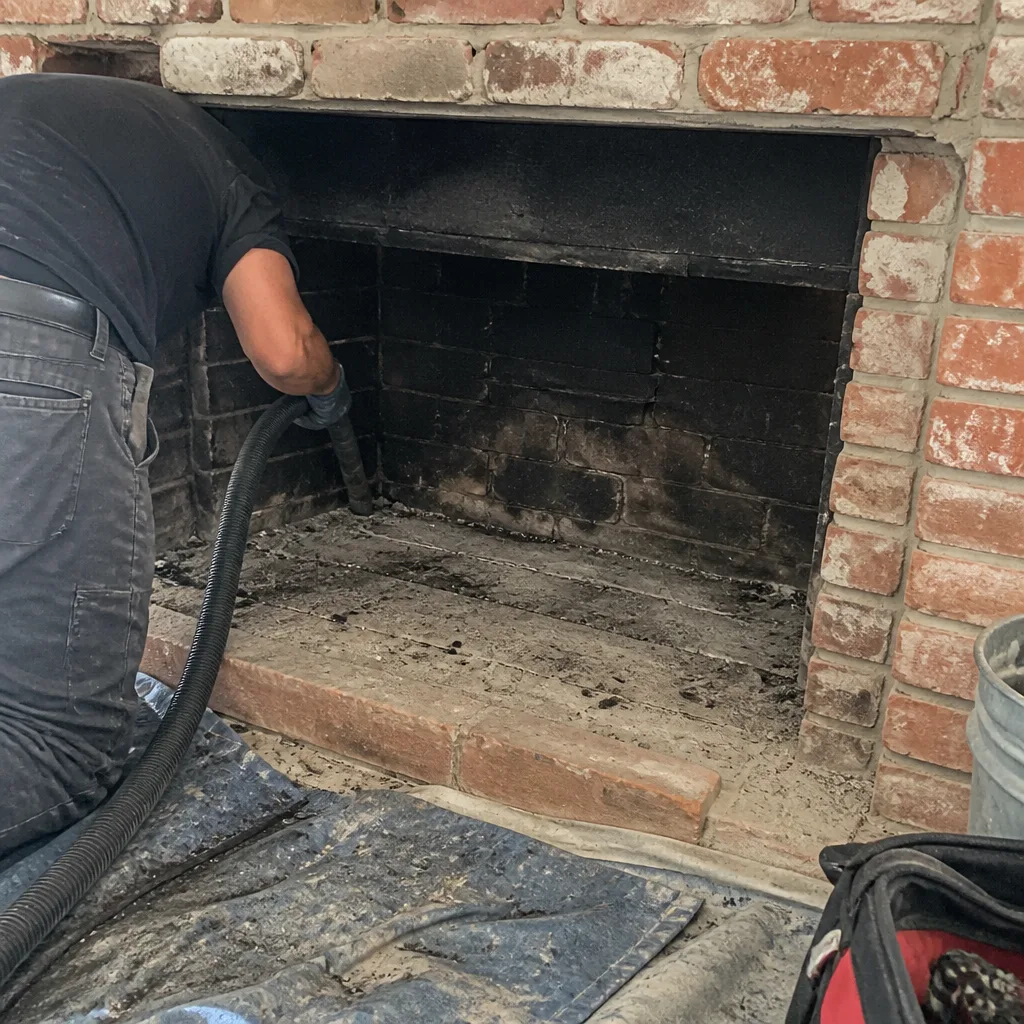 Before
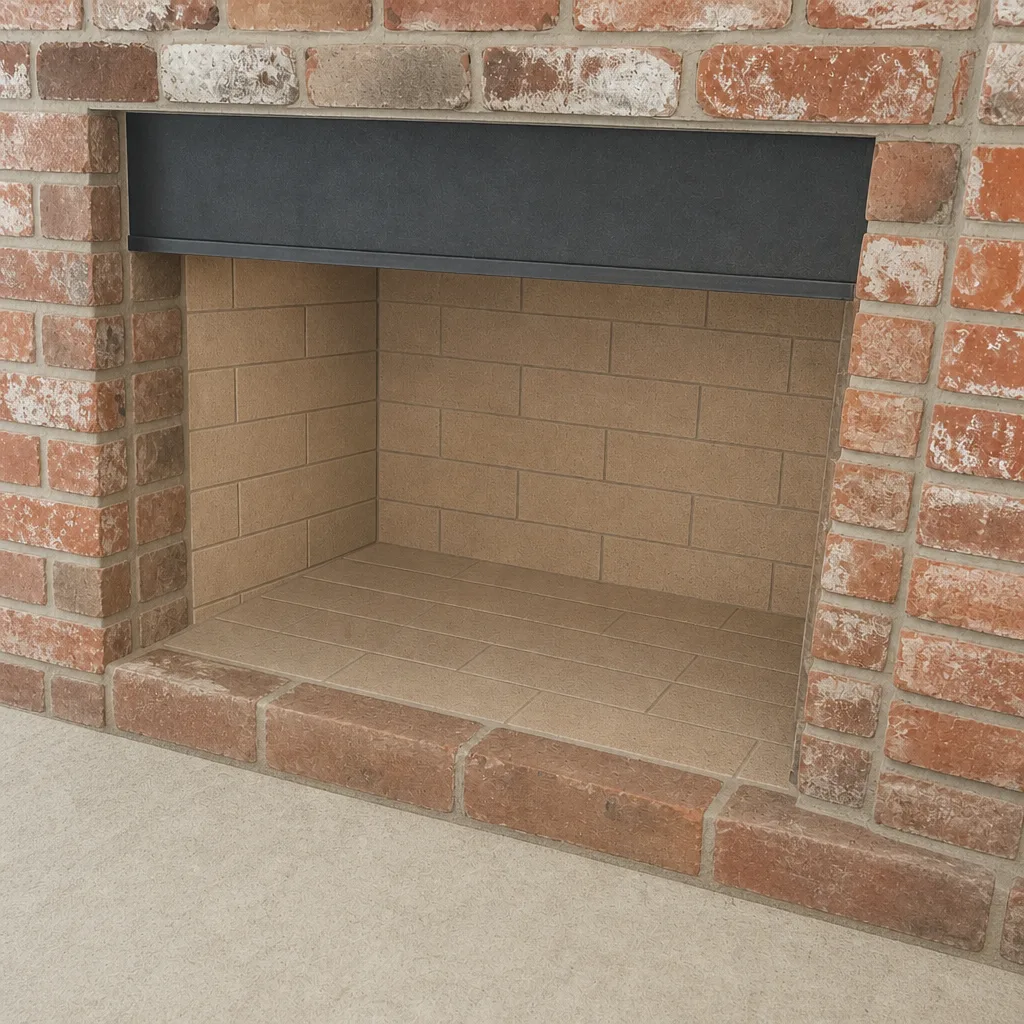 After
When to Call a Professional
Some situations simply don’t have a DIY option. If you notice a smoky smell inside the house when the fireplace is not in use, that’s a drafting problem that requires diagnosis. If you see water stains on the ceiling near the chimney, you have a flashing or crown leak that will only get worse. If you hear birds, scratching, or animal sounds, you have a nesting situation that requires removal and a cap installation. If you’ve never had the chimney inspected since buying the home, that’s the starting point, not a deferral.
Any time you’re dealing with a gas appliance, a liner, or a chimney that shows signs of structural movement, the professional is not optional. Dryer vent cleaning is another area where professional equipment makes a measurable difference, and two fire hazards, one specialist means you can address both flues in a single visit.
Chimney Sweep Tarzana offers free estimates in Tarzana, call (877) 269-3953. We answer 24/7. Fast dispatch from 7am to 7pm, Sunday through Friday.
Frequently Asked Questions
A professional chimney sweep in Tarzana typically costs $180 to $340, with the final price set by the written estimate after the sweep assesses the flue size and the level of creosote buildup. Call (877) 269-3953 for a free estimate specific to your fireplace.
You can remove ash from the firebox and perform visual checks with a flashlight, but you cannot properly clean creosote from the flue without rotary equipment and a rated vacuum system. The brush kits sold online leave the dangerous glazed creosote in place and distribute the loose creosote into your home.
Chimneys in Tarzana should be swept at least annually if the fireplace is used regularly, and more often if you burn frequently or notice rapid creosote buildup. If you use the fireplace only partially through the winter months, an annual fall sweep still makes sense because it establishes a clean baseline before the burning season begins.
Yes, if it’s been more than two years since the chimney was last inspected, or if you’ve purchased the home and have no record of the chimney’s condition. The camera shows what the naked eye can’t: hairline cracks, hidden creosote pockets, and liner degradation. Without it, you’re trusting a visual check that only sees the firebox, not the flue.
The creosote builds up until it ignites or until the flue cracks from heat stress, and either failure can put your home at risk. Creosote fires burn hot enough to damage the flue liner and potentially spread to the surrounding structure. The cost of a sweep is a fraction of the cost of repairing a chimney after a fire. Call (877) 269-3953 before it becomes an urgent problem.
Liner installation and repair are not DIY projects. They require code compliance, professional-grade materials like DuraFlex liner systems or HeatShield ceramic resurfacing, and the training to install them correctly. An improperly installed liner creates a fire hazard, and a patch job that fails will cost more to fix than the original problem.
The Bottom Line
The DIY chimney cleaning debate comes down to a simple distinction: maintenance versus cleaning. Tarzana homeowners can perform the maintenance: ash removal, visual checks, damper testing, and good burn hygiene. The cleaning itself belongs in professional hands. The equipment gap is real, the containment problem is messy, and the inspection value is something you can’t build with a brush kit. When you add up the true cost of proper DIY tools and safety gear, you’re spending two to three times what a professional sweep charges, for an inferior result. Skip the brush kit. Call (877) 269-3953. We answer 24/7. Fast dispatch from 7am to 7pm, Sunday through Friday.
Written by the team at Chimney Sweep Tarzana, serving Tarzana since 2014.