
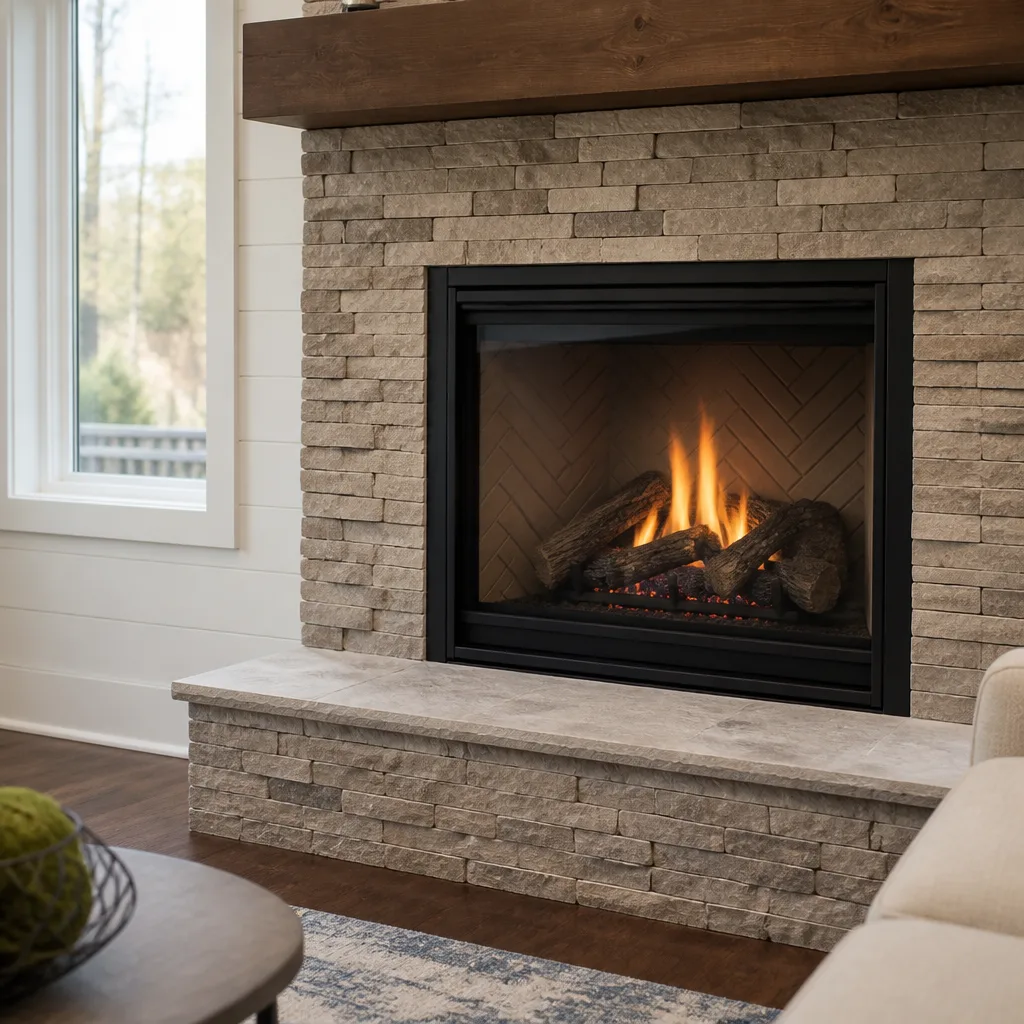
 Gas fireplace service
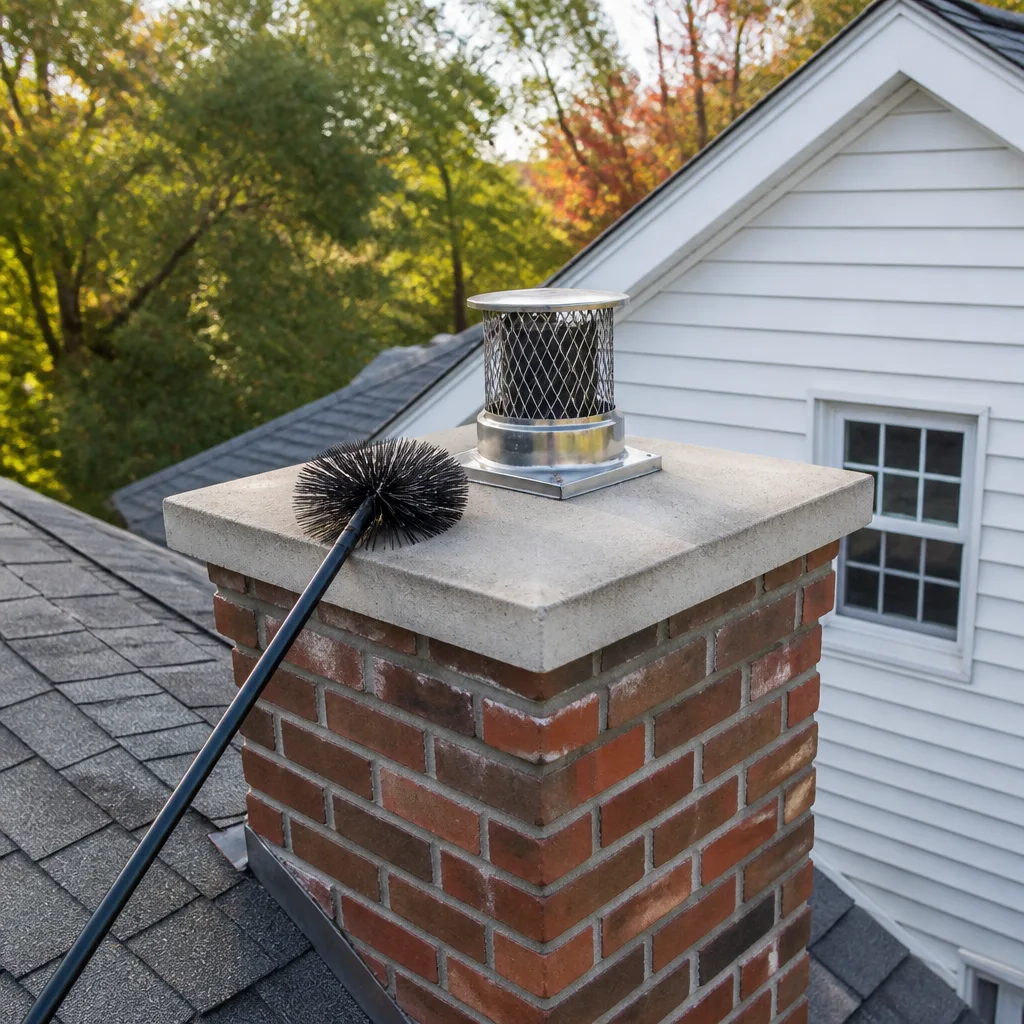 Sweep & inspection
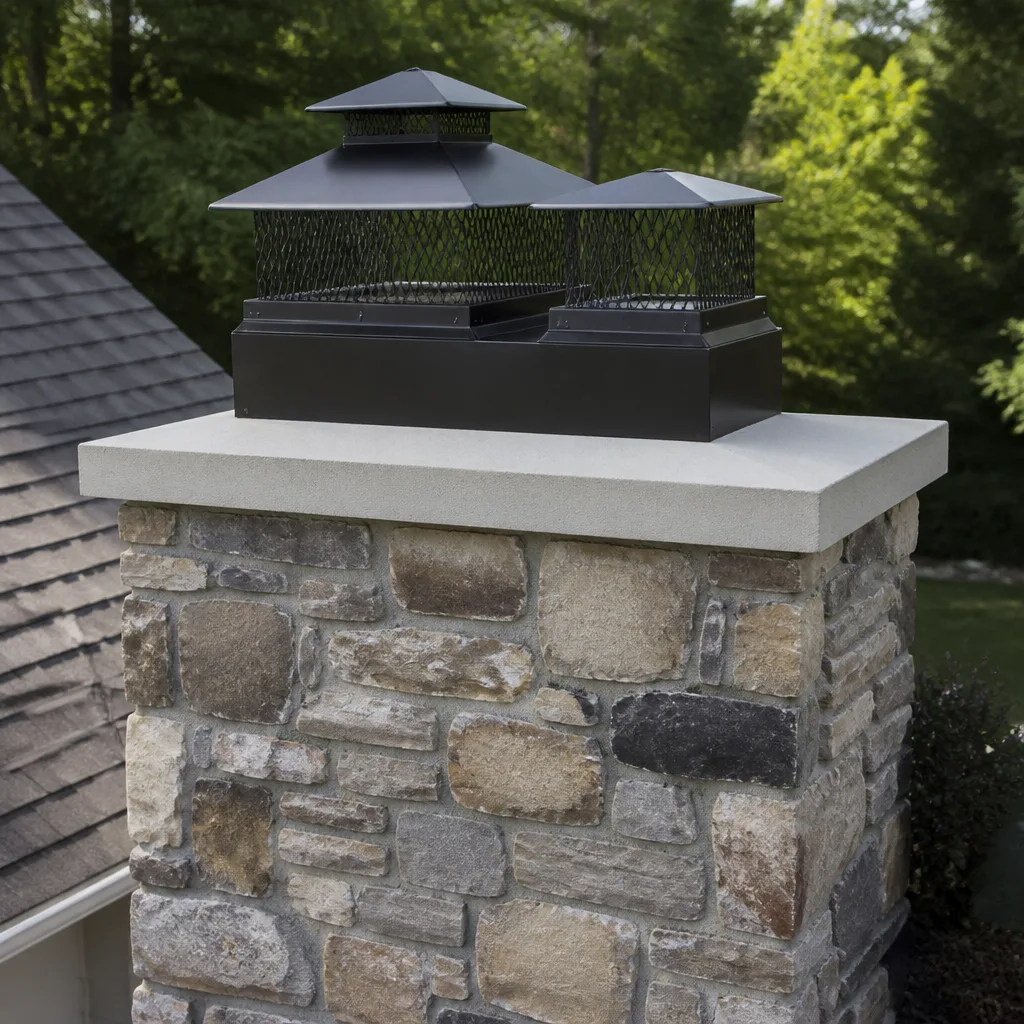 Caps & crowns
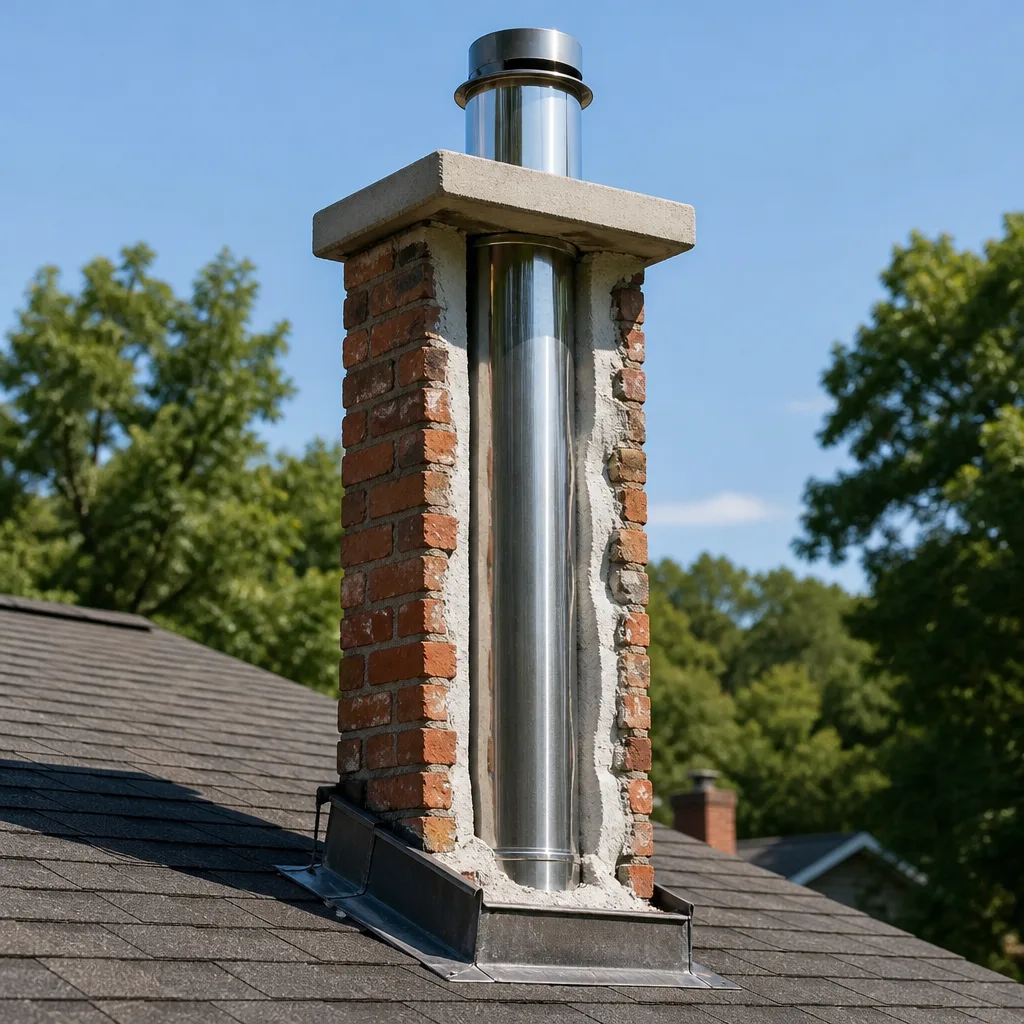 Flue relining
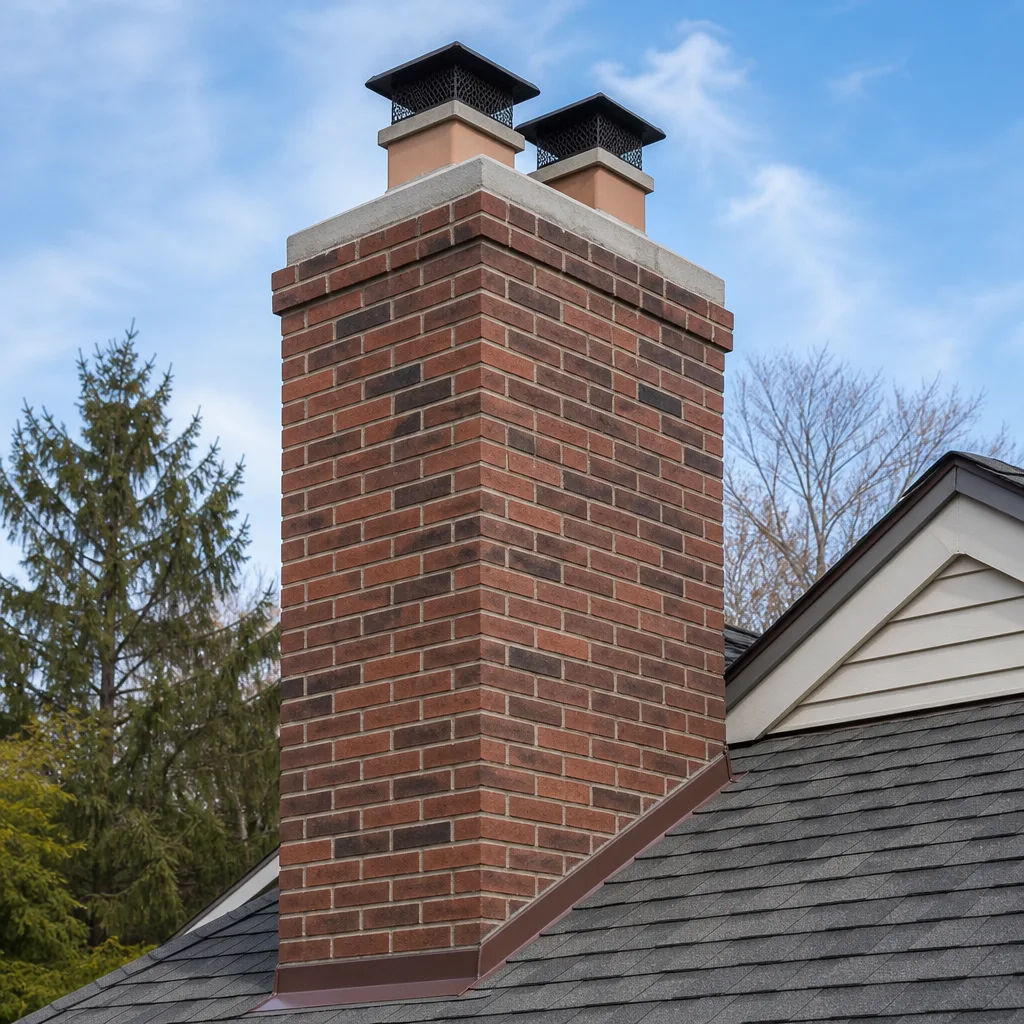 Masonry repair
Level 1 sweep and inspection to the NFPA 211 annual standard - flue, crown, cap, and flashing checked and photographed
Chimney sweep logs do not sweep chimneys. They loosen some creosote - which then falls where a brush and vacuum still have to collect it.
Why Tarzana Homeowners Choose HeatShield Chimney Cleaning
We provide independent HeatShield chimney cleaning, inspection, and repair service throughout Tarzana, and we’ve worked with this particular flue resurfacing product long enough to know exactly where it fails and why. What makes our HeatShield work different is that we treat every liner as a restoration project, not a patch job. If you own a home in Tarzana with a HeatShield liner, whether it was installed recently or a decade ago, this page explains what we see in the field, what actually goes wrong, and how we fix it so it stays fixed. Call (877) 269-3953 to book an estimate.
Tarzana sits in a high fire-severity zone, and plenty of the mid-century ranch homes off Vanalden Avenue and Reseda Boulevard still run original fireplaces with clay-tile flues that were lined years ago. HeatShield is a flue resurfacing product that restores those deteriorated flues, but it isn’t invincible. We are an independent HeatShield service provider, meaning we install, repair, and clean HeatShield-lined chimneys with genuine HeatShield materials, but we’re not authorized by or affiliated with the manufacturer. We say that plainly because homeowners deserve to know exactly who’s standing behind the work.
Ray Montoya, the owner of Chimney Sweep Tarzana, grew up in Tarzana and still lives minutes from Wilbur Avenue. He studied through the HVAC and building systems program at Los Angeles Pierce College in Woodland Hills and spent years doing fireplace and chimney work across the West Valley before starting Chimney Sweep Tarzana in 2014. Ray runs the crew the same way he talks: if the flue’s clean, he’ll tell you. If it’s not, he’ll show you.
Why Trust Chimney Sweep Tarzana for Your HeatShield Chimney Cleaning?
HeatShield isn’t a product you can service correctly by reading a label. The ceramic material has specific mixing requirements, application thickness, and cure times, and if any of those get rushed or ignored, the liner fails early. Our technicians know that because we’ve diagnosed and repaired failed HeatShield applications in Tarzana homes more times than we can count, and we’ve learned what holds up in this climate and what doesn’t.
We use genuine HeatShield materials for liner repairs. That means TherMix and TherCote, applied at the correct ratios and thickness, never generic refractory cement from a supply house. Generic materials don’t bond the same way, don’t expand and contract at the same rate, and create rough surfaces where creosote grabs hold. For a flue in a 1950s or 1960s Tarzana ranch home, that difference matters. Our repair work is warranty-safe because we follow the manufacturer’s application standards, not shortcuts.
Ray learned this trade the long way, through years of fireplace and chimney work before he opened Chimney Sweep Tarzana. That experience shows up in the details, like knowing when a HeatShield liner can be spot-repaired versus when it needs full relining. We’d rather tell a Tarzana homeowner that a liner just needs a good cleaning than sell work that isn’t necessary. That’s the whole point.
Styles & brands we work with
- Sweep & inspection
- Caps & crowns
- Flue relining
- Masonry repair
- Gas fireplace service
Common HeatShield Chimney Cleaning Problems We Fix in Tarzana
- Cracking at the flue collar from seismic movement. Tarzana sits in the San Fernando Valley, and the ground here moves more than most people realize. Hairline fractures at the flue collar, where the liner meets the appliance or the top of the chimney, are one of the most common failure points we see. The ceramic material is rigid, and when the house shifts, the liner can crack at that stress point. A crack at the collar lets flue gases escape where they shouldn’t.
- Spalling and delamination from moisture intrusion. Water is the quiet enemy of every chimney in Tarzana, and HeatShield liners are no exception. When the original clay tiles behind a HeatShield application have hairline cracks, moisture moves through and gets trapped between the old tile and the ceramic coating. Over time, the coating spalls, delaminates, and falls away in chunks. We almost always find the root cause in a missing or cracked crown or a failed chase cover.
- Improperly mixed TherMix that failed early. TherMix has to be mixed to exact proportions and applied at the right thickness. When an installer rushes it, the material sets weak, and the surface stays rough. Rough surfaces hold creosote, and in Tarzana, where fireplaces burn infrequently and creosote glazes hard, that rough surface becomes a fuel bed. We’ve pulled apart liners that looked fine from the top but were crumbling and powdery inside.
- Glazed creosote accumulation on deteriorated liner surfaces. Tarzana’s climate is weird for fireplaces. Hot, dry summers, mild winters, and Spare the Air no-burn days mean wood fires are rare and short. Creosote builds slowly but bakes into a hard, glazed coating that resists standard brushing. On a HeatShield liner with any surface roughness, that glaze bonds even tighter. We use rotary sweeping heads with the right stiffness for ceramic surfaces to remove it without gouging the liner.
- Crown failure letting water behind the HeatShield coating. The chimney crown is the first line of defense against water, and plenty of Tarzana homes still have the original 1960s crown, cracked and spalled from decades of sun and thermal cycling. Once water gets behind a HeatShield liner, the freeze-thaw cycles of our winter nights and warm days push the coating apart. We do crown repair alongside liner work because fixing the liner without fixing the crown is a half fix.
HeatShield Parts & Our Repair-vs-Replace Approach
We don’t stock OEM or genuine HeatShield parts on a shelf, because that’s not how this product works. HeatShield is a mixed-on-site ceramic material, and every repair starts with a clean diagnosis, not a box from inventory. We bring genuine HeatShield materials, like TherMix for structural resurfacing and TherCote for the final ceramic seal, and we mix them fresh for each job. There’s no substitute for that.
When a HeatShield liner shows up damaged during an inspection, the first question we ask is whether repair makes sense or whether the whole liner has reached the end of its life. That decision isn’t a sales pitch. It’s an assessment based on what we find. If the damage is isolated, like a crack at the flue collar or spalling near the crown, we remove the compromised section, remix and reapply genuine HeatShield material, and restore the surface to service. If the coating has failed across large areas or the underlying clay tiles are too far gone, we’ll tell you honestly and walk through the relining options. Sometimes the most cost-effective route is relining with the same product or a newer formulation, and we’ll show you why.
We’ll never recommend a liner replacement without camera evidence you can look at yourself. That’s non-negotiable. Call (877) 269-3953 for a free estimate and we’ll show you exactly what we see.
Our HeatShield Service Process – Step by Step
- 1
Diagnosis with camera inspection. Every HeatShield job in Tarzana starts with a Level 2 inspection when the chimney has changed hands, had an event, or shows signs of trouble. We run a camera through the flue and document every crack, spall, and buildup area. You see the footage. No mystery recommendations.
- 2
Surface preparation or damaged-section removal. If we’re repairing a crack or delaminated area, we remove the compromised HeatShield material down to sound substrate. If we’re cleaning a liner in good shape, we match the sweeping method to the surface condition, rotary for glazed creosote or standard brushing for light soot.
- 3
Application of genuine HeatShield material. For repairs, we mix TherMix to the manufacturer’s exact ratios and apply it at the specified thickness. For a fresh poured liner, the process is the same, mixed on-site and applied over a prepared flue. TherCote goes on as the finishing ceramic coat where the spec calls for it.
- 4
Cure time and testing. HeatShield needs proper cure time, which our climate affects. Hot, dry Tarzana summers cure ceramic faster than the coast, but rush it and the material checks. We don’t rush. After cure, we run the camera again and do a smoke test to confirm the flue drafts properly.
- 5
Documentation and warranty guidance. We document what we did with photos and notes, and we tell you exactly what the work carries. If the chimney needs crown repair to protect the new liner, we’ll fold that into the same visit. Found during your sweep, fixed by the same team.
See the difference
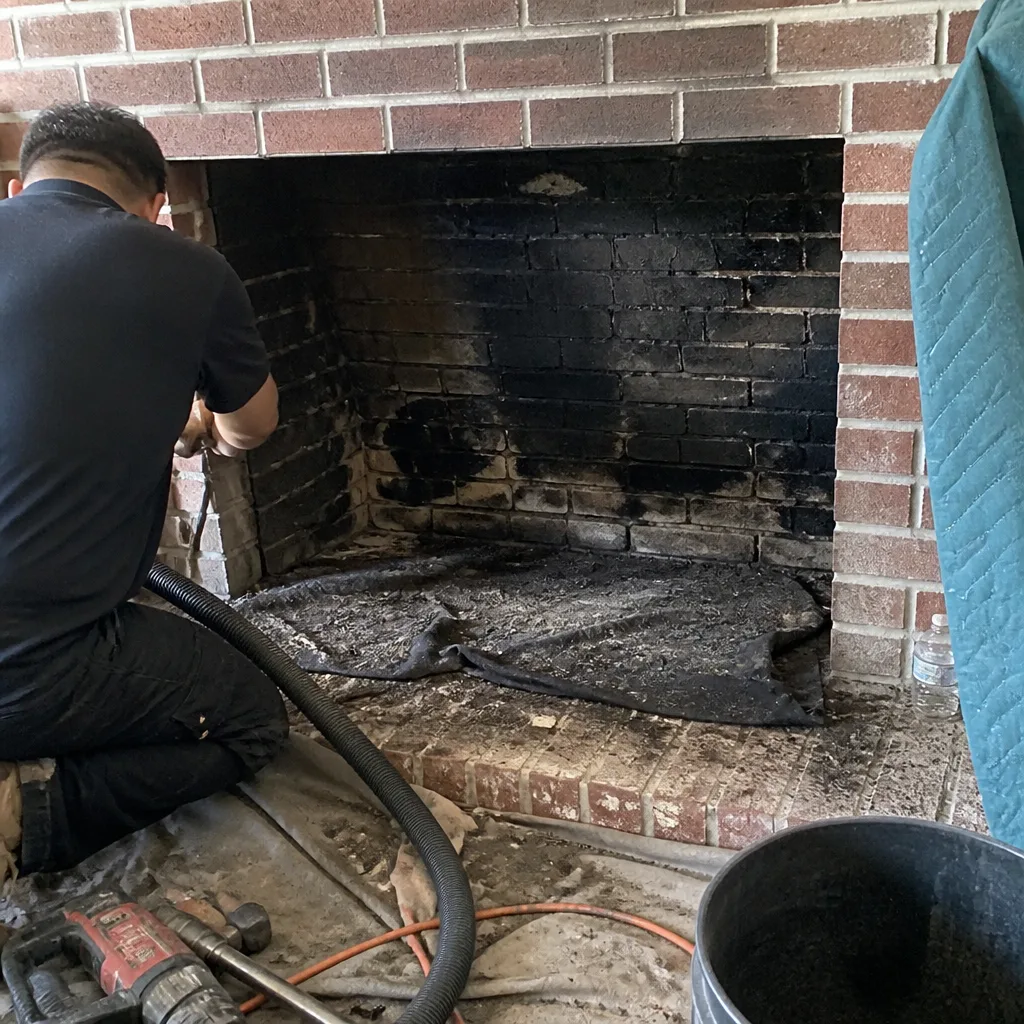 Before
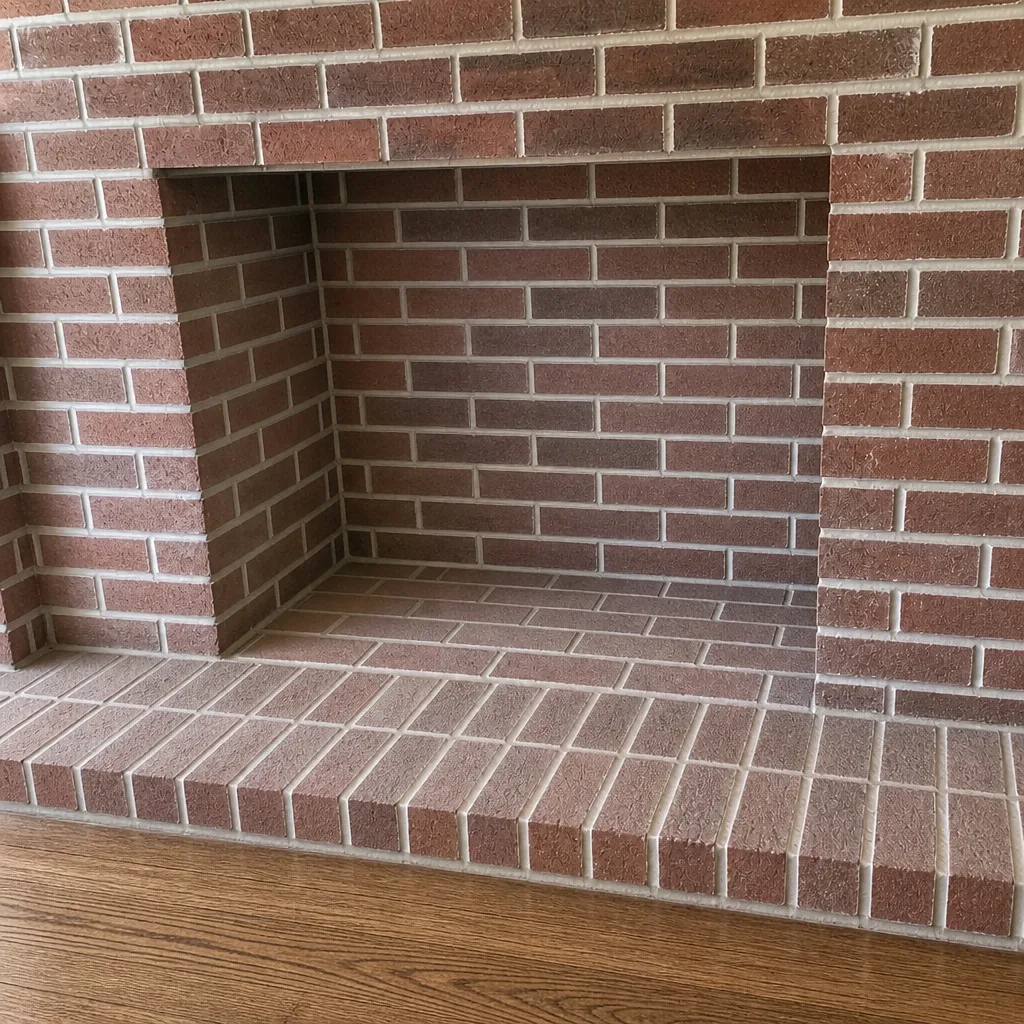 After
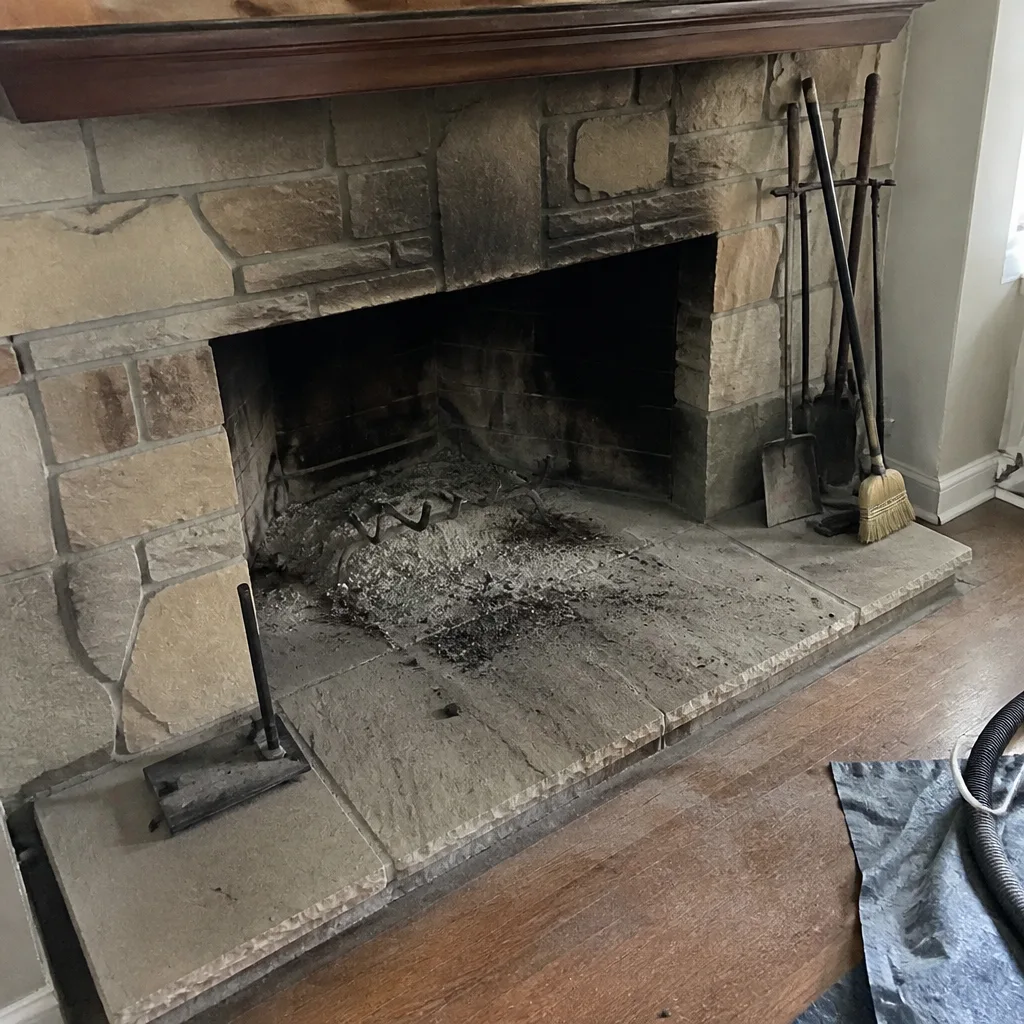 Before
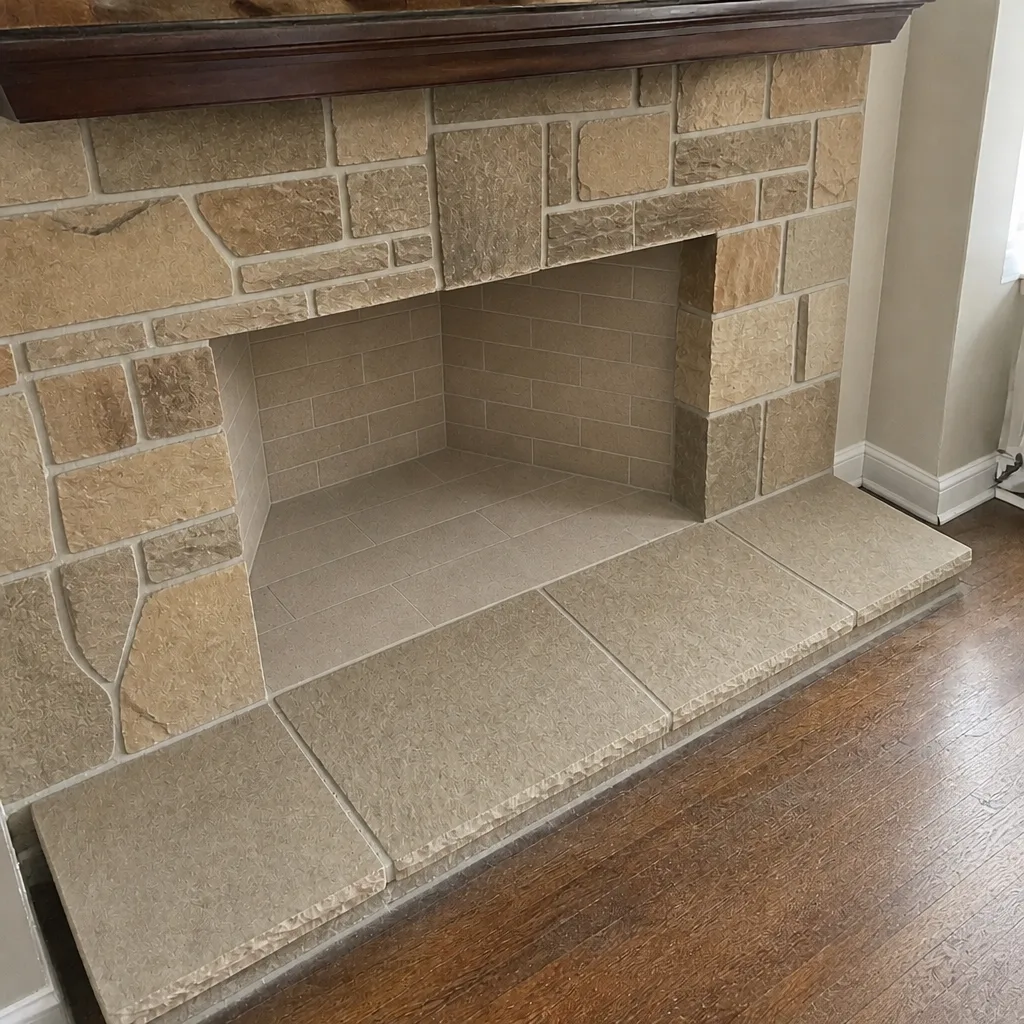 After
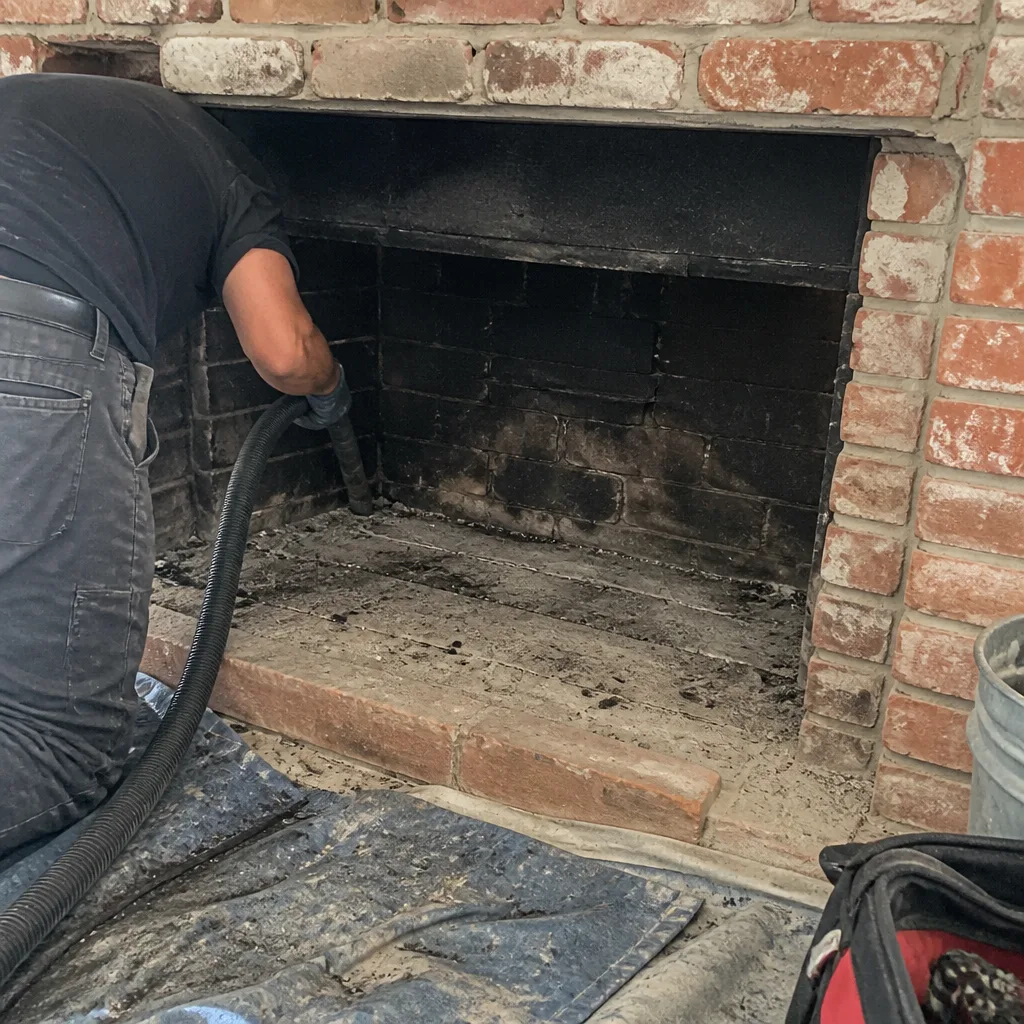 Before
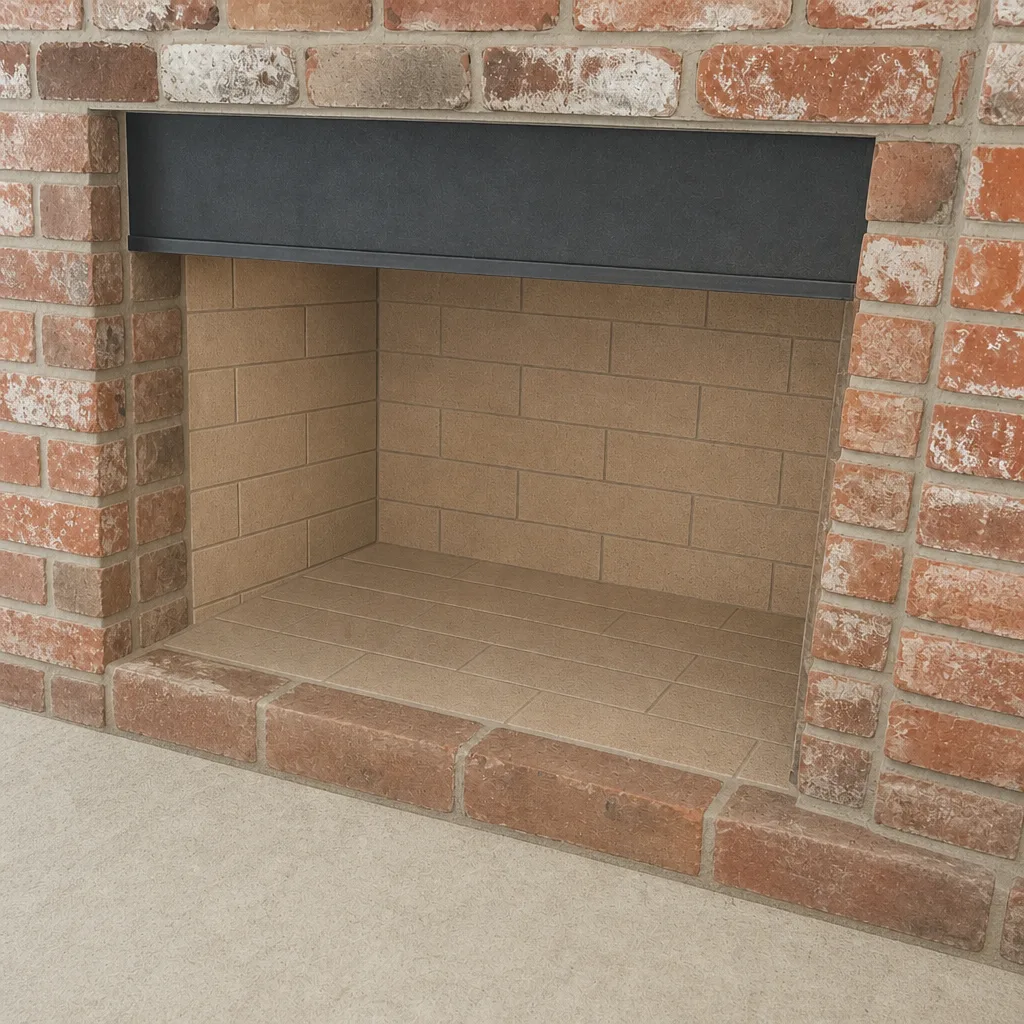 After
HeatShield Products We Service & Install in Tarzana
Our crew works with every HeatShield formulation you’ll find in a Tarzana chimney. TherMix is the structural resurfacing material, used to rebuild a deteriorated flue from the inside. TherCote is the ceramic finish coat that seals the surface and improves draft. HS-2000 is the system we apply to heavily damaged flues that need full restoration. We don’t claim to stock these, because they’re mixed on-site, and we don’t pretend to be a factory store. What we are is an independent chimney service that knows how these products behave in real Tarzana chimneys, from hillside homes off Vanalden Avenue to ranch houses near Wilbur Avenue.
The homes we service in Tarzana were mostly built from the 1950s through the 1970s, and their original clay-tile flues were never designed to last this long. HeatShield gives those chimneys a second life, but only if it’s installed and maintained correctly. That’s the work we do.
We Also Service These Brands
HeatShield is one tool in the box, not the whole box. We also install and service DuraFlex flexible liner systems for stove inserts and fireplace conversions, and we work with Gelco products for chase covers and caps. Being multi-brand means we recommend what actually fits your chimney, not the one product we happen to push. That’s how an independent Tarzana chimney service should operate.
FAQs – HeatShield Chimney Cleaning Service in Tarzana
The short answer is you won’t know without a camera inspection. The signs that point toward trouble are visible spalling or chunks of ceramic in the firebox, a crack at the flue collar you can feel from the top, or persistent draft problems that weren’t there before. In Tarzana, we also look for seismic cracks and water intrusion patterns that are common in the valley. If the damage is localized, we repair it. If it extends across much of the liner, we’ll show you the footage and talk replacement options. Call (877) 269-3953 for a free estimate.
Yes, when it’s done right. HeatShield is a ceramic surface, and aggressive steel brushes can scar it if the liner has already started to soften from moisture. We match the cleaning method to what we see on camera. For light soot, standard poly brushes work fine. For glazed creosote, we use rotary heads with the correct stiffness. The liner gets clean, and it doesn’t get chewed up in the process.
Two reasons, mostly. First, Tarzana sits in the San Fernando Valley, and seismic movement creates stress cracks at the flue collar and along the liner’s weak points. Second, our hot dry summers followed by cool winter nights put every masonry material through thermal cycles that expand and contract the ceramic. When water gets behind the coating through a cracked crown or clay tile, the failure accelerates. We tailor our Tarzana repairs to address both factors, not just patch the visible crack.
Always. We use TherMix for structural resurfacing and TherCote for the ceramic finish coat, mixed on-site at the manufacturer’s ratios. We don’t substitute generic refractory cement, because the proprietary mix and application thickness are what make the product perform. A cheap patch on a HeatShield liner creates a rough surface that grabs creosote and fails early. We’d rather do the job once.
That depends on what the fire did. After any chimney fire, a Level 2 inspection is the minimum. We recently inspected a 1960s ranch home in Tarzana where the homeowner had a HeatShield TherMix liner installed years ago and then had a small chimney fire. We found the liner had cracked at the flue collar and was spalling near the crown. We removed the damaged section, re-mixed and applied new TherMix, and installed a new crown with proper overhang to keep water out. The chimney went back to safe operation. Not every fire-damaged liner can be repaired, but many can, and we’ll tell you straight which way it goes.
HeatShield chimney cleaning in Tarzana is priced per job based on what we find during the inspection and how much buildup the liner has. A standard cleaning of a HeatShield-lined chimney with light creosote is less involved than a glazed liner that needs rotary sweeping, and repairs are quoted separately after the camera inspection. Every estimate is free and every price is set in writing before work begins. Call (877) 269-3953 and we’ll give you an exact number for your chimney.
Book Your HeatShield Service in Tarzana, CA
If you own a home in Tarzana with a HeatShield liner, or you’re not sure what’s inside your flue and want answers, call us. Ray and the crew know this product, this climate, and this neighborhood. Call (877) 269-3953. We answer 24/7. Fast dispatch from 7am to 7pm, Sunday through Friday.
Written by Ray Montoya, Owner at Chimney Sweep Tarzana, serving Tarzana since 2014.