
Last updated November 4, 2026
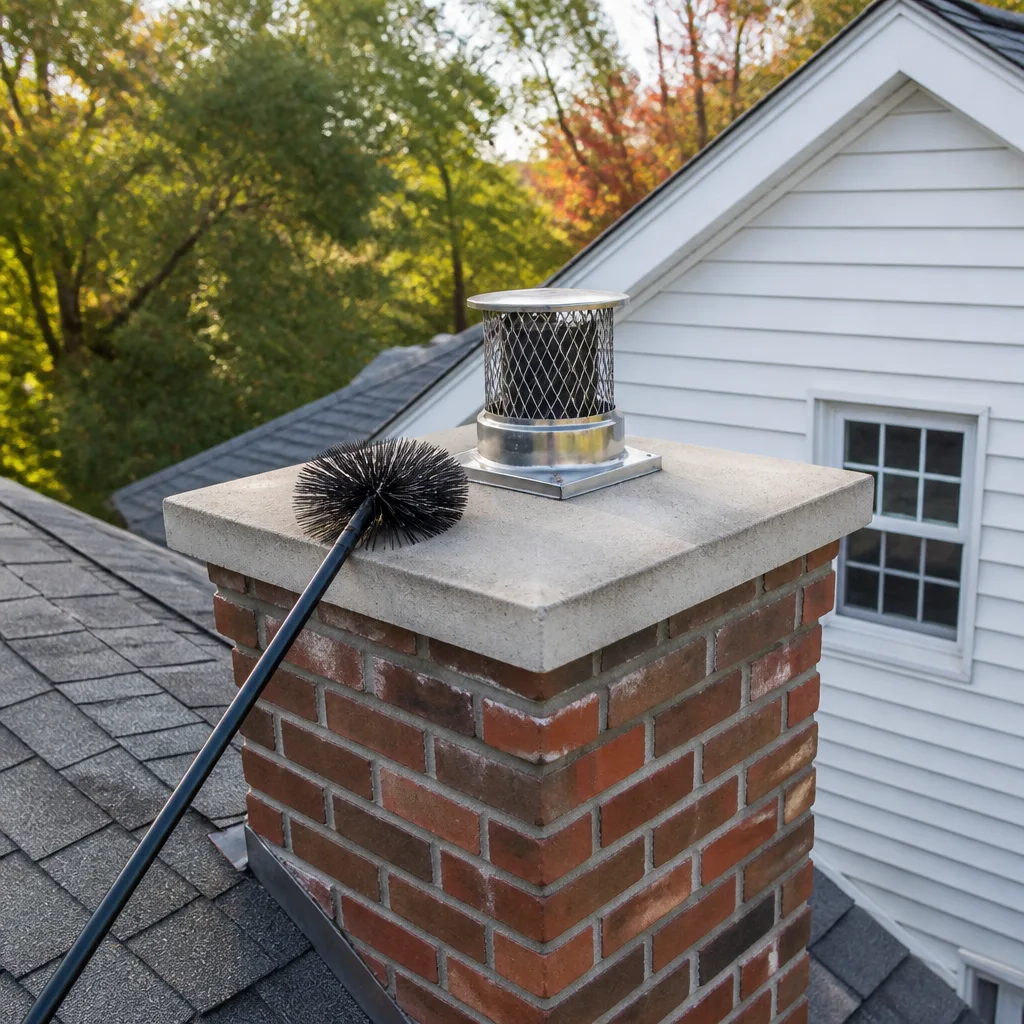 Sweep & inspection
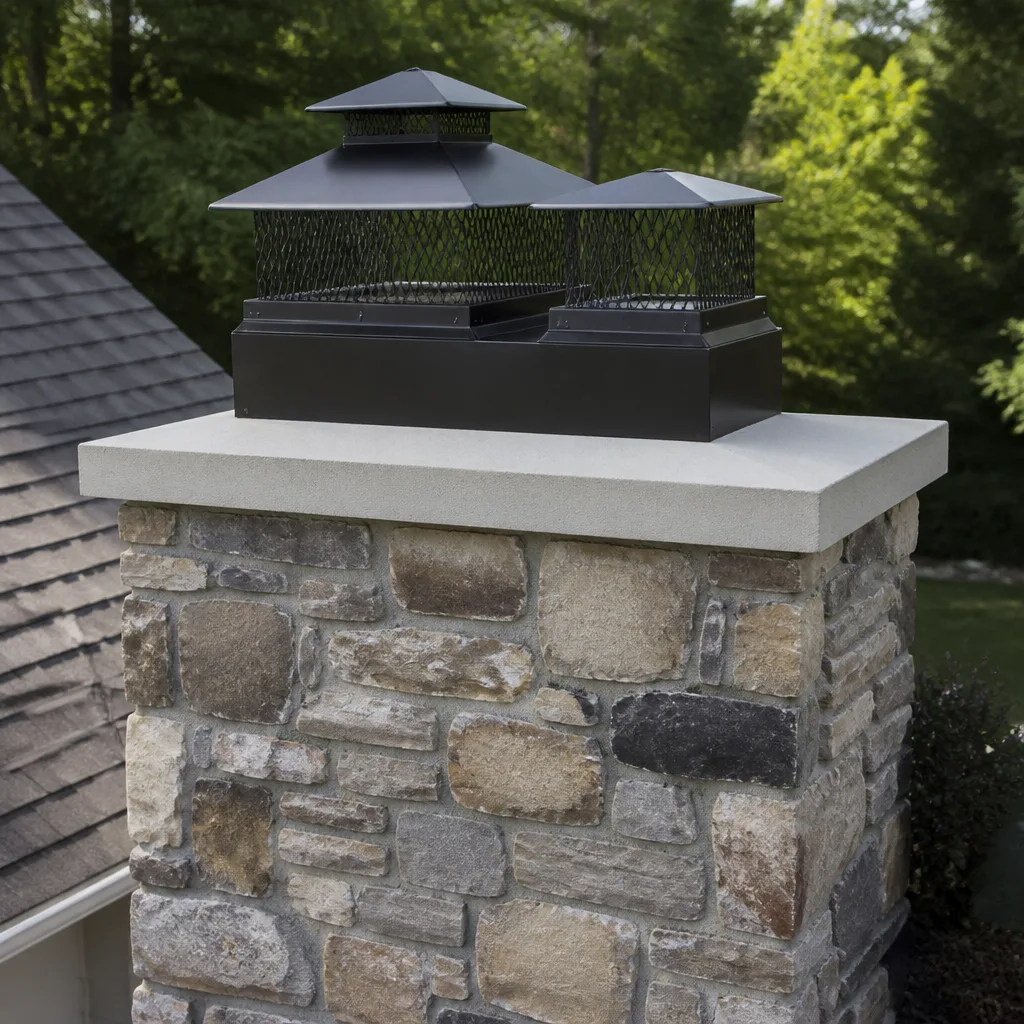 Caps & crowns
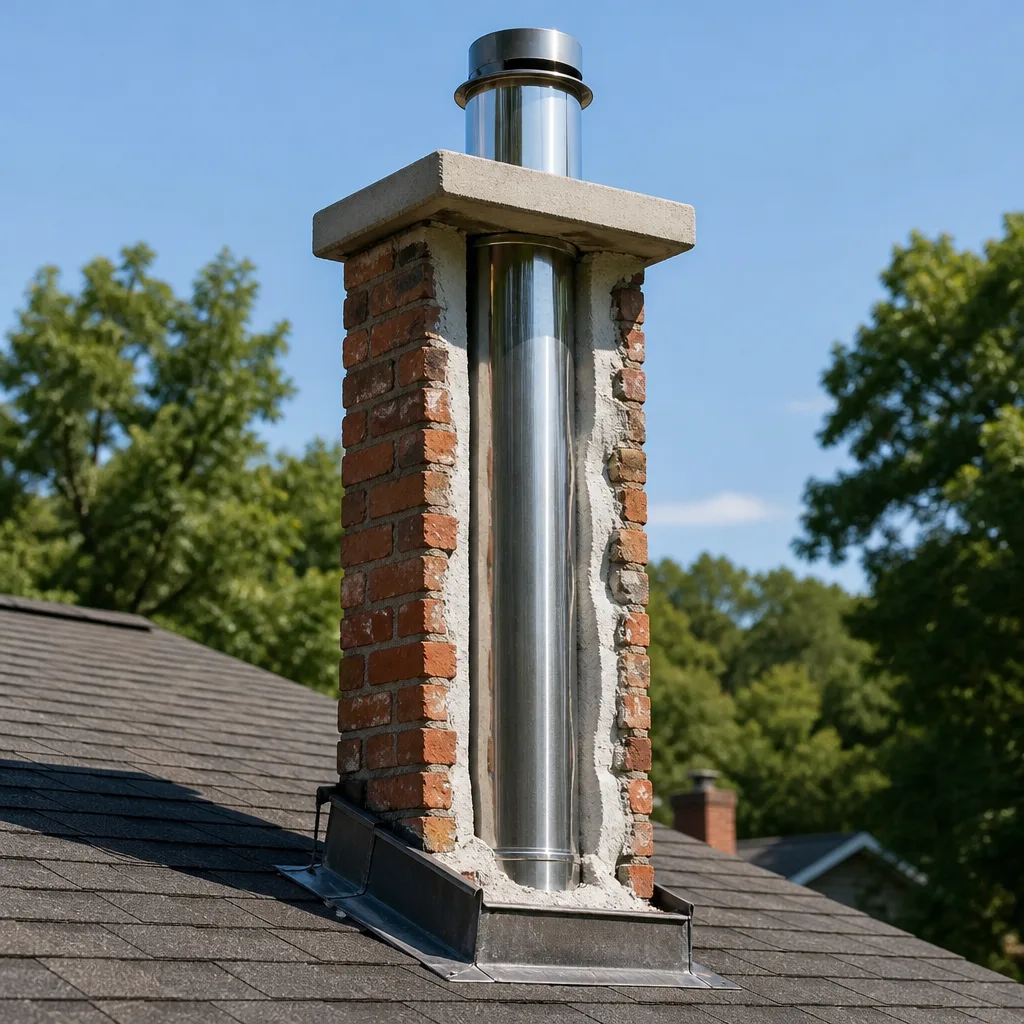 Flue relining
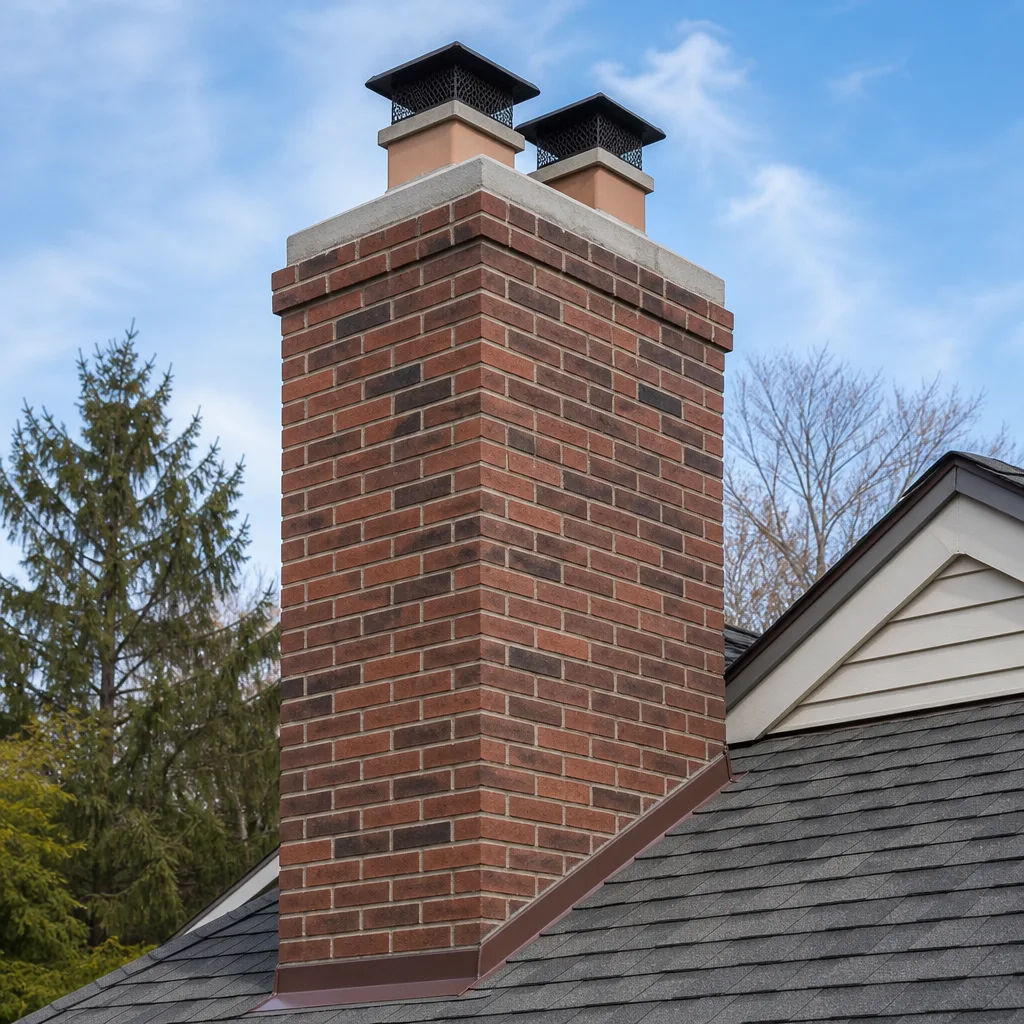 Masonry repair
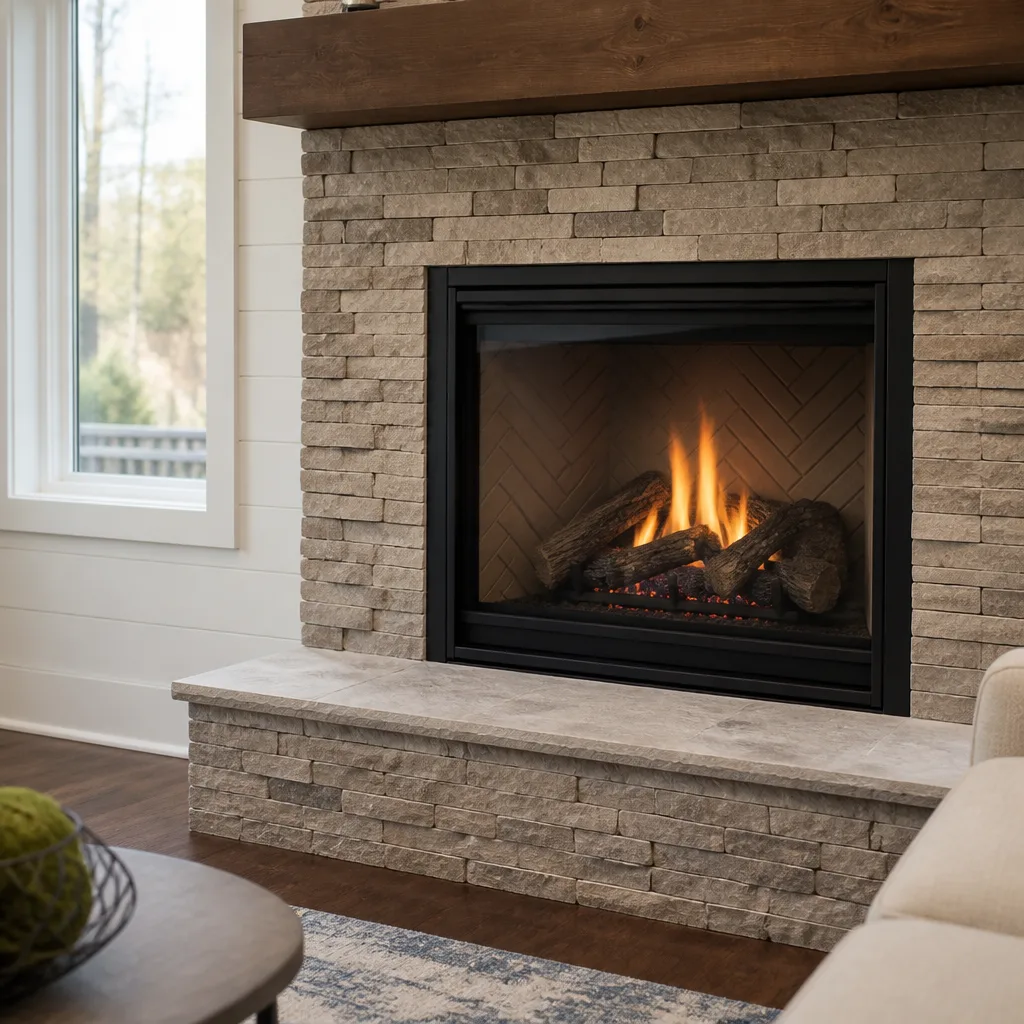 Gas fireplace service
Level 1 sweep and inspection to the NFPA 211 annual standard - flue, crown, cap, and flashing checked and photographed
Chimney sweep logs do not sweep chimneys. They loosen some creosote - which then falls where a brush and vacuum still have to collect it.
The Complete Guide to Chimney Cleaning in Tarzana
Most Tarzana homeowners burn fewer than 15 fires a year, a pattern that sounds like it should keep a chimney clean but actually does the opposite. Short, occasional fires in mild Southern California weather rarely get hot enough to push combustion byproducts fully up and out of the flue. Instead, those byproducts condense on the cooler flue walls and harden into a dense, glazed form of creosote that is harder to remove and more flammable than the fluffy black soot that dominates cold-climate chimney guides. This guide explains why Tarzana fireplaces develop this specific creosote pattern, how it changes what a proper cleaning should involve, and when cleaning alone is not enough to make a fireplace safe.
Styles & brands we work with
- Sweep & inspection
- Caps & crowns
- Flue relining
- Masonry repair
- Gas fireplace service
Quick Answer
Chimney cleaning in Tarzana typically involves removing creosote, soot, and debris from the flue using rotary or hand-brushing equipment, followed by an inspection for cracks, blockages, and liner deterioration. Because the region’s mild winters encourage low-frequency burning, tar-like Stage 2 creosote forms more readily than the loose soot found in colder climates, so the job often takes longer and requires mechanical removal rather than a quick brushing. Annual inspection and cleaning when buildup reaches 1/8 inch is the standard recommendation; a chimney sweep is the professional who performs this work.
Table of Contents
- Why Tarzana Fireplaces Behave Differently
- What Creosote Actually Is
- How Often Should a Chimney Be Cleaned in Tarzana?
- What a Full-Service Chimney Cleaning Includes
- NFPA 211 Inspection Levels Explained
- Red Flags That Cleaning Alone Won’t Fix
- The Dryer Vent Connection
- Common Mistakes to Avoid
- When to Call a Professional
- Frequently Asked Questions
- The Bottom Line
Why Tarzana Fireplaces Behave Differently
The San Fernando Valley climate shapes how fireplaces accumulate deposits, and it works against the assumptions most homeowners bring from other parts of the country. In regions with hard winters, people build long, hot fires nearly every evening from October through March. Those fires sustain high flue temperatures that burn off a good portion of the volatile compounds in wood smoke before they can condense. The residual deposit tends to be dry, flaky soot that a stiff brush can knock loose with relative ease.
Tarzana is different. Winters here are mild, and fireplaces see intermittent use, often an hour or two on a cool evening or a weekend morning, sometimes weeks apart. Each fire starts from a cold system, meaning the flue stays relatively cool for much of the burn. Wood smoke carries unburned volatiles upward, but as they touch the cooler flue walls they condense into a liquid that eventually hardens. With repeated short burns, that material builds layer upon layer and becomes a shiny, tar-like substance that adheres strongly to the flue surface. This is Stage 2 creosote, and it is the form chimney professionals in Southern California deal with more than any other.
The practical takeaway is that a cleaning in this climate often cannot rely on hand brushing alone. Glazed creosote requires mechanical removal, usually with a rotary system fitted with chains or specialized whips that break the hardened deposits free without damaging the liner. A sweep who expects only loose soot based on a cold-climate checklist will under-clean the system and leave a genuine fire hazard in place.
What Creosote Actually Is
Creosote forms in three stages, and understanding the difference matters because each stage requires a different removal approach and poses a different level of risk. The stages are defined by physical characteristics rather than precise chemical boundaries.
Stage 1: A fine, powdery or flaky black dust that accumulates on flue walls. It brushes off relatively easily. In a cold-climate home with daily hot fires, this may be the primary deposit. In Tarzana it is usually just the outermost layer covering something worse.
Stage 2: Shiny black flakes or a crumbly, granular coating that no longer brushes away with light pressure. Stage 2 is combustible and feeds chimney fires. It is the most common form found in Tarzana chimneys because low-frequency, cool-burning fires produce exactly the conditions for it. Rotary cleaning equipment is usually needed to remove it thoroughly.
Stage 3: A hard, glazed, tar-like coating often several inches thick in severe cases. Stage 3 creosote can sag or drip when heated and burns at very high temperatures. Removing it may require chemical treatments followed by aggressive mechanical cleaning, and in some cases the lining is so compromised that repair or relining is the only safe option.
- Stage 1 appears after only a few cool fires.
- Stage 2 develops as layers of Stage 1 bake and compress under repeated heating and cooling.
- Stage 3 forms when Stage 2 is left in place and re-exposed to heat, condensing further into a dense, gummy residue.
The reason this matters in Tarzana comes down to fire frequency. A fireplace used daily develops enough flue heat to periodically burn away some Stage 1 material before it compresses. A fireplace used sparingly never reaches that self-cleaning temperature range, so each new fire adds another layer on top of the last, and the entire mass compresses into Stage 2 or Stage 3. The message for local homeowners is straightforward: low usage does not mean low risk. It often means the opposite.
How Often Should a Chimney Be Cleaned in Tarzana?
The National Fire Protection Association’s NFPA 211 standard says chimneys, fireplaces, and vents should be inspected at least once a year and cleaned when the inspector finds 1/8 inch or more of deposit. A quarter inch of creosote is not a pass threshold, it is a cleaning trigger, and by the time buildup reaches that level in a low-use fireplace, it is often dense Stage 2 material rather than light dust.
For a Tarzana home, the simple rule of thumb is one annual inspection and cleaning every 1 to 2 years depending on usage patterns. Several factors push that timeline shorter or longer:
- Wood quality: Unseasoned or resinous wood produces more smoke and more creosote per fire. Eucalyptus, common in Southern California landscaping, tends to burn hot but can generate heavy deposits if not properly seasoned.
- Fireplace type: Open masonry fireplaces draw large volumes of air and cool the flue quickly. Factory-built or insert systems with controlled air supplies tend to run cleaner but still need inspection.
- Frequency: Even a dozen fires a year is enough to require an annual look if wood is not perfectly dry.
- Prior condition: A flue that previously had Stage 2 buildup, even after cleaning, often re-accumulates faster because residual tars remain embedded in the masonry or metal surface.
Chimney Sweep Tarzana works with homeowners throughout Tarzana and the surrounding San Fernando Valley, and the pattern we describe here repeats consistently: people who think their fireplace is fine because they rarely use it are often the ones whose chimneys need the most work. The inspection is the unskippable part. Cleaning follows when the evidence calls for it.
What a Full-Service Chimney Cleaning Includes
A proper chimney cleaning is not just running a brush up a flue. It is a sequential process that clears the system, then evaluates what the removal exposed. Here is the step-by-step of what a full-service sweep should include in a Tarzana home.
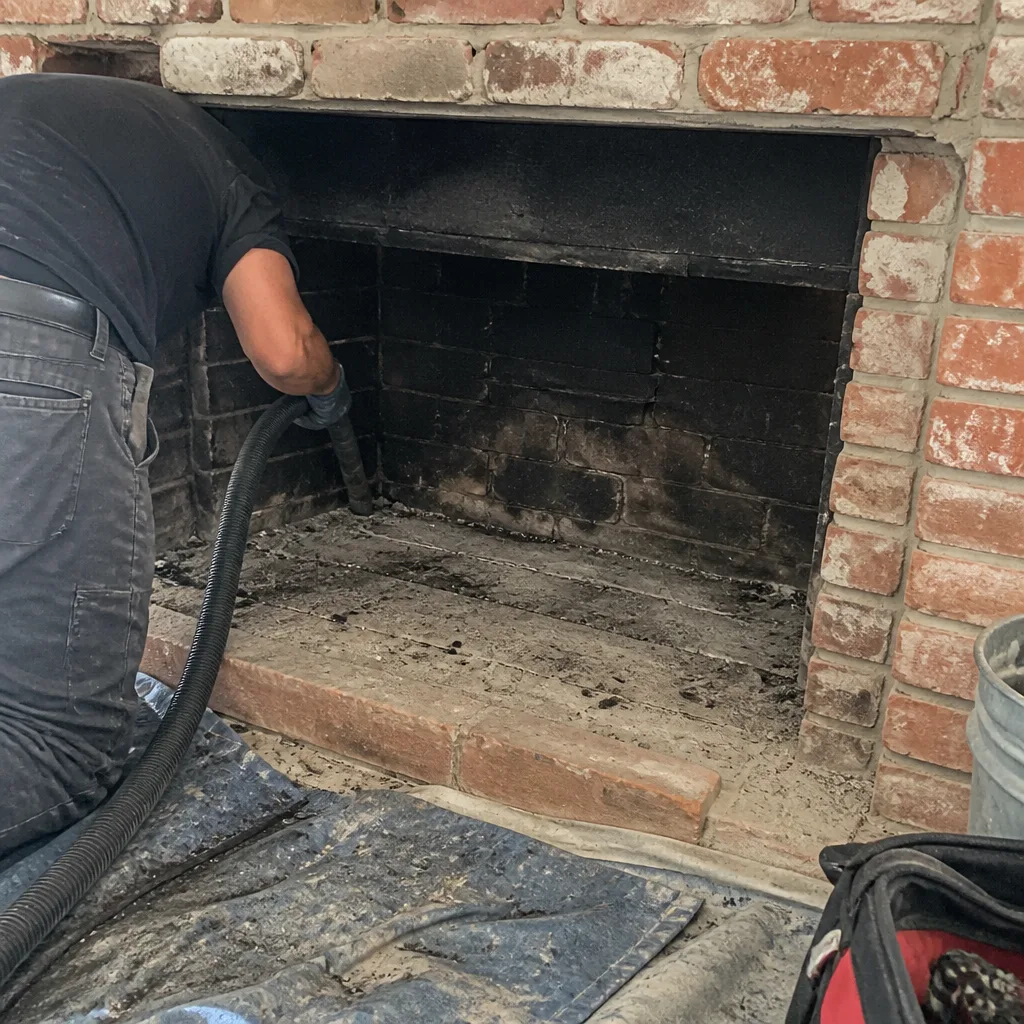
- Floor and hearth protection: Drop cloths cover the hearth and surrounding floor. An industrial vacuum with a HEPA filter runs continuously to capture dust at the fireplace opening.
- System inspection before cleaning: A visual check of the firebox, damper, smoke chamber, flue, and exterior chimney crown and cap. This preliminary pass identifies whether the flue is safe to clean or whether damage must be handled first.
- Mechanical or manual sweeping: For Stage 1 deposits, hand brushing may suffice. For the Stage 2 glazed material common in Tarzana, a rotary cleaning system with chains or polymer whips runs the full length of the flue from top to bottom, breaking deposits free and carrying them down to the vacuum point.
- Smoke chamber and damper cleaning: These upstream areas collect debris brushed from the flue and have their own accumulation from smoke turbulence. They must be cleaned separately.
- Post-cleaning inspection: After the flue is clear, a full inspection looks at the liner, mortar joints, flashing, crown, and cap. This step catches hidden cracks and gaps that no amount of cleaning solves.
- Report and recommendations: You should receive a clear account of what was found, what was cleaned, and what, if anything, needs repair or lining work before the fireplace is safe to use.
For homes with a wood-burning fireplace that shows evidence of moisture entry or liner wear, we often pair the cleaning with recommendations for repair. Because Chimney Sweep Tarzana performs chimney repair in-house, conditions found during your sweep can be corrected by the same team rather than referred to a different contractor. We phrase it simply: found during your sweep, fixed by the same team.
One thing to be clear about: a sweep is not a liner restoration. If the post-cleaning inspection shows cracked flue tiles, missing mortar, or deteriorated metal, cleaning alone leaves the system unsafe. The correct next step is repair or relining, and that is where professional-grade materials make a measurable difference. We stock and install DuraFlex flexible liner systems and HeatShield ceramic flue resurfacing, two options designed for long-term flue restoration rather than temporary patching. In cases where a stove insert or oil appliance needs a new liner path, a DuraFlex system provides the continuous, insulated run that a clay tile flue cannot.
NFPA 211 Inspection Levels Explained
One of the most common points of confusion in chimney work is the difference between the three inspection levels defined in NFPA 211. These levels are not interchangeable; they represent escalating levels of scrutiny, and knowing which one applies to your situation helps you understand what a sweep is actually doing and why some inspections are more involved than others.
Level 1: Routine Inspection
A Level 1 inspection is the default for a chimney that has not changed since its last inspection and is used under the same conditions. The inspector examines the readily accessible portions of the system: the firebox, damper, smoke chamber, and the interior and exterior of the flue where visible without special tools. No roof removal, no hidden-access work, no demolition. If the chimney is due for annual maintenance and nothing has changed, Level 1 is appropriate.
Level 2: Changed Conditions or Property Transfer
A Level 2 inspection applies when the system has changed. That includes a new appliance, a fuel type conversion, a masonry or chimney repair, a chimney fire, a change in ownership, or a home purchase. The inspector uses video scanning equipment to examine the flue interior along its entire length, plus accessible exterior points. In Tarzana real estate transactions, a Level 2 chimney inspection is the standard that home inspectors and insurance carriers expect. If you recently bought a home here and have not had the chimney camera-scanned, you have not had the right inspection for a property transfer.
Level 3: Hidden Damage Investigation
A Level 3 inspection is required when Level 1 or Level 2 findings suggest hidden damage that requires access beyond normal openings. This may involve removing components of the chimney or adjacent structure: opening a wall, removing drywall, or taking down part of a chase. Level 3 inspections are rare and typically follow a chimney fire or a documented structural concern. The goal is to reach the concealed areas and document the true extent of damage before repair planning.
For most Tarzana homeowners, the practical reality is that a Level 1 inspection at your first visit often reveals enough to recommend a Level 2 camera scan if the flue has never been scanned or the home recently changed hands. Camera inspection with photo report is part of our standard equipment on any visit where questions about liner condition exist.
Red Flags That Cleaning Alone Won’t Fix
Cleaning removes deposits. It does not repair damage. When a sweep finds structural or material problems, continuing to use the fireplace is a decision you should make with full information. These are the findings that mean cleaning alone is not the answer.
- Cracked or spalled flue tiles: Clay tiles crack from thermal stress, and the gaps let heat, gas, and creosote reach the surrounding masonry. Cracked tiles are not a cleaning issue. They require repair or relining.
- Missing or deteriorated mortar joints: Gaps between flue tiles break the continuity of the flue and allow byproducts into the chimney structure. Repointing may help, but only if the tiles themselves are intact.
- Water staining or moisture damage on the interior flue: Water entry accelerates liner deterioration and can cause masonry to crumble from inside. A chimney cap, crown repair, or flashing work may be needed before the system is dry enough to use safely.
- Rusted or perforated metal liner: Modern factory-built fireplace liners can corrode over time, especially with the temperature cycles a low-use Tarzana fireplace sees. A rusted-through liner is a replacement job, not a sweep job.
- Damaged or missing chimney cap: An open flue is an entry point for rain, birds, and debris. A masonry chimney without a cap is also a spark hazard in dry conditions.
- Failed crown or flashing: These are roof-level issues that a sweep is positioned to spot but that require masonry or roofing repair to correct.
When we find problems like these in a Tarzana home, we document them with photos and camera footage. The homeowner should see the evidence themselves, not take anyone’s word that a liner is cracked. We use HeatShield ceramic flue resurfacing when a clay liner has deteriorated but the structure is salvageable, which avoids the cost and disruption of a full rebuild. When the situation calls for a complete liner replacement, DuraFlex systems install as a continuous, insulated flue that meets modern safety requirements. The right material depends on the specific damage, and that decision comes after the evidence is on the table.
The Dryer Vent Connection
Two household vent systems account for a large share of preventable fire risk in any home: the chimney and the dryer vent. Both accumulate deposits that ignite under the right conditions. For a Tarzana homeowner, handling both in a single visit makes sense because they share the same failure pattern, quiet, gradual buildup that goes unnoticed until something goes wrong.
Dryer vent cleaning is a service most chimney-only companies do not offer, but it belongs in the same conversation. A dryer vent clogs with lint over months and years, reducing airflow, extending dry times, and creating a fuel source inside the duct. The vent becomes a fire risk, and the appliance works harder, which shortens its life. When our team is already at a home for a chimney sweep, adding the dryer vent to the visit is efficient for the homeowner and thorough for the house.
For homes with a wood-burning fireplace and a clothes dryer, the phrase that captures the bundle is simple: two fire hazards, one specialist. Both systems get cleaned, inspected, and cleared in one visit, and the homeowner leaves with a clear picture of both vent pathways rather than a half-completed prevention checklist. If a home inspector or insurance carrier has flagged either system, addressing both at once often resolves the citation faster and with a single service call instead of two separate contractors.
Common Mistakes to Avoid
- Assuming low usage means no cleaning needed. In Tarzana, infrequent fires generate dense creosote because the flue never gets hot enough to burn off volatiles. Low usage is a risk factor, not a pass.
- Burning unseasoned or construction lumber. Wood with high moisture content or treatment chemicals creates heavy smoke and deposits far beyond what seasoned cordwood produces. Never burn painted or treated wood.
- Skipping the post-cleaning inspection. A brush removes deposits but does not reveal cracked tiles or failed mortar. Without an inspection, critical structural problems go undetected until they are dangerous.
- Treating a chimney fire as a one-time scare with no follow-up. Any chimney fire, even a small one that went out on its own, changes the flue condition and requires a Level 2 inspection before further use.
- Putting off liner repair after the issue is documented. A cracked liner does not self-heal. Continued use worsens the damage and increases the eventual repair cost. Built to last, not patched to pass.
- Using the fireplace while the damper is partially obstructed or rusted. A failing damper blocks proper draft, forcing smoke back into the room and concentrating creosote in the smoke chamber.
- Hiring separate contractors for chimney and dryer vent work when a full-service specialist covers both. Two visits, two scheduling windows, two companies, one household. Bundling vents saves time and gets both fire hazards documented in one report.
When to Call a Professional
Call a professional when you see black, shiny buildup on the flue walls you can reach, when you smell a strong campfire odor even with the damper closed, when your fireplace produces excessive smoke despite an open damper, or when a home inspector or insurance carrier has raised any chimney concern. You should also call after any chimney fire, no matter how small, and after buying a home in Tarzana where no prior chimney records are available. Chimney Sweep Tarzana offers free estimates in Tarzana. Call (877) 269-3953. We answer 24/7. Fast dispatch from 7am to 7pm, Sunday through Friday.
Frequently Asked Questions
Chimney cleaning costs in Tarzana vary by flue type, creosote stage, and access difficulty, and the written estimate we provide after inspecting the system is the final word on price. A routine Level 1 sweep on a masonry fireplace with Stage 1 deposits falls at the lower end of the range, while a rotary cleaning for Stage 2 glazed creosote, a two-story access, or a combined chimney and dryer vent visit moves higher. The estimate is free. Call (877) 269-3953 for an exact quote.
Inspect annually and clean when the buildup reaches 1/8 inch, which for most Tarzana households means every 1 to 2 years. Mild winters produce intermittent burning, and intermittent burning produces dense Stage 2 creosote faster than most homeowners expect. If you are unsure, schedule an inspection and let the camera tell you what is there.
Only if the current liner is cracked, spalled, rusted through, or otherwise unable to contain heat and combustion byproducts. A camera inspection is the only honest way to make that determination, and the recommendation should be based on footage you can see yourself. If the masonry is sound but the flue tiles are deteriorating, HeatShield resurfacing may restore the liner without a full rebuild. If the damage is too extensive, a DuraFlex system replaces the flue path with a continuous, insulated liner. Call (877) 269-3953 to schedule a camera inspection and a free estimate.
Creosote accumulates and compresses into a dense, flammable coating that can ignite as a chimney fire reaching temperatures that crack flue tiles, warp metal liners, and spread heat to surrounding framing. Even without a chimney fire, a blocked or restricted flue can push carbon monoxide back into the living space. The risk rises when buildup is dense and the fires are infrequent, the exact pattern we see in Tarzana homes.
Chimney cleaning is not a safe DIY project for a homeowner without experience, professional equipment, and working-at-height training. The work involves roof access, specialized brushes or rotary systems, and particulate containment. It also requires a post-cleaning inspection to verify that what looked like a clean flue actually is one. A professional sweep does both jobs in a single visit and documents what was found.
Because both systems accumulate flammable deposits and both need periodic mechanical cleaning and inspection. Lint buildup in a dryer vent behaves like creosote in a chimney: it restricts airflow, raises temperatures, and becomes fuel. A chimney-only company cleans half the fire-hazard flues in a home. We cover both in one visit so the house is documented and the homeowner does not need to coordinate two contractors.
The Bottom Line
Chimney cleaning in Tarzana is a different job than it is in cold-climate regions because the burning habits are different. Short, occasional fires create dense creosote that requires mechanical removal and careful inspection, and low usage is not a reason to skip the service. A proper sweep is a two-part job: removing deposits, then examining what the removal revealed. When the examination shows liner damage or structural problems, cleaning alone is not a fix. Chimney Sweep Tarzana stocks and installs DuraFlex, HeatShield, and other professional-grade systems so that what we find can be repaired without handing the job to another company. The right time to act is before the buildup reaches a dangerous threshold, not after a chimney fire makes the problem obvious. Call (877) 269-3953 for a free estimate. We answer 24/7. Fast dispatch from 7am to 7pm, Sunday through Friday.
Written by the team at Chimney Sweep Tarzana, serving Tarzana since 2014.
See the difference
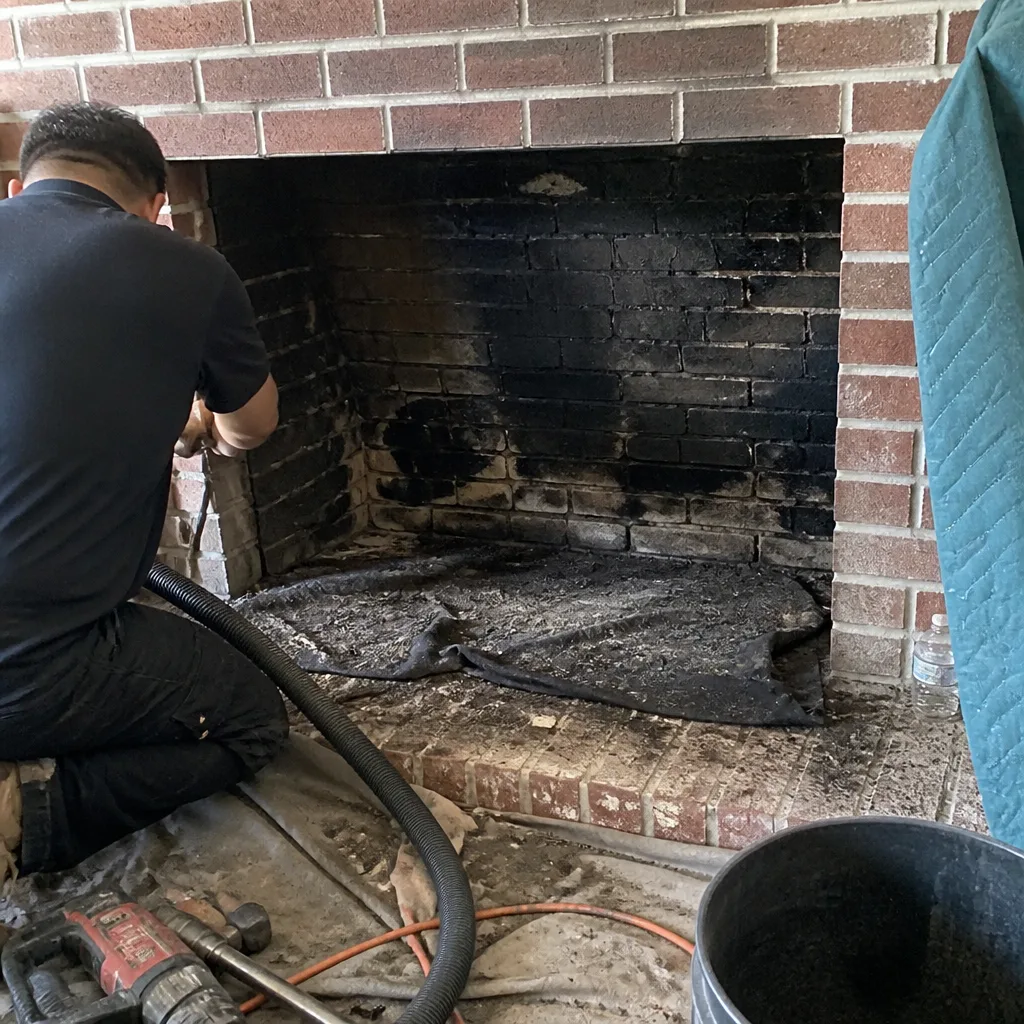 Before
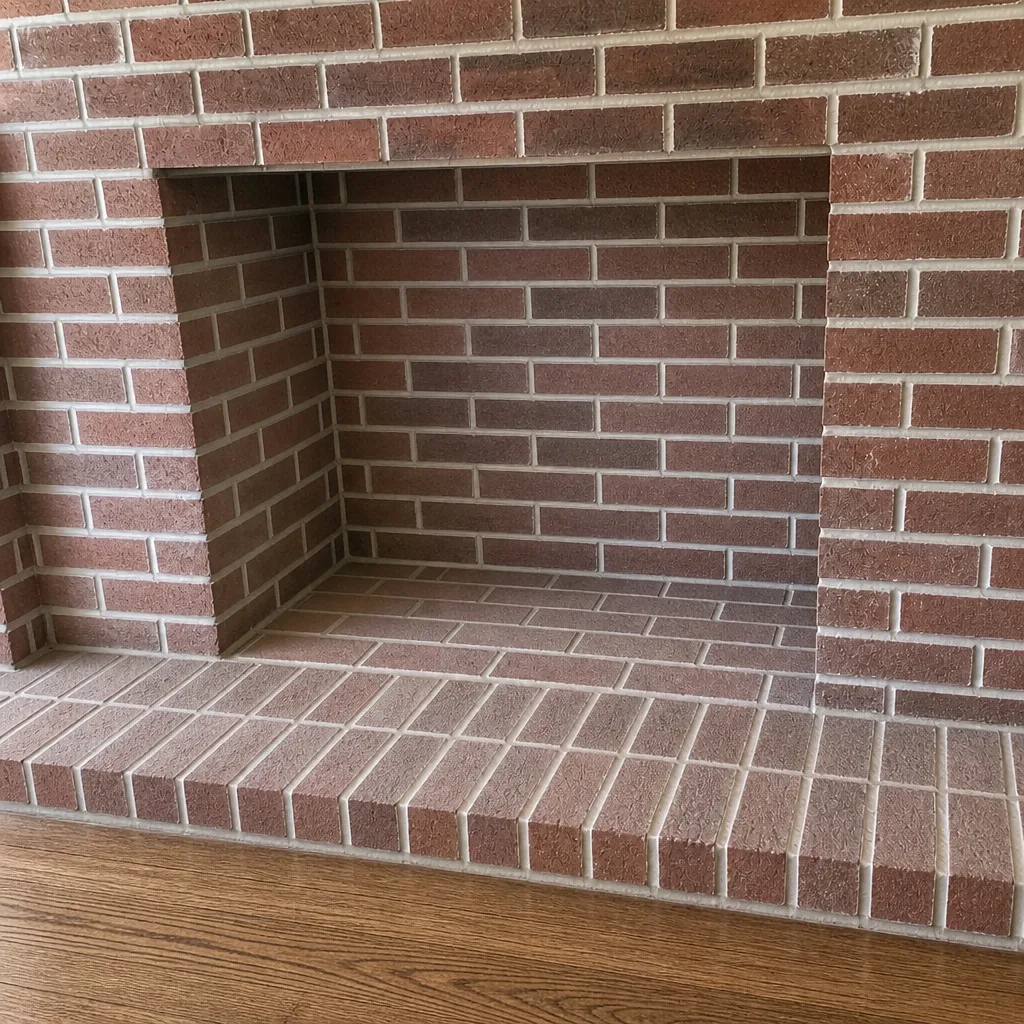 After
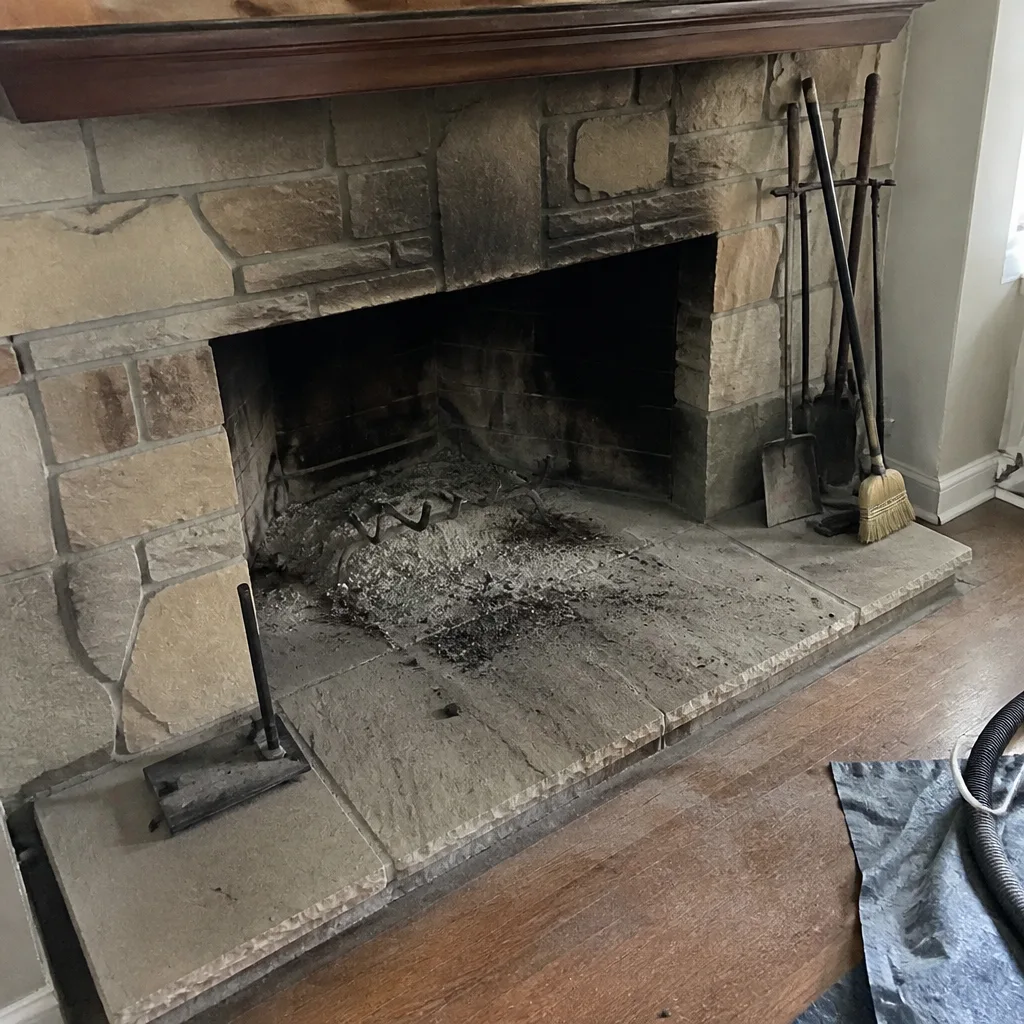 Before
 After
 Before
 After