
Last updated November 4, 2026
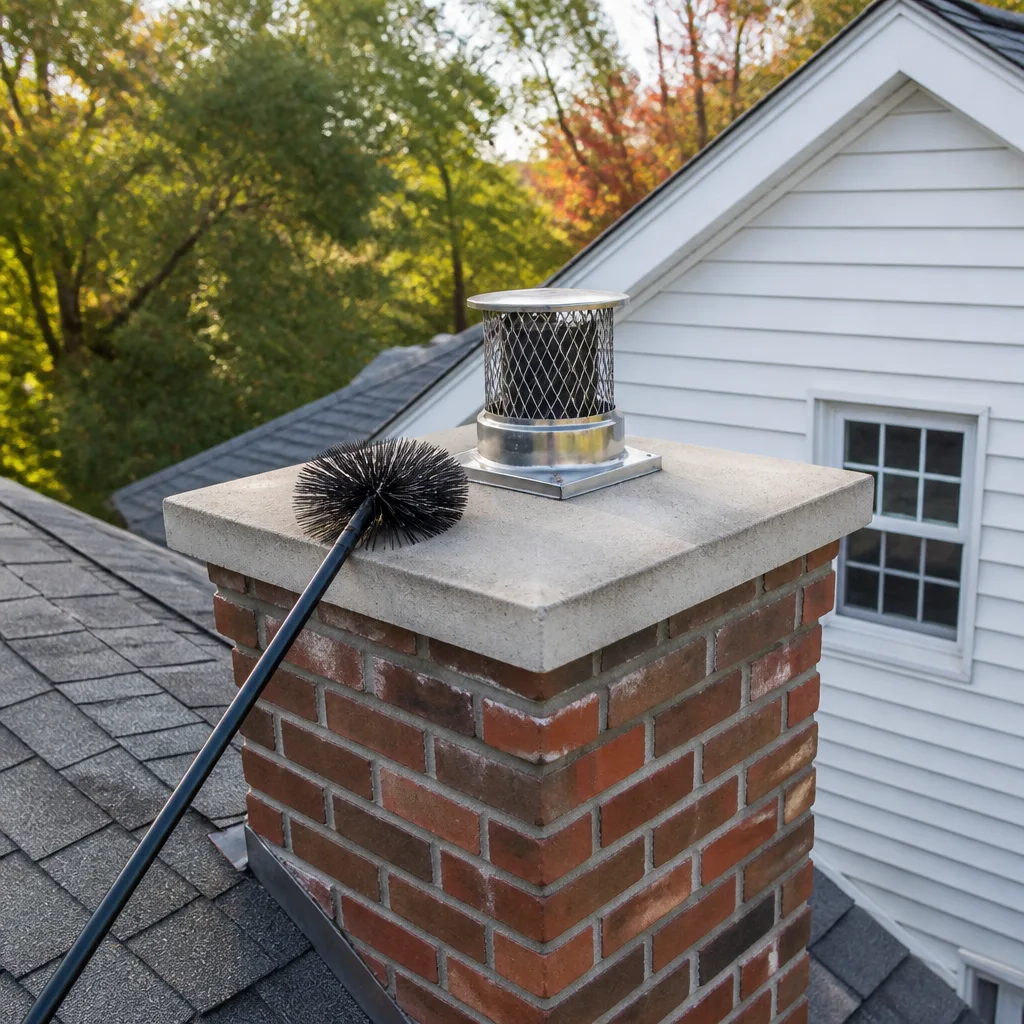 Sweep & inspection
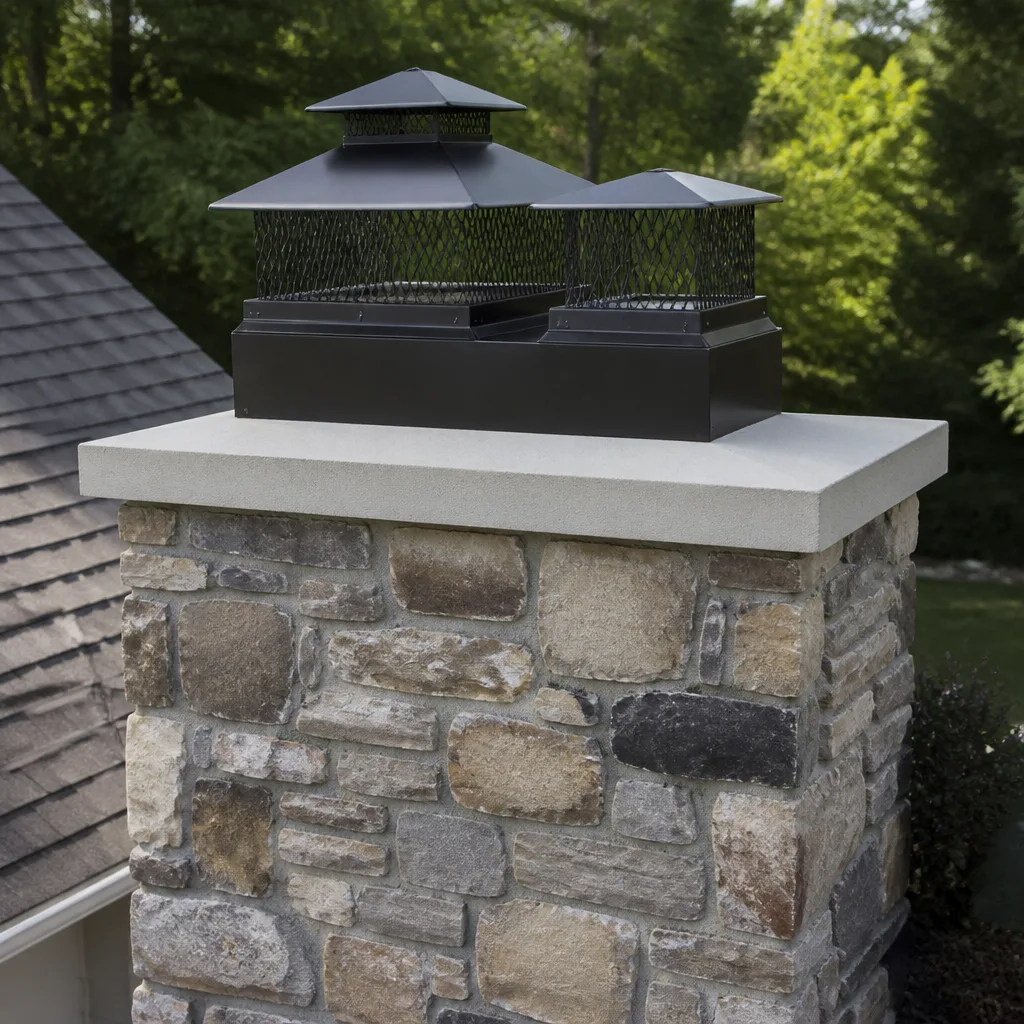 Caps & crowns
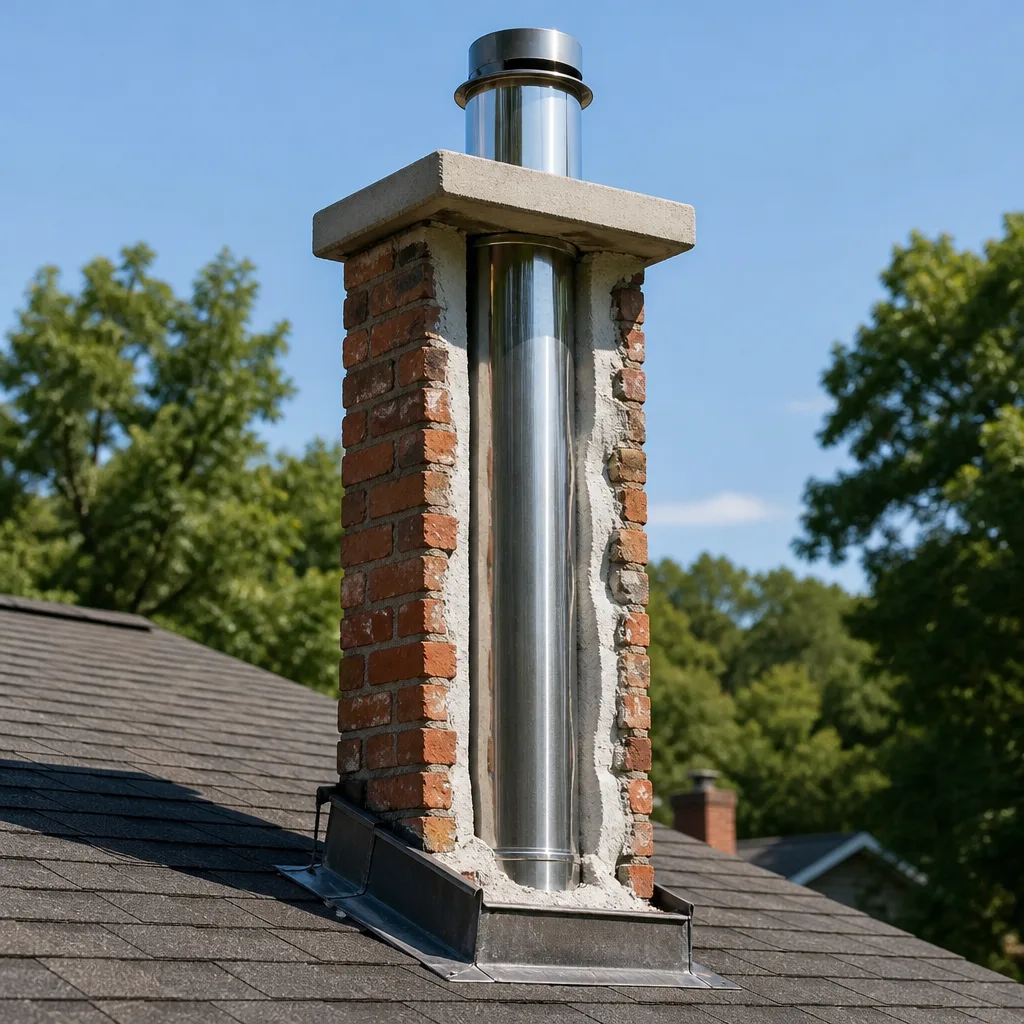 Flue relining
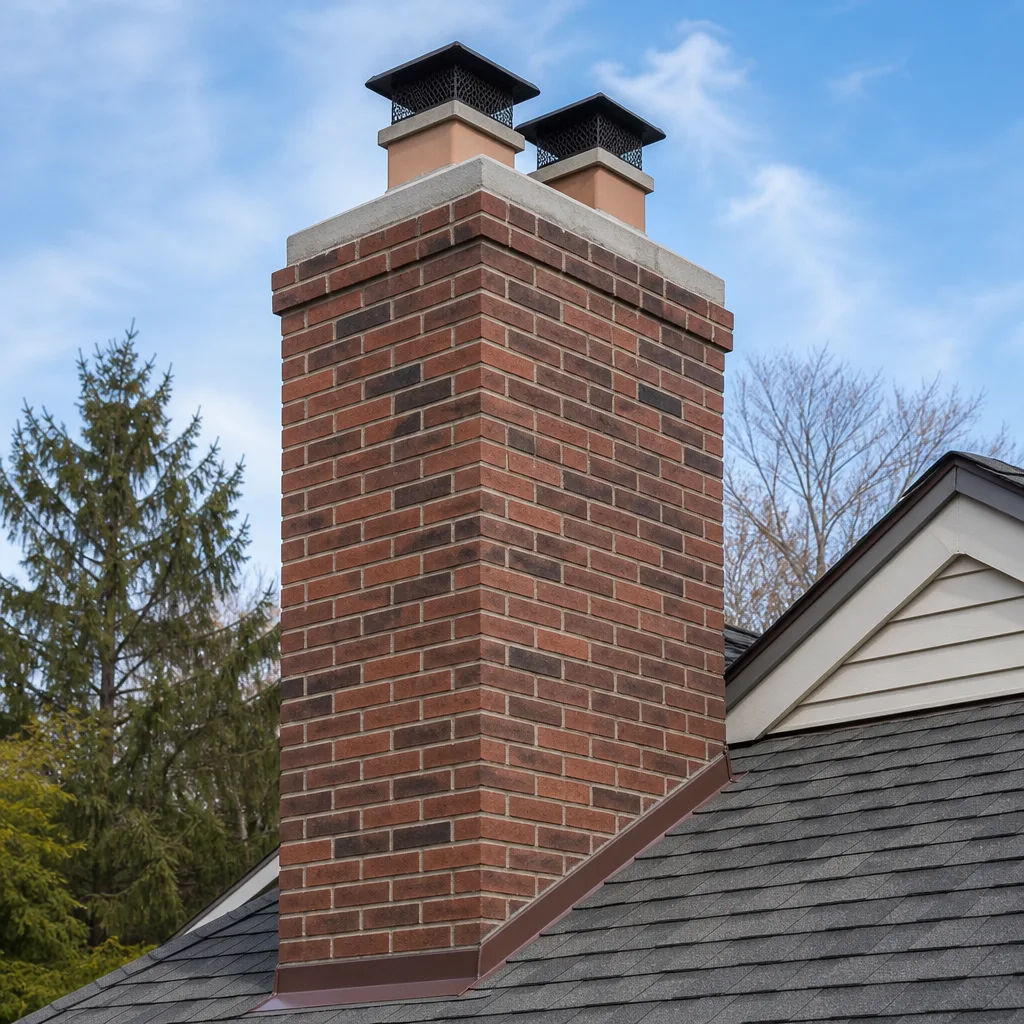 Masonry repair
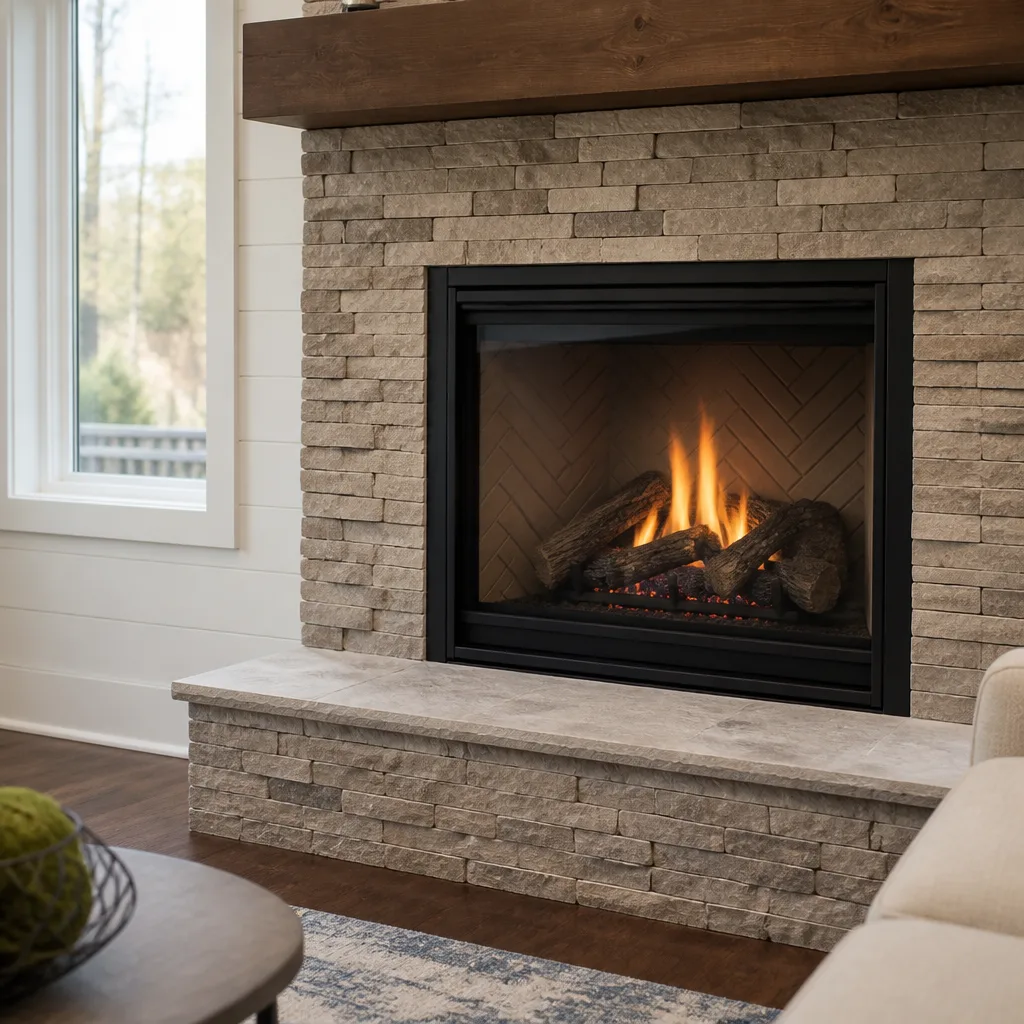 Gas fireplace service
Level 1 sweep and inspection to the NFPA 211 annual standard - flue, crown, cap, and flashing checked and photographed
Chimney sweep logs do not sweep chimneys. They loosen some creosote - which then falls where a brush and vacuum still have to collect it.
Chimney Cleaning Cost Breakdown: The Tarzana Homeowner’s Reference for 2026
Walk down any block in Tarzana and you’ll see the same thing: beautiful Mid-Century fireplaces, original Craftsman hearths, and a lot of homeowners who’ve been quoted wildly different prices for what sounds like the same job. One company says $79. Another says $340. Both call it a chimney cleaning. The difference isn’t markup, it’s scope. The $79 number advertised on neighborhood apps in Tarzana is a lead-generation tool built around a visual inspection and the lightest possible brush pass. The real work, the stuff that actually protects your home, costs more because it involves more. This guide breaks down what each price tier actually buys, where the hidden cost escalations live, and how to tell a fair written estimate from one designed to balloon after the technician starts working.
Styles & brands we work with
- Sweep & inspection
- Caps & crowns
- Flue relining
- Masonry repair
- Gas fireplace service
Quick Answer
Chimney cleaning in Tarzana typically costs between $180 and $340 for a standard sweep with a basic inspection, while a Level 2 camera inspection adds $100 to $250. Full liner replacement and repair work runs significantly higher, often $2,500 to $7,000 depending on the system and flue condition. The final price depends on chimney type, creosote buildup, and whether the technician finds damage that needs addressing.
Table of Contents
- The Three Price Tiers: What $79, $250, and $500 Actually Buy
- Legitimate Add-Ons That Cost More (and Why)
- How Home Age and Chimney Type Affect Price in Tarzana
- What a Fair Written Estimate Looks Like
- When Paying More Upfront Is the Cheaper Decision
- Understanding Level 1, Level 2, and Level 3 Inspections
- Liner Materials: Stainless Steel vs. Aluminum and What That Means for Cost
- Common Mistakes to Avoid
- When to Call a Professional
- Frequently Asked Questions
- The Bottom Line
The Three Price Tiers: What $79, $250, and $500 Actually Buy
The chimney cleaning market in the San Fernando Valley runs on three distinct service levels, even though every company uses the same two words to describe them. Understanding this is the difference between a safe fireplace and an expensive surprise.
The $79 to $99 tier. This is the flash-and-dash special. The technician arrives, does a visual check of the firebox, runs a basic brush up the flue a few times, and leaves within 30 to 45 minutes. The creosote that matters, the hard glaze that forms on the upper third of the flue where smoke cools and condenses, doesn’t come off with a standard wire brush. That’s fine if you burn seasoned hardwood once a month and had the chimney cleaned last year. It’s not fine if you just bought a 1960s home in Tarzana and have no idea when the flue was last touched.
The $180 to $340 tier. This is the professional standard for a routine chimney sweep. It includes a full mechanical cleaning of the flue, removal of creosote from the smoke chamber and firebox, and a Level 1 inspection of the accessible areas. The technician checks the damper, the flue tiles, the cap, and the masonry crown. If you burn wood regularly during the mild Tarzana winter months, which run from roughly November through February, this is the service tier you need annually.
The $450 to $600 tier. This is a sweep plus a Level 2 camera inspection. The camera goes up the flue and records what the naked eye can’t see: hairline cracks in the clay liner, gaps between flue tiles, hidden creosote deposits, and separation at the joints. In older Tarzana homes, especially Craftsman and Mid-Century builds with original clay tile liners, this tier is where real problems get found. A $79 sweep will never show you a cracked flue tile. A camera inspection will, and that’s information worth having before you light the first fire of the season.
Legitimate Add-Ons That Cost More (and Why)
Some add-ons are upsells dressed up as necessities. But several are genuinely worth the money, and understanding the difference protects you from both overpaying and under-protecting your home. Here’s what legitimately adds cost to a chimney cleaning in Tarzana:
- Rotary cleaning systems. A rotary loop system with chains or stiff nylon whips spins at high speed to knock off glazed creosote, the shiny, tar-like deposits that form when wood burns at low temperatures. Standard brushes skip right over glaze. Rotary systems remove it. The equipment costs more, takes longer to run properly, and produces visibly different results. Expect to pay $50 to $100 extra when glaze is present.
- HyperSkive chemical treatment. For the hardest glazed creosote, some sweeps apply a chemical treatment like HyperSkive that breaks down the glaze before mechanical cleaning. It’s applied, allowed to sit, and then removed with rotary tools. This is not something a homeowner should attempt. The treatment itself is a specialty product, and the labor to use it correctly adds $75 to $150 to a standard sweep.
- Chimney cap replacement. If your cap is rusted through or missing, which is common on older Tarzana homes, a replacement cap runs $150 to $400 installed depending on size and material. A missing cap lets rain into the flue, and that moisture accelerates liner deterioration. This is a repair you want done sooner, not later.
- Camera inspection. Already covered above, but worth repeating: the camera is the single best diagnostic tool in the chimney trade. If your sweep doesn’t offer one, ask why.
- Smoke chamber parging. The smoke chamber sits between the firebox and the flue. In older fireplaces it’s often rough brick with gaps and ledges that collect creosote. Smoothing it with a refractory mortar, called parging, improves draft and reduces creosote accumulation. Expect $400 to $800 for this work.
How Home Age and Chimney Type Affect Price in Tarzana
Tarzana’s housing stock spans roughly nine decades of construction, and each era built chimneys differently. The age of your home is the single biggest predictor of what your chimney will cost to maintain.
Homes built before 1960, common in the flatter streets north of Ventura Boulevard, typically have masonry chimneys with clay tile liners. These liners were the standard for generations and they work fine until they don’t. Clay tiles crack under thermal stress, and once a crack appears, the hot gases from your fireplace have a path to the surrounding masonry. If enough creosote has built up inside that crack, you have the conditions for a chimney fire. Repair on these systems usually means either a stainless steel liner or a HeatShield ceramic resurfacing job. Both cost more than a sweep, but both extend the life of the chimney for decades.
Mid-Century homes in Tarzana, built between 1950 and 1975, often have prefabricated metal chimneys. These have different flue geometries than masonry, typically round rather than square or rectangular. They’re easier to clean if they’re in good shape, but the metal components age out. When a prefab chimney fails, it’s usually a full replacement, not a repair. Prefab replacements run $3,000 to $6,000 installed.
1990s tract construction, common in the newer developments south of the Boulevard, tends to have simpler designed chimneys. The flues are straighter, the construction newer, and the issues less severe. Sweeps run on the lower end of the range in these homes, but the tradeoff is that many were built with cheaper materials that don’t hold up as well over the long haul.
What a Fair Written Estimate Looks Like
A written estimate should tell you exactly what you’re paying for, not leave room for the technician to invent new problems after the work starts. Here’s what we tell Tarzana homeowners to look for:
- Specific scope of work. The estimate should say “sweep flue, clean smoke chamber, remove creosote from firebox, inspect damper” rather than just “chimney cleaning.” If the scope is vague, the price is probably vague too.
- Line-item pricing. Each service should have its own number. Sweep, inspection, cap replacement, liner repair. If everything is lumped into one figure, you should question why.
- Clear language about what’s included in the inspection. A Level 1 inspection is visual only. A Level 2 includes camera work. If the estimate says “inspection” without specifying, ask which level.
- No obligation to approve additional work on the spot. A clean estimate gives you the price for the sweep and says that if anything else is found, you’ll get a separate quote before any repair work starts. You should never feel pressure to approve a $3,000 liner replacement while the technician is still standing in your living room.
- Written documentation of any recommended work. If the technician says you need a new liner, ask to see the camera footage. Every reputable sweep can show you exactly what they found. No camera, no evidence, no reason to believe the recommendation.
When Paying More Upfront Is the Cheaper Decision
Every chimney professional has seen the same pattern: a homeowner skips a sweep for a few years, the creosote builds up, the flue cracks, and a $250 annual maintenance cost becomes a $5,000 repair bill. The math is simple. Annual sweeps in Tarzana run $180 to $340. A full liner replacement runs $2,500 to $7,000. You can sweep the chimney for more than a decade for the cost of one major repair.
But the real calculus isn’t just money. A cracked liner combined with heavy creosote buildup is how chimney fires start. These fires are rarely small. They ignite the creosote, which burns at temperatures high enough to crack masonry, spread to framing, and in the worst cases consume the entire house. The Tarzana Fire Department responds to chimney fires every year, and every one of them was preventable.
The other deferred cost is carbon monoxide. A blocked or damaged flue doesn’t just fail to vent smoke, it sends combustion gases back into the living space. Carbon monoxide is odorless and invisible. The first sign of a problem is often a headache that won’t go away. Annual inspections catch the conditions that cause CO backup before they become dangerous.
Understanding Level 1, Level 2, and Level 3 Inspections
The National Fire Protection Association defines three levels of chimney inspection. Knowing what each involves helps you understand what you’re paying for.
- Level 1 inspection. Visual examination of the readily accessible portions of the chimney. The technician looks at the firebox, damper, cap, and the interior of the flue using a flashlight. This is included with every professional sweep and is appropriate when the chimney is being used exactly as it was before, no changes to the system, no new appliances. Annual sweeps in Tarzana homes that burn regular fires should include a Level 1 inspection.
- Level 2 inspection. Everything in Level 1 plus a video camera scan of the full flue interior, the attic, crawl space, and any accessible portions of the exterior. This is the standard for any home where the chimney has changed use, a new liner has been installed, a new appliance has been added, or the home is being sold. If you’re buying a home in Tarzana, insist on a Level 2 inspection before closing. It’s $100 to $250 well spent compared to discovering a failed liner on your first cold night.
- Level 3 inspection. This involves removing components of the chimney or building structure to access hidden areas. It’s rare and typically only needed after a chimney fire or structural event. If a sweep tells you that you need a Level 3 inspection, they should clearly explain why and what it will cost.
Liner Materials: Stainless Steel vs. Aluminum and What That Means for Cost
If your inspection finds damage to the flue, you have decisions to make about the repair approach. The two most common options are stainless steel liners and HeatShield ceramic resurfacing, and they fit different situations.
Stainless steel liners are flexible or rigid tubes installed inside the existing flue. They’re the standard for wood-burning fireplaces, stove inserts, and oil appliance conversions. A stainless liner for a typical Tarzana masonry chimney runs $2,500 to $5,000 installed, depending on the height of the chimney and the liner diameter. The liner itself is a long-term solution. Stainless holds up for decades under regular use. At Chimney Sweep Tarzana, we stock and install liner systems from brands like Olympia Chimney and Famco, products built for the specific demands of Southern California’s frequent use cycles.
Aluminum liners are cheaper, typically $1,500 to $2,500 installed, but they’re only rated for gas appliances. Aluminum corrodes under the acidic exhaust of wood burning. If a company quotes you an aluminum liner for a wood-burning fireplace, walk away. That liner will fail, and the failure won’t be covered by any reputable warranty because it was the wrong product for the application.
HeatShield ceramic resurfacing is a different approach entirely. Instead of installing a new liner, the technician applies a ceramic coating to the interior of the existing flue, filling cracks and restoring the structural integrity of the original clay tiles. It’s less expensive than a full stainless liner, typically $1,800 to $4,000, and it preserves the original flue dimensions. Not every chimney qualifies. The existing liner needs to be salvageable enough to serve as the substrate. But when it works, it extends the life of the original system for decades. We carry HeatShield and Gelco products specifically because they’re professional-grade materials built for this kind of restoration, not patch jobs that fail on the first hot fire.
Common Mistakes to Avoid
- Choosing a sweep based on price alone. The $79 special often ends up costing more than a $300 professional sweep once the “necessary repairs” begin. Good work costs what it costs because it takes time and uses proper equipment. A technician who does three sweeps a day at $79 is not spending 60 to 90 minutes on your chimney.
- Skipping annual inspections because you don’t burn much. Even occasional burning produces creosote. Birds and squirrels build nests in unused chimneys during the long Tarzana summer. Every chimney needs at least an annual inspection, even if the sweep itself can wait.
- Buying a home without a Level 2 camera inspection. No home inspector can see inside a flue. They’ll note that the chimney “appears functional.” A camera inspection costs a few hundred dollars and can reveal $5,000 in needed repairs before you own the problem.
- Accepting repair recommendations without seeing the evidence. If a technician says you need a new liner, ask to see the camera footage. Any reputable company will show you exactly what they found. If they can’t or won’t, get a second opinion.
- Ignoring the dryer vent. The same home that has a dirty chimney often has a plugged dryer vent. Lint buildup is a leading cause of house fires. At dryer vent cleaning and chimney work in the same visit, you address both major fire hazards in one call.
- Waiting until fall to book. Every chimney company in the San Fernando Valley gets slammed in October and November. Booking your sweep in late summer means better scheduling availability and no pressure to rush the job before the first cold snap.
- Assuming a newer home doesn’t need service. Age is not protection. A 1995 chimney that has never been swept is more dangerous than a 1960 chimney that has been maintained annually. Creosote doesn’t care how old your house is.
When to Call a Professional
Some jobs are genuinely do-it-yourself. Chimney cleaning is not one of them. The risks are too high and the visibility too low. If any of these apply, schedule an inspection at Tarzana service area homes:
- You just bought the home and have no record of the last cleaning.
- You’ve seen smoke backing up into the room.
- You smell a strong, acrid odor coming from the fireplace even when it’s not in use.
- You noticed flakes of creosote falling into the firebox.
- Your last sweep was more than two years ago.
- A home inspector flagged the chimney in a report.
Chimney Sweep Tarzana offers free estimates in Tarzana. Call (877) 269-3953. We answer 24/7. Fast dispatch from 7am to 7pm, Sunday through Friday.
Frequently Asked Questions
A standard chimney sweep in Tarzana runs $180 to $340 including a Level 1 inspection. The price depends on the size of the flue, how much creosote has accumulated, and whether the technician needs rotary tools or chemical treatments to remove glazed deposits. Call (877) 269-3953 for an exact quote, the estimate is free.
Not always, but you should never accept that recommendation without seeing the camera footage. Cracked clay tiles and gaps between flue sections are real problems that can’t be ignored, but they can sometimes be addressed with HeatShield ceramic resurfacing rather than full liner replacement. Ask to see exactly what the camera found, get a second opinion if anything feels rushed, and never approve major work on the spot. A legitimate recommendation stands up to scrutiny.
The National Fire Protection Association recommends an annual inspection and cleaning at the start of the burning season. In Tarzana, most homeowners burn from November through February, so scheduling a sweep in September or October makes sense. If you burn more than four cords of wood in a season, a mid-season sweep may be warranted.
Creosote builds up layer by layer. Eventually the layer thickens into glaze, which is highly combustible. A hot fire can ignite the glaze, starting a chimney fire that reaches temperatures over 2,000 degrees. The fire can crack the flue, spread to framing, and burn the house down. That’s the worst case. The more common outcome is a cracked liner that leaks carbon monoxide and requires $2,500 to $7,000 in repairs. The sweep is always cheaper than the repair.
A sweep removes creosote and soot. An inspection evaluates the condition of the chimney system. A professional service combines both: the sweep clears the flue so the technician can see the liner during the inspection. You can’t properly inspect a chimney you can’t see through, which is why every professional cleaning includes at least a Level 1 visual check.
That depends on the company. Many sweeps in the Tarzana area are cleaning-only operations. They’ll note the damage, maybe recommend a masonry contractor, and hand you a referral. At Chimney Sweep Tarzana, our repair capability means findings from a sweep inspection can be corrected on the spot or scheduled promptly, not referred out. That’s the benefit of working with a full-service chimney and ventilation specialist rather than a one-trick sweep.
The Bottom Line
Chimney cleaning in Tarzana isn’t one service with one price. It’s a range of services that vary by scope, equipment, and inspection depth. A $79 special is a visual check with light brushing. A $300 professional sweep is a mechanical cleaning with a Level 1 inspection. A $500 visit adds a camera inspection that reveals what’s actually happening inside your flue. The right choice depends on your home’s age, your burning habits, and how recently the chimney was last serviced. What doesn’t change is this: annual attention costs a fraction of deferred repair, and the camera is the one tool that separates honest assessment from guesswork. Get the sweep, get the inspection, and get the evidence before you spend thousands on repair.
Written by the team at Chimney Sweep Tarzana, serving Tarzana since 2014.
See the difference
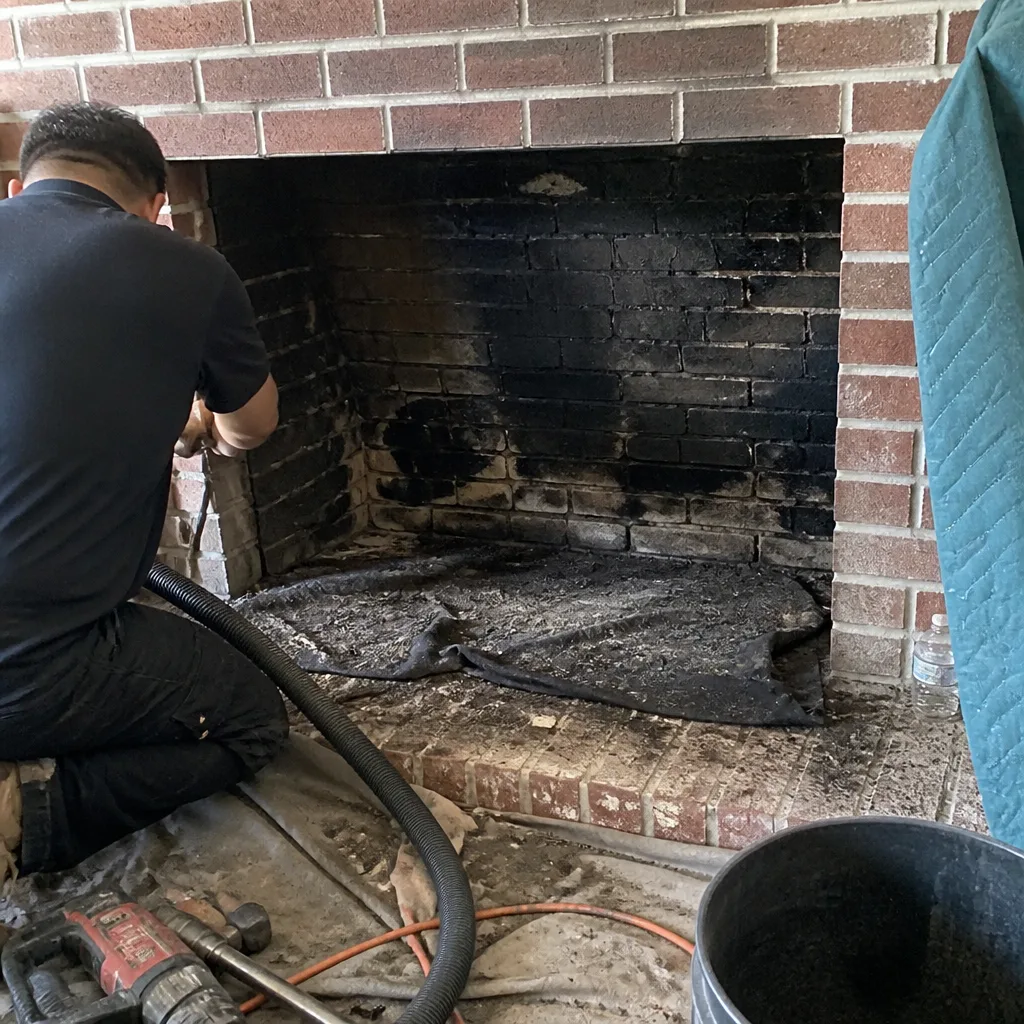 Before
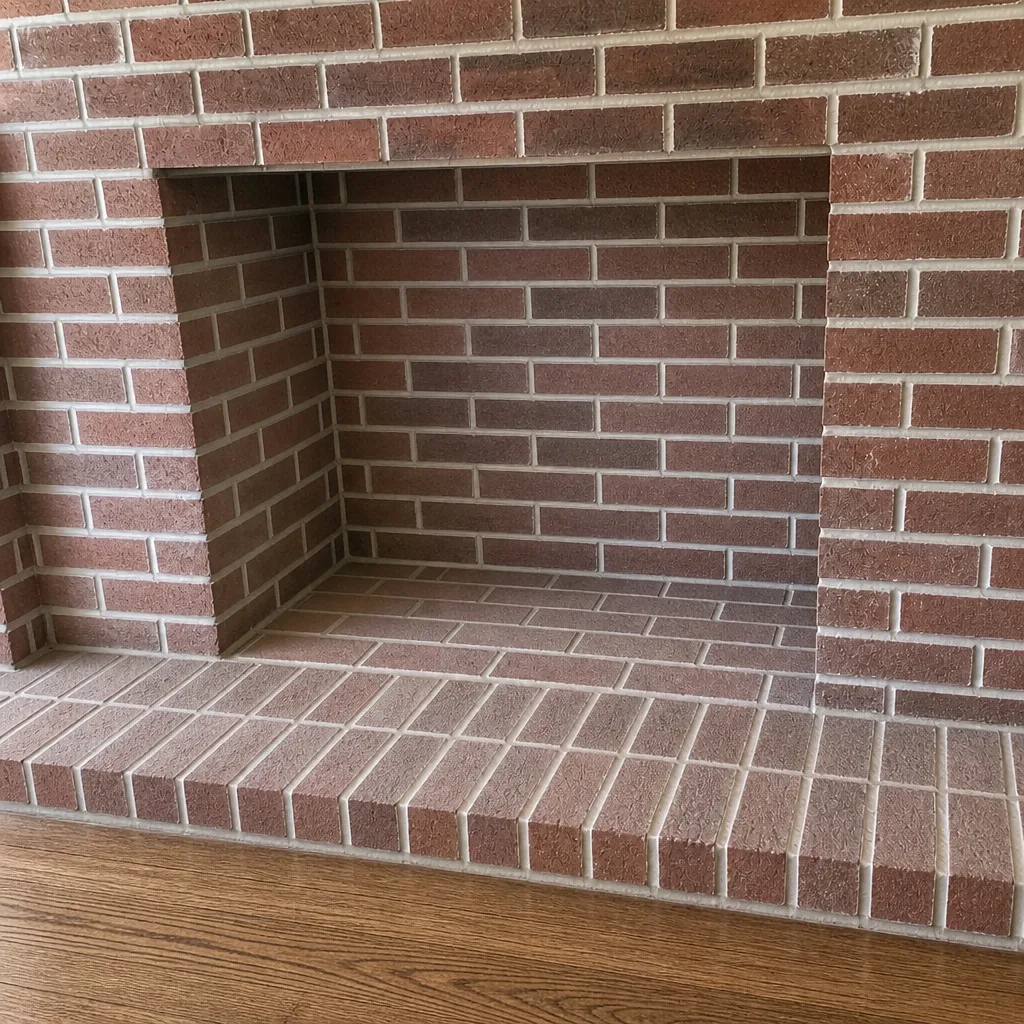 After
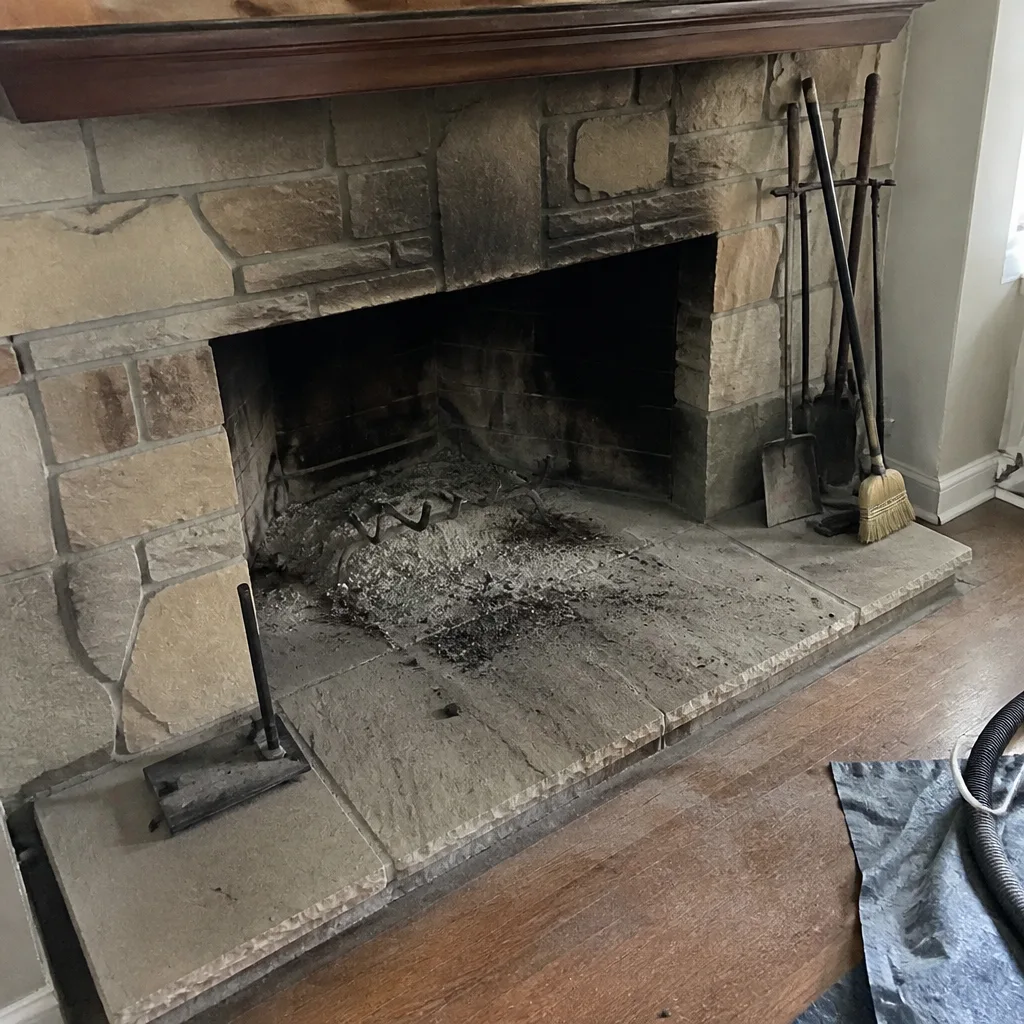 Before
 After
 Before
 After