
Last updated November 4, 2026
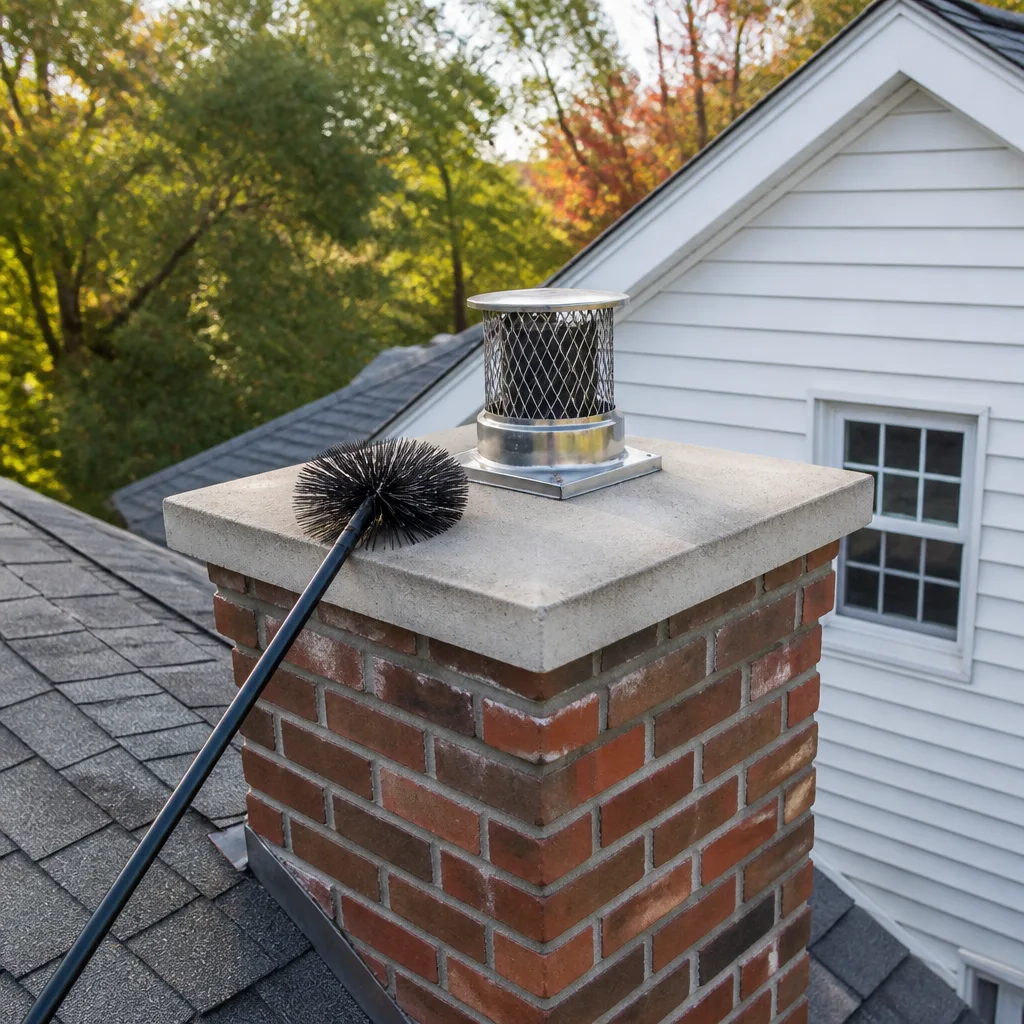 Sweep & inspection
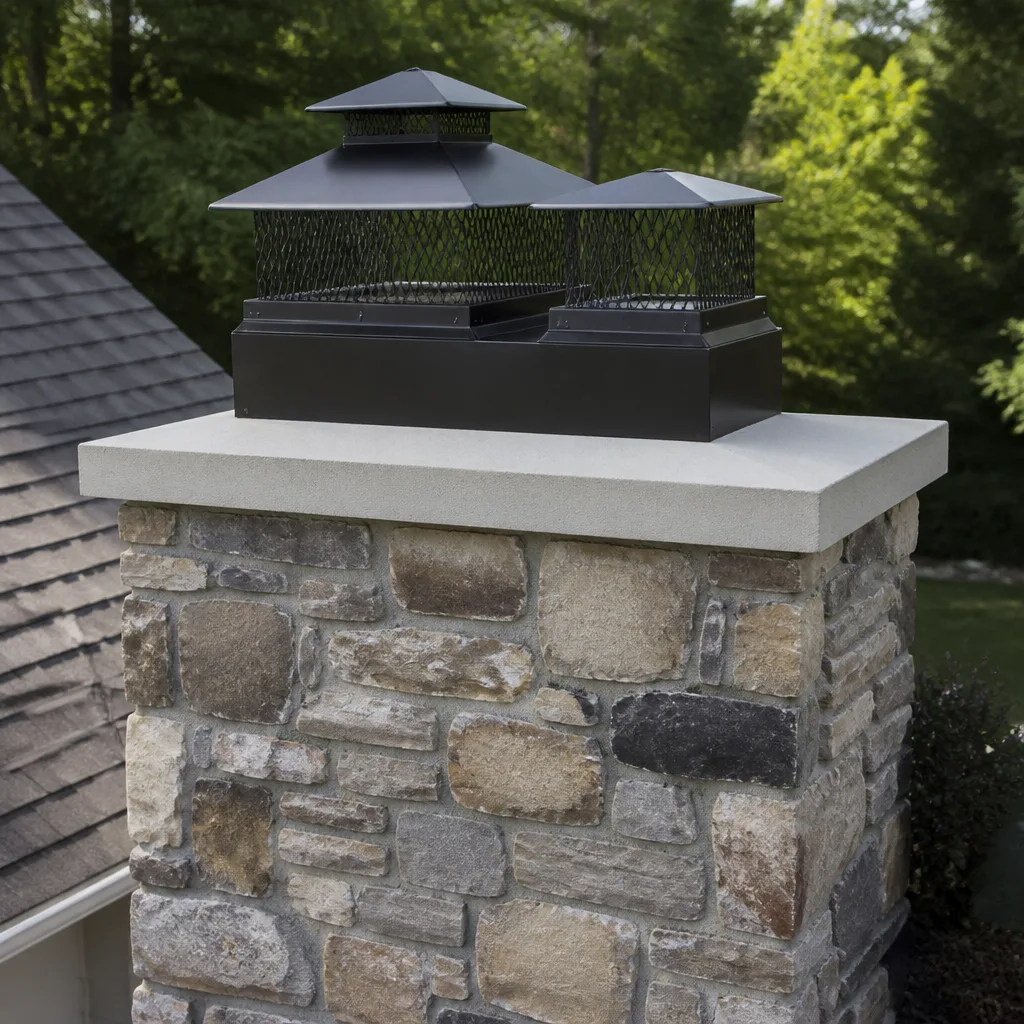 Caps & crowns
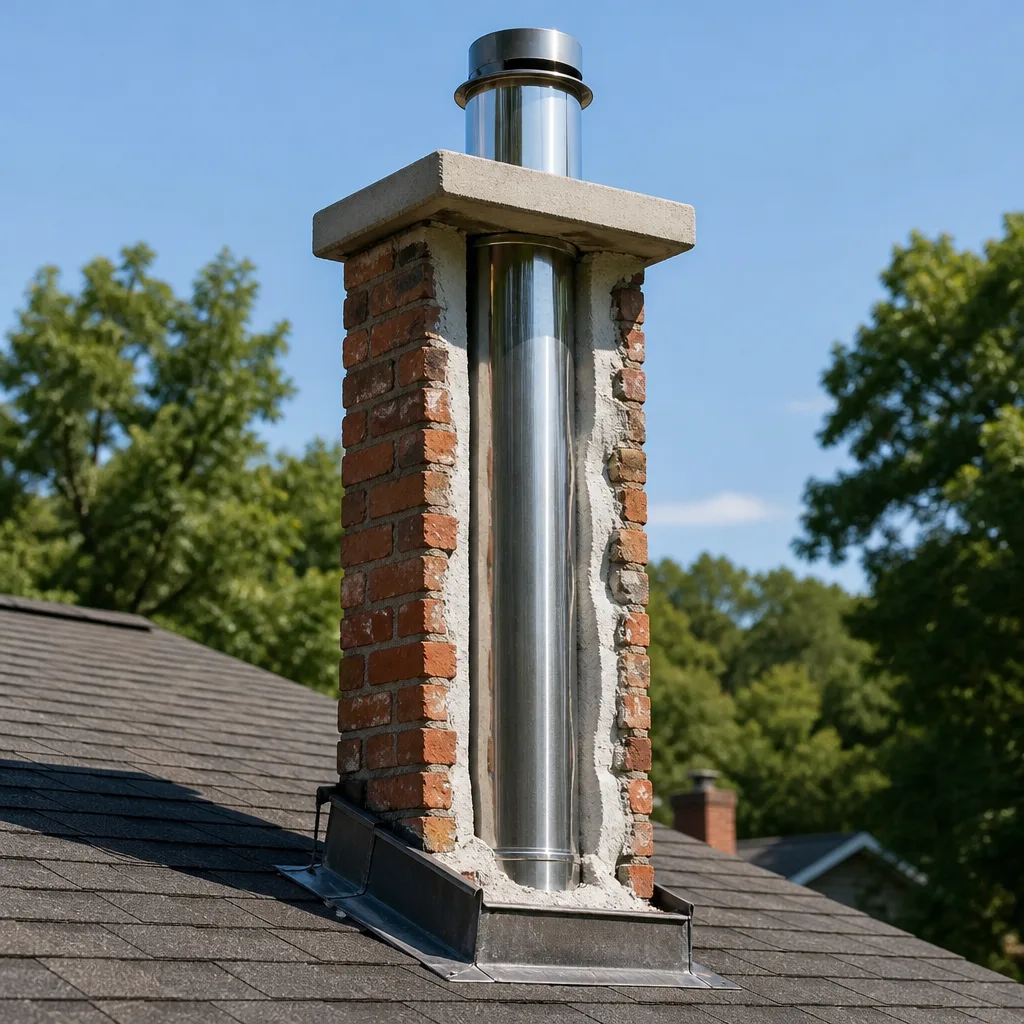 Flue relining
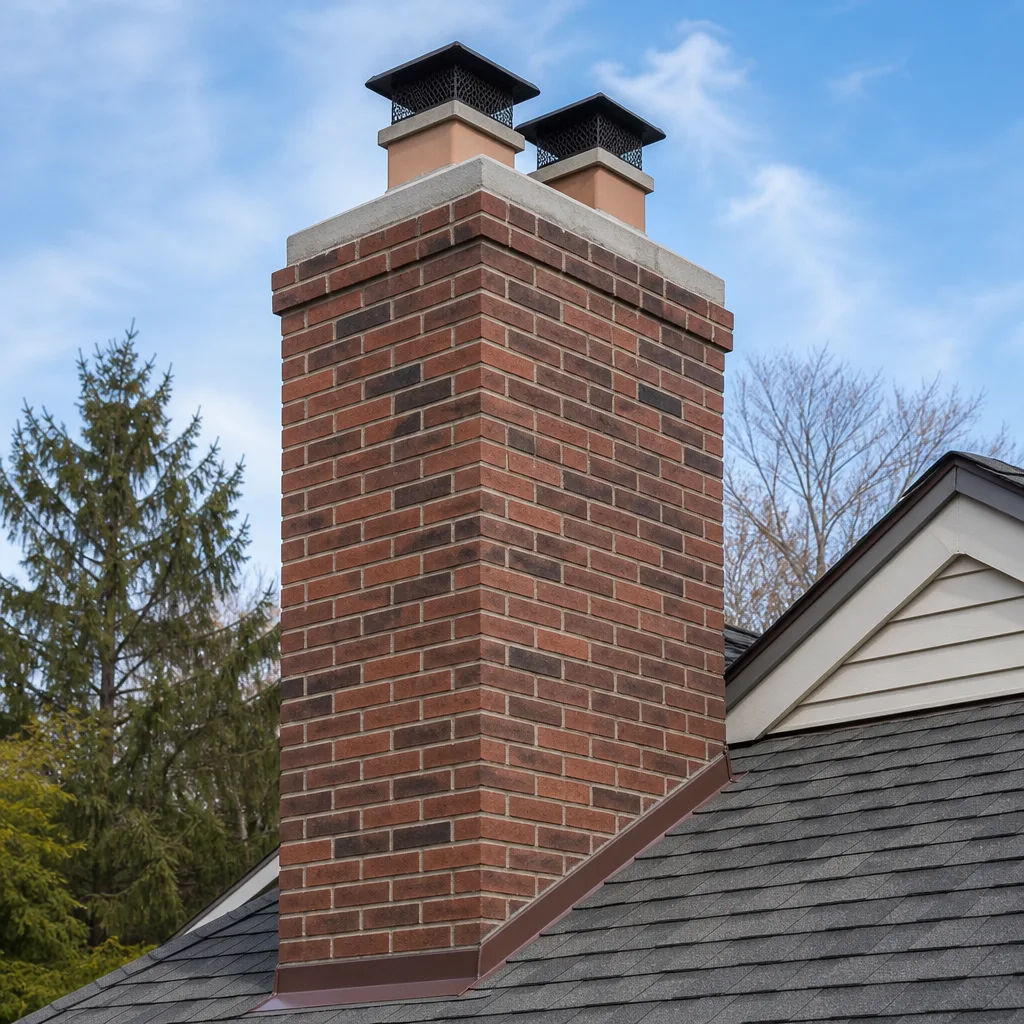 Masonry repair
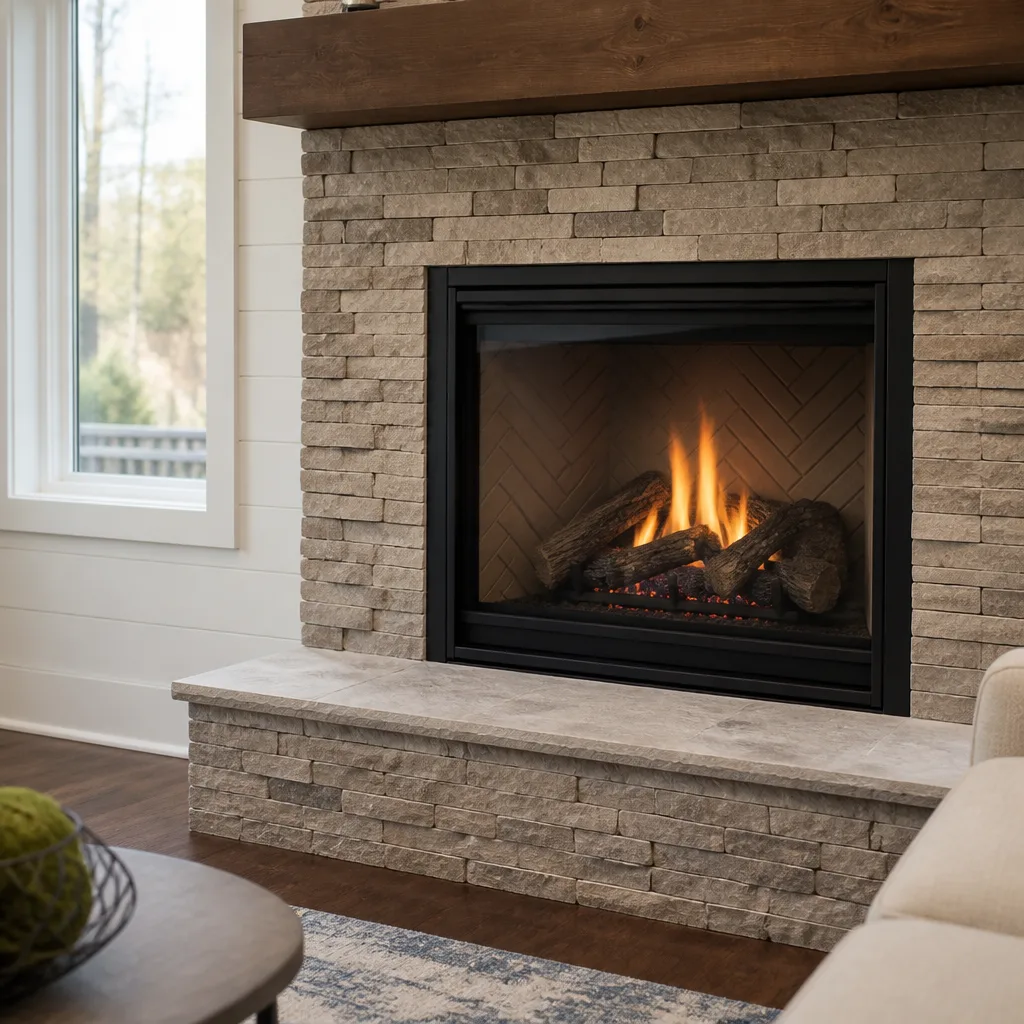 Gas fireplace service
Level 1 sweep and inspection to the NFPA 211 annual standard - flue, crown, cap, and flashing checked and photographed
Chimney sweep logs do not sweep chimneys. They loosen some creosote - which then falls where a brush and vacuum still have to collect it.
Chimney Cleaning Warning Signs: A Tarzana Homeowner’s Reference Guide
A white stain running down your chimney’s exterior brick isn’t a cosmetic issue. It’s efflorescence, and it’s telling you that water is already moving through your masonry in a way that will cost thousands to fix if you ignore it past one more rainy season. Most Tarzana homeowners don’t realize their chimney is failing until a problem becomes expensive. This guide teaches you to read the subtle signals: the smells, stains, sounds, and small behavior changes that indicate your chimney needs attention before winter fireplace season arrives.
Styles & brands we work with
- Sweep & inspection
- Caps & crowns
- Flue relining
- Masonry repair
- Gas fireplace service
Quick Answer
Chimney warning signs in Tarzana homes typically show up as unusual fireplace odors(sharp or acrid rather than a faint wood smoke smell), white efflorescence or rust stains on exterior masonry and stucco, smoke entering the living space even with the damper open, soot accumulating rapidly after burning, and damper operation that feels different than it used to. Any of these signals means it’s time for a chimney sweep inspection. Most are fixable early at reasonable cost; waiting turns them into structural repairs.
Table of Contents
- Smell Signals: What Your Nose Is Telling You
- Exterior Warning Signs on Tarzana Chimneys
- How to Spot a Chimney Fire That Already Happened
- Interior Signals in the Living Space
- Which Signs Mean Stop Now vs. Schedule Soon
- Why Tarzana’s Climate Matters for Your Chimney
- What a Professional Chimney Inspection Actually Checks
- Common Mistakes to Avoid
- When to Call a Professional
- Frequently Asked Questions
- The Bottom Line
Smell Signals: What Your Nose Is Telling You
Every fireplace has a smell, especially in summer when air sinks down the flue and carries the scent of last season’s fires into the living room. A faint, dry soot smell in warm weather is normal. That changes when the odor becomes sharp, oily, or persistent enough that you notice it from across the room even with the damper closed.
A sharp, almost asphalt or tar-like smell indicates active creosote accumulation. Creosote forms when wood smoke condenses on a cool flue wall. In Tarzana’s dry climate, that creosote can dry and harden into a glassy glaze that’s extremely difficult to remove with basic brushing. The smell gets stronger after rain or humidity spikes, which is common in January and February even in the valley. If you smell a strong creosote odor, the buildup is already substantial.
A different smell, one that’s musty, organic, or like wet leaves, usually means something is living in the chimney or has died there. Birds, squirrels, and raccoons all find Tarzana chimney caps inviting entry points. The materials they bring in (twigs, leaves, nesting debris) create both a fire hazard and a moisture trap. If you hear scratching sounds along with the smell, you have an active animal rather than a past visitor.
A stale, sour smell with no obvious source sometimes points to a draft reversal problem. Instead of air flowing up and out, it’s flowing down and into the house, carrying flue gases and old soot with it. This often happens in homes where a new HVAC system, kitchen exhaust fan, or water heater changed the indoor air pressure balance. The chimney can’t draft properly when the house is under negative pressure.
Here’s the practical breakdown:
- Faint, dry soot smell in summer: Normal. A cleaning will reduce it.
- Sharp, oily, tar-like smell: Glazed creosote. Stop burning and schedule a sweep.
- Musty, organic, or dead smell: Animal intrusion or nesting debris.
- Sour, persistent smell with damper closed: Draft reversal or negative pressure.
Each of these has a different fix. Creosote needs mechanical removal. Animal intrusion needs a cap or screen. Draft issues may need a flue extension or a pressure evaluation. The smell tells you which category you’re in before anyone climbs on the roof.
Exterior Warning Signs on Tarzana Chimneys
Walk outside and look at your chimney from the sidewalk or back yard. Not from a ladder, just from the ground. The exterior tells a detailed story about what’s happening inside, and most of it is readable without touching anything.
Stucco is the most common chimney exterior in much of Tarzana, especially on homes built from the 1960s onward. Stucco hairline cracks are common and often harmless. But a crack that’s wide enough to slip a dime into, or a crack that weeps dark stains after rain, means water is getting into the chase. Once water sits against the wooden framing inside a stucco chase, rot begins. The first visible sign is usually a rust stain near the top or at a joint. By the time you see rust, the chase interior has been wet for a while.
White, chalky streaks down brick or stucco are efflorescence. Rain water dissolves salts in the masonry and concrete, carries them to the surface, and leaves them behind when the water evaporates. Efflorescence means water is moving through your masonry. Not sitting on it, moving through it. That’s porous brick or failed mortar, and in Tarzana’s wet winters (we get most of our annual rain between December and March), the problem compounds each year.
Older brick chimneys in Tarzana’s mid-century neighborhoods often show spalling, where the brick face flakes off in thin layers. Spalling happens when water trapped in the brick heats up and expands, or when the brick’s protective face is worn away by years of exposure. A spalling brick chimney is structurally weakening. Each flaked layer exposes more brick to more water.
Rust stains around the chimney cap, the flashing where the chimney meets the roof, or on any metal band are never cosmetic. They mean the cap, flashing, or band has corroded past the point of doing its job. Water is finding a path into the chimney or the roof deck.
What to check from the ground:
- Look for white streaks or dark water stains on all visible chimney sides.
- Check the cap area for rust or missing sections.
- Inspect where the chimney meets the roof for lifted or corroded flashing.
- Run your eye along mortar joints for gaps, crumbling, or plants growing in them.
- Note any brick faces that look peeled, flaked, or pitted.
How to Spot a Chimney Fire That Already Happened
Most chimney fires burn themselves out before a homeowner ever calls the fire department. The fire inside the flue gets hot enough to ignite creosote, burns through the accumulated fuel, and then starves. You might hear a loud roar or a whooshing sound like a jet engine, or you might sleep through it. The evidence left behind is unmistakable to a trained eye, but most Tarzana homeowners never recognize it.
After a chimney fire, the creosote inside the flue changes texture. Puffy, honeycomb-looking creosote is a classic post-fire signature. The fire expands the creosote as it burns, creating bubbles and blisters that harden into a distinctive shape. Smooth, shiny creosote may indicate a fire went out fast. Warped or discolored metal components, like a damper that no longer closes fully or a chimney cap with heat-blistered paint, are also post-fire evidence.
Cracks in clay tile flue liners are another common aftermath. A chimney fire can create vertical cracks in a clay liner that you’d never see without a camera inspection. These cracks let heat and gases reach the chimney structure in the next fire. They also let creosote accumulate in the gap between liner and brick, setting up the next chimney fire with more fuel.
In our experience, a homeowner often discovers a past chimney fire by accident. A handyman on the roof mentions the cap looks heat-damaged. A real estate inspection flags “evidence of prior chimney fire” and the buyer had no idea. If you’ve ever heard your fireplace roar more loudly than normal, smelled something unusually hot (not just smoke, but a hot metal or electrical smell), or found creosote chunks on the roof after the fire season, assume a chimney fire may have occurred and get an inspection before the next burn.
Interior Signals in the Living Space
Smoke entering the living room isn’t the only interior warning sign. In fact, by the time smoke rolls visibly into the house, the problem has been developing for a while. Earlier signals are there if you know what to look for.
Look at the firebox back wall after a few fires. A thin, dark film is normal. But thick, shiny black deposits that build up after just two or three evenings of burning indicate creosote is forming at an unusually fast rate. That usually means you’re burning unseasoned wood, your fires aren’t burning hot enough, or the flue is already partially restricted. A firebox that smokes slightly with the damper fully open, especially in the first ten minutes of a fire, is telling you the flue isn’t drawing.
Soot on the hearth after burning, more than just light ash, often means smoke is spilling out of the firebox at some point during the burn cycle. If you find a fine black dust on the mantle, on shelves near the fireplace, or on the ceiling above the opening, that’s soot settling out of smoke that escaped. Run your finger across a shelf near the fireplace after a week of fires. If it comes back black, ventilation isn’t working right.
Carbon monoxide detectors deserve attention too. A detector that chirps occasionally when you burn, or a detector that has needed battery replacement more than once in a season, may be picking up intermittent low-level CO from a drafting problem. Newer CO detectors with digital readouts can show peak levels. If you ever see a non-zero reading during or after a fire, stop burning immediately and get the chimney checked.
The damper itself can also be a signal. A damper that’s suddenly hard to open, that won’t stay in position, or that doesn’t seal completely when closed has likely been warped by heat or corroded by moisture. You operate your damper every fire. You know how it feels when it’s right. If it feels different, that change has a cause.
Which Signs Mean Stop Now vs. Schedule Soon
Not every warning sign requires an emergency response. Some do. Here’s the practical breakdown of what to do when you spot each type of signal.
Stop using the fireplace immediately if you see smoke entering the living space with the damper open. Smoke in the living space means combustion gases are not exiting properly. That’s a carbon monoxide risk as much as a fireplace inconvenience. The same applies to any strong, sharp creosote smell during or after burning. And if your CO detector reads any level above zero during a fire, shut the fire down and call us.
Schedule a service call soon (this week or next) if you notice white exterior stains, rust around the cap or flashing, rapidly accumulating soot, or a damper that feels different. These problems get worse with continued use, but they don’t require you to stop using the fireplace today if you burn carefully and briefly. Realistically, most Tarzana homeowners who spot these signs in October or November will call us before the heavy burning season starts in December.
Handle when convenient if you notice a faint summer soot smell, light creosote film in the firebox, or a musty odor you suspect is animal debris. These are maintenance signals, not active hazards. But don’t let them sit past the next season. A faint summer smell becomes a strong winter smell once you start burning.
One point worth making clearly: a tar-like creosote smell with visible shiny black deposits inside the firebox after a few fires means stop now. That creosote is already at the ignition point. One hot, eager fire could turn it into a chimney fire.
Why Tarzana’s Climate Matters for Your Chimney
Chimney Sweep Tarzana works in a climate that’s deceptively hard on chimneys. We don’t get snow, and winter daytime temperatures often stay comfortable. But we do get concentrated winter rain, and we get long, hot, dry summers. The combination does specific things to chimney materials over time.
Summer heat dries out masonry, causing tiny expansions and contractions in brick and mortar. Then winter rain penetrates the micro-cracks that dried-out mortar develops. Each wet season, a little more water gets in. By the time a Tarzana homeowner sees efflorescence on their chimney, the water has often been moving through the masonry for several seasons, not just one. The visible stain is a late-stage sign, not an early one.
Summer also creates the negative pressure conditions that make drafting problems worse. Air conditioning systems pull air out of the house, exhausting it through the unit. That lowers indoor pressure. When indoor pressure drops far enough, the chimney becomes an air intake instead of an exhaust. The result is exactly what you’d expect: smoke and gases that can’t go up, and instead spill into the living space.
The practical implication for Tarzana homeowners is simple. Your chimney needs inspection before the rainy season starts, not after. An October or November inspection catches the water intrusion that would otherwise sit in your masonry all winter. And it confirms your flue is clean before the burn season concentrates creosote in just a few months of heavy use.
What a Professional Chimney Inspection Actually Checks
When you call for a chimney sweep in Tarzana, the inspection should be systematic. Here’s what a thorough check covers, in the order a professional looks at it.
- Exterior visual inspection from the ground and roof: chimney cap, crown, flashing, masonry condition, stucco condition, and any efflorescence or rust staining.
- Flue interior video scan: a camera run through the flue reveals creosote type and thickness, cracks, gaps, animal debris, and prior chimney fire evidence. You should see the images yourself.
- Firebox and damper check: damper operation, firebox masonry condition, hearth clearance height, and any smoke staining that indicates drafting problems.
- Draft evaluation: checking whether the chimney draws adequately under actual operating conditions, and whether the home’s pressure balance is working against the flue.
- Connector and appliance inspection: for gas or wood stoves, the connector pipe and appliance venting along with the chimney itself.
A proper inspection should leave you with a clear picture of both current condition and future risk. We always take the position that you should see the camera images yourself. Nothing gets recommended to you that you can’t see for yourself on the screen. If your sweep does not show you the flue interior, ask.
When the inspection reveals damage, repair work is available through the same team. We stock and install professional chimney industry products including DuraFlex liner systems and HeatShield ceramic flue resurfacing, along with components from Olympia Chimney and other industry-recognized brands. Cracked flue tiles found during a sweep can often be resurfaced with HeatShield rather than requiring full relining. The point is that damage found during your sweep gets fixed by the same team, not referred out to another contractor.
Common Mistakes to Avoid
- Assuming smoke detectors are enough: smoke detectors won’t alert you to most chimney problems. By the time smoke reaches a ceiling detector, your flue has failed badly. The early warnings are smell, stain, and texture changes, not smoke alarms.
- Burning unseasoned wood because it’s cheaper: wet wood creates creosote several times faster than properly dried wood. The money saved on wood gets spent on more frequent cleanings and higher fire risk. If your fire hisses and sizzles instead of catching cleanly, the wood is wet.
- Ignoring exterior stains because “the chimney is brick”: brick is porous. Every white streak or water stain means water is already inside. Waiting a year turns a $600 masonry repair into a $3,000 rebuild.
- Patching cracked stucco on a chimney chase without checking inside: the crack is a symptom. Sealing it without addressing the moisture that caused it traps water inside the chase. We see rot damage where a previous patch job looked fine from the outside.
- Skipping the chimney cap because “the last chimney didn’t have one”: an uncapped chimney is an open invitation to animals, rain, and debris. In Tarzana, where raccoons and squirrels are common in mature neighborhoods, a missing cap becomes an animal problem fast.
- Assuming gas fireplaces don’t need chimney maintenance: gas appliances vent through the chimney too, and they still need annual inspection. A gas flue may not build creosote, but it can rust, dislodge, or become blocked.
- DIY chimney cleaning as a “basic maintenance” task: chimney sweeping looks simple, but the risks are real: roof work, creosote dust exposure, hidden damage assessment. Professional-grade equipment and camera inspection catch what a basic brush job misses.
When to Call a Professional
You should call a professional chimney sweep when any of these conditions apply: you’ve seen smoke in the living space with the damper open; you smell a sharp, tarry odor near the fireplace; you’ve seen white streaks or rust on your chimney exterior; your CO detector has shown a reading during or after fires; you’ve had what sounds like a chimney fire; or it’s been more than two years since your last inspection. The longer any of these conditions persists, the more the repair cost grows. Tarzana’s chimney problems don’t stay small on their own. They grow with each wet season and each burn season. Chimney Sweep Tarzana offers free estimates in Tarzana. Call (877) 269-3953. We answer 24/7. Fast dispatch from 7am to 7pm, Sunday through Friday.
Frequently Asked Questions
A chimney needs cleaning when creosote accumulation reaches 1/8 inch or more, when you see dark, shiny deposits on the firebox back wall after just a few fires, when you smell a sharp tarry odor near the fireplace, or when smoke enters the living space with the damper open. Most wood-burning chimneys in Tarzana need annual cleaning with seasonal use. Call (877) 269-3953 to schedule an inspection and get an exact recommendation.
A chimney fire smells like hot creosote: an intense, asphalt-like burning smell that’s stronger and sharper than normal wood smoke. During the fire, you may also smell hot metal. Afterward, the flue may carry a lingering burnt-tar odor. If you suspect a chimney fire, stop burning and schedule an inspection. The evidence inside the flue will confirm what happened.
White stains on chimney brick are efflorescence, a mineral deposit left when water moves through the masonry and evaporates. In Tarzana, winter rain soaks into brick that has dried and cracked through the summer, dissolving salts and carrying them to the surface. Efflorescence means your masonry is absorbing water. The source needs to be found and corrected, usually by repointing mortar joints or repairing the cap or crown.
Animal intrusion usually shows itself through sound, smell, or debris. You may hear scratching, flapping, or scurrying in the morning and evening. You may smell an organic, musty, or dead-animal odor. Or you may see nesting material like twigs or straw falling into the firebox. An uncapped or poorly capped chimney is the entry point. Have the chimney inspected and a proper cap or screen installed.
If you see fine black soot settling on the hearth, mantle, or nearby shelves after burning, your chimney is spilling smoke into the living space at some point during the burn cycle. That’s a ventilation problem, not a normal consequence of fireplace use. Stop using the fireplace and call for a chimney inspection. The issue may be a restricted flue, a drafting problem, or an undersized chimney.
In summer, air pressure differences push air down the chimney, bringing the scent of old soot into the house. A faint, dry smoke smell is normal. A strong, sharp, tar-like smell indicates significant creosote buildup that should be cleaned before the next burn season. A musty, organic smell suggests animal activity. Each smell points to a different solution, but all are confirmed by a professional inspection.
Most wood-burning chimneys in Tarzana should be swept once per year, typically in late summer or early fall before the burn season starts. If you burn more than three or four nights a week through the winter, or if you burn soft woods like pine, you may need a mid-season cleaning. Gas-burning chimneys need an annual inspection but less frequent cleaning. Call (877) 269-3953 for an exact estimate based on your usage.
The Bottom Line
Your chimney gives you warnings before it fails. The signals are there in the smells, stains, sounds, and small changes in how your fireplace behaves. The challenge is that most of those signals are easy to dismiss as “normal” or “old house stuff.” They’re not. A sharp smell, a white streak, a sooty shelf, or a damper that feels different are all specific diagnostic clues. Read them early and you get a $300 cleaning. Ignore them and you get a $3,000 masonry repair or a chimney fire. In Tarzana, the smart move is an inspection before burn season, when the evidence is easiest to read and the fix is cheapest to make.
Written by the team at Chimney Sweep Tarzana, serving Tarzana since 2014.
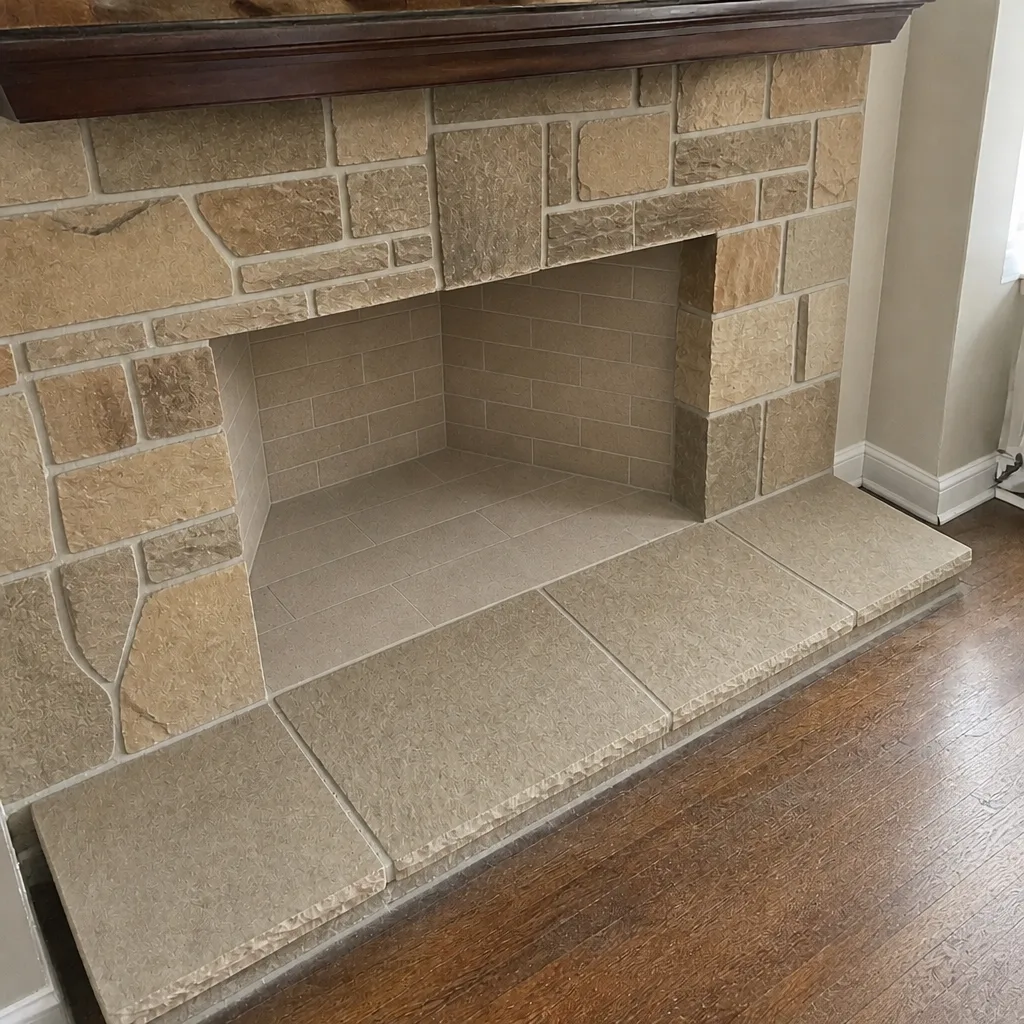
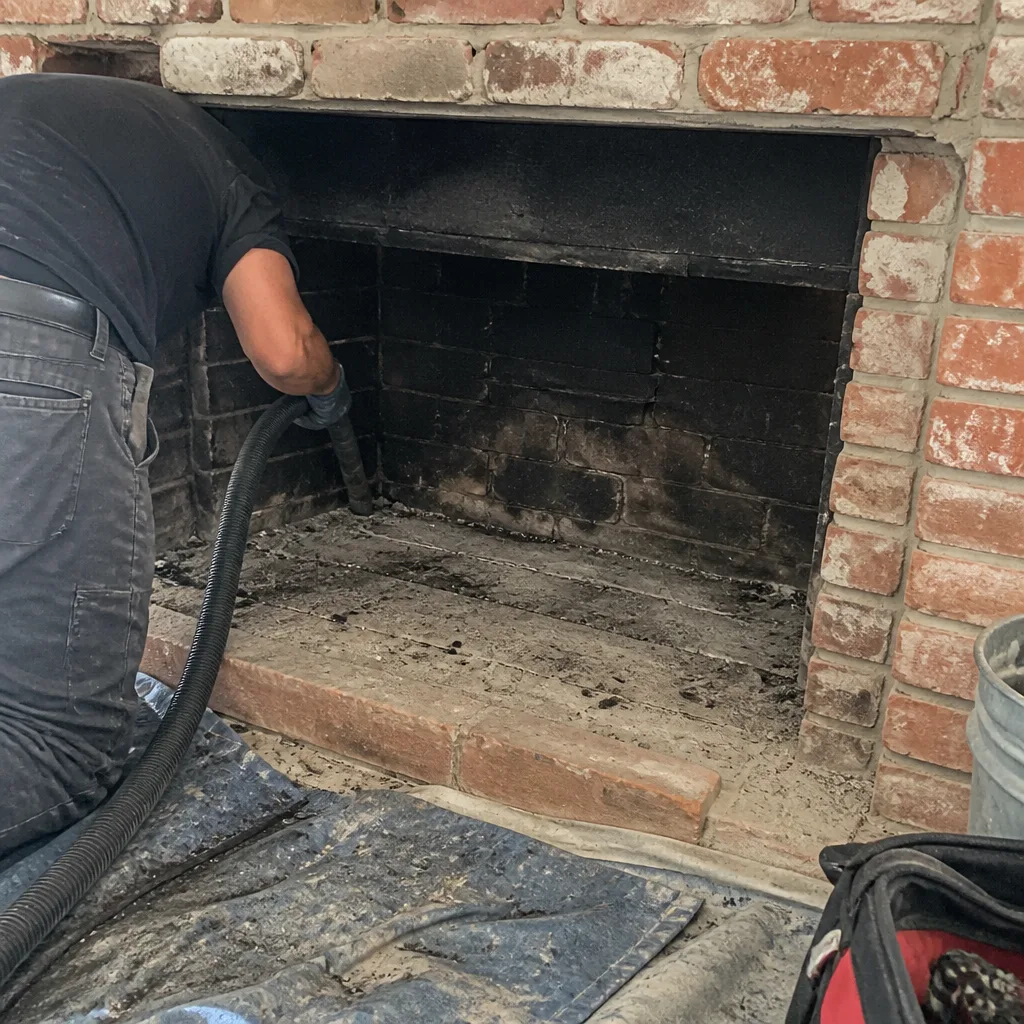
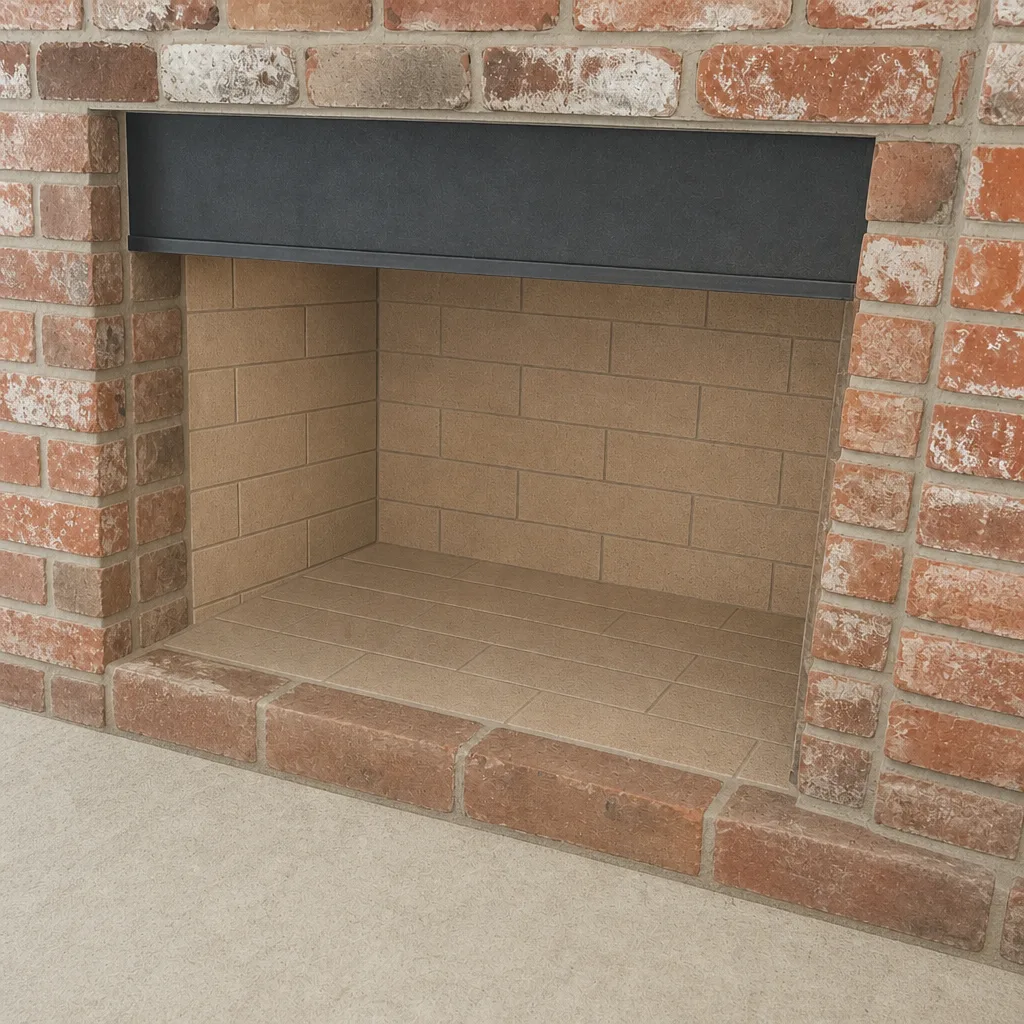
See the difference
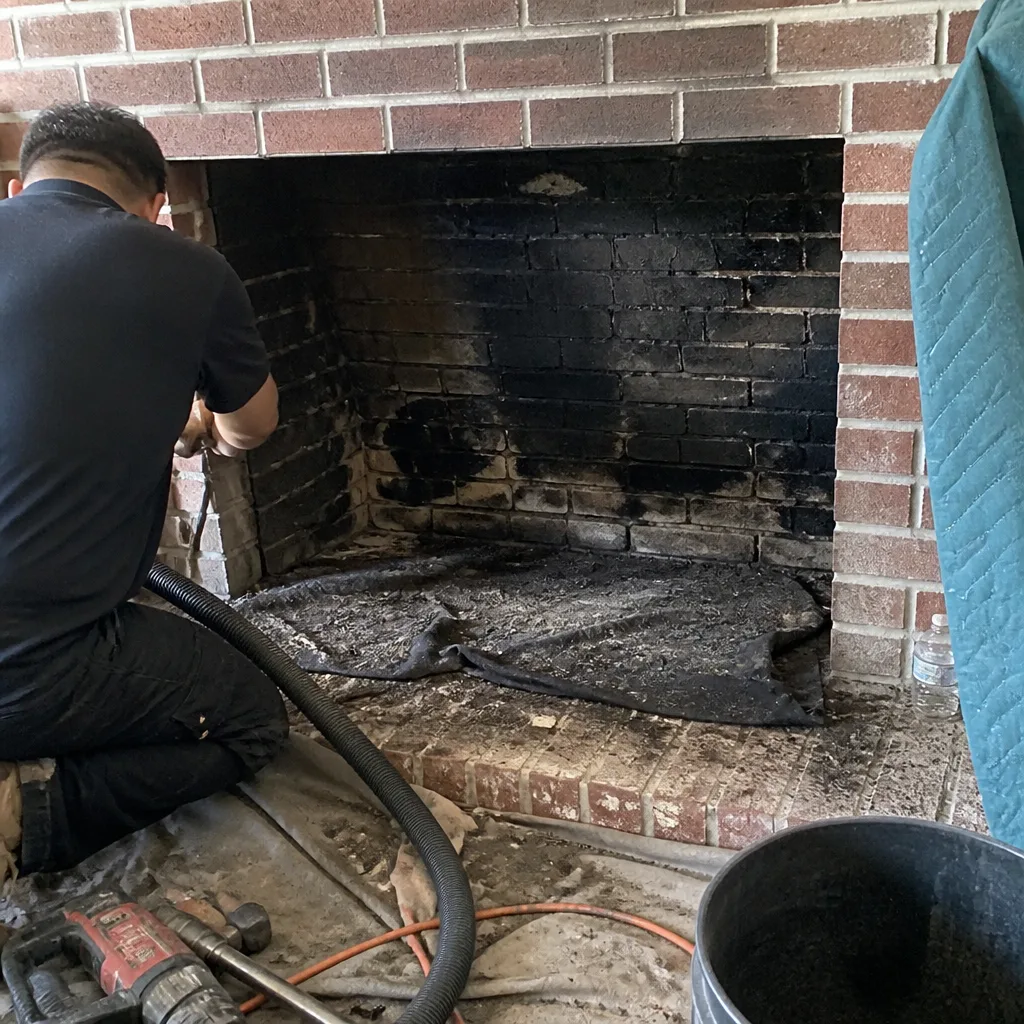 Before
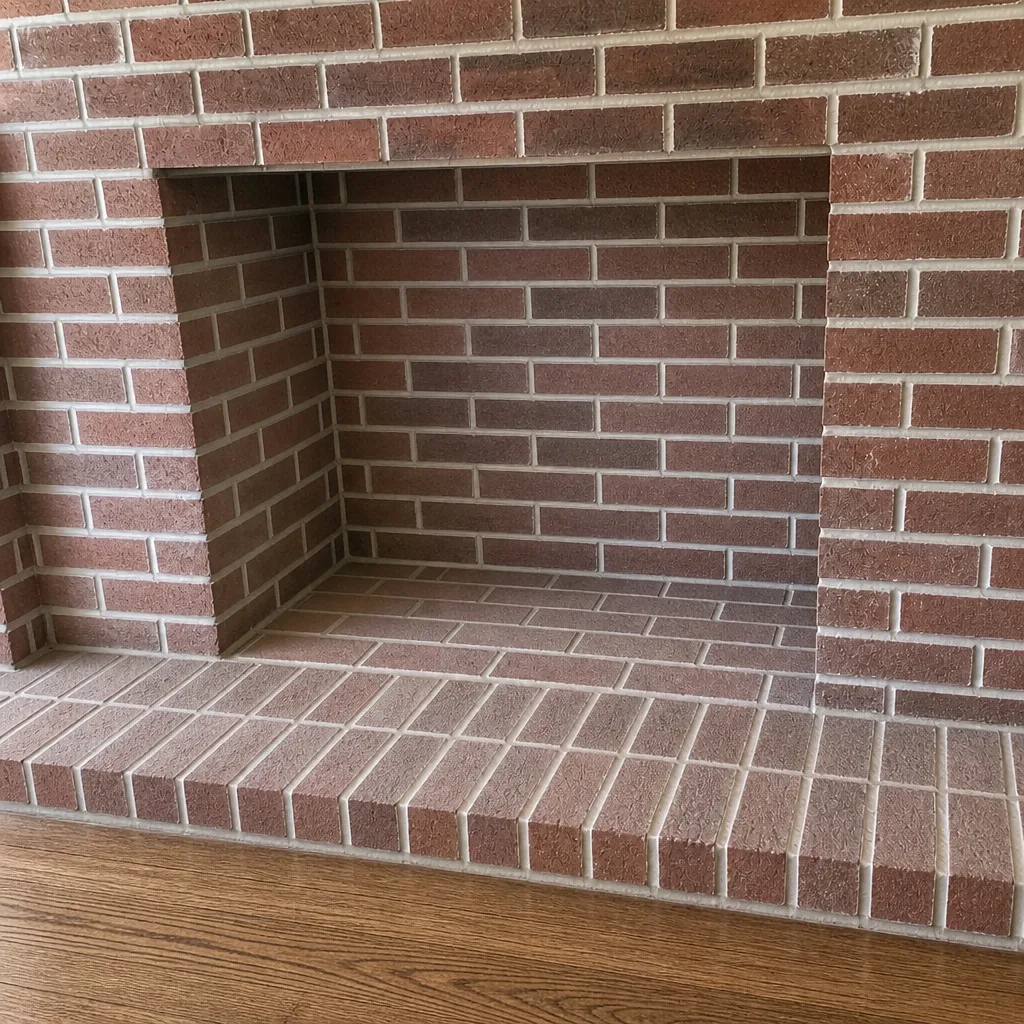 After
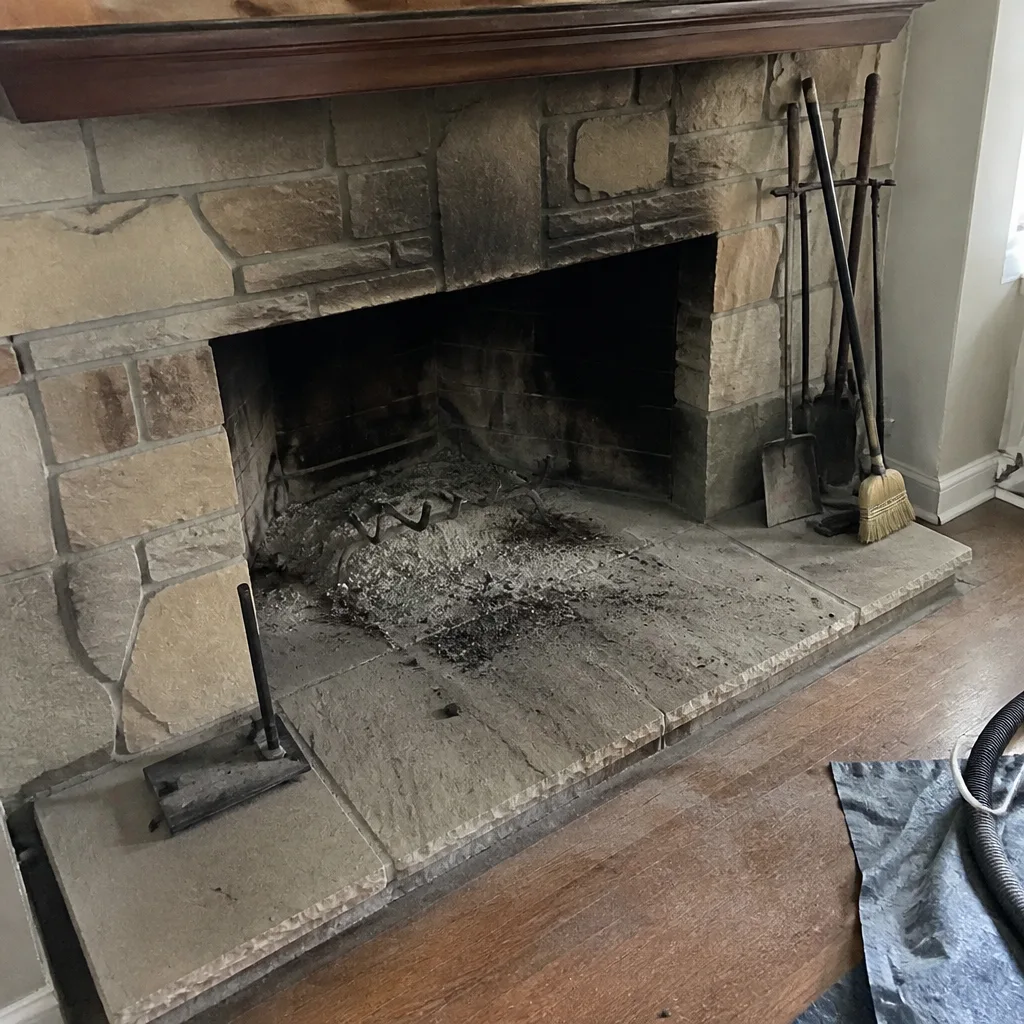 Before
 After
 Before
 After