
Last updated November 4, 2026
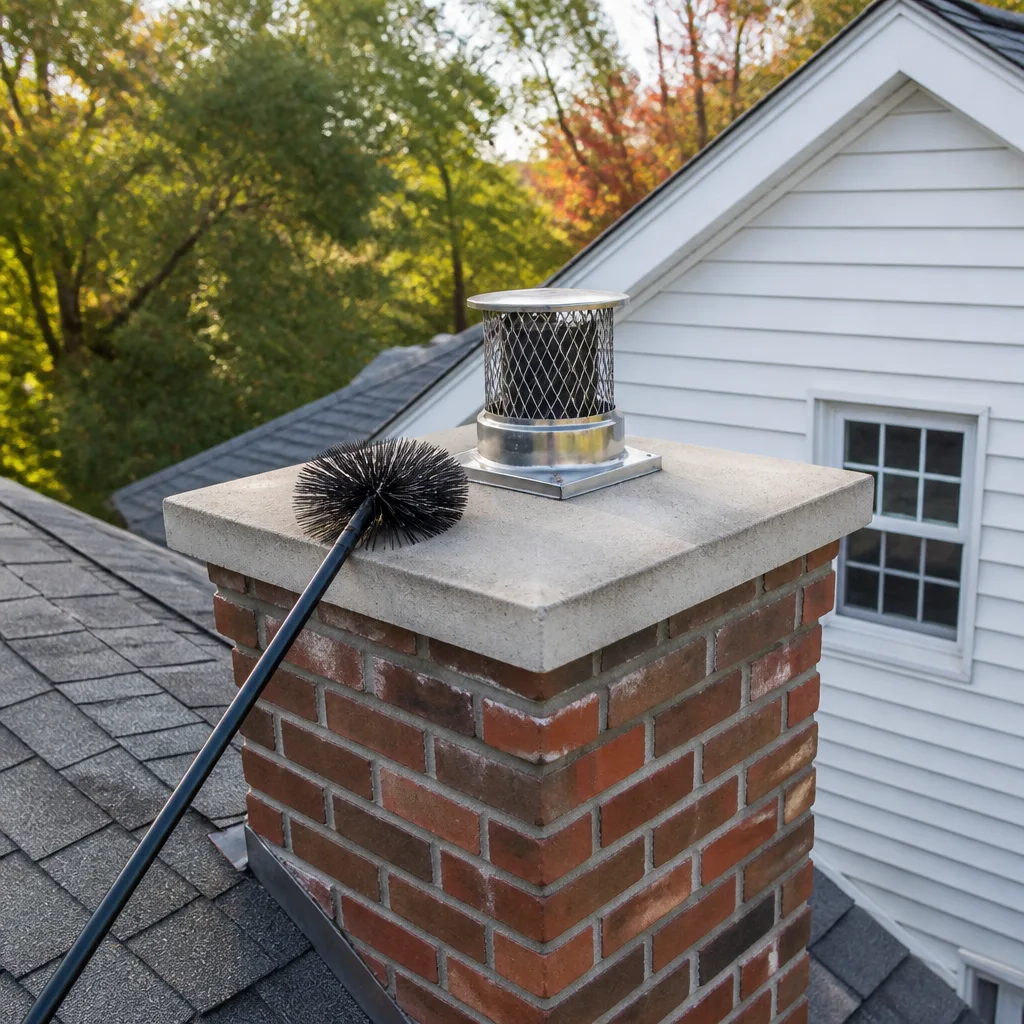 Sweep & inspection
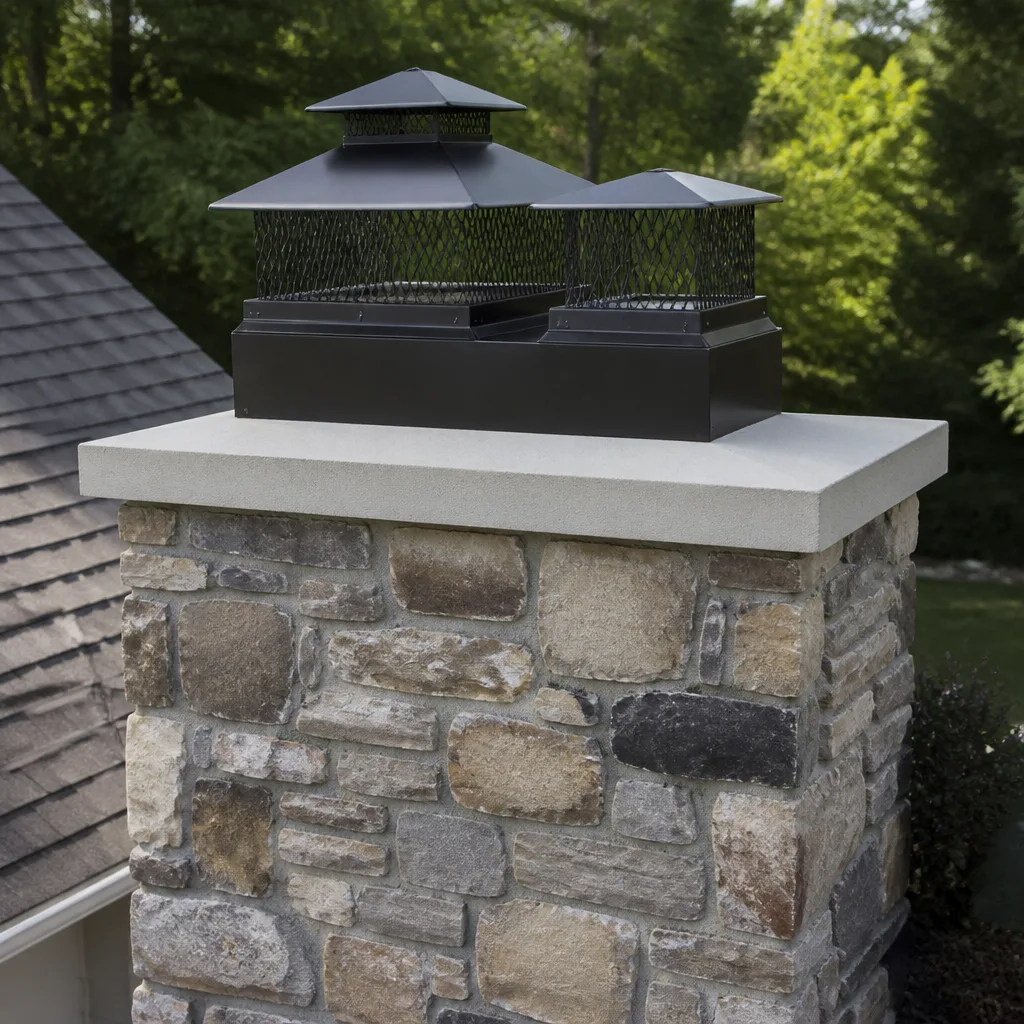 Caps & crowns
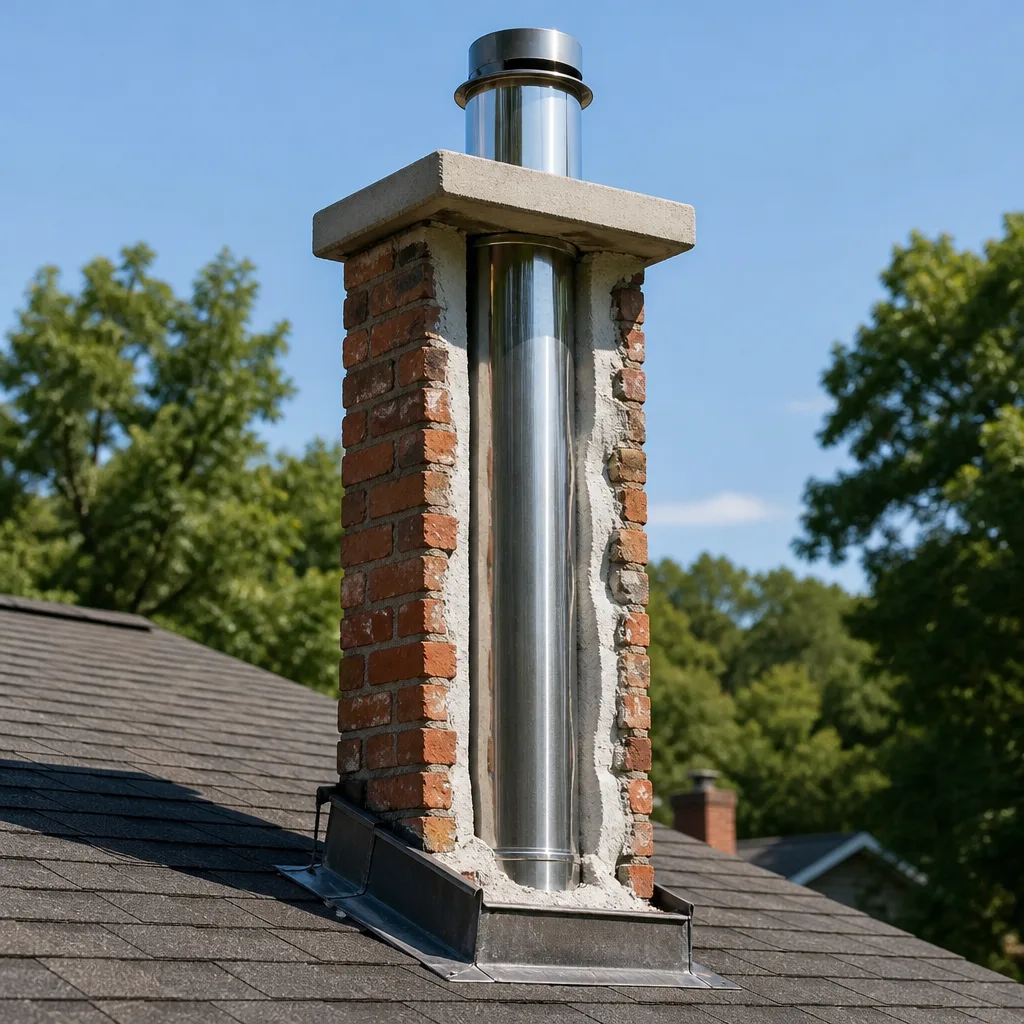 Flue relining
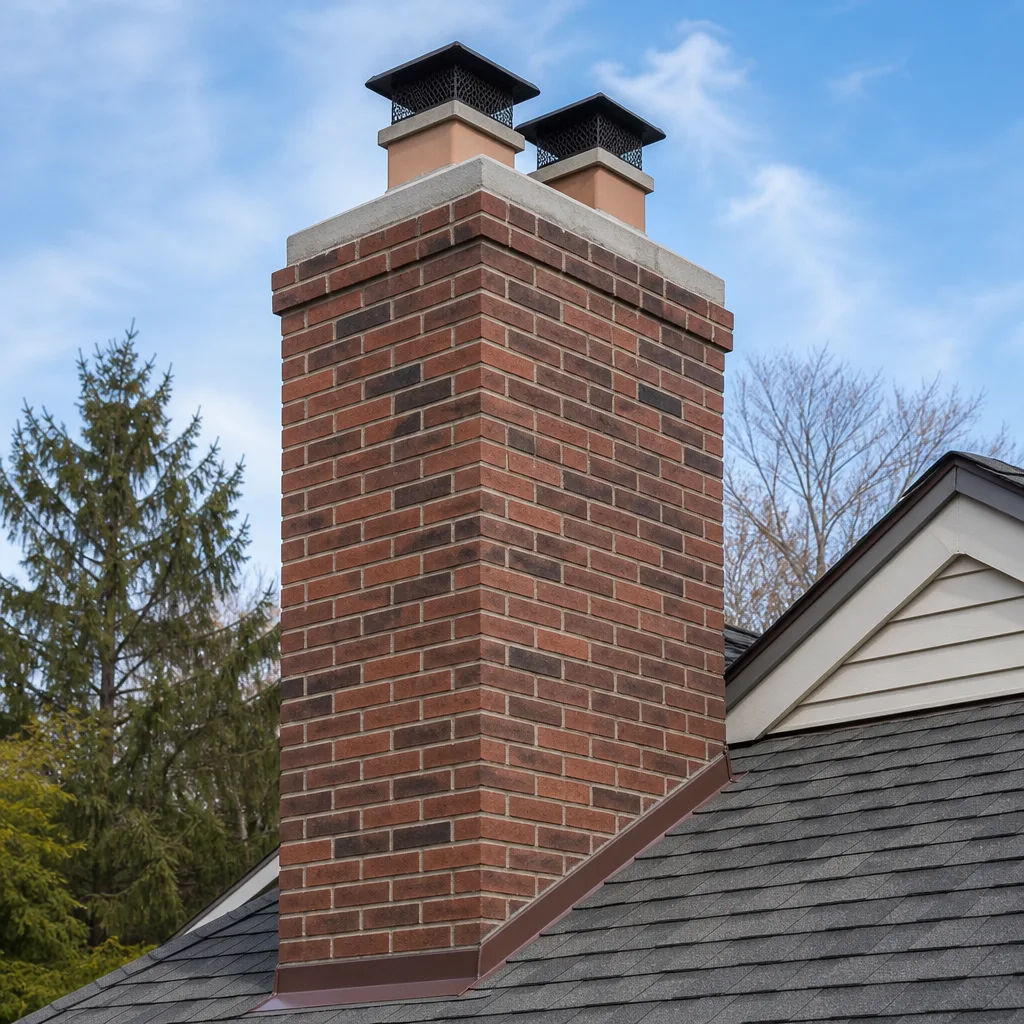 Masonry repair
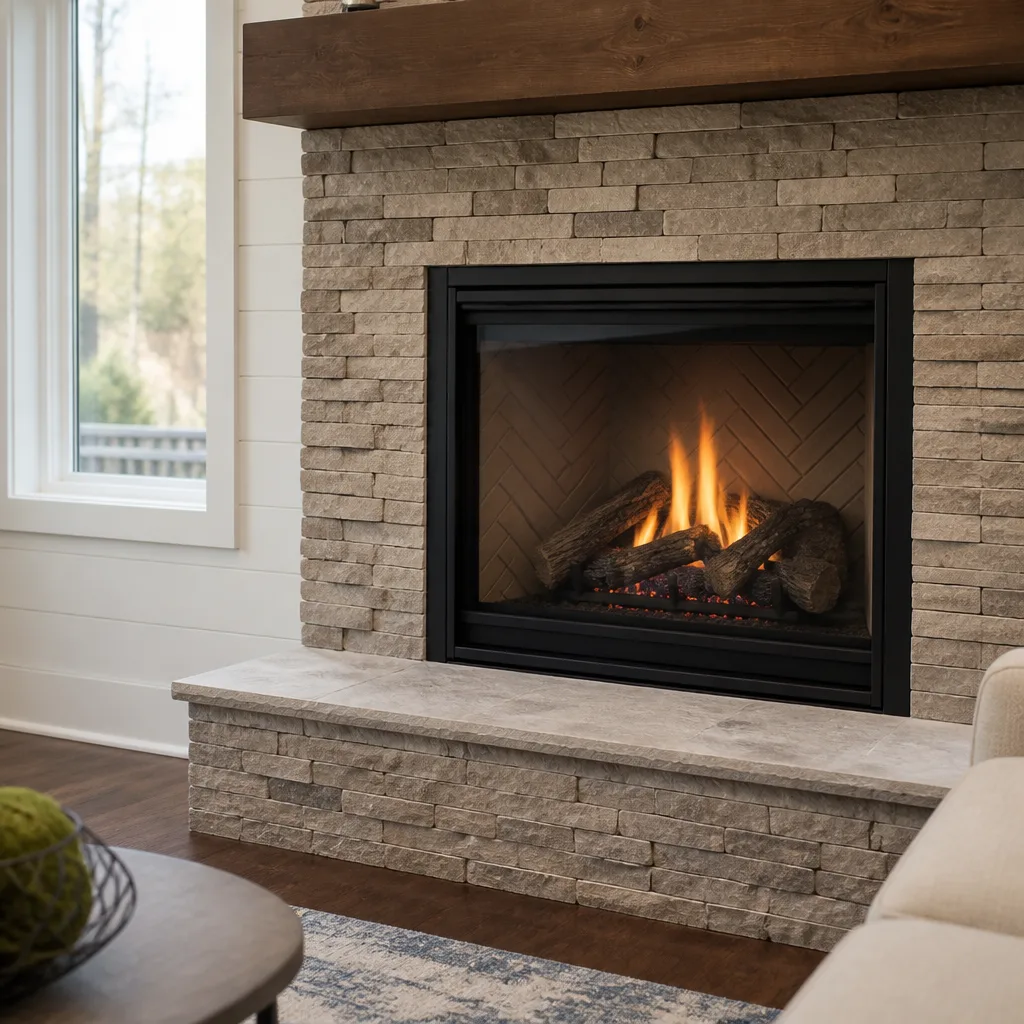 Gas fireplace service
Level 1 sweep and inspection to the NFPA 211 annual standard - flue, crown, cap, and flashing checked and photographed
Chimney sweep logs do not sweep chimneys. They loosen some creosote - which then falls where a brush and vacuum still have to collect it.
Chimney Sweep Maintenance Checklist for Tarzana Homeowners
The standard “inspect once a year” advice was written for Vermont, not for a hillside home in Tarzana that sits in a Red Flag Warning zone and had a 4.0 aftershock rattle its chimney crown last spring. Most national chimney checklists ignore the three things that actually damage flues here: ember exposure during Santa Ana events, earthquake-related mortar cracking, and acidic debris from valley oak and eucalyptus trees. This guide turns those local realities into a concrete, task-by-task schedule you can follow month after month. By the end, you’ll know exactly what to check, when to check it, what you can safely do from the roofline, and when to call a chimney sweep with a camera system.
Styles & brands we work with
- Sweep & inspection
- Caps & crowns
- Flue relining
- Masonry repair
- Gas fireplace service
Quick Answer
A chimney maintenance checklist for Tarzana homeowners should include monthly visual checks during fire season, a post-Santa Ana wind inspection, a post-earthquake crown and mortar check, and an annual professional sweep with camera inspection before burning season. If your chimney sits under eucalyptus or oak canopy, you’ll need twice-yearly cap cleanings because acidic leaf debris accelerates mortar erosion. Schedule your annual sweep in late summer or early fall, before the first fireplace use of the season.
Table of Contents
- Santa Ana Wind Season: October Through January
- Rainy Season Checks: December Through March
- Post-Earthquake Chimney Checks
- Crown and Cap Maintenance Near Tree Canopy
- The Annual Sweep: What Gets Done and Why
- Documenting Your Chimney Year Over Year
- Three Missed Items That Lead to Liner Replacements
- Common Mistakes to Avoid
- When to Call a Professional
- Frequently Asked Questions
- The Bottom Line
Santa Ana Wind Season: October Through January
Santa Ana winds are the single most overlooked chimney hazard in Tarzana. When a Red Flag Warning is in effect, embers can travel over a mile from a fire source. Your chimney cap is the first line of defense. Embers that enter an uncapped flue can ignite creosote buildup or, worse, land on your roof through a damaged spark arrestor. Every October, before wind season peaks, walk your property and look up at the chimney. You’re checking for three things: the cap is still seated squarely, the spark arrestor mesh has no rusted or torn sections, and nothing has nested in the flue since spring.
A monthly visual check from ground level takes less than five minutes. Use binoculars if you have them. Look for displaced caps, visible cracks running down the crown, or branches that now hang over the chimney. Eucalyptus trees shed limbs during high wind events. A single dropped limb can crack a clay flue liner or knock a cap loose. After every major Santa Ana event, do a walk-around. If you see cap damage, missing mortar chunks on the ground near the chimney base, or black soot staining on the exterior brick, call us. These are early warning signs that a flue has shifted or a cap has failed.
Keep the roof clear of leaf litter during wind season. Valley oak and eucalyptus leaves are lighter than pine needles and travel farther. They collect in roof valleys and around chimney bases, where they trap moisture against the masonry. Wet debris sitting against a chimney accelerates spalling, the flaking of brick faces that eventually exposes the softer inner material. A quick sweep of the roof edges with a leaf blower every few weeks during fall keeps this in check.
Rainy Season Checks: December Through March
Tarzana gets most of its rainfall between December and March, and the few inches we do get find every weakness in a chimney system. Rain entering through a cracked crown follows the path of least resistance, which is usually down the flue and into the smoke chamber or the fireplace itself. You’ll notice water in the firebox, a musty smell from the fireplace opening, or efflorescence, a white chalky deposit, on the exterior brick. Efflorescence means water is moving through the masonry and carrying mineral salts to the surface. It’s a sign that some part of the chimney is absorbing more water than it should.
During rainy months, check the firebox after every significant storm. A small amount of water is often condensation, but standing water or a persistent damp patch points to a crown crack or a failed cap. Check the walls and ceiling around the fireplace for stains. A leak that travels between the flue and the chase can show up on interior drywall before you see anything on the chimney itself. Flashing is another common entry point. The metal strip where the chimney meets the roofline should sit flat with no lifted edges or missing sealant. Tarzana roofing materials expand and contract with our hot summers, which slowly works flashing nails loose.
If you see any of these signs, the fix is usually straightforward when caught early. Crown resealing, flashing repair, and cap replacement are all small jobs compared to relining a flue that’s been soaking up water for three winters. But here’s what matters: you won’t know whether a damp firebox is condensation or a structural issue without a camera inspection. The visual difference between the two looks identical to most homeowners.
Post-Earthquake Chimney Checks
Chimneys are the most earthquake-vulnerable part of any house. They’re tall, rigid, and made of brittle material. A 4.0 aftershock, the kind that rattles dishes but doesn’t make the news, is enough to crack mortar joints and separate the stack from the roofline. In Tarzana, where the Santa Monica fault runs through the area, small to moderate seismic events happen more often than most people realize. After any quake you can feel inside the house, do a chimney check within 48 hours.
Start from the ground. Look for fresh cracks in the visible portion of the chimney, especially horizontal cracks or stair-step cracks that follow mortar joints. Look for shifted bricks or a gap between the chimney and the roof flashing. Go into the attic if it’s accessible and check the chase where the flue passes through. Separation between the flue tiles and the surrounding structure is a structural concern. From inside the house, open the damper and look up the flue with a flashlight. Cracks in the flue liner are hard to see without a camera, but large spalls or dislodged tile pieces may be visible from below.
If the quake was strong enough to knock items off shelves or open cabinet doors, call us for a camera inspection even if everything looks fine. Flue liner cracks from seismic shifting are invisible from the exterior and from the firebox. A cracked liner isn’t a minor issue. Hot gases and embers can reach the framing through those cracks, and that’s how chimney fires start inside walls. The inspection takes less than an hour, and the images tell you exactly where you stand.
Crown and Cap Maintenance Near Tree Canopy
Most of Tarzana’s older neighborhoods have mature tree canopy. That’s part of what makes the area feel established, but it’s also a steady source of chimney damage. Eucalyptus debris is more acidic than pine needles, and when it collects on a chimney crown, it accelerates mortar erosion measurably faster. Valley oak leaves are less acidic but heavier and more likely to clog cap screens. If you have any tree within 20 feet of your chimney, you’re on a twice-yearly cap inspection schedule instead of the annual one most checklists recommend.
The cap screen is the weak point. It’s a fine metal mesh designed to keep sparks in and animals out. But fine mesh means fine debris gets caught. Eucalyptus flowers, leaf fragments, and dust build up on the screen and restrict airflow. A restricted cap causes poor drafting, which pushes smoke back into the house on start-up and causes creosote to accumulate faster than normal. You can check cap blockage from the ground with binoculars. Look for a visible layer of debris on top of the mesh or staining on the cap itself.
Cleaning a cap properly requires accessing the roof, and we recommend leaving that to a pro unless you have a safe roof line and the right ladder setup. What you can do from the ground is trim any branch that hangs within ten feet of the chimney. That’s a tree work job, but it reduces the debris load dramatically. Between professional cleanings, a quick binocular check after each major wind event will tell you whether the cap is holding up or needs attention sooner than your scheduled sweep.
The Annual Sweep: What Gets Done and Why
The National Fire Protection Association says chimneys should be swept when creosote reaches 1/8 inch of buildup, and for most Tarzana homes that means once a year. The timing matters. Book your sweep in late summer or early fall, before the first fireplace use. This gives you time to address any findings before you’re counting on the fireplace for heat or ambiance, and it avoids the fall rush when every sweep in the Valley is booked out for weeks.
A proper sweep is more than running brushes through the flue. The process looks like this:
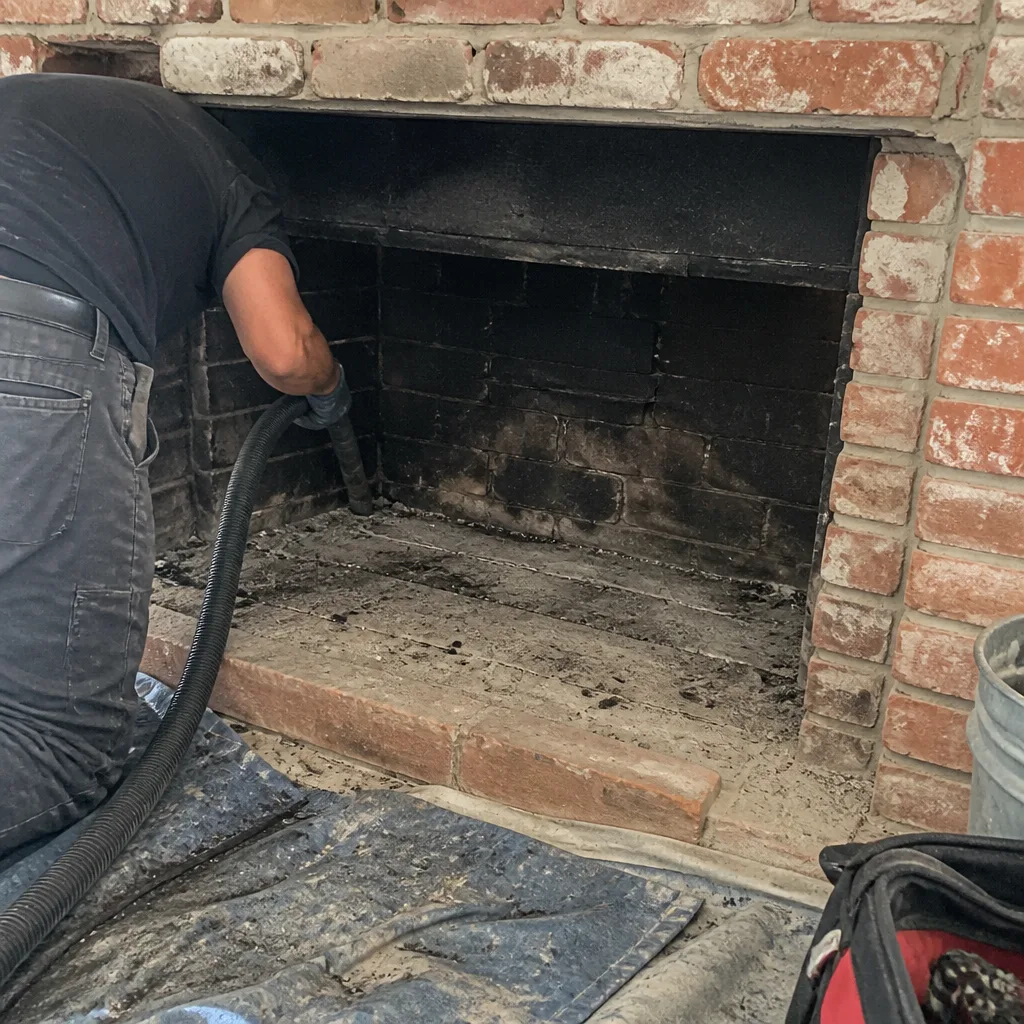
- The technician sets drop cloths and runs a specialized vacuum system to contain the soot.
- The flue is brushed from the top down or bottom up, depending on construction, using brushes sized to the flue diameter.
- The smoke chamber and smoke shelf are cleaned and inspected.
- The damper is checked for operation and proper seating.
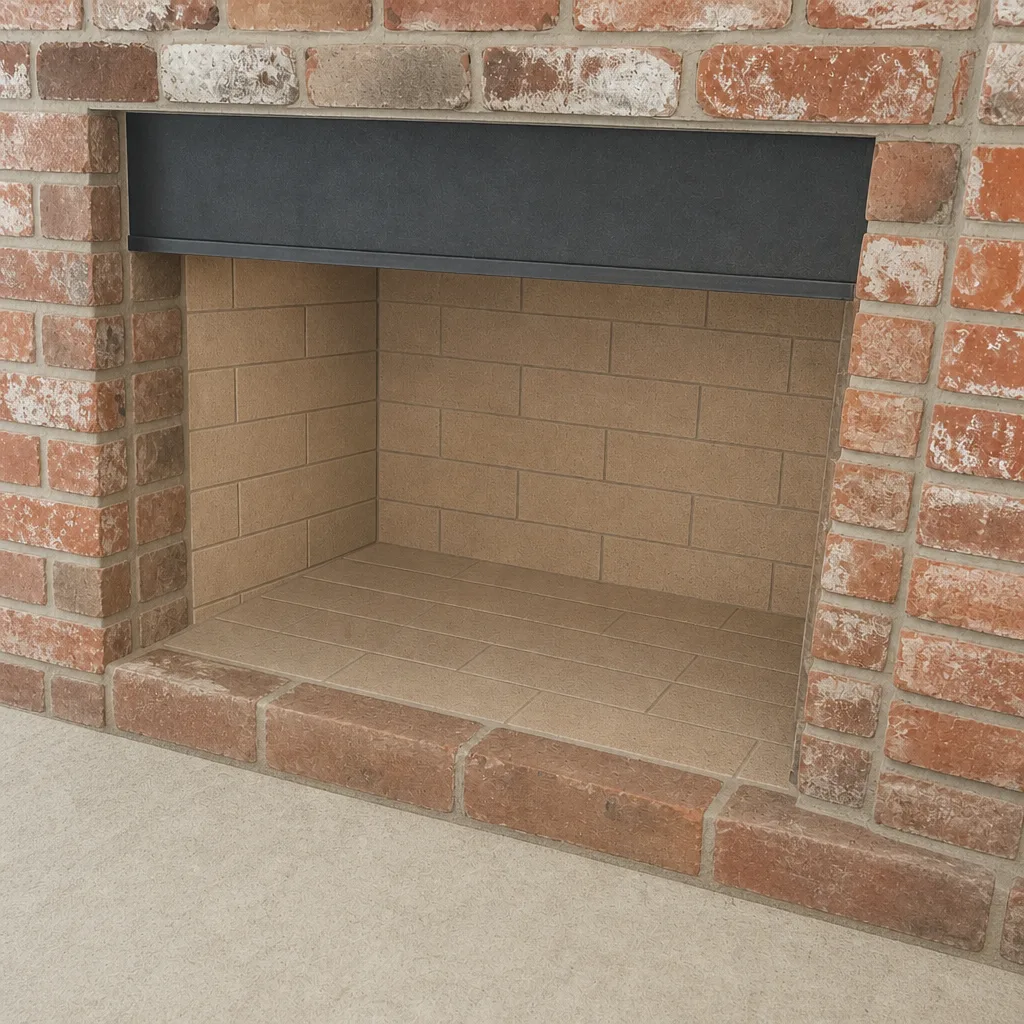
- The firebox is cleaned and checked for cracks, gaps, and damaged refractory panels.
- A camera inspection is run through the full flue to document liner condition.
- The cap, crown, and flashing are inspected from the roof.
That camera inspection is the most important part of the visit, and it’s the part many cut-rate sweeps skip. Without camera images, a sweep can’t tell you whether the liner has internal cracks, whether mortar joints have failed between tiles, or whether there’s hidden damage from a past chimney fire. If your sweep doesn’t use a camera, you’re paying for cleaning but not for inspection.
Our sweep includes the camera inspection as standard. We also check the things you can’t see from the ground: crown condition from above, flashing seal from roof level, and the interior of the cap assembly. If we find something that needs repair, we quote it on the spot. You don’t have to call a second company. The repair capability matters in Tarzana specifically because so many inspections turn up crown cracks or cap damage from tree canopy and wind events. Found during your sweep, fixed by the same team.
Documenting Your Chimney Year Over Year
Insurance carriers are asking harder questions about maintenance history, especially in wildfire-prone areas like Tarzana. If you ever file a claim involving fireplace or chimney damage, having a documented maintenance record changes the conversation. Waiting until you need the records to start keeping them doesn’t work. The process is simple.
First, take photos. After every professional sweep, take a photo of the report you receive. If the report includes camera images, save those. Stand in the same spot and photograph the exterior of the chimney once a year, ideally in the same season. Side-by-side comparison over three or four years shows gradual changes that your eye might miss month to month. Second, keep a simple log. A note on your phone or a sheet in a file folder works. Date, what was checked, what was found, what was done. Three lines. That’s the whole system.
This documentation does two things. It proves to your insurer that the chimney was maintained to a reasonable standard, which matters if you ever have a chimney fire or a water damage claim from a flue leak. And it gives any technician a baseline to compare against. When we see a chimney for the first time and you hand us three years of photos and reports, we know what’s changed. That’s often the difference between a small repair now and a major rebuild later.
Three Missed Items That Lead to Liner Replacements
Liner replacement is the most expensive repair most homeowners face, and it’s usually preventable. Three maintenance items get skipped so regularly that we see the same pattern in home after home across Tarzana.
First: the chimney cap gets ignored. A missing or damaged cap lets rain in, and rain mixing with creosote creates an acidic slurry that eats at mortar joints in the flue liner. Once moisture gets into the flue system, the damage compounds every season. Caps are inexpensive compared to liners. A $300 cap replacement beats a $6,000 reline every time.
Second: the crown is never resealed. The concrete crown sits on top of the chimney and sheds water like a sloped roof. Over time, the seal between crown and flue tile develops hairline cracks. Water seeps in, works its way between the outer flue tile and the inner liner, and breaks down the mortar from the inside. Crown resealing is a maintenance item, not a repair item, but it’s skipped because it’s on the roof and out of sight.
Third: creosote is allowed to sit between seasons. Tarzana homeowners who burn only in winter often skip the spring cleaning. The thinking is that a few fires don’t produce much buildup. But creosote is hygroscopic, it pulls moisture from the air. A thin layer of creosote left over the summer absorbs humidity, expands, and becomes more corrosive to the liner than it was in winter. We recommend sweeping at the end of the burning season, not just the beginning. Kill two birds with one call if you also need dryer vent cleaning, which most homes need on an annual cycle anyway.
When a liner does fail, the fix isn’t always a full reline. Products like HeatShield ceramic flue resurfacing and DuraFlex flexible liner systems are designed for restoration work. HeatShield can resurface a cracked clay liner without removing it, and DuraFlex gives you a new stainless liner inside the existing flue. Both are professional-grade materials from brands we stock and install. We don’t patch with generic material and call it done. Built to last, not patched to pass.
Common Mistakes to Avoid
- Skipping the post-Santa Ana check. High wind events loosen caps, crack crowns with flying debris, and dump tree litter onto your roof. A five-minute ground check after each major event catches small problems before they become water intrusions.
- Sweeping without a camera inspection. A brush cleaning tells you the flue is clean. It doesn’t tell you the liner is sound. Camera footage is the only way to document internal condition, and it’s the baseline you need for year-over-year comparisons.
- Ignoring the cap because “it was fine last year.” Cap screens clog fast under eucalyptus and oak canopy. A clogged cap causes drafting problems and creosote buildup, and you’ll blame the fireplace for what’s really a $150 screen replacement.
- Waiting until fall to book a sweep. Tarzana sweeps book out weeks in advance during September and October. If you wait for the first cold night to call, you may sit through a month of fireplace weather with an uninspected flue.
- Treating a damp firebox as normal condensation. Repeated dampness after rain is a leak signal. Condensation in a Tarzana fireplace doesn’t pool and it doesn’t smell musty. If it does either, get it looked at.
- Doing earthquake checks only after big quakes. Small events, the ones that feel like a truck going by, are the ones that cause hairline liner cracks. Check after every quake you can feel, not just the ones that make the news.
- Letting tree branches hang over the chimney. Branches drop debris, scrape caps, and during Santa Ana winds they become projectiles. Keep the area within ten feet of the flue clear.
When to Call a Professional
Call a professional if you see efflorescence on the exterior brick, water pooling in the firebox after rain, a cap that’s shifted or missing, or cracks in the crown wider than a credit card edge. Call after any earthquake strong enough to knock items from shelves, even if the chimney looks fine from the ground. And call if you smell smoke in the house when the fireplace isn’t in use, which can signal a drafting problem or a damaged flue. Some checks are safe to do from the ground with binoculars. Getting on a roof to inspect a crown or cap is not worth the risk without proper equipment. Chimney Sweep Tarzana offers free estimates, and a camera inspection gives you a clear picture before you spend anything on repairs. Call (877) 269-3953. We answer 24/7. Fast dispatch from 7am to 7pm, Sunday through Friday.
Frequently Asked Questions
Once a year is right for most Tarzana fireplaces that see seasonal use, with the sweep scheduled before the first burn of fall. If you burn more than two cords a year or your cap sits under heavy tree canopy, twice-yearly sweeping may be appropriate. Your sweep will tell you after the first inspection whether your burn rate warrants a more frequent schedule. Call (877) 269-3953 to schedule a sweep and get a recommendation based on camera inspection, not guesswork.
A Tarzana-specific checklist adds three items to the national standard: a post-Santa Ana cap and crown check, a post-earthquake mortar and liner check, and a tree-debris assessment if eucalyptus or oak canopy overhangs the flue. The standard items remain the same: annual sweeping, camera inspection, damper check, and flashing inspection. Together, these cover the local failure modes that generic checklists miss.
You can safely inspect from the ground with binoculars and check the firebox, damper, and attic chase from inside the house. Getting onto the roof to examine a crown or cap up close is a different matter. Roof access requires proper ladders, fall protection on steeper pitches, and tile roofs common in Tarzana are easy to crack underfoot. Let a professional handle anything that requires being up there. The ground-level and interior checks give you enough information to know when it’s time to call.
Not necessarily. Hairline liner cracks can often be addressed with HeatShield ceramic flue resurfacing, which seals the existing clay liner without removal. Larger failures or flues being converted for a stove insert may need a DuraFlex flexible liner system instead. The camera inspection shows the extent of the damage, and the repair recommendation follows from what the images show. We don’t recommend liner work unless the camera evidence supports it. Get a free estimate with camera inspection by calling (877) 269-3953.
Chimney sweep pricing in Tarzana typically runs from $180 to $350 for a standard fireplace sweeping, depending on flue condition, accessibility, and whether additional services like dryer vent cleaning are bundled. Final pricing is set by a written estimate after the technician sees the chimney. Estimates are free, and we provide camera inspection as part of the sweep so you see exactly what was done and what condition the liner is in.
Creosote continues to accumulate, water intrusion gets worse, and the liner degrades on a timeline you can’t see from outside. By the time you notice signs, smell, drafting problems, water stains, the damage usually extends to the liner or the surrounding masonry. A liner replacement costs several times what annual maintenance would have. In the best case you catch it early with a camera inspection. In the worst case a chimney fire or a structural crack forces the issue. Skipping maintenance doesn’t delay the cost. It compounds it.
The Bottom Line
Chimney maintenance in Tarzana isn’t a once-a-year formality. It’s a seasonal rhythm built around the things this Valley throws at chimneys: Santa Ana embers, seismic shocks, and acidic tree canopy. The homeowners who stay ahead of problems do three things consistently. They check the chimney after every weather event and earthquake. They get a camera-inspected sweep every year before burning season. And they keep a simple photo log that documents the condition over time. None of this is expensive. What’s expensive is the liner replacement that follows years of skipped checks. If you haven’t had a camera inspection in the last two years, start there. You’ll know exactly where your chimney stands, and you can build your maintenance schedule on facts instead of assumptions.
Call (877) 269-3953 for a free estimate. We answer 24/7. Fast dispatch from 7am to 7pm, Sunday through Friday.
Written by the team at Chimney Sweep Tarzana, serving Tarzana since 2014.
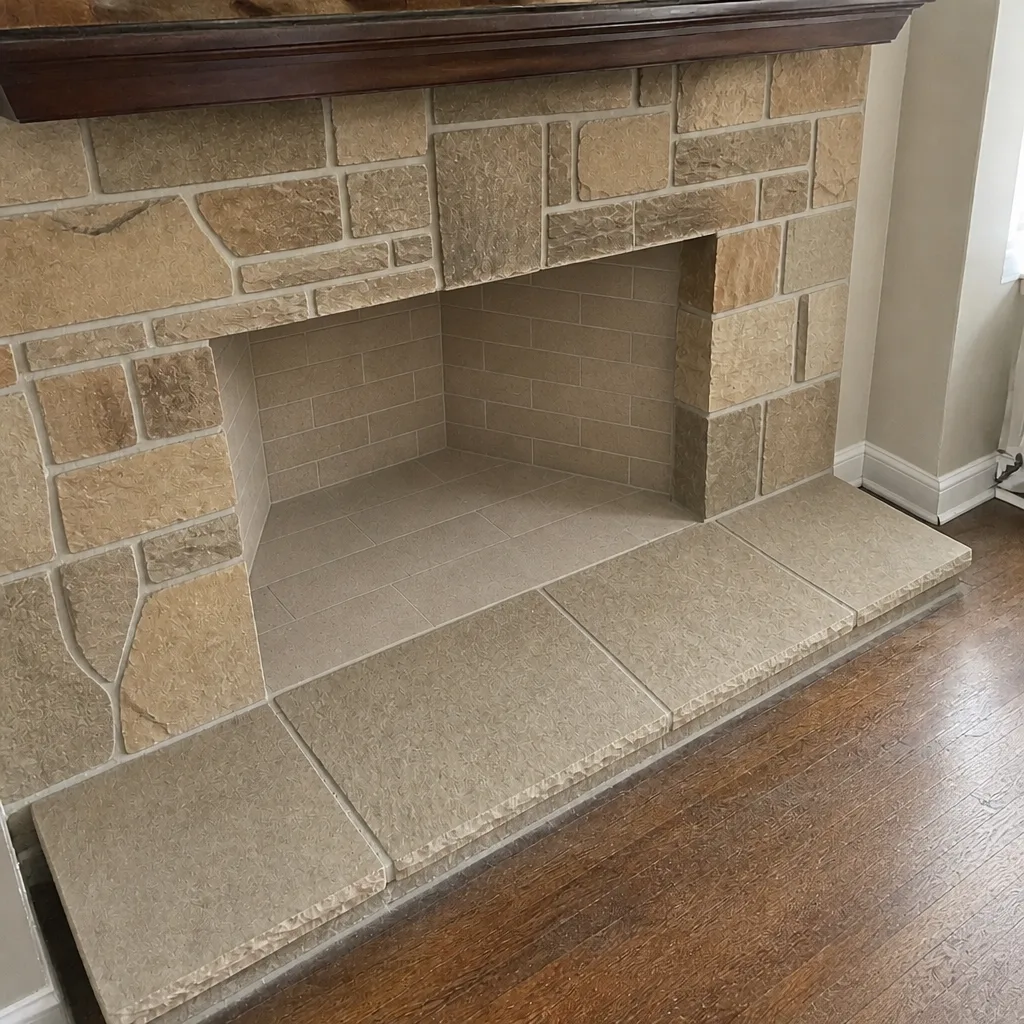
See the difference
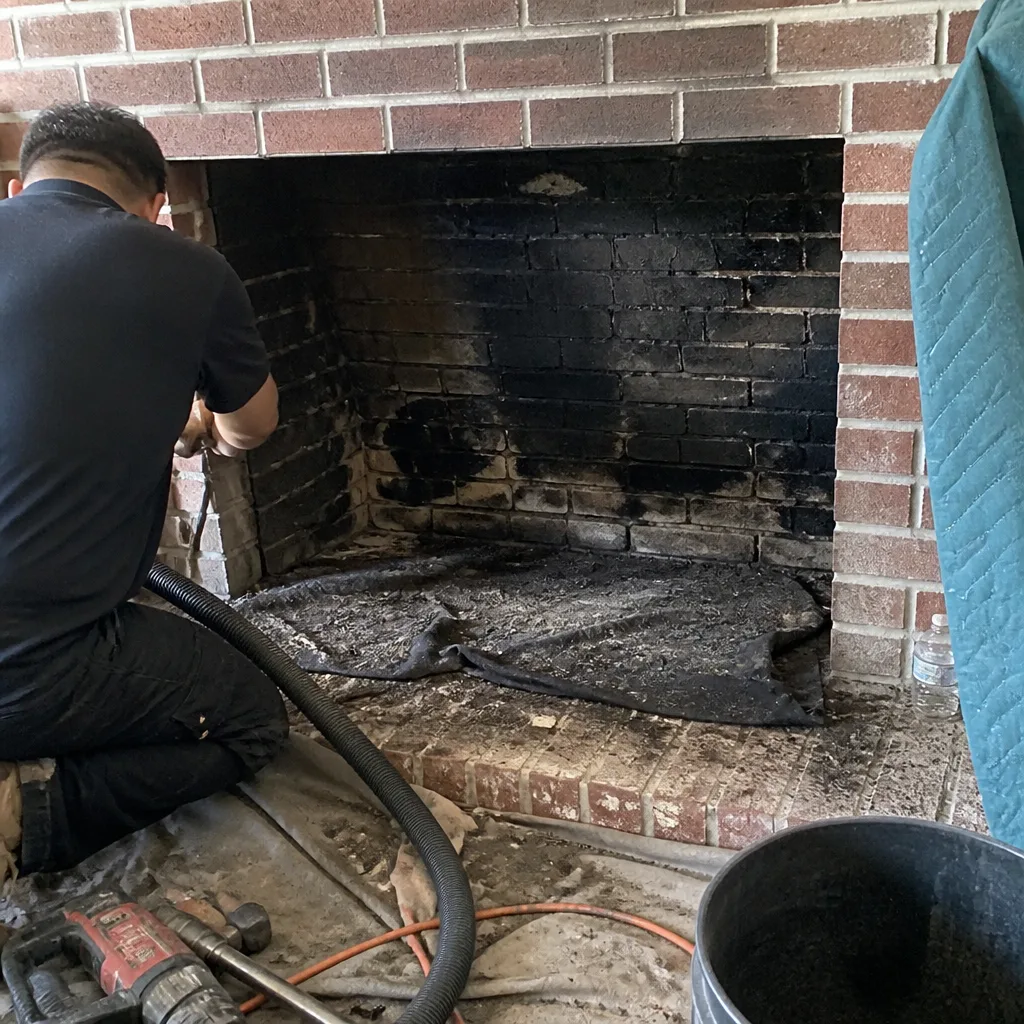 Before
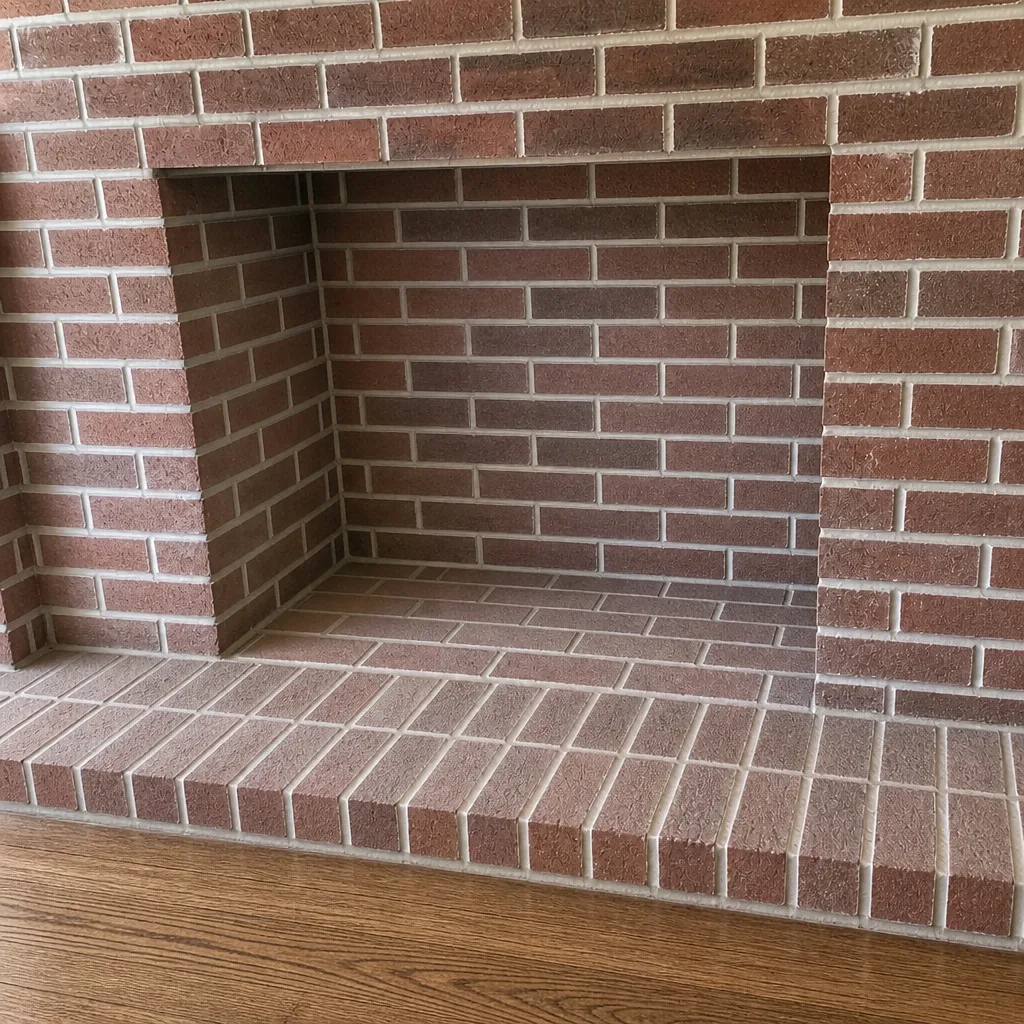 After
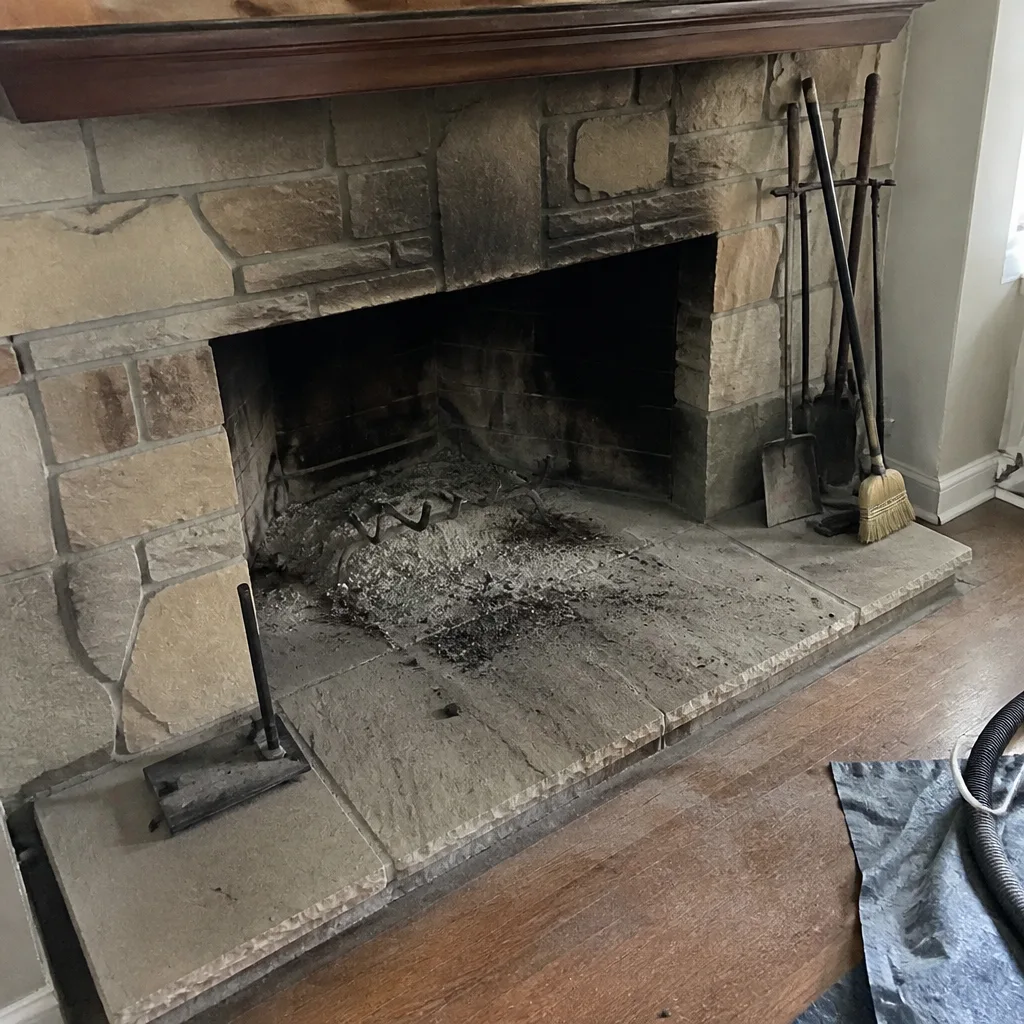 Before
 After
 Before
 After