
Last updated November 4, 2026
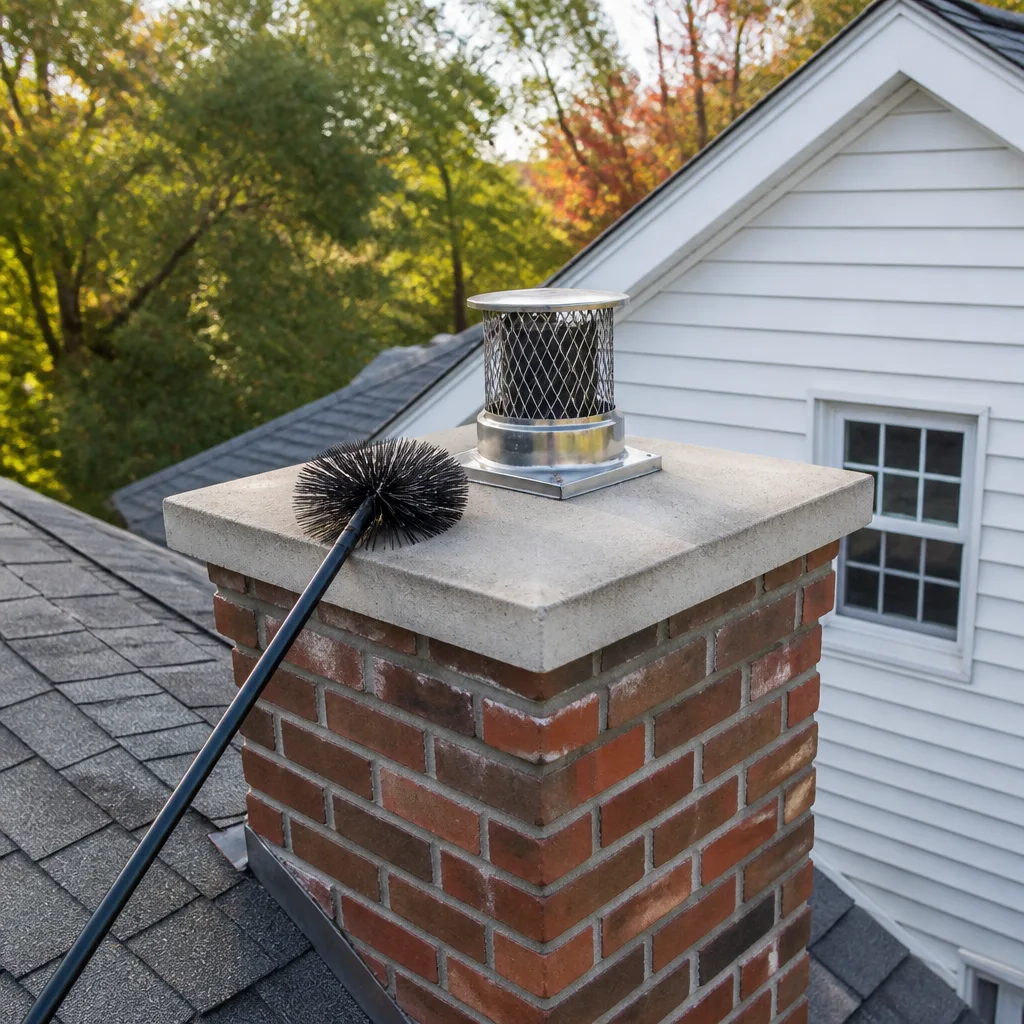 Sweep & inspection
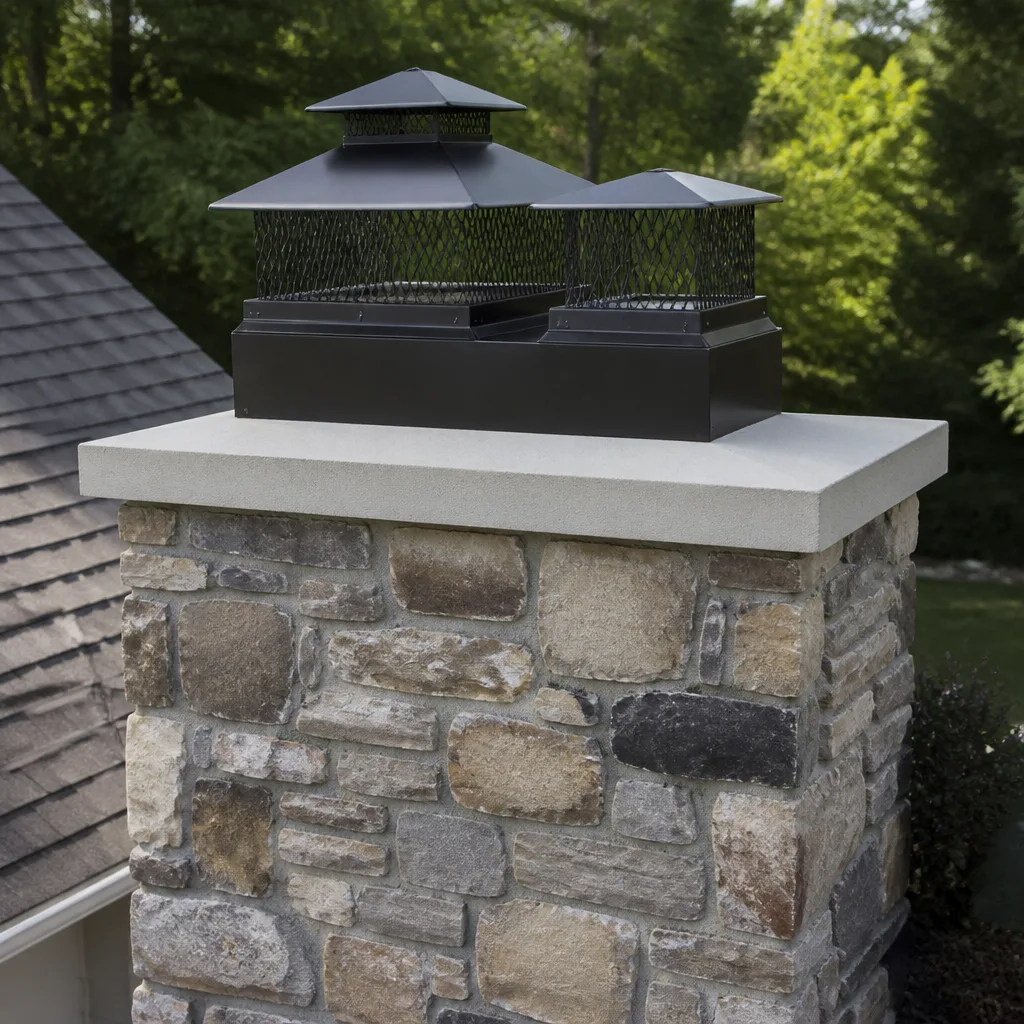 Caps & crowns
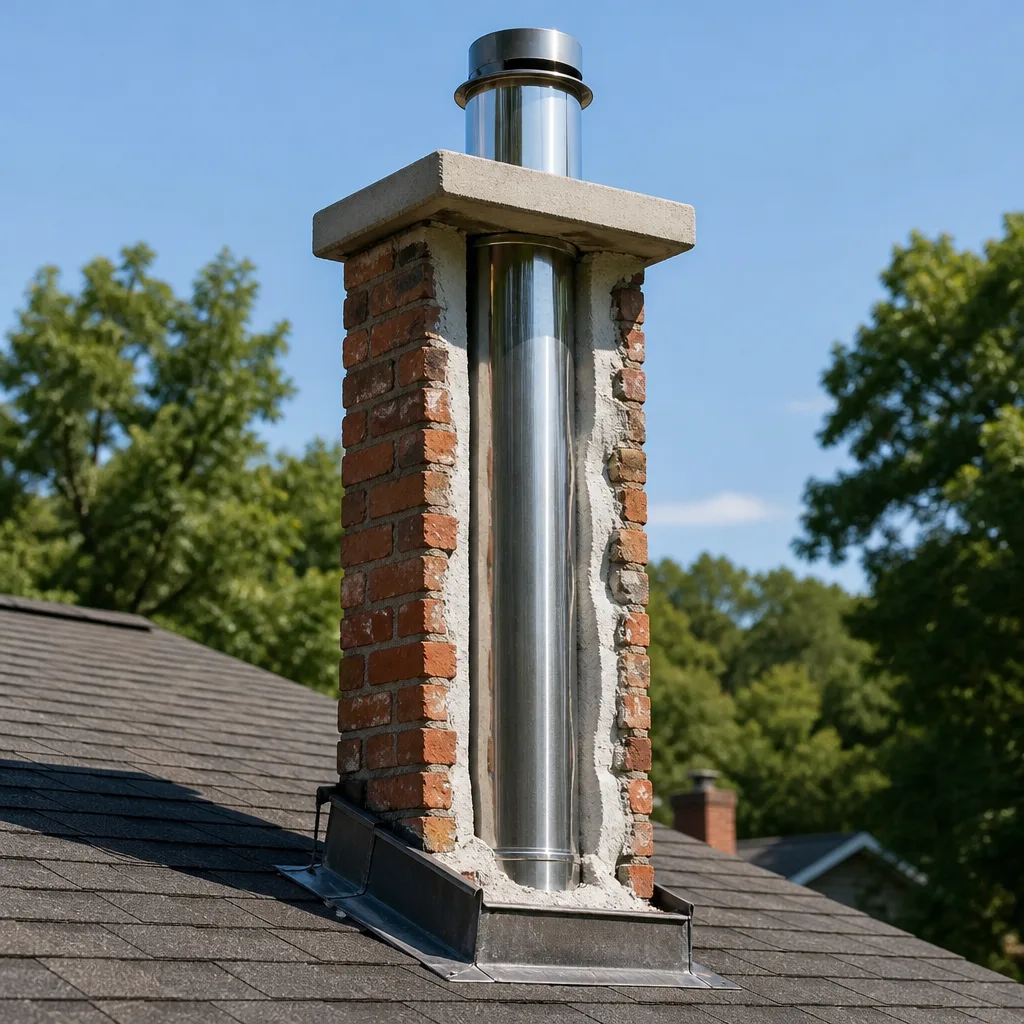 Flue relining
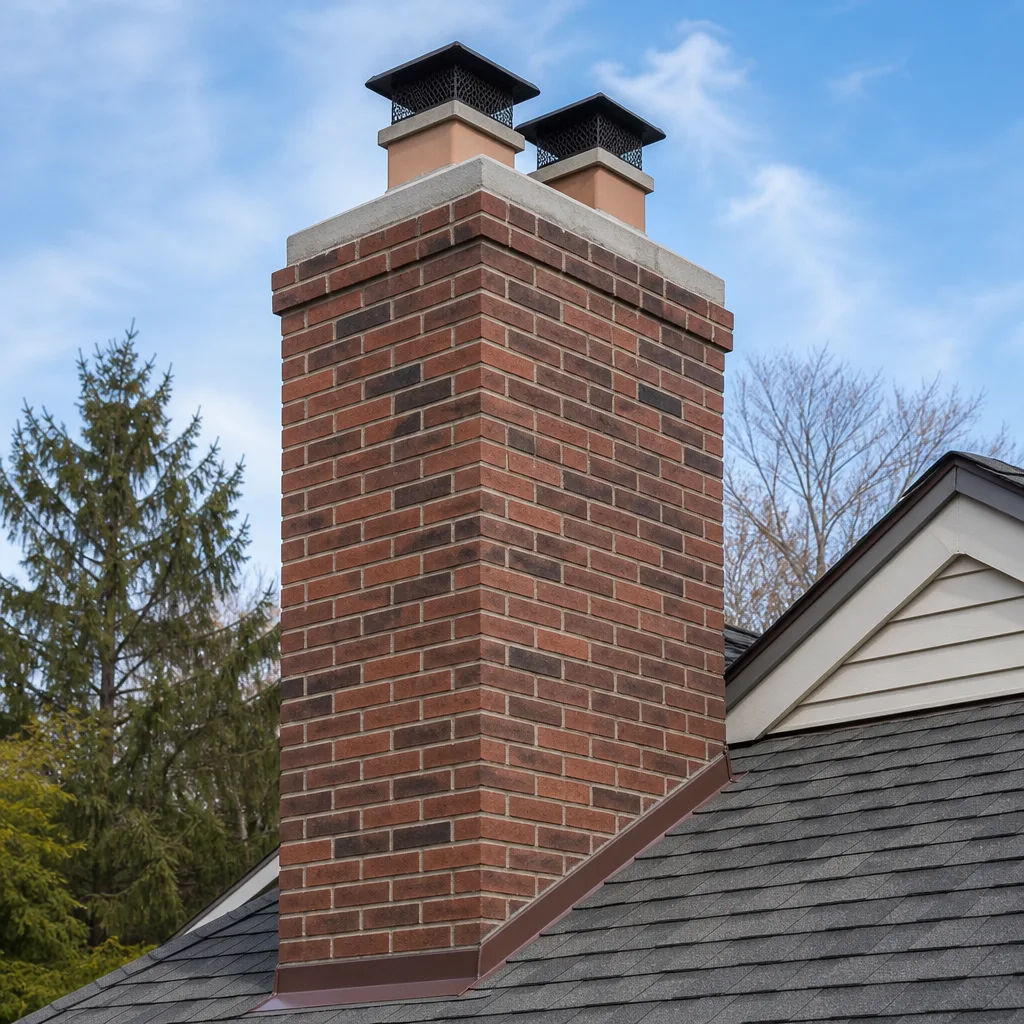 Masonry repair
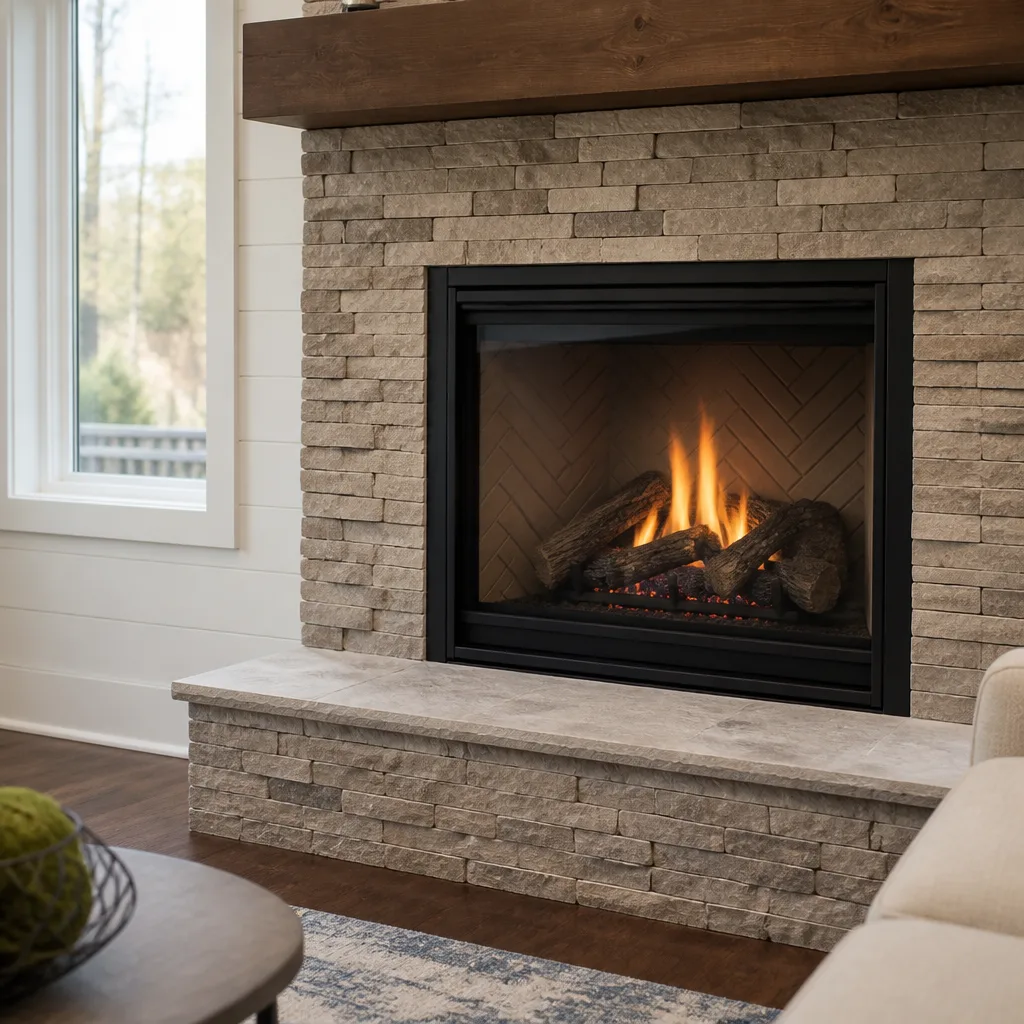 Gas fireplace service
Level 1 sweep and inspection to the NFPA 211 annual standard - flue, crown, cap, and flashing checked and photographed
Chimney sweep logs do not sweep chimneys. They loosen some creosote - which then falls where a brush and vacuum still have to collect it.
Choosing the Right Chimney Cleaning Brand: A Buyer’s Guide for Tarzana
Here’s something most homeowners never hear: the difference between a good chimney cleaning and a worthless one often comes down to a product catalog, not a broom. Two sweeps can show up at the same house in Tarzana, both wearing work boots and claiming to clean chimneys. One unloads a rotary cleaning system and a Poultice Creosote Remover that actually dissolves third-degree glaze. The other pulls out a hardware-store brush with bent bristles and a bucket of generic soot spray that mostly just makes the fireplace smell like chemicals for a week. The homeowner paid roughly the same either way. This guide explains which brand decisions actually change the safety and longevity of your chimney, which ones are marketing noise, and how to ask the questions that separate a specialist from a guy with a truck.
Styles & brands we work with
- Sweep & inspection
- Caps & crowns
- Flue relining
- Masonry repair
- Gas fireplace service
Quick Answer
The right chimney cleaning brand isn’t a single product with a logo. It’s a combination of professional-grade mechanical equipment, a CSIA-recognized chemical treatment appropriate for the creosote stage actually present in your flue, and repair materials from brands with documented performance standards. In Tarzana, companies that name their products, such as HeatShield for resurfacing or DuraFlex for stainless liners, are signaling training and supply-chain depth. A company that says “we use professional products” without naming any is usually buying whatever was cheapest that month.
Table of Contents
- Why Chimney Cleaning Brands Matter More Than You Think
- Rotary Cleaning Systems vs. Traditional Rod-and-Brush: What Changes
- Chemical Creosote Treatments: What CSIA Recognition Actually Means
- Liner Brands and Repair Materials: What the Warranty Fine Print Reveals
- How to Ask a Tarzana Chimney Contractor About Brands (And Read the Answer)
- Why Industry-Recognized Materials Cost More Upfront and Less Over Time
- Common Mistakes to Avoid
- When to Call a Professional
- Frequently Asked Questions
- The Bottom Line
Why Chimney Cleaning Brands Matter More Than You Think
Chimney sweeping looks simple from the outside. A brush goes up. Soot comes down. Done. But the actual mechanics vary enormously, and that variance shows up in what’s left behind. A quality rotary cleaning system uses a flexible shaft with spinning polymer chains that strike the flue wall at high speed, mechanically breaking the bond between creosote and the tile or liner surface. A traditional brush is effective for light soot removal, but it struggles with the tar-like glazed creosote that builds up in wood-burning fireplaces across Tarzana during years of heavy burning. If the wrong tool is used for the stage of creosote present, the flue isn’t actually cleaned. It’s just been brushed at.
The same logic applies to chemical treatments. A professional product designed for third-degree creosote works by chemically altering the glaze so it can be removed mechanically. A generic spray from a big-box aisle might loosen a bit of surface soot, but it won’t touch hardened deposits. Worse, some acidic or caustic off-brand products can react with the flue tiles themselves, particularly older clay tile liners common in Tarzana’s mid-century homes. That’s a repair bill that didn’t exist before the cleaning.
The brand question, then, is a training and supply-chain question in disguise. Technicians who are trained and certified use products that are designed for specific creosote stages, specific liner materials, and specific appliance types. They buy from chimney industry distributors, not janitorial supply catalogs. When a company can name its products, it’s a signal that someone on the crew has been trained to select them. That’s worth knowing before you book a chimney sweep.
Rotary Cleaning Systems vs. Traditional Rod-and-Brush: What Changes
The biggest equipment divide in chimney cleaning is between rotary systems and traditional rod-and-brush methods. Both have a place. Knowing which one your sweep plans to use tells you a lot about how thorough the cleaning will be.
A rotary system, such as Roto-Brush or PowerSweep, drives a spinning whip head up the flue from the firebox using a flexible shaft connected to a drill or dedicated motor. The spinning chains or polymer flails strike the flue wall repeatedly, knocking creosote loose at a mechanical level. This is the right tool for glazed creosote, for second and third-degree buildup, and for flues that haven’t been cleaned in years. It’s also generally the preferred method for stainless steel liners because it removes deposits without scraping the metal surface.
Traditional rod-and-brush cleaning uses rigid or flexible rods with a fitted brush, typically sized to the flue diameter, pushed up and pulled down. It’s effective for first-degree soot, for annual maintenance cleanings on regularly used fireplaces, and for flues with simple geometries. In our experience, a well-maintained chimney that gets swept each year may only ever need a traditional cleaning.
The key is matching the method to the condition. A cheap operator who only owns one brush is going to use that brush on everything. A specialist with rotary equipment and multiple brush sizes is going to choose based on what the flue actually needs. That choice is invisible to most homeowners unless they ask. The answer you get should include a reason, not just a tool name.
Chemical Creosote Treatments: What CSIA Recognition Actually Means
The Chemical Safety Information Administration doesn’t certify chimney products. In the chimney industry, the relevant credential is recognition from the Chimney Safety Institute of America, the CSIA. The CSIA evaluates creosote treatments and lists products that meet its standards for effectiveness and safety. Products that appear on that list have been reviewed for their ability to modify creosote without damaging flue materials.
What separates a recognized product from a generic alternative is the chemistry. Professional creosote removers are typically formulated for specific creosote stages. A product designed for first and second-degree creosote acts as a catalyst, changing the combustion properties of the deposit so it burns off during normal fireplace use. A product designed for third-degree glaze works differently. It penetrates the hard, tarry surface and chemically alters it so a rotary cleaning head can remove it mechanically. No chemical treatment alone removes significant creosote buildup from a flue. The mechanical cleaning does the work. The chemical makes the mechanical work possible.
Generic products from hardware store shelves often contain manganese or copper compounds that claim to work on any creosote. In practice, they’re weak on glaze and can accelerate corrosion in some stainless liners. Some older formulations rely on acidic compounds that etch clay tiles. If you have an older Tarzana home with the original clay tile liner, that etching creates a rougher surface that collects creosote faster in the future. The wrong chemical doesn’t just fail to clean. It can make future cleanings harder.
The right question to ask a chimney company is not “do you use chemicals” but “which chemical do you use and which creosote stage is it for.” A technician who can answer that question has been trained. A technician who says “we use the professional stuff” has not.
Liner Brands and Repair Materials: What the Warranty Fine Print Reveals
Chimney cleaning and chimney repair are linked. A cleaning often uncovers a cracked flue tile, a damaged crown, or a liner that’s no longer serviceable. The brand of repair material the company stocks tells you what kind of repairs they’re capable of, and how long those repairs will last.
Stainless steel liners are the clearest example. A DuraFlex liner is a factory-manufactured product with published thickness specifications, alloy documentation, and a warranty structure that holds up to scrutiny. Commodity liners are thinner in cross-section and carry warranty terms that get voided by nearly anything: a single chimney fire, a liner that shifts during installation, a fuel type the manufacturer didn’t anticipate. The material spec matters because a liner inside a flue is almost impossible to inspect once installed. You rely on the reputation of the brand and the skill of the installer.
HeatShield is a different category altogether. It’s a ceramic flue resurfacing product used when a clay tile liner has cracked or deteriorated but the chimney structure itself is sound. Instead of breaking out the old tile and installing a new liner, a technician applies a cast-in-place ceramic compound that restores the flue’s smooth interior surface and re-establishes its integrity. It’s a real repair, not a patch. Companies that offer HeatShield do so because they invested in the equipment and training to apply it correctly. Companies that don’t offer it will either recommend a full liner replacement or, worse, sell you a patch that won’t hold.
For repair work, brands like Famco and Copperfield show up in chimney caps, dampers, and termination hardware. These are components that live on the top of the chimney, fully exposed to tarzana sun, heat, and the occasional winter rain. A galvanized cap from a big-box store will rust through in a few years. A proper stainless or copper cap from a recognized chimney brand lasts decades. When a sweep shows up with a truck stocked from an industry supplier, the parts they install carry a documented service life. When they show up with a truck stocked from a general hardware wholesaler, they don’t.
How to Ask a Tarzana Chimney Contractor About Brands (And Read the Answer)
Most homeowners are polite about this, and a lot of chimney operators count on that politeness. The questions below are direct, reasonable, and any legitimate contractor should answer them without hesitation.
- Which mechanical cleaning system do you use, and why that one? Listen for a specific tool name and a reason tied to creosote stage or liner type. “We use whatever works” is not an answer. A trained sweep can explain the difference between rotary and traditional methods in two sentences.
- Which chemical treatment do you stock, and is it CSIA-recognized? The answer should name a product line. If they say “we don’t need chemicals,” that’s a partial red flag. Third-degree glaze in a wood-burning fireplace generally needs chemical modification before a rotary head can remove it efficiently.
- If you find a cracked liner during the cleaning, what repair options do you offer? A full-service company names a resurfacing product like HeatShield or a liner system like DuraFlex. A cleaning-only company refers you out. Referral isn’t a sin, but it means two appointments, two estimates, and a second crew. It also means a delay between discovery and repair.
- What brands are on your truck for caps, dampers, and termination hardware? Famco, Copperfield, Olympia Chimney, and similar names indicate industry sourcing. Generic parts indicate retail sourcing. Both will hold a cap in place. Only one will still be holding it in ten years.
- Do you clean dryer vents too? This isn’t a brand question, but the answer is informative. A company that handles both chimney sweeping and dryer vent cleaning is a ventilation specialist. A company that only sweeps chimneys may be excellent, or may be a side business for a handyman. The overlap matters because lint buildup and creosote buildup are the two leading causes of fire in household exhaust systems, and a specialist treats both.
When you ask these questions in Tarzana, expect some variation in answers. The local market includes everything from solo operators with a single ladder to full-service shops with multiple crews. The brand question sorts them quickly. A company that stocks and installs products from six professional chimney industry brands, including DuraFlex, HeatShield, Gelco, Olympia Chimney, Famco, and Copperfield, has made a supply-chain commitment that a one-brush operator hasn’t. The answer you hear should reflect that.
Why Industry-Recognized Materials Cost More Upfront and Less Over Time
The price difference between a cheap chimney cleaning and a professional one is usually modest. Maybe a hundred dollars on the invoice. The price difference between a spec’d liner and a commodity liner is larger, and that’s often where homeowners hesitate. This section explains what that extra money actually buys in a Tarzana context.
First, installation quality compounds. A professional-grade liner from DuraFlex or a resurfacing job using HeatShield comes with an installer who has been trained to meet the manufacturer’s installation requirements. That’s not a trivial detail. Warranty claims on cheap liners are denied every day because the installation didn’t match the manufacturer’s written requirements, and the homeowner had no way of knowing. The brand name on the product is one layer of protection. The installer’s familiarity with it is the second.
Second, service intervals stretch. A properly cleaned flue with the right chemical treatment in a fireplace that’s used regularly might hold its condition longer between sweepings. A poorly cleaned flue with creosote left in the corners is going to rebuild deposits faster. You pay for the cheap cleaning twice.
Third, insurance. If a chimney fire occurs and the claim investigation finds that the flue was serviced using non-standard materials or the liner was a commodity product installed without documentation, the carrier has a path to deny or reduce the payout. This isn’t a scare claim. It’s how claims adjusters operate. A documented cleaning using industry-recognized products and materials, with a work order that names the brands used, is what the insurance company wants to see. That documentation is part of what you’re paying for when you hire a specialist.
The right way to think about it is lifecycle cost, not invoice cost. A chimney system in Tarzana that gets proper cleanings with the right products, and repairs with real materials, will outlive one that’s been through cheap services. Built to last, not patched to pass.
Common Mistakes to Avoid
- Choosing a sweep based on the lowest estimate. A cheap sweep is cheap because the crew is using a worn brush, skipping the chemical treatment, or rushing the job. The flue looks clean from the firebox, but the glaze above the damper never got touched. You paid less and still have a dirty chimney.
- Letting a generalist handyman clean your flue. Chimney work is a specialization. A handyman with a round brush and a shop vac doesn’t have the camera inspection equipment to verify the cleaning, and won’t recognize early-stage liner damage when it passes by.
- Buying chemical creosote logs from the hardware store and skipping the sweep. Creosote sweeping logs are not a substitute for a professional cleaning. They can help keep first-stage deposits manageable between sweeps, but they do nothing for the glaze that builds up in a wood-burning fireplace over a Tarzana burning season.
- Ignoring a home inspector’s chimney note when you buy a house. A lot of older homes in Tarzana were sold with a chimney that “looked okay” because the inspector didn’t run a camera up the flue. If the report says the chimney exists, that’s not a clean bill. Book a cleaning and inspection after closing.
- Hiring a cleaning-only company and being surprised when repairs are needed. A cleaning company that doesn’t do repairs has an incentive to keep the job limited to cleaning. Findings get noted in a report and referred out. There’s a delay, a second estimate, and a new crew. A full-service company can address the finding in the same visit.
- Not asking what brands the company stocks. This is the single easiest signal to read in the entire chimney trade. A company that names its products has nothing to hide. A company that won’t name them is answering the question you didn’t ask.
When to Call a Professional
Call a chimney professional if you smell smoke in the house when the fireplace isn’t lit, if you see black tar-like glaze forming on the damper or firebox walls, if you hear animals in the flue, or if you’ve just moved into a home where the chimney history is unknown. Call if a home inspector flagged the chimney, if your insurance carrier asked for a cleaning record, or if water is staining the ceiling near the chimney chase. Any of these means the system needs eyes on it. You can’t see the inside of a flue from the living room, and a camera inspection is the only way to know what’s actually there. Chimney Sweep Tarzana offers free estimates in Tarzana. Call (877) 269-3953. We answer 24/7. Fast dispatch from 7am to 7pm, Sunday through Friday.
Frequently Asked Questions
A standard chimney sweeping in Tarzana typically falls between $180 and $350 depending on creosote stage, flue height, and whether the system includes an inspection camera run. Heavier glaze or multi-story chimneys push toward the higher end. The final price is set by the written estimate, not a phone quote. Call (877) 269-3953 for an exact number based on your chimney, and the estimate is free.
Professional sweeps use CSIA-recognized creosote treatments formulated for specific creosote stages, typically Poultice Creosote Remover for glaze or a catalytic product for lighter soot. These products chemically alter the deposit so mechanical removal can complete the job. They are not interchangeable with hardware-store sprays, and some acidic off-brand products can damage clay tile liners. A company that can name its chemical treatment is one that has trained its technicians.
Sometimes the liner can be repaired. If the clay tile liner is cracked but the chimney structure is sound, a ceramic resurfacing product like HeatShield can restore the flue without a full relining. If the tile is spalling heavily or the chimney has burned, a stainless liner such as DuraFlex may be the right fix. The only way to know is a camera inspection, and the recommendation should be tied to what you can see in the footage. Nothing gets recommended without evidence you can review yourself.
The National Fire Protection Association recommends a Level 1 inspection and cleaning whenever the creosote thickness reaches one-eighth inch, which for a regularly used wood-burning fireplace typically means once per year. If you burn soft woods, burn fires every week during the cooler months, or have an open fireplace instead of an insert, the schedule may be shorter. A camera inspection tells you the actual condition rather than the calendar guess.
Creosote keeps building. What starts as a thin soot layer becomes a thick, tarry coating, and eventually a glazed, hardened surface that ignites more easily and burns hotter than the flue was designed to withstand. A chimney fire damages the liner, and damage is often invisible without a camera. The longer you skip, the more likely a cleaning finds a problem that used to be a smaller problem. The cleaning doesn’t cause the damage. It reveals what the delay did.
Yes, and the reason is exposure. The chimney cap lives outside in full Tarzana sun and occasional rain, year after year. A stainless or copper cap from a brand like Famco or Copperfield is built to a documented material spec. A galvanized cap from a home center chain rusts through and needs replacement quickly. The same logic applies to dampers and chase covers. The brand is a shorthand for the metallurgy.
The Bottom Line
The brand question is really a capability question. Mechanical cleaning equipment determines whether the creosote actually leaves the flue. Chemical treatment selection determines whether it can be removed at all. Repair material brands determine whether a fix lasts a decade or fails in two years. A chimney company in Tarzana that names its products, stocks full repair materials, and handles dryer vent cleaning alongside chimney sweeping is a specialist. A company that can’t name its products is guessing. Ask the five questions in this guide, get real answers, and choose the company that treats your chimney like a system, not a chore. Two fire hazards, one specialist. That’s the standard to hold.
Written by the team at Chimney Sweep Tarzana, serving Tarzana since 2014.
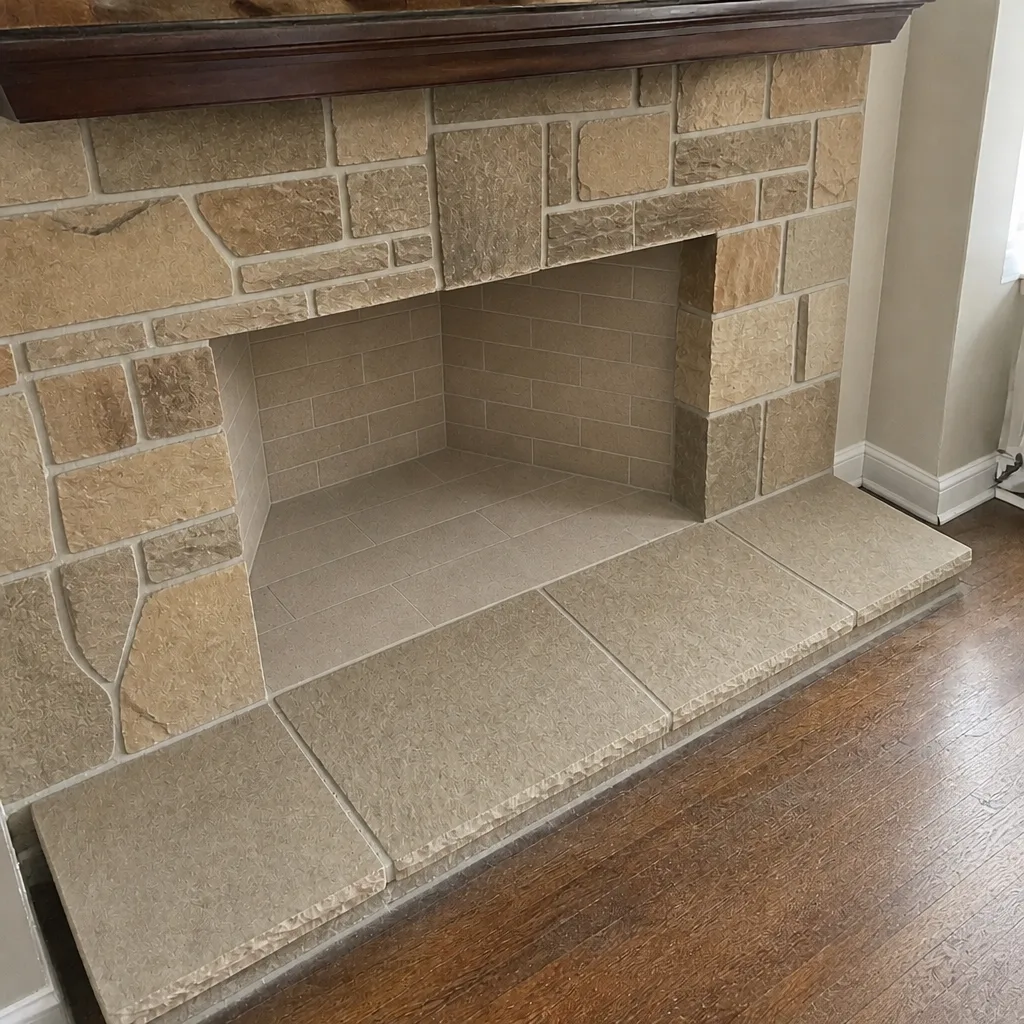
See the difference
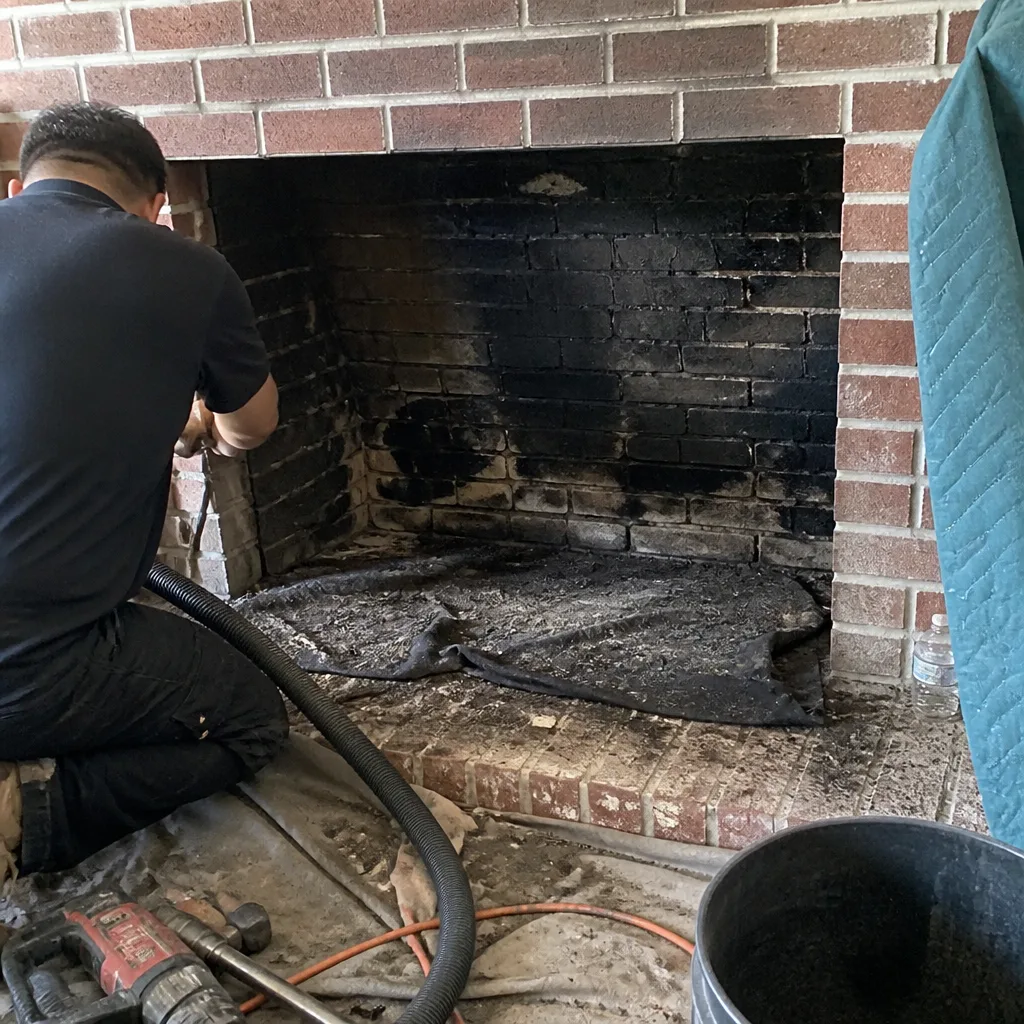 Before
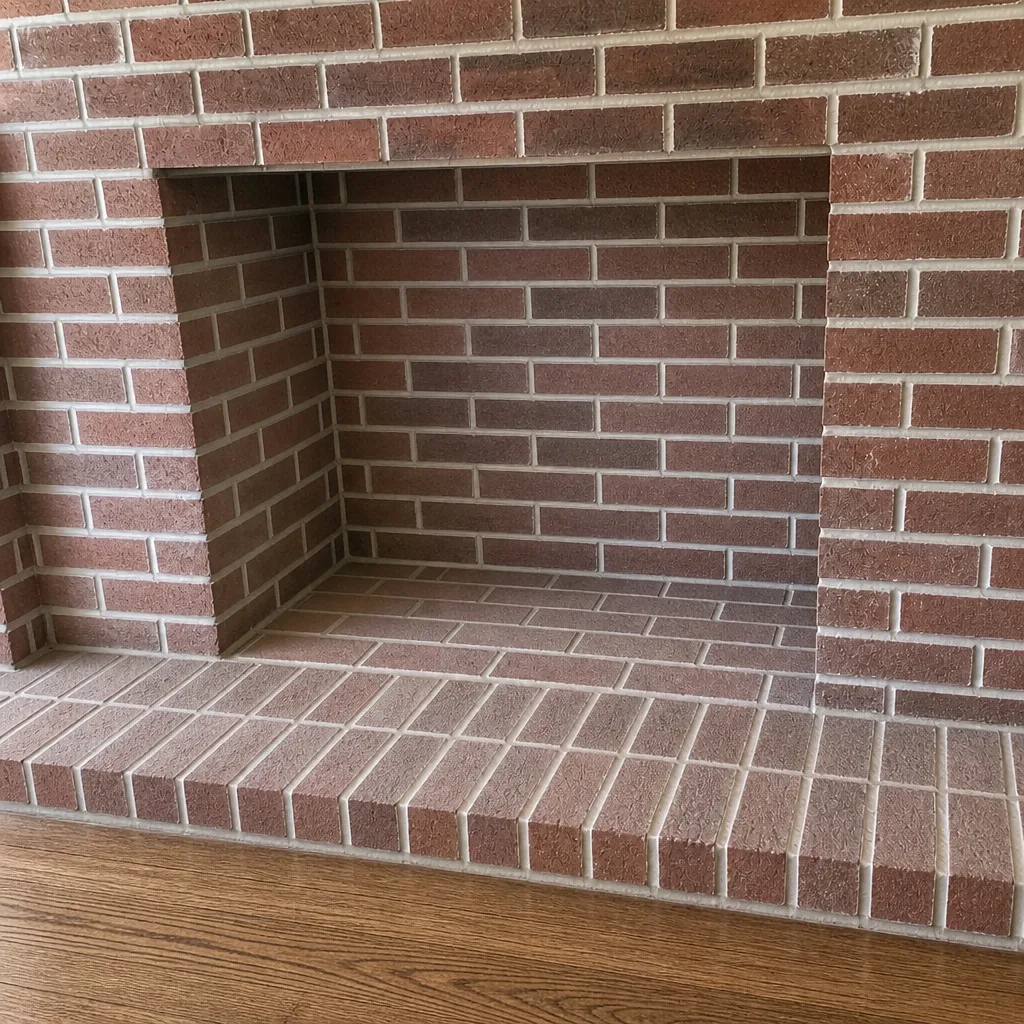 After
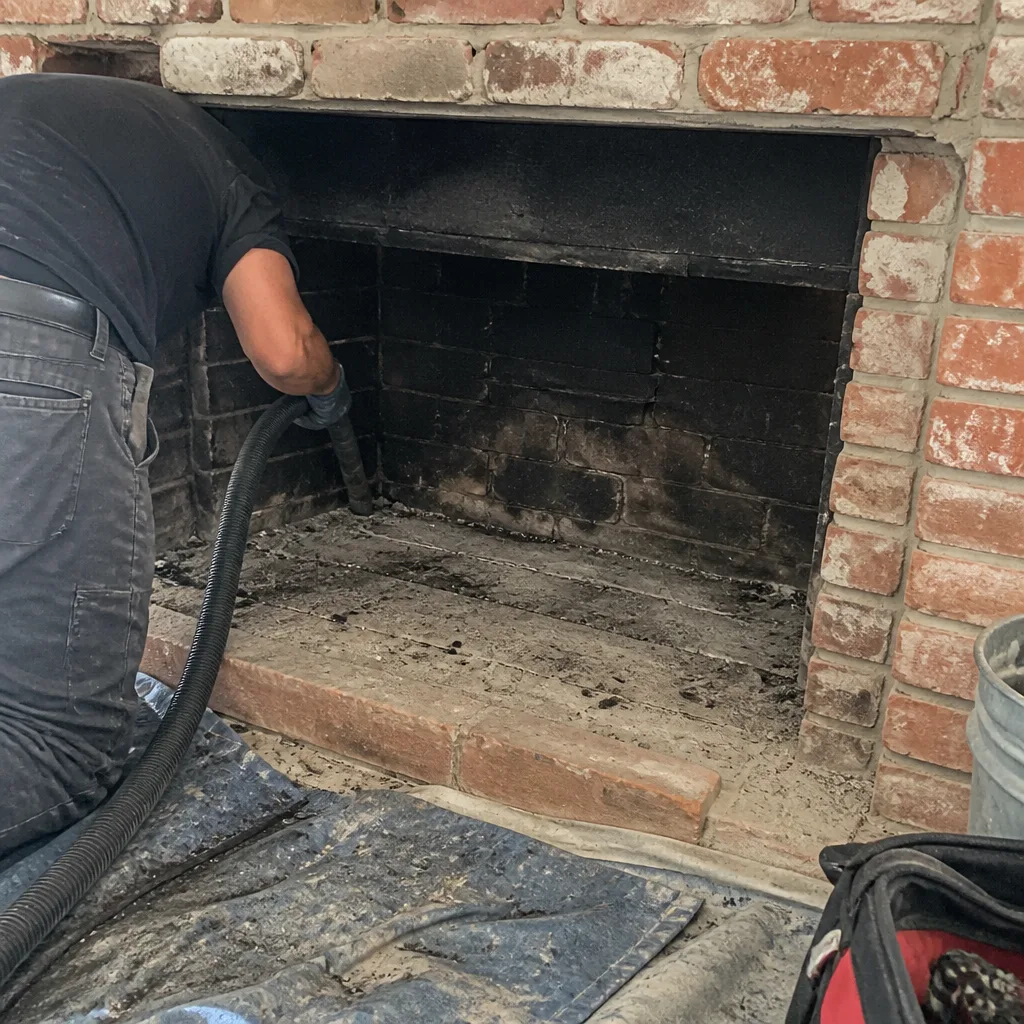
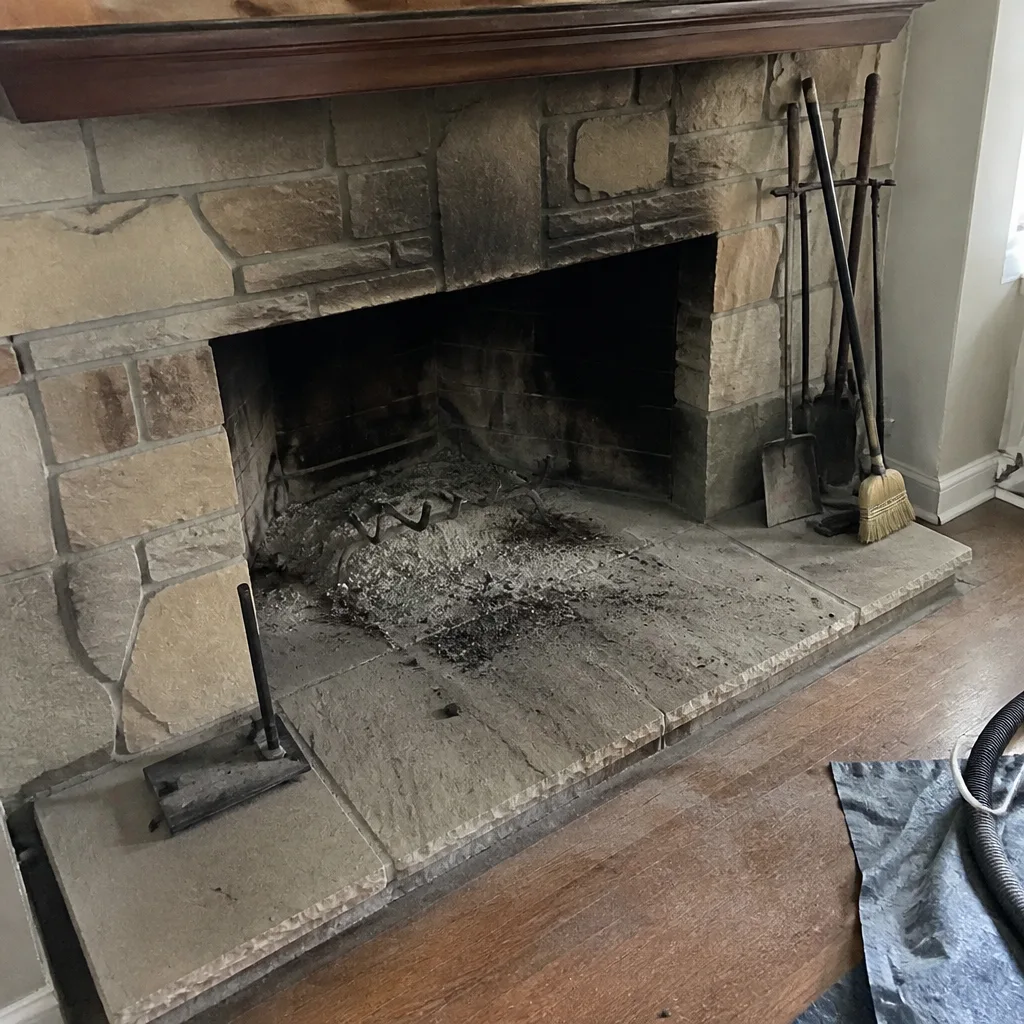 Before
 After
 Before
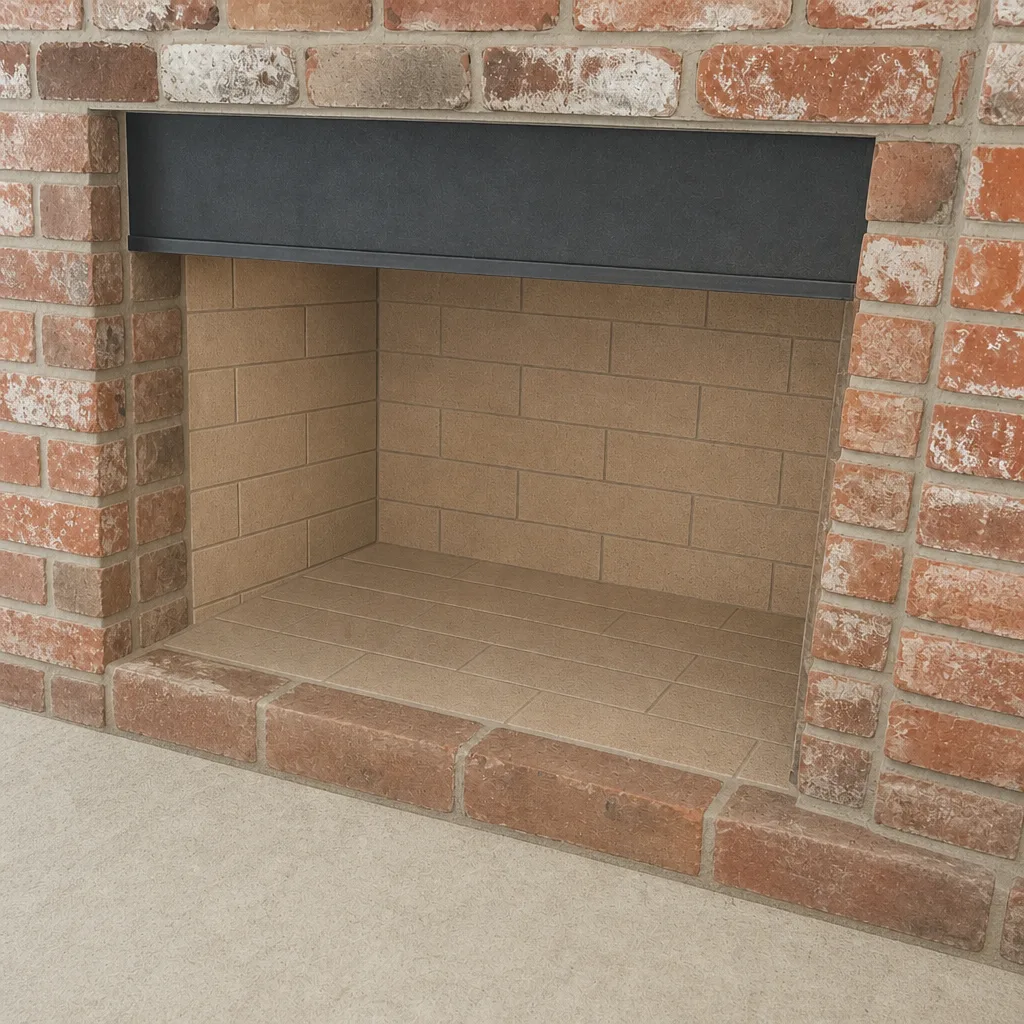 After