
Last updated November 4, 2026
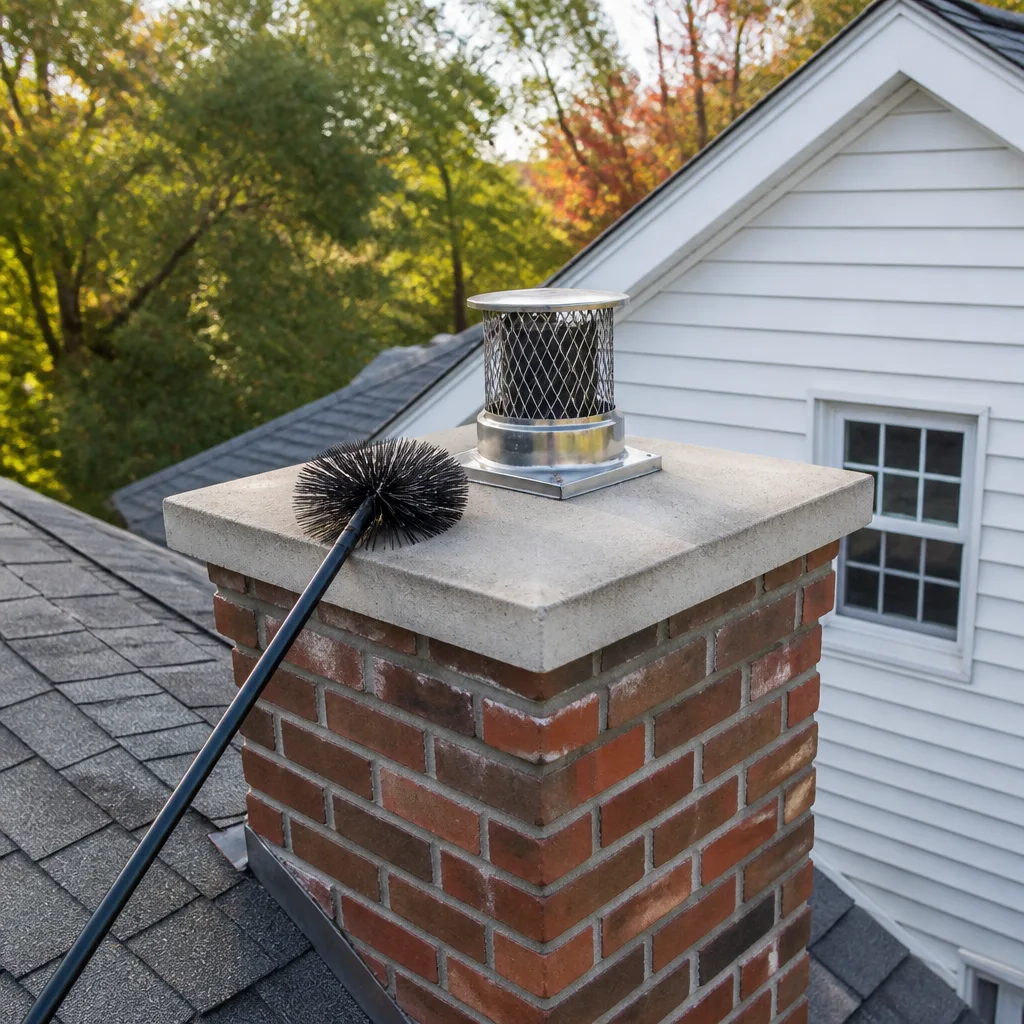 Sweep & inspection
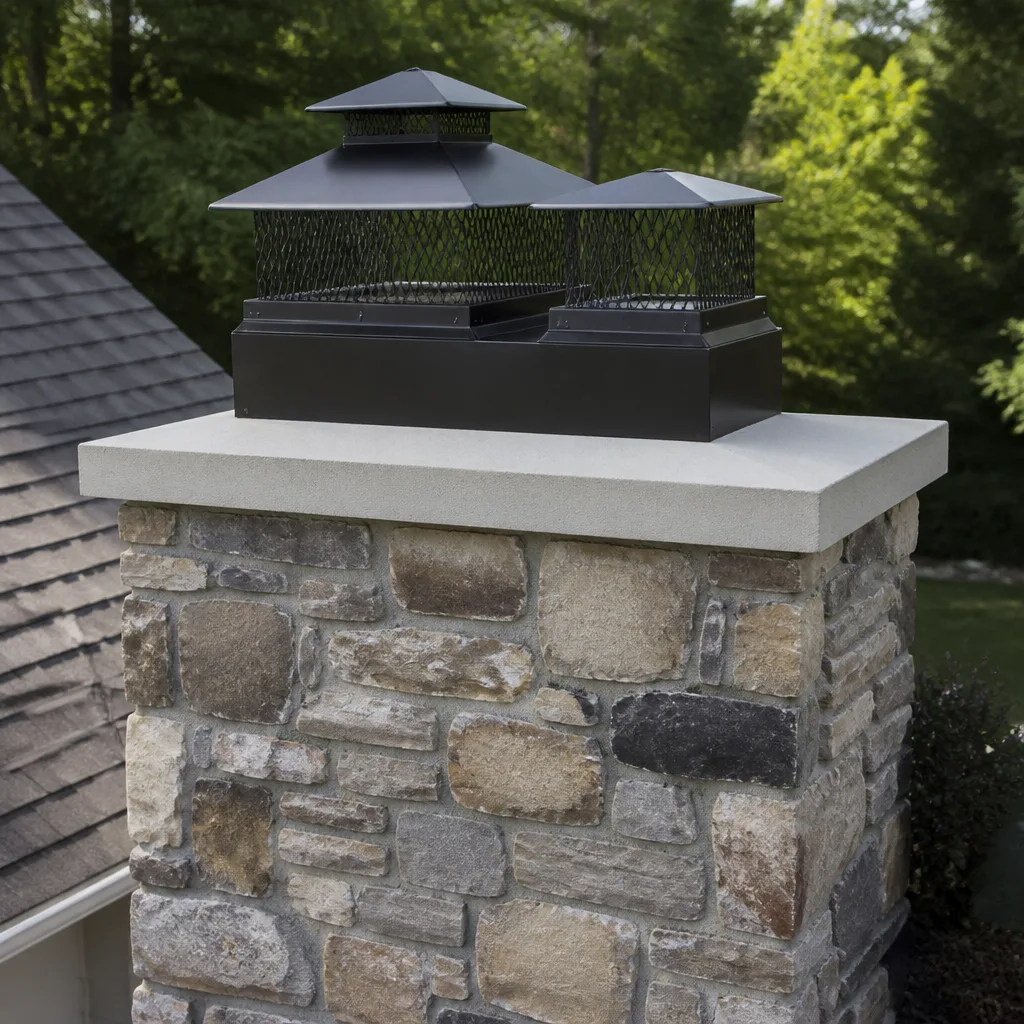 Caps & crowns
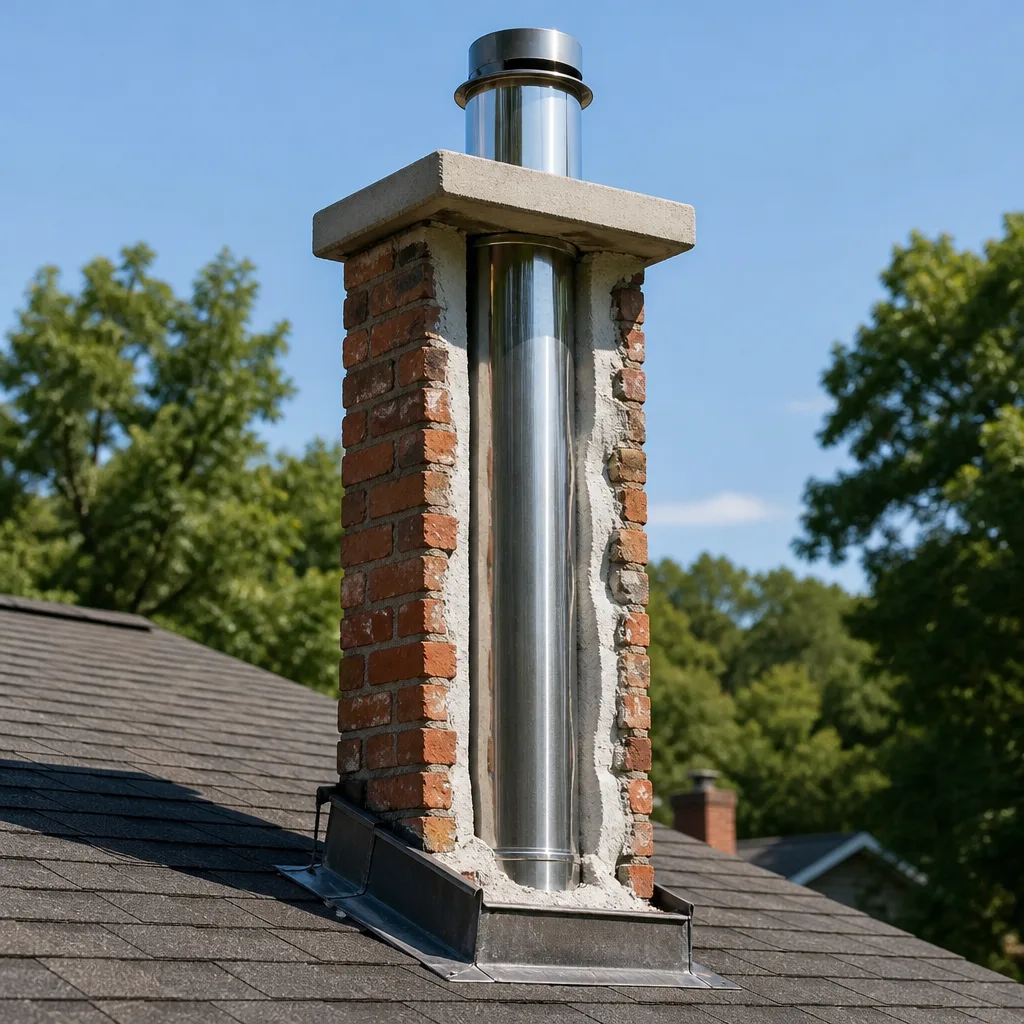 Flue relining
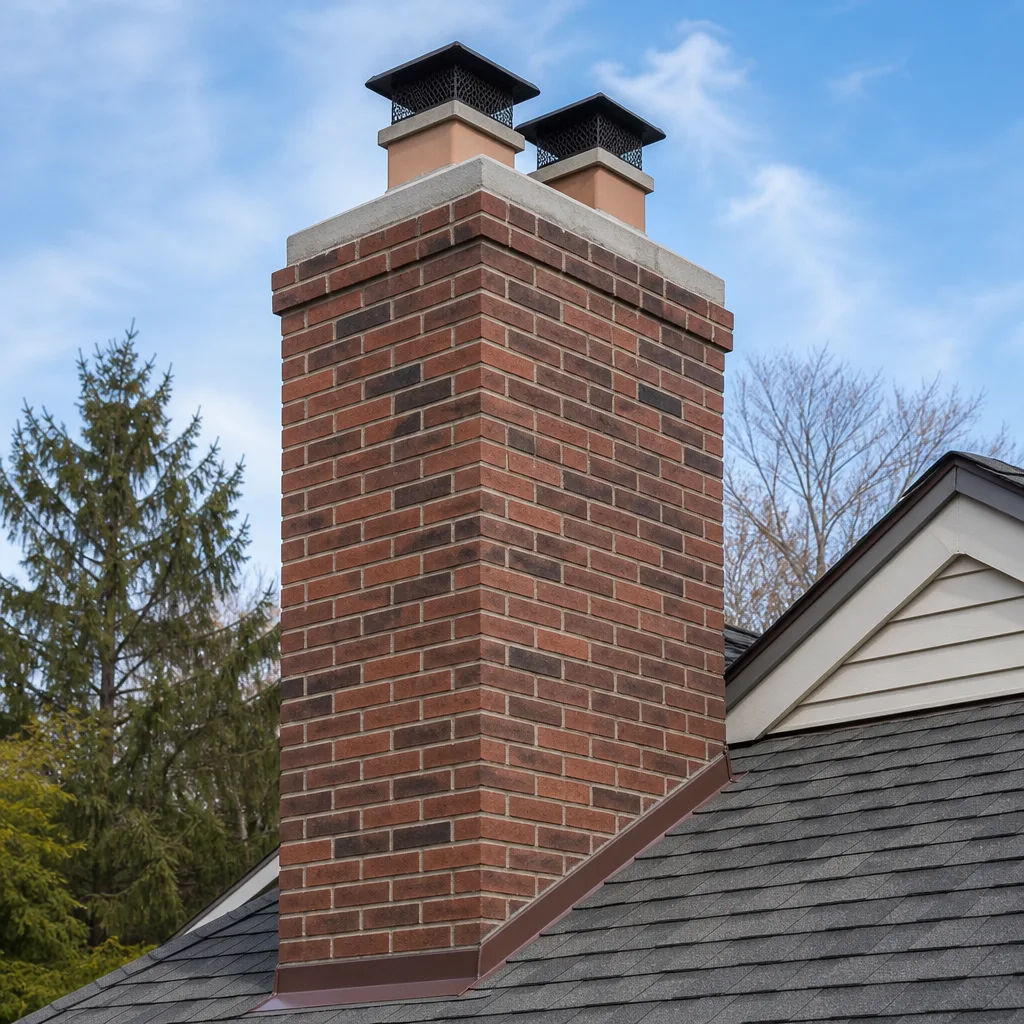 Masonry repair
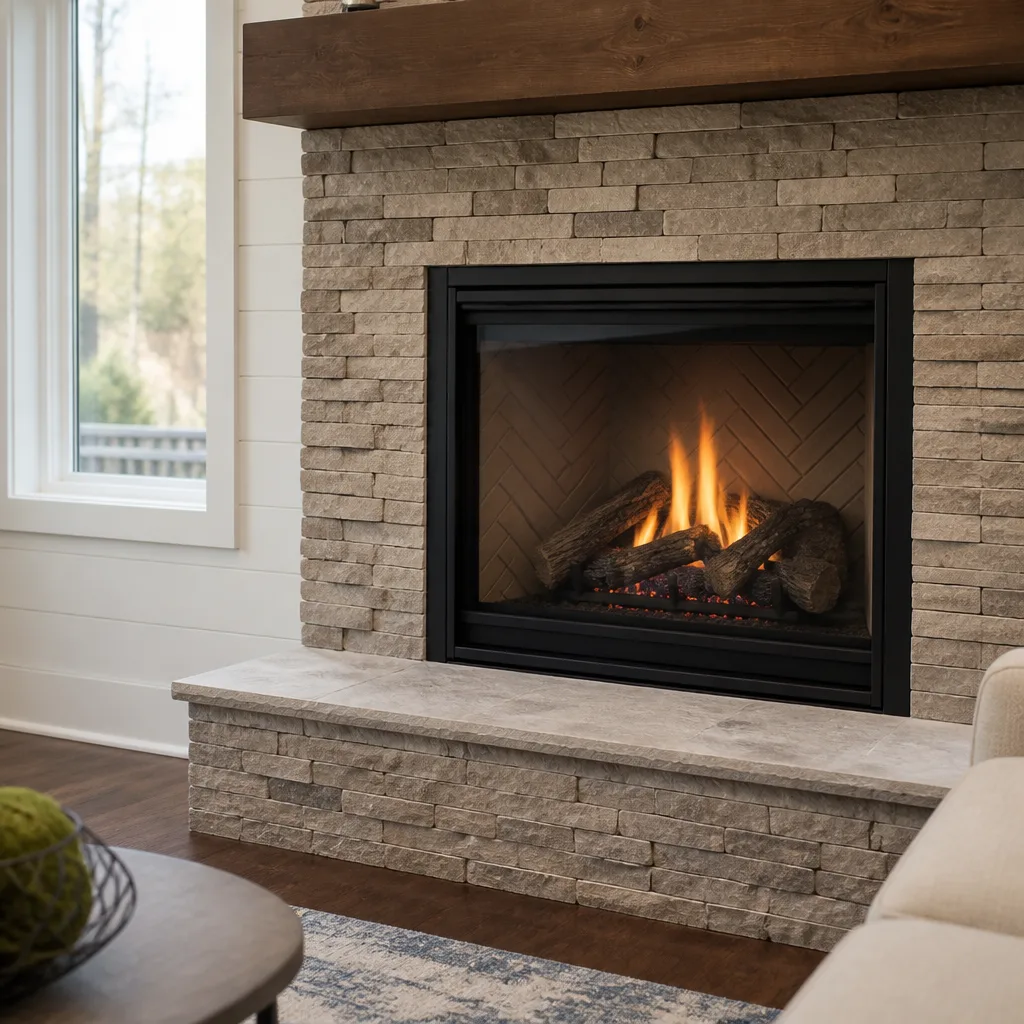 Gas fireplace service
Level 1 sweep and inspection to the NFPA 211 annual standard - flue, crown, cap, and flashing checked and photographed
Chimney sweep logs do not sweep chimneys. They loosen some creosote - which then falls where a brush and vacuum still have to collect it.
Chimney Sweep Maintenance Schedule: What to Do and When
Most homeowners in Tarzana have been told the same thing: sweep the chimney once a year. It sounds simple. It’s also wrong for a lot of houses. A wood-burning fireplace used every weekend from October through March has very different needs than a gas insert lit twice during the holidays. The NFPA inspection standard is written for regular wood use, and applying it blindly means some chimneys get neglected while others get serviced more often than their actual condition requires. What follows is a maintenance schedule built around how you actually use your fireplace, what fuel you burn, and the specific conditions that affect chimneys in Southern California.
Quick Answer
A chimney sweep maintenance schedule should follow usage and fuel type, not a fixed calendar date. Wood-burning fireplaces used weekly need professional sweeping every 25 to 50 fires or once per year, whichever comes first. Gas inserts used occasionally can typically go 18 to 24 months between inspections, while decorative-only fireplaces may only need a check every 2 to 3 years. Any chimney in Tarzana should get an off-cycle inspection after a significant wildfire smoke season, even if you didn’t burn a single log.
Styles & brands we work with
- Sweep & inspection
- Caps & crowns
- Flue relining
- Masonry repair
- Gas fireplace service
Table of Contents
- The Usage-Based Maintenance Matrix
- Why the Calendar Approach Gives False Confidence
- What You Can Check Yourself Between Sweeps
- What Only a Certified Technician Should Do
- Wildfire Smoke and the Off-Cycle Inspection
- Southern California Seasonal Timing: Why October, Not Spring
- The Multi-Year Maintenance Arc: Year One to Year Five
- The Dryer Vent Connection: Two Fire Hazards, One Specialist
The Usage-Based Maintenance Matrix
The most useful way to think about chimney maintenance is to match service intervals to how much fuel actually moves through the flue. Here’s the matrix we use with homeowners in Tarzana:
| Usage Pattern | Example | Professional Sweep Interval | Inspection Interval |
|---|---|---|---|
| High wood use | Fires 3+ nights per week, November through February | Every 25-50 fires, or annually, whichever comes first | Annually, before burn season |
| Moderate wood use | Fires on weekends, occasional weekday evenings | Annually | Annually, before burn season |
| Light wood use | A few fires per month during cooler weather | Every 18 months | Annually (visual check may suffice every other year) |
| Gas insert, occasional use | Lit for holidays or occasional evenings | Every 18-24 months | Every 18-24 months |
| Gas insert, regular use | Used several times weekly as a heat source | Annually | Annually |
| Decorative only | Never burned, or burned once a year | Every 2-3 years | Every 2-3 years, or after wildfire smoke events |
The key insight here is that creosote formation is tied to actual fires, not to time passing. A chimney that saw three fires last winter has very little creosote buildup, even if a year has gone by. A chimney that saw eighty fires in a cold stretch may need attention well before the twelve-month mark. Professionals in the chimney industry measure service need in fires burned, not months elapsed.
This is also where a chimney sweep earns their fee. A visual inspection from the rooftop or firebox opening catches a lot, but the real condition of the flue shows itself when a technician runs a brush through and sees what comes down. For high-use wood burners in Tarzana, we’d rather see you annually. For occasional users, stretching to 18 or 24 months is reasonable.
Why the Calendar Approach Gives False Confidence
The “once a year” rule has a problem: it treats every chimney as if it carries the same load. In practice, two houses on the same Tarzana street can have wildly different chimney conditions. One household burns seasoned oak four nights a week all winter. The other lights a gas log set once between Thanksgiving and New Year’s. Under a calendar-only approach, both get swept every twelve months. The first household may actually be under-serviced, developing creosote faster than the annual interval anticipates. The second household pays for work it doesn’t need yet.
Creosote builds in stages. First-stage creosote is a light, dusty soot that brushes away easily. Second-stage is flaky and harder to remove. Third-stage is a hard, shiny glaze that requires chemical treatment or mechanical removal. The transition between stages happens with firing volume, not with days on the calendar. A chimney that burns wet or unseasoned wood can move from clean to glazed in a single heavy season. A chimney that burns dry hardwood sparingly can go years without reaching a hazardous stage.
Gas fireplaces introduce their own variable. They don’t produce creosote, but they can develop soot buildup around the burner and combustion chamber, and a blocked vent on a gas unit is a carbon monoxide risk rather than a fire risk. The inspection interval for a gas insert should be guided by how often the unit runs and whether the flame burns blue (clean) or yellow (sooty).
The honest schedule is a matrix, not a date. If you’re not sure where your usage pattern falls, start with an inspection and let the actual condition of the flue set the next appointment. That’s how we approach scheduling with homeowners in Tarzana who want to maintain their chimneys without overpaying.
What You Can Check Yourself Between Sweeps
There’s a middle ground between doing nothing and calling a professional every month. A homeowner can and should perform regular visual checks that catch early warning signs. None of these require special tools or climbing onto the roof. They take about five minutes and tell you whether an off-cycle call is warranted.
- Open the damper and look up with a flashlight. You’re looking for two things: black, flaky material on the flue walls (creosote) and any obstruction blocking the passage. If you see a buildup thicker than the edge of a coin, schedule a sweep sooner rather than later.
- Check the firebox floor and walls. Look for cracks in the firebrick, gaps in the mortar joints, or pieces of brick that have fallen out. Hairline cracks are often cosmetic, but cracks that fit a credit card edge can let heat reach combustible materials behind the firebox.
- Operate the damper several times. It should open and close smoothly and seal reasonably well when closed. A damper that sticks, wobbles, or doesn’t seat fully wastes heated air in winter and lets conditioned air escape in summer.
- Look at the chimney cap structure with binoculars. From the ground, check whether the cap is still in place, whether the spark arrestor mesh looks intact, and whether any visible masonry is spalling or missing. Storm damage in Tarzana is usually from wind and impact, not hail, but a displaced cap is still a common entry point for rain and birds.
- Note any change in smell or performance. A fire that suddenly smokes more than it used to, a musty odor from the firebox in summer, or a gas appliance flame that shifts from blue to yellow all warrant a professional look.
These checks are a supplement to professional service, not a substitute for it. What they do is help you decide whether the next sweep needs to be sooner than the schedule you’ve set. A homeowner who performs them is more likely to catch a developing problem in year two of a three-year interval than a homeowner who never looks at the chimney until smoke backs into the room.
What Only a Certified Technician Should Do
Some parts of chimney maintenance are not DIY territory. The distinction matters because the dangerous parts of a chimney are precisely the parts you can’t see from the living room. Here’s what belongs in the professional column:
The Sweep Itself
Running a properly sized brush through a flue takes more than elbow grease. The technician must match the brush to the flue dimensions, protect the home interior from soot, and know when a standard sweep is insufficient and chemical treatment or rotary cleaning is required. Third-stage creosote rarely yields to a manual brush alone. We’ve seen chimneys in Tarzana that looked clean at the firebox but carried a hard glaze forty feet up where the homeowner would never see it.
Flue Inspection
A certified inspection involves cameras, not just eyeballs. A technician runs a video scope through the flue and reads what it shows: hairline cracks in clay tile, deteriorating mortar joints, gaps in a liner, or a bird’s nest that survived the summer. Homeowners cannot do this. The equipment costs thousands of dollars and the skill to interpret the images comes from seeing hundreds of flues in varying states. If repairs are needed, a full-service Chimney Sweep Tarzana technician can often begin that work the same day or schedule it promptly, since we stock professional-grade lining materials like DuraFlex flexible liner systems and HeatShield ceramic resurfacing rather than generic patch products.
Dryer Vent Cleaning
Lint fires are among the most common household fires in the United States, and the dryer vent is usually the last flue a homeowner thinks about. A professional dryer vent cleaning uses powered brushes and high-velocity air to clear lint that accumulates inside the vent run, not just the trap you clean after every load. The lint screen catches a fraction of what passes through. The rest deposits inside the duct, where it builds up slowly and becomes fuel. This is a job for the same discipline that understands flue draft and exhaust flow, which is why we bundle it with chimney service rather than treating it as a separate home system.
Repairs and Relining
When an inspection finds a crack in the flue liner or a damaged section of clay tile, the repair is structural, not cosmetic. A cracked liner allows heat and combustion gases to reach the masonry and framing around the chimney. The fix usually involves a liner system like DuraFlex or a HeatShield resurfacing application. Both are professional installations. The decision between them depends on the condition of the existing flue, the fuel type, and the appliance venting through it. A homeowner cannot make that determination reliably from a firebox-level look.
Wildfire Smoke and the Off-Cycle Inspection
Southern California wildfire seasons have become longer and more intense, and Tarzana sits close enough to the hills that smoke events are a regular part of late summer and fall. Here’s the part most chimney schedules don’t account for: even if you never light a fire, your chimney is a vertical opening that pulls in ambient air. During a wildfire smoke event, fine particulate matter enters the flue and deposits on the interior surfaces.
That ash and soot isn’t the same as creosote. It’s primarily mineral ash and charred organic particles. But it settles in the same places creosote does: flue walls, smoke shelf, and damper assemblies. Enough of it can obstruct draft and create a smell that persists when you finally do light a fire. In our experience, a chimney that sat through a week of heavy smoke advisories can accumulate visible ash even with the damper closed, because dampers don’t seal airtight.
The practical rule: after a significant smoke event in the San Fernando Valley, do a visual check of the firebox and flue opening. If you see a layer of gray or brown powder on the firebox floor that wasn’t there before, or if the house has a faint campfire smell near the fireplace, an off-cycle sweep is justified even if your usage-based interval hasn’t elapsed.
Gas appliance users should pay attention to this too. A gas log set doesn’t burn wood, but the pilot flame draws air through the vent. Smoke deposits can clog the small combustion air openings and affect the flame pattern. If your gas flame appears lazy or yellow after a smoke season, have the unit inspected rather than assuming it will clear itself.
We’ve worked in Tarzana long enough to know that September and October here are smoke months. Our advice to homeowners is to combine a pre-burn-season sweep with a wildfire-smoke assessment. If the flue got a dusting of ash, you clear it. If it stayed clean, you’ve still done your seasonal duty.
Southern California Seasonal Timing: Why October, Not Spring
Much of the chimney advice on the internet comes from colder climates. The logic there is that you sweep in spring, after the burn season ends, so the chimney sits clean through the summer and is ready when fall arrives. That logic doesn’t transfer to Tarzana. Here, the burn season runs roughly November through March. Summer is hot and dry. The gap between spring and fall is exactly when wildfire smoke arrives and deposits ash in open flues.
If you sweep in April, your chimney sits empty through July, August, and September. Then a smoke event rolls through, and by the time you’re ready to light fires in November, the flue has a fresh layer of particulate you didn’t account for. A sweep in October, by contrast, clears the flue after wildfire season and immediately before you start burning. That’s the schedule we recommend for wood burners in the San Fernando Valley.
For gas insert users who don’t follow a seasonal burn pattern, the timing matters less. The inspection interval can follow the appliance clock rather than the calendar. But if we’re picking a month, October still gives you a clean system heading into whatever winter brings, even a mild one.
There’s also a practical factor: furnace and HVAC companies book up heavily when the first cold snap hits. Chimney companies do too. A pre-burn-season sweep in early October avoids the November rush and gives you a cleaner system for the first fire. Homeowners who wait until the first week of November sometimes wait longer for an appointment than they’d like. Scheduling in October is the move.
The Multi-Year Maintenance Arc: Year One to Year Five
A maintenance schedule is most useful when you think across multiple years, not just season to season. Here’s what a healthy arc looks like for a typical wood-burning fireplace in Tarzana, assuming moderate use.
Year One: Baseline
The first inspection establishes what you actually have. In an older home, that means checking the flue liner material (clay tile, stainless, or none), the condition of the firebox, the damper, the cap, and the overall masonry. This baseline matters because every future inspection gets compared against it. If you moved into the house recently and don’t know when the chimney was last swept, get a full inspection before the first fire.
Year Two and Three: Steady State
If the baseline was clean and your usage is moderate, a sweep every 18 months is usually sufficient. The inspection during each sweep confirms that the liner isn’t developing new cracks and that creosote isn’t accumulating faster than expected. This is where the usage matrix governs: a household that burned forty fires last winter gets its next sweep at the twelve-month mark. A household that burned twelve gets more latitude.
Year Four: Mid-Cycle Assessment
By this point, you’ve gathered enough data to know whether your maintenance intervals are right. If each sweep returns a light dusting of first-stage creosote and no new damage, you’re on the right schedule. If a sweep reveals second-stage buildup or early signs of liner wear, it’s time to revisit the interval. This is also the point where minor repairs tend to surface: a damper that’s loosening, a cap that shifted in a wind event, a section of mortar that’s starting to spall.
Year Five: System Review
A healthy chimney at the five-year mark shows a stable flue, consistent draft, a sound damper, and no progressive damage in the firebox or masonry. If you’ve been diligent, the liner should look much as it did at year one. At this point, the inspection should go deeper: confirm the cap and spark arrestor are still effective, check that the flashing where the chimney meets the roof hasn’t shifted, and assess whether the system will make it another five years without intervention. Some homeowners use the five-year point to consider upgrades: a stainless liner for improved draft and safety, or a Chimney cap replacement if the existing one is showing its age.
This arc changes for high-use households. A chimney that burns a hundred fires a winter is going to need sweeping every season, and possibly twice a season. The arc for a heavy user is compressed: baseline, then annual visits with an eye toward early signs of glaze. The schedule follows the fire count, always.
The Dryer Vent Connection: Two Fire Hazards, One Specialist
A maintenance schedule for one flue is incomplete if there’s a second exhaust in the house carrying lint. The dryer vent is one of the leading sources of household fires, and most homeowners never think about it because the lint screen catches the obvious stuff. What passes the screen deposits downstream, compounding every load.
The integration point for your schedule is simple: when you book a chimney sweep, have the dryer vent checked at the same time. The same technician handles both. The same appointment covers both. You’re not coordinating two contractors or paying two service fees. This is the “two fire hazards, one specialist” approach that we’ve found most homeowners in Tarzana appreciate once they understand the connection. A chimney sweep who also cleans dryer vents sees the exhaust side of two household systems and treats them as one maintenance obligation.
The dryer vent interval depends on household laundry volume and vent run length. A short, straight vent serving a two-person household can often go two to three years between professional cleanings. A long, convoluted vent run serving a family of five that does laundry every day may need annual attention. The lint screen should be cleaned after every load regardless. The question is only how much passed through before you caught it.
For the maintenance planner, bundling these services means one schedule, one provider, and one fewer calendar item. We set the sweep interval from the usage matrix, set the dryer vent interval from the laundry volume, and move them together when possible. That’s the most efficient way to stay ahead of both fire hazards without spending more time managing maintenance than doing it.
Common Mistakes to Avoid
- Assuming gas means zero maintenance. Gas fireplaces don’t make creosote, but soot still accumulates around the burner, logs, and venting. A blocked or obstructed vent on a gas appliance is a carbon monoxide risk. Gas units need inspection and service too, just on a different interval than wood systems.
- Burning unseasoned wood to save money. Wet wood makes smoke, and smoke makes creosote faster than anything else in the burn cycle. Wood should be split and stacked for at least six months before burning. In Tarzana’s dry summers, a well-stacked pile seasons quickly, but it still takes time.
- Treating the damper as a maintenance-free part. Dampers warp, loosen, and bind. They wear from heat and from being open and closed thousands of times. Check yours every time you check the chimney, and replace it when it stops seating well.
- Skipping the cap inspection. The cap keeps rain, birds, rodents, and debris out of the flue. A missing cap means water in the firebox and a flue that looks like a wildlife condo. Fix the cap before it costs you a full sweep plus animal removal plus a new screen.
- Cleaning the dryer lint screen and calling it done. The screen catches a portion of the lint. The rest moves into the duct. If you can’t remember the last time the vent itself was cleaned, it’s overdue. Lint is extraordinarily flammable and a clogged vent forces the dryer to work harder, which shortens its life.
- Waiting until you smell smoke inside the house. By the time flue issues show up as indoor smoke, you’ve often got a partially blocked chimney, a downdraft problem, or a firebox draft issue. The fix is usually more involved than a standard sweep. Catch it early with a visual check instead.
- Assuming the previous homeowner maintained the chimney. In older Tarzana homes, chimneys often haven’t been inspected during the entire length of the previous ownership. Inheriting a chimney means starting fresh with a baseline inspection, not assuming the system is clean because it looks fine from the hearth.
See the difference
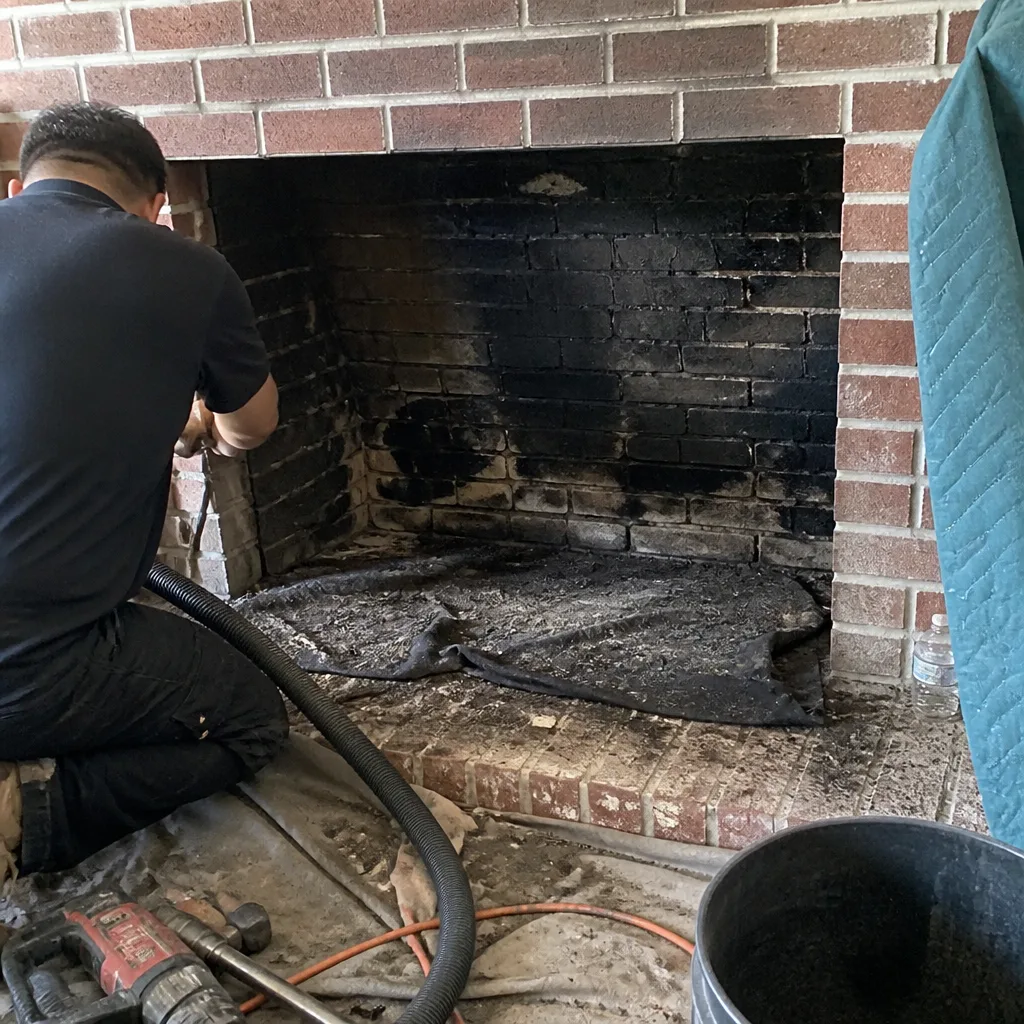 Before
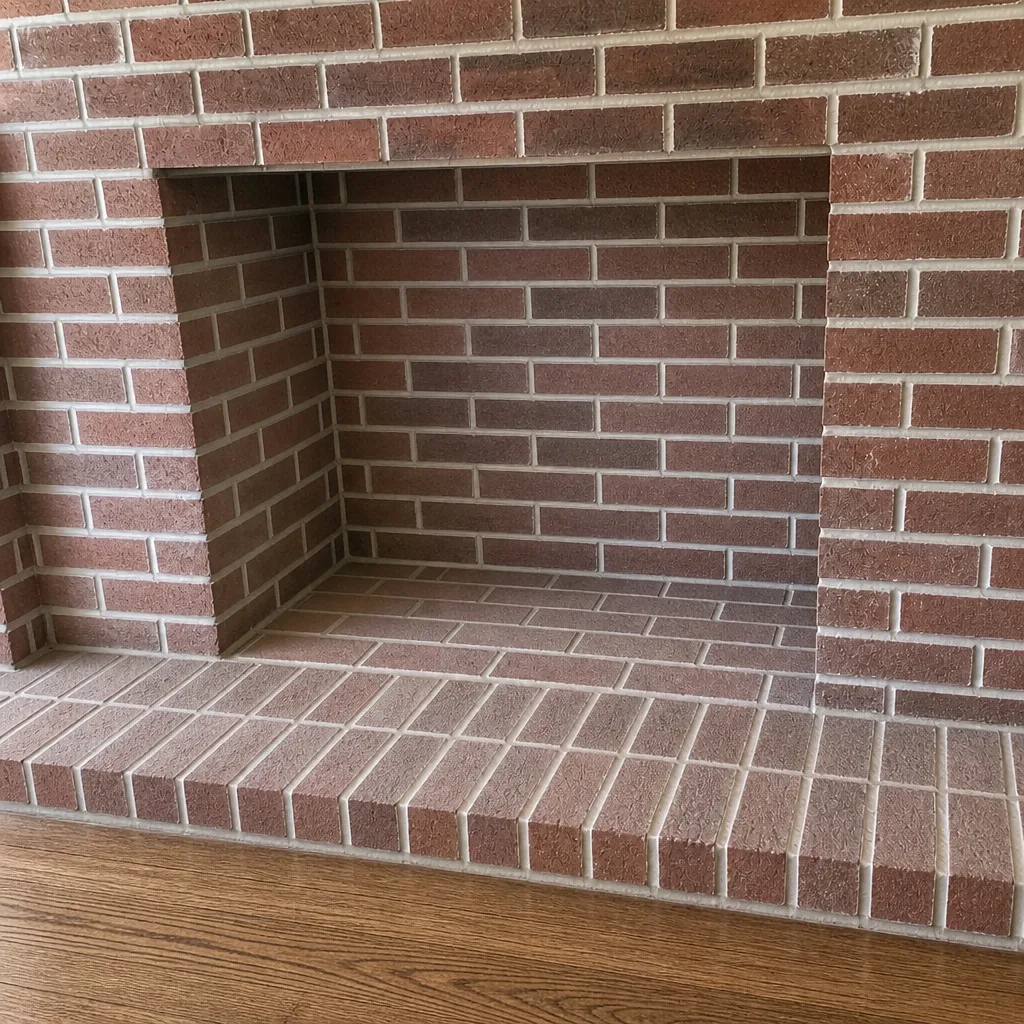 After
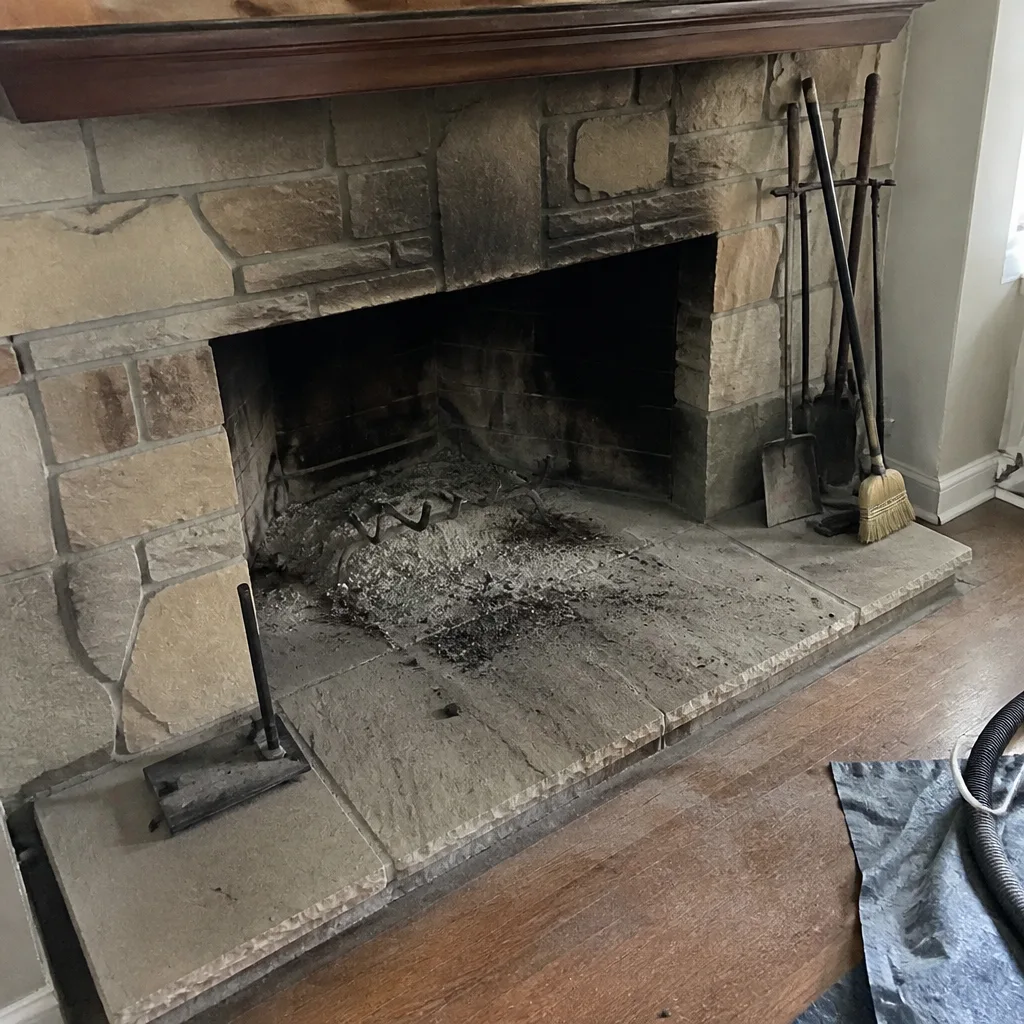 Before
 After
 Before
 After
When to Call a Professional
Call a professional when a visual check shows creosote thicker than a coin’s edge, when the damper no longer seals, when a gas flame burns yellow instead of blue, when smoke backs into the room, or when a wildfire smoke event has visibly dusted the firebox. Also call when you’ve lost track of when the chimney was last swept and you’re about to start burning for the season. These are the moments when waiting costs more than scheduling.
Chimney Sweep Tarzana offers free estimates throughout Tarzana. Call (877) 269-3953. We answer 24/7. Fast dispatch from 7am to 7pm, Sunday through Friday.
Frequently Asked Questions
A wood-burning fireplace in Tarzana used regularly through the winter should be swept every 25 to 50 fires or once a year, whichever comes first. Occasional users can extend the interval to 18 months or beyond if the flue remains clean at each inspection. Gas inserts typically need professional attention every 18 to 24 months. The schedule follows usage, not the calendar. Call (877) 269-3953 to book a sweep based on your actual burn pattern, not a generic rule.
Gas fireplaces do not produce creosote, but they do accumulate soot around the burner, logs, and vent, and they can develop blockages that create carbon monoxide risk. A gas insert should be inspected every 18 to 24 months and cleaned as needed. The inspection confirms the vent is clear and the unit is burning efficiently. For a gas appliance check in Tarzana, call (877) 269-3953.
Skipping a sweep allows creosote to build, and creosote is the fuel for chimney fires. In gas systems, skipping inspection allows vent blockages to develop, which can send carbon monoxide into the home. The longer the interval between sweeps, the more likely a minor issue becomes a repair. In a wildfire smoke year in Tarzana, skipping a sweep means leaving ash and particulate in the flue before it sees fire. Call (877) 269-3953 to get the flue cleared before it becomes a problem.
You can perform visual checks from the firebox and ground level, but a proper sweep requires brushes matched to your flue size, containment, and the skill to know when creosote needs more than a manual brush. The fire risk and the mess risk both argue for a professional. The same is true for dryer vent cleaning, where the vent run may be long and difficult to access without the right equipment. Chimney Sweep Tarzana handles both services in one visit.
Chimney sweep costs in Tarzana vary by flue condition, fuel type, and whether repairs come out of the inspection. The written estimate sets the final price, and the estimate is free. We quote the work before we begin, so there are no surprises after the brush comes out. Call (877) 269-3953 for a free estimate.
In Southern California, the burn season starts in fall, and wildfire smoke season peaks in late summer and early fall. Sweeping in October clears both the smoke-season particulate and last winter’s creosote before you light the first fire. A spring sweep leaves the flue open all summer to accumulate smoke-driven ash that you’ll then burn through in winter. October is the right month for Tarzana.
Third-stage creosote is a hard, shiny tar-like glaze that forms when fires burn hot and the flue doesn’t draft well enough to carry all the smoke out. It does not respond to a standard wire brush. Removal requires chemical treatment or rotary cleaning with specialized tools, and in some cases a liner replacement is the more reliable fix. The earlier you catch creosote, the simpler the removal. A professional inspection tells you which stage you’re dealing with. Call (877) 269-3953 to schedule one.
The Bottom Line
A chimney maintenance schedule is a function of fire count and fuel type, not a calendar date. Wood burners who use the fireplace regularly need annual attention, and heavy users may need more. Gas insert users can move to an 18 to 24 month interval. Decorative-only systems need a check every couple of years. Wildfire smoke in Tarzana adds a local variable that justifies off-cycle inspections. Between professional visits, a homeowner can check the damper, firebox, and flue opening with a flashlight. When the work needs to be done, a single provider that sweeps chimneys, cleans dryer vents, and repairs flues keeps the schedule simple. We work with professional-grade products like Gelco, Olympia Chimney, and Copperfield, and we install DuraFlex and HeatShield liner systems when a flue needs more than a patch. The estimate is free, the schedule is yours, and the call is (877) 269-3953. We answer 24/7. Fast dispatch from 7am to 7pm, Sunday through Friday.
Written by the team at Chimney Sweep Tarzana, serving Tarzana since 2014.