
Last updated November 4, 2026
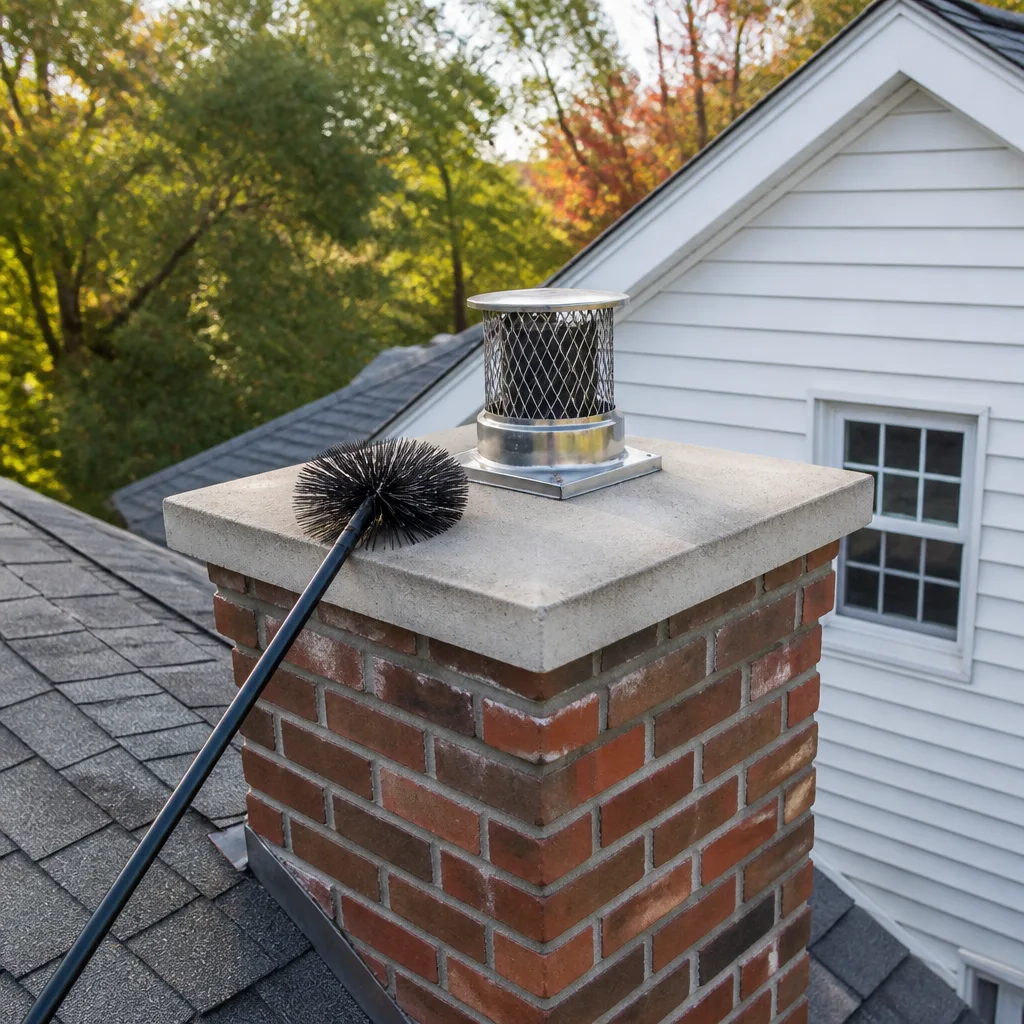 Sweep & inspection
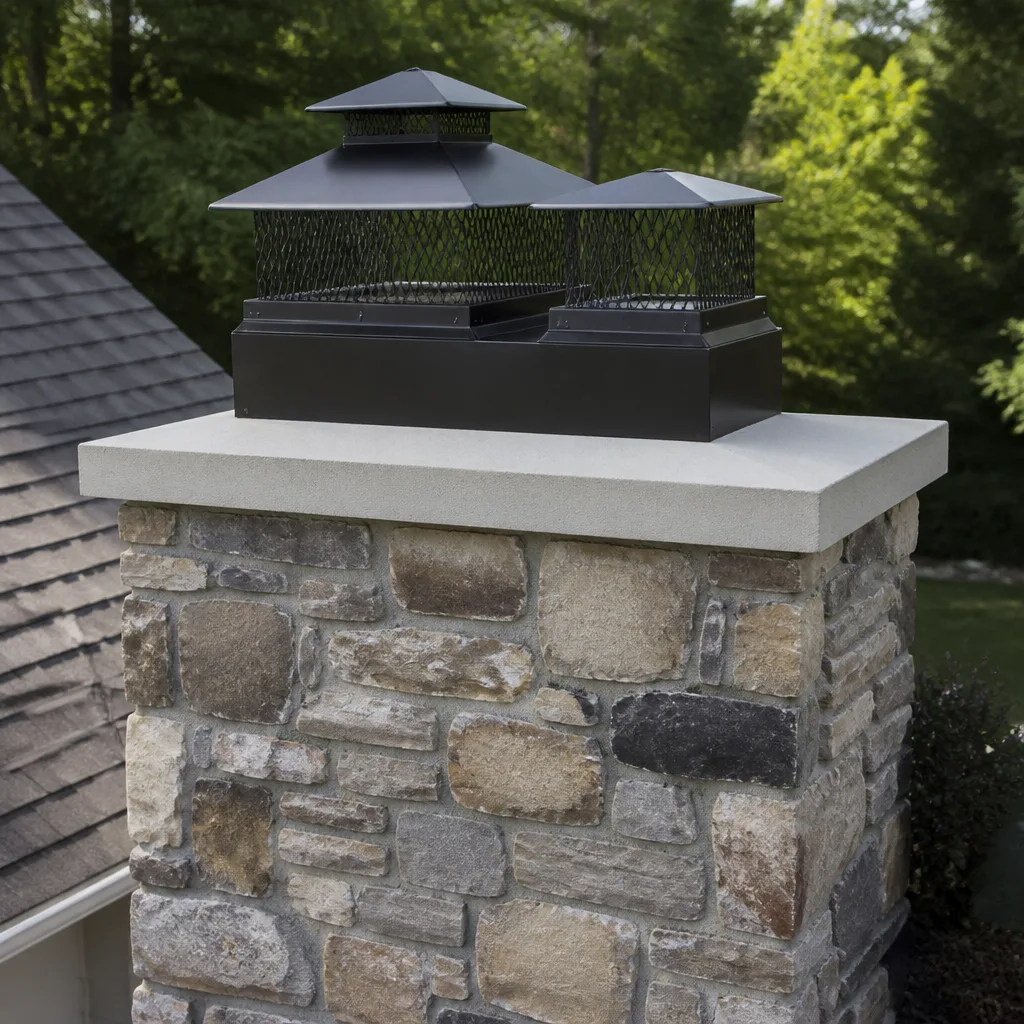 Caps & crowns
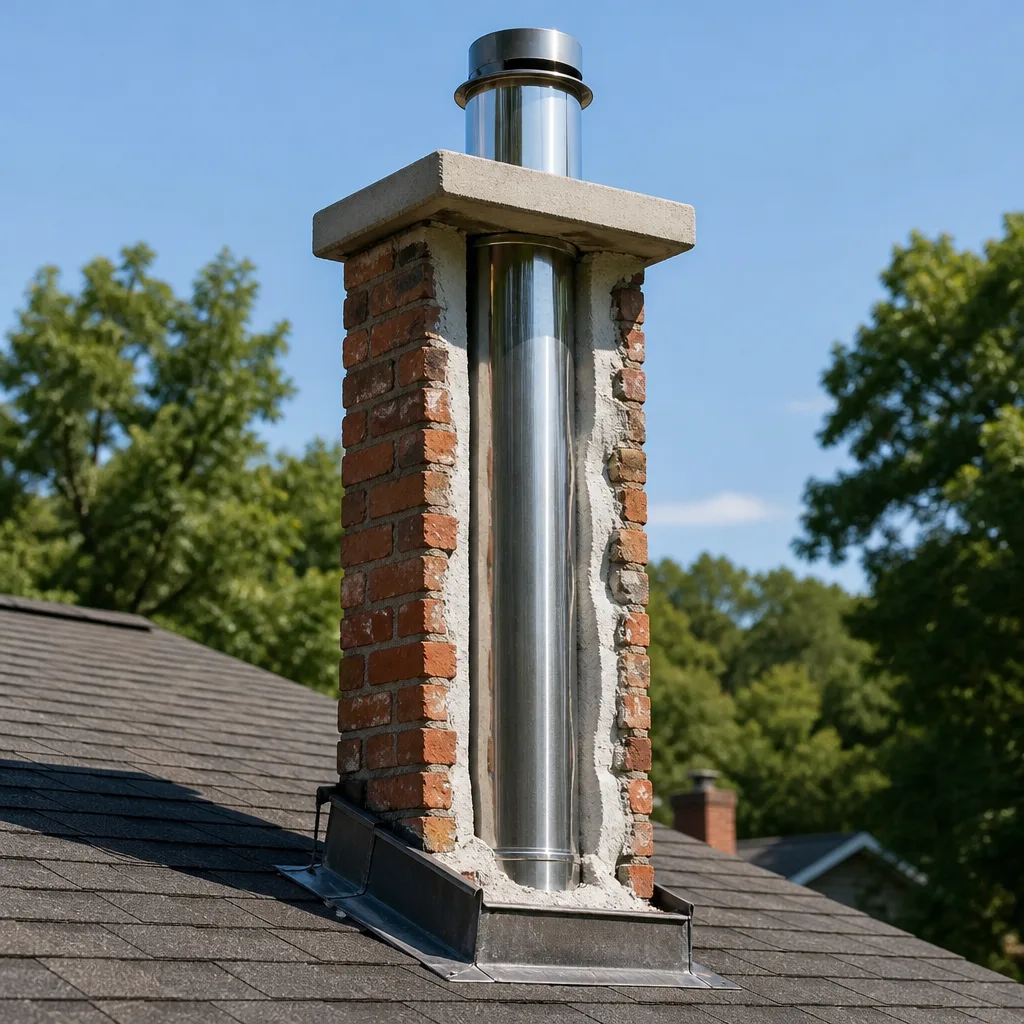 Flue relining
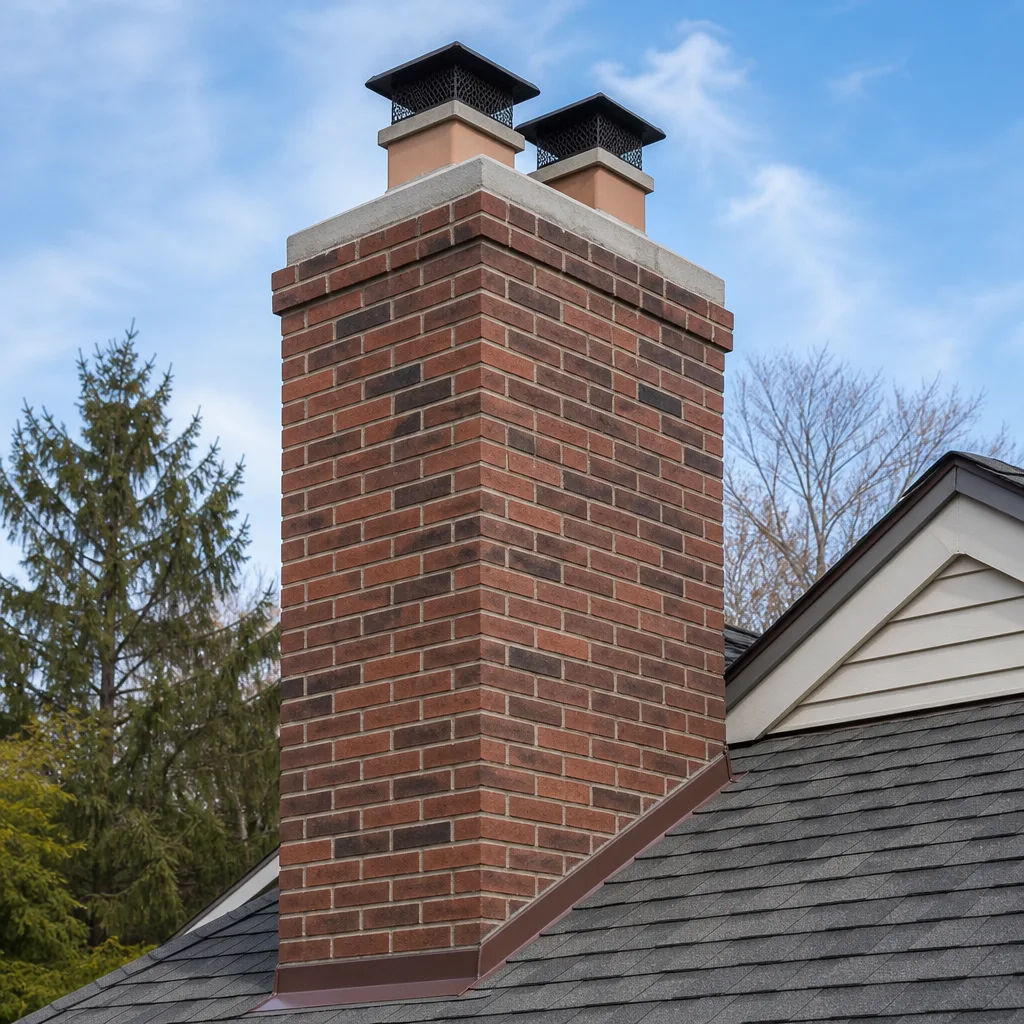 Masonry repair
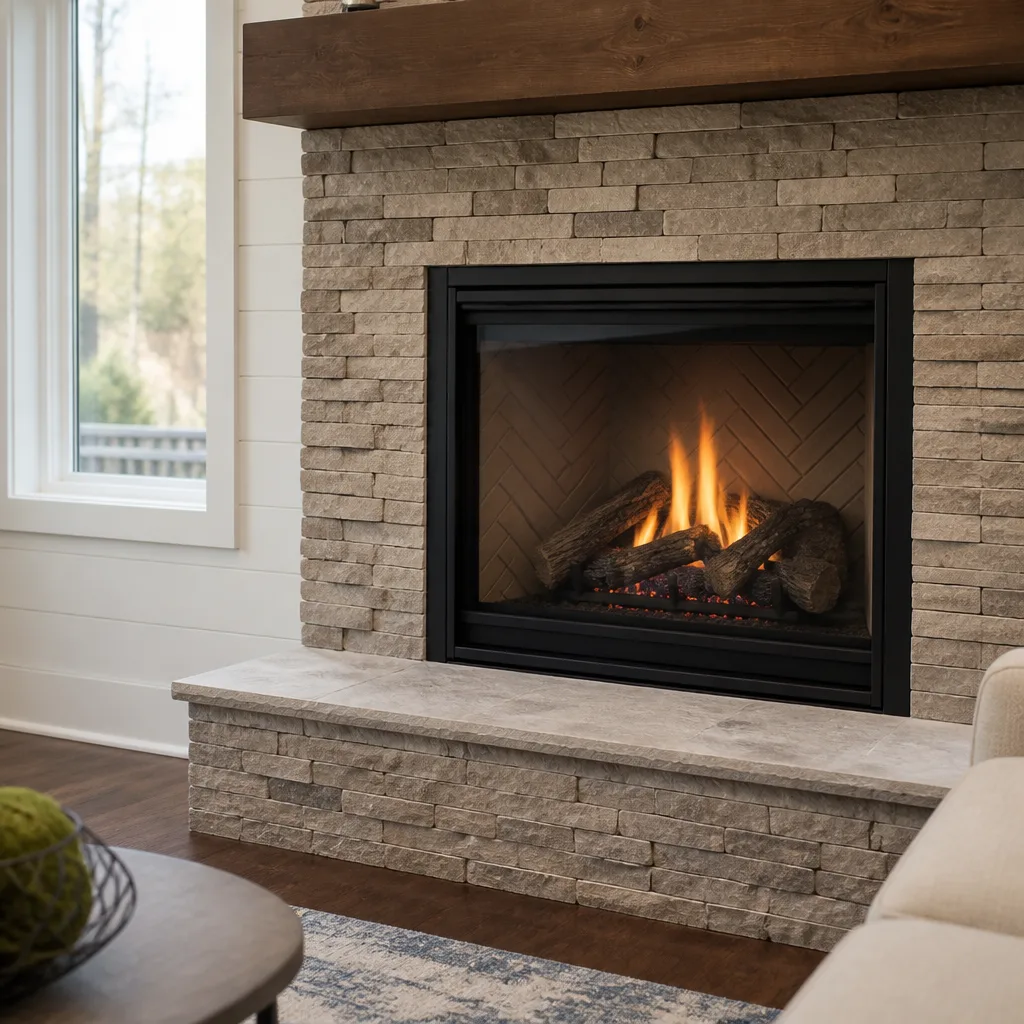 Gas fireplace service
Level 1 sweep and inspection to the NFPA 211 annual standard - flue, crown, cap, and flashing checked and photographed
Chimney sweep logs do not sweep chimneys. They loosen some creosote - which then falls where a brush and vacuum still have to collect it.
Chimney Cleaning Permits, Codes & Inspections in Tarzana, CA: What You Need to Know
Ask five Tarzana homeowners whether a chimney cleaning requires a permit and you’ll likely get five confident “no” answers. For a basic sweep, they’re right. But the conversation changes the moment a chimney sweep finds a cracked flue liner, firebox deterioration, or a rusted damper that needs replacement. In those cases, Los Angeles County building codes and fire safety regulations trigger permit and inspection requirements that many contractors quietly sidestep. And the homeowner is the one left holding the legal and financial liability. This guide walks through exactly where the line sits between permit-exempt maintenance and regulated repair in Tarzana, what inspectors look for, and how to verify permit history before you buy or renovate.
Quick Answer
A standard chimney sweeping and inspection in Tarzana does not require a permit. However, structural repairs, liner replacement, firebox rebuilding, and most gas appliance conversions fall under Los Angeles County Building & Safety permit requirements, and homes in Very High Fire Hazard Severity Zones may face additional LAFD inspection protocols. The safest approach: treat any repair beyond routine cleaning as permit-triggering until a licensed professional confirms otherwise.
Styles & brands we work with
- Sweep & inspection
- Caps & crowns
- Flue relining
- Masonry repair
- Gas fireplace service
Table of Contents
- Which Chimney Services Are Permit-Exempt in Tarzana
- Which Chimney Repairs Trigger LA County Permits
- California Residential Code Section R1003: What It Governs
- LAFD and Very High Fire Hazard Severity Zones in Tarzana
- Level 2 NFPA 211 Inspections: When They’re Legally Required
- How to Verify Permit History Before You Buy or Renovate
- What a Chimney Inspection Actually Covers
- Common Mistakes to Avoid
- When to Call a Professional
- Frequently Asked Questions
Which Chimney Services Are Permit-Exempt in Tarzana
Here’s what surprises most homeowners: the routine cleaning you schedule every year or two is entirely permit-free. Chimney Sweep Tarzana performs standard sweeping as a maintenance service, and no Los Angeles County permit is required for removing creosote, soot, or debris from an existing flue. Neither is a visual inspection that accompanies the cleaning. These fall under ordinary maintenance, not construction or modification.
Specifically, the following services in Tarzana do not require a permit:
- Standard chimney sweeping – removing creosote and soot from the flue interior
- Visual Level 1 inspection – the camera or direct-view exam done during routine service
- Chimney cap installation – adding a protective cap to an existing flue without structural changes
- Damper adjustment or minor lubrication – when no structural alteration occurs
- Dryer vent cleaning – a separate service we bundle with chimney sweeping, and it requires no permit
The key distinction is whether the work alters the structure or mechanical function of the chimney. Cleaning removes deposits. It doesn’t change dimensions, materials, or configuration. Once you cross into replacement territory, the rules shift.
For Tarzana homeowners, the practical takeaway is this: annual maintenance keeps you compliant, insured, and safe without any bureaucratic overhead. It’s also the cheapest form of fire prevention available.
Which Chimney Repairs Trigger LA County Permits
Los Angeles County Building & Safety requires permits for any work that alters a chimney’s structure, flue liner, firebox, or connection to an appliance. The permit process exists for a reason: a faulty chimney repair can cause house fires, carbon monoxide poisoning, and structural damage. Unpermitted work performed by unlicensed operators is a known problem in the San Fernando Valley, and Tarzana is no exception.
Repairs and replacements that typically require permits include:
- Flue liner replacement – installing a new stainless steel liner (like DuraFlex systems) or resurfacing with a product like HeatShield alters the venting system’s performance
- Firebox rebuilding – repairing or reconstructing the masonry firebox where the fire actually burns
- Chimney crown repair – structural work at the top of the chimney that seals against water intrusion
- Masonry rebuilding – partial or full reconstruction of the chimney structure itself
- Gas appliance conversion – converting a wood-burning fireplace to gas logs or installing a gas insert changes the combustion profile and requires mechanical permits
- Chimney relocation or extension – any change to the chimney’s height or position
When we perform chimney repair in Tarzana, the permit requirement is determined by the scope of the repair as defined by the California Residential Code and LA County amendments. Homeowners should ask any contractor directly: “Will you pull a permit for this work?” A contractor who deflects or says permits are unnecessary for liner replacement is a red flag.
The written estimate should specify whether permit fees are included. Some Tarzana homeowners are surprised to learn that permit costs for a liner replacement typically run several hundred dollars before any materials or labor. Paying for the permit is a one-time cost. Skipping it is an ongoing liability.
California Residential Code Section R1003: What It Governs
California Residential Code (CRC) Section R1003 is the primary code section governing chimney construction, repair, and performance in residential dwellings. While the full text is technical, homeowners in Tarzana should understand what it covers and what an inspector verifies.
R1003 addresses:
- Chimney construction materials – what masonry, metal, or factory-built chimney systems are acceptable
- Flue sizing requirements – the liner must be correctly sized for the appliance it serves
- Clearance to combustibles – the required distance between the chimney and wood framing, insulation, or other flammable materials
- Termination height – how far the chimney must extend above the roofline
- Fireblocking requirements – how penetrations through floors and ceilings must be sealed
When an LA County building inspector reviews chimney work, they’re verifying that the repair or replacement meets these standards. For a liner replacement, the inspector checks that the new liner is the correct diameter for the appliance, properly connected at both ends, and meets clearance requirements. For firebox work, they verify the masonry or refractory materials meet code specifications.
One Tarzana-specific factor: homes built in the 1950s and 1960s often have original masonry chimneys that predate modern clearance standards. When repair work opens up these structures, inspectors may require upgrades to bring the entire assembly closer to current code, not just the repaired portion. This can add cost to a job, but it’s not an arbitrary burden. It’s the code working as intended.
LAFD and Very High Fire Hazard Severity Zones in Tarzana
Portions of Tarzana sit within or adjacent to Very High Fire Hazard Severity Zones (VHFHSZ), as mapped by the California Department of Forestry and Fire Protection and enforced locally by the Los Angeles Fire Department. This designation carries additional chimney-related requirements that homeowners in flatland Tarzana may not realize apply to them.
In VHFHSZ areas, LAFD enforces requirements that include:
- Spark arrestor requirements – chimneys serving wood-burning appliances must have an approved spark arrestor with openings no larger than half an inch
- Chimney clearance enforcement – LAFD inspectors may verify that vegetation and combustible materials are kept clear of chimney terminations
- Defensible space compliance – while primarily a landscape issue, LAFD inspectors often flag chimney conditions during compliance checks
The practical implication for Tarzana homeowners is that a chimney repair permit in a VHFHSZ may involve LAFD review in addition to Building & Safety approval. This isn’t redundant bureaucracy. It’s two agencies verifying different but complementary safety concerns: Building & Safety looks at structural integrity, while LAFD focuses on fire spread risk.
When we perform work in Tarzana’s hillside neighborhoods south of Ventura Boulevard, we factor VHFHSZ requirements into the scope from the beginning. A spark arrestor that meets code is a small component, but it’s a non-negotiable one in wildfire-prone terrain.
Level 2 NFPA 211 Inspections: When They’re Legally Required
The National Fire Protection Association’s NFPA 211 standard defines three levels of chimney inspection. A Level 2 inspection is more thorough than the Level 1 check performed during routine sweeping. It includes video scanning of the flue interior, examination of accessible attic and crawl space areas, and verification of proper clearances.
NFPA 211 specifies that a Level 2 inspection is required under several circumstances:
- Real estate transactions – when a property changes ownership, a Level 2 inspection is recommended and often contractually required by buyers or lenders
- After seismic events – following an earthquake, a Level 2 inspection verifies that the chimney structure hasn’t shifted or cracked
- Changes to the system – when the appliance type changes, the fuel type changes, or the flue is relined
- After a chimney fire – any chimney fire, even one that seemed minor, demands a Level 2 inspection before reuse
- After weather events or building damage – major storms, roof replacement, or adjacent construction can compromise chimney integrity
Tarzana sits in a seismically active region, and the 1994 Northridge earthquake caused widespread chimney damage across the San Fernando Valley. Homes that sustained chimney damage then but were inadequately repaired still surface in inspections today. If you own an older Tarzana home and have no record of a Level 2 inspection since purchase, scheduling one is a sensible precaution.
Who’s qualified to perform a Level 2 inspection? The standard requires a qualified chimney professional with training in inspection protocol. CSIA-certified sweeps and technicians with NFPA 211 training meet this bar. The inspection produces a written report with video documentation, and in the context of a real estate deal, that report becomes part of the transaction record.
How to Verify Permit History Before You Buy or Renovate
If you’re purchasing a Tarzana home or planning a renovation, verifying the permit history on existing chimney work is a straightforward process that most buyers skip. It matters because unpermitted work can surface as a liability during resale, and it can indicate that the work was performed by an unlicensed contractor.
Here’s how to check permit history on a Tarzana property:
- Visit the LA County Building & Safety permit portal – online records show issued permits for many property types
- Request a property file review – this may require an in-person or third-party records request through Building & Safety
- Ask the seller directly – real estate disclosure forms require sellers to state known unpermitted work
- Cross-reference with the listing – if the listing advertises a “new chimney liner,” ask for the permit number
- Bring in a chimney professional – a Level 2 inspection can identify work that doesn’t match permitted plans or shows signs of unprofessional installation
If you discover unpermitted chimney work after purchase, the path forward isn’t automatically a full rebuild. In many cases, a licensed contractor can bring the work into compliance by pulling a retroactive permit and making any required corrections. The cost varies by scope, but it’s far less than the potential insurance consequences of leaving unremediated unpermitted work in place.
What a Chimney Inspection Actually Covers
When we inspect a chimney in Tarzana, we follow the NFPA 211 inspection framework because it’s the recognized standard for the industry. Whether you’re scheduling a routine Level 1 inspection during a cleaning or a comprehensive Level 2 inspection for a real estate transaction, understanding what’s checked helps you read the results intelligently.
A standard inspection covers:
- Flue interior condition – video scanning reveals cracks, gaps, spalling, or creosote buildup
- Firebox integrity – the firebox must show no significant masonry deterioration or refractory failure
- Damper operation – the damper must open and close fully and seat properly
- Chimney cap and spark arrestor – the top termination must be intact and correctly sized
- Mortar joints and crown – exterior masonry and the concrete crown must be structurally sound
- Clearances – the chimney must maintain proper distance from framing and insulation
- Appliance connection – where the appliance or fireplace connects to the flue must be sealed correctly
In Tarzana’s mild winter climate, chimneys don’t face freeze-thaw cycling, but they do face a different issue: extended periods of disuse. A fireplace that sits unused from April through November can develop problems that go unnoticed without a start-of-season inspection. We regularly find bird nests, wasp nests, and debris accumulation in flues that were clean at the end of the previous season.
For wood-burning fireplaces, we check creosote accumulation. Creosote is the residue left when wood smoke condenses inside the flue, and it’s the primary fuel for chimney fires. Tarzana homeowners who burn wood regularly through the winter months should have the flue swept whenever creosote reaches an eighth of an inch in thickness, which for most active fireplaces means once per burning season.
Common Mistakes to Avoid
- Assuming all chimney work is permit-free. A cleaning is exempt; a liner replacement is not. When a contractor tells you a permit isn’t needed for structural chimney work in Tarzana, get a second opinion from someone who’ll put it in writing.
- Hiring an unlicensed contractor for liner replacement. The money saved upfront evaporates when you try to sell the house or file an insurance claim and learn the work was never permitted. Unlicensed operators often disappear when problems surface.
- Skipping the Level 2 inspection at purchase. A standard home inspection is not a chimney inspection. The home inspector glances at the fireplace; a Level 2 inspection looks inside the flue with a camera and documents what it finds.
- Ignoring the spark arrestor requirement in VHFHSZ areas. Some Tarzana hillside homes fall under LAFD’s Very High Fire Hazard Severity Zone rules, and missing spark arrestors are a common compliance failure. The component costs little; the citation and the fire risk cost more.
- Burning wood in a fireplace with a cracked liner. A cracked liner allows heat and combustion gases to reach combustible framing. The fireplace may seem to work fine right up until it doesn’t.
- Treating dryer vent cleaning as optional. Lint buildup in dryer vents is a leading cause of house fires, and the solution costs a fraction of most chimney repairs. Bundling chimney and dryer vent cleaning into one visit addresses two fire hazards in a single call.
- Deferring repairs found during a sweep. When a sweep inspection identifies a cracked flue tile or deteriorated firebox, the problem doesn’t improve with age. Addressing it promptly prevents the scope of repair from expanding and keeps the system safe for the next burn.
When to Call a Professional
If you’ve owned your Tarzana home for several years without a chimney inspection, or if you’ve just purchased a home with an unverified chimney history, start with a professional evaluation. The same applies if you smell smoke in the house after a fire, see white staining on exterior brick, or notice water in the fireplace after rain. These are indicators that the flue system has a breach or structural issue.
If you’re planning a liner replacement, firebox repair, or gas conversion, work with a contractor who handles permitting as part of the job. A repair found during your sweep should be addressable by the same team that found it, not referred to a third party you’ll need to vet separately. Chimney Sweep Tarzana offers free estimates in Tarzana. Call (877) 269-3953. We answer 24/7. Fast dispatch from 7am to 7pm, Sunday through Friday.
Frequently Asked Questions
No permit is required for routine chimney sweeping or visual inspection in Tarzana. Maintenance services like sweeping, cap installation, and damper adjustment are permit-exempt as long as they don’t alter the chimney’s structure or mechanical function. Call (877) 269-3953 to schedule a sweep and inspection. Estimates are free.
Yes, flue liner replacement in Tarzana requires a permit through Los Angeles County Building & Safety. Whether you’re installing a stainless steel liner system like DuraFlex or resurfacing with HeatShield, the work changes the venting system’s performance and must be permitted and inspected. Any contractor who says otherwise is putting you at risk.
Portions of Tarzana, particularly hillside neighborhoods south of Ventura Boulevard, fall within or adjacent to VHFHSZ boundaries. Homes in these zones face additional LAFD requirements, including spark arrestors on wood-burning chimneys. Even if your property is in flatland Tarzana, the fire hazard severity zone maps are worth checking for your specific address.
The National Fire Protection Association standard is that a chimney should be swept whenever creosote accumulation reaches one-eighth of an inch. For most Tarzana homes with active wood-burning fireplaces, that equates to once per burning season. Homes that burn wood only occasionally may stretch to every other year, but an annual inspection is the reliable baseline.
Skipping maintenance increases the likelihood of two outcomes: a chimney fire caused by creosote ignition, or carbon monoxide intrusion caused by flue blockage or liner failure. Both are dangerous, and both are preventable. In homes where fire damage traces back to a chimney that wasn’t properly maintained or was repaired without a permit, insurance claims can become contested. The cost of a sweep is negligible compared to the alternative.
Licensed contractors routinely pull permits as part of the job, and in most cases the permit is issued to the contractor, not the homeowner. The permit cost is included in the written estimate, and the contractor schedules the required inspections. When you work with a full-service chimney company, the permit process should be handled for you from start to finish. Call (877) 269-3953 for a free estimate on permitted chimney work in Tarzana.
The Bottom Line
Chimney cleaning in Tarzana is permit-free, but the repairs that often follow a thorough inspection enter regulated territory quickly. Liner replacement, firebox rebuilding, and gas conversions all require Los Angeles County permits, and homes in fire hazard zones face additional LAFD scrutiny. The permit isn’t a tax or a hurdle. It’s the mechanism that ensures the work was done correctly and that your insurance remains intact. Verify permit history before you buy, schedule a Level 2 inspection at any ownership transition, and treat any repair recommendation from an unlicensed operator with skepticism. A chimney that’s cleaned, inspected, and properly permitted is a system that won’t surprise you later.
Written by the team at Chimney Sweep Tarzana, serving Tarzana since 2014.
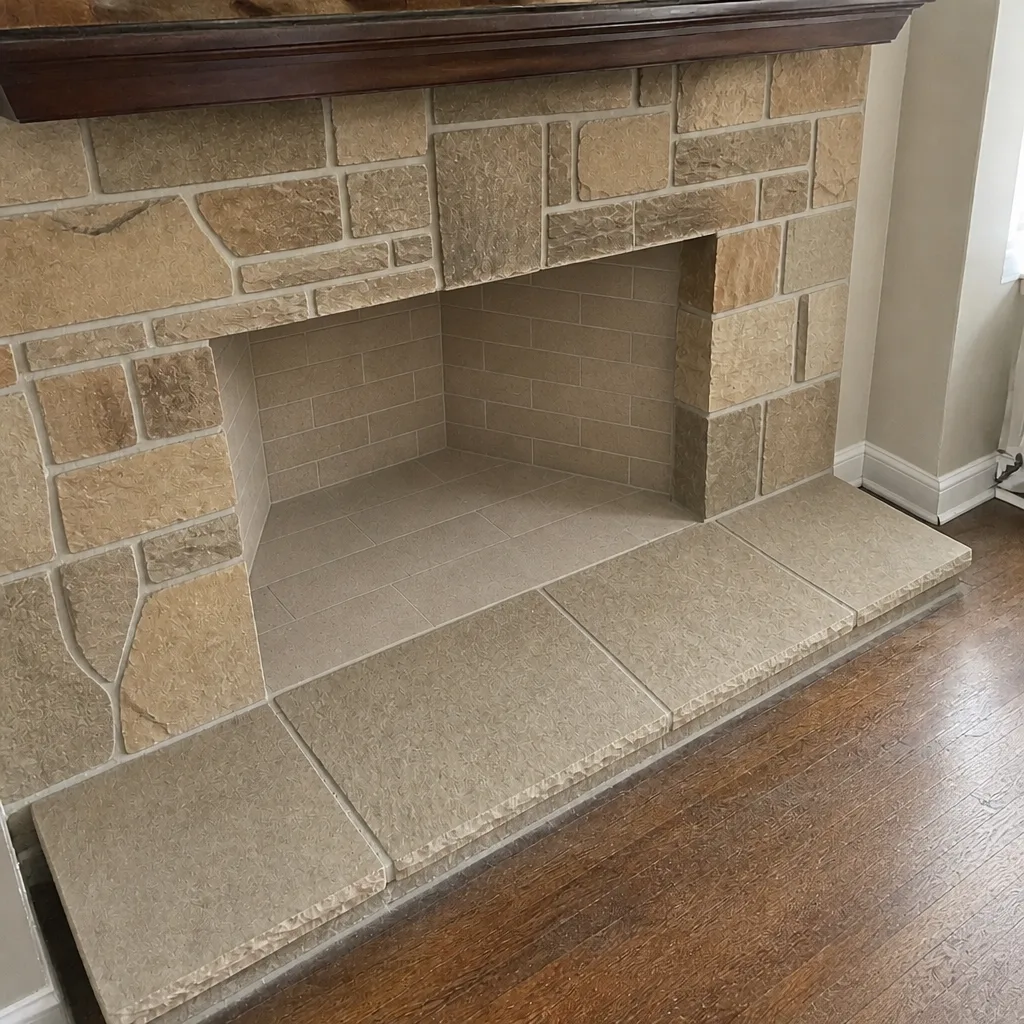
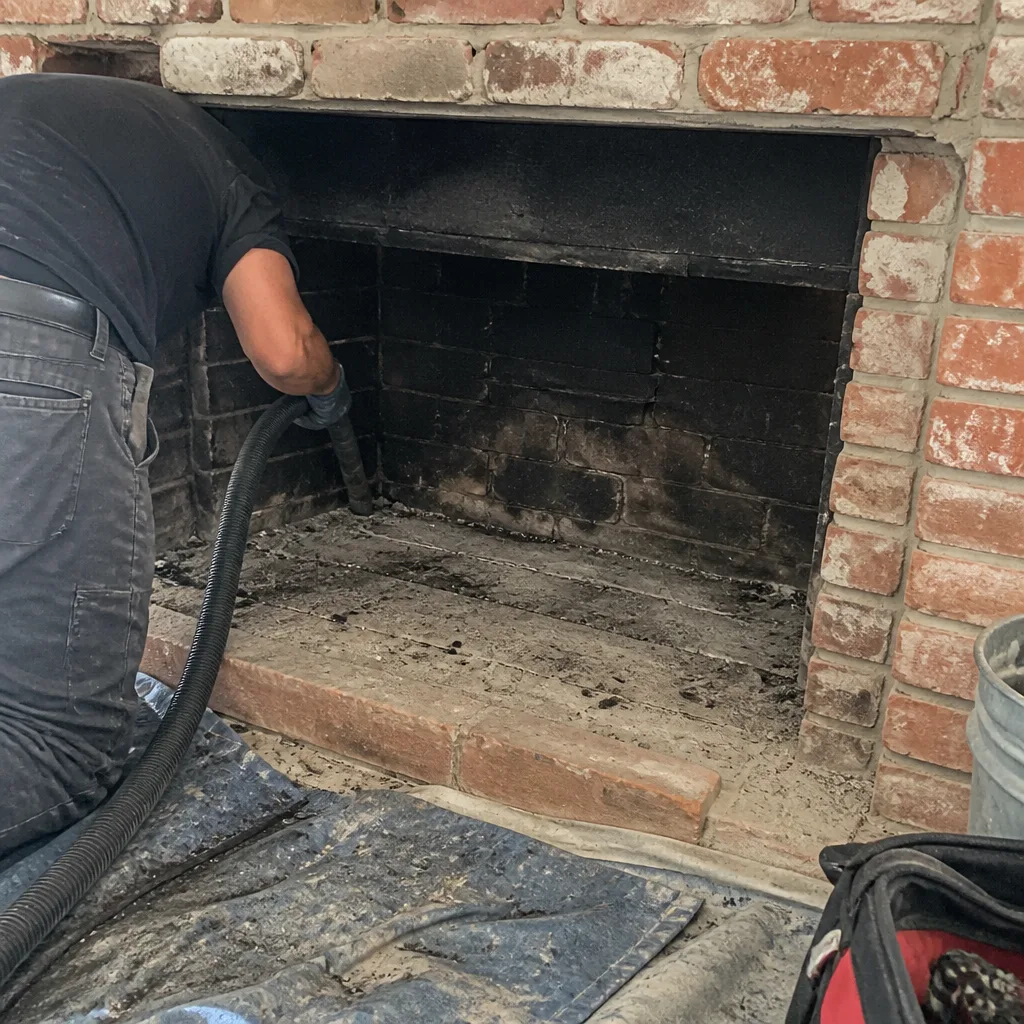
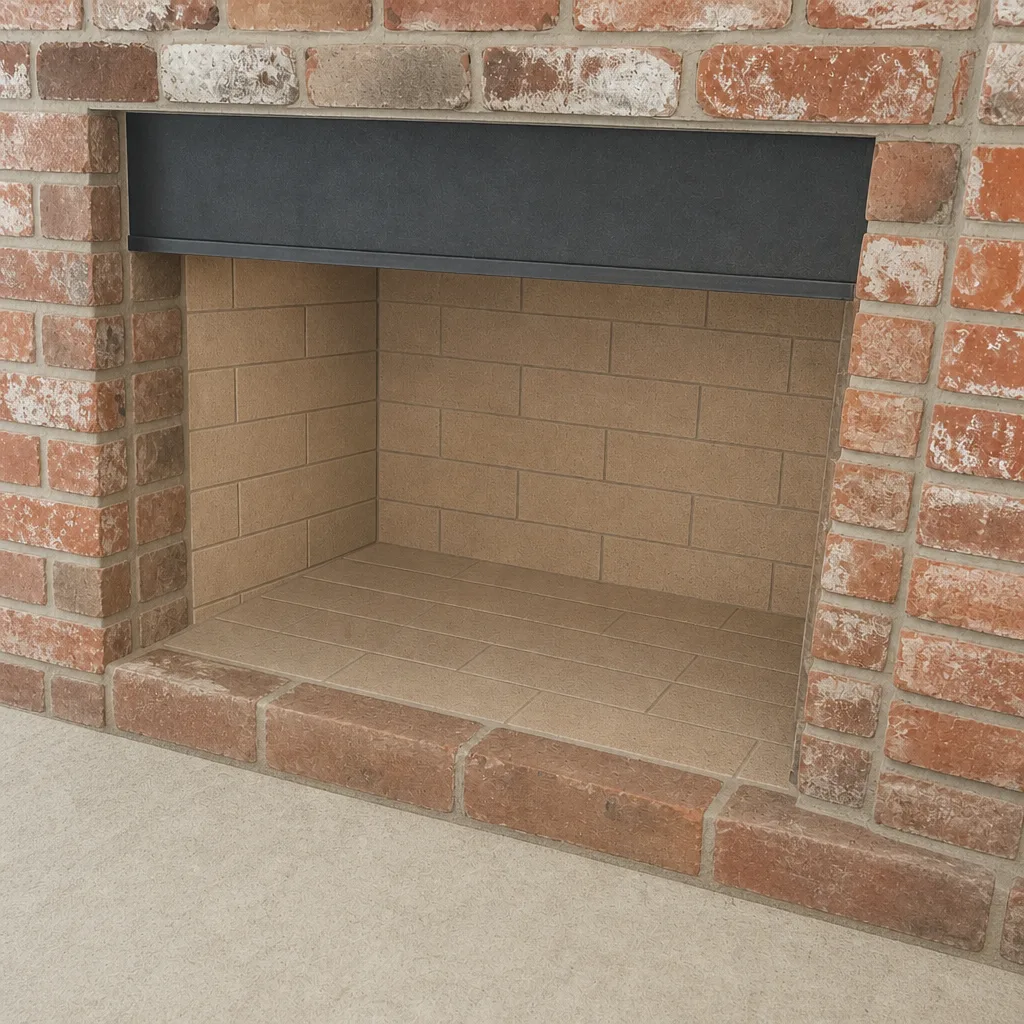
See the difference
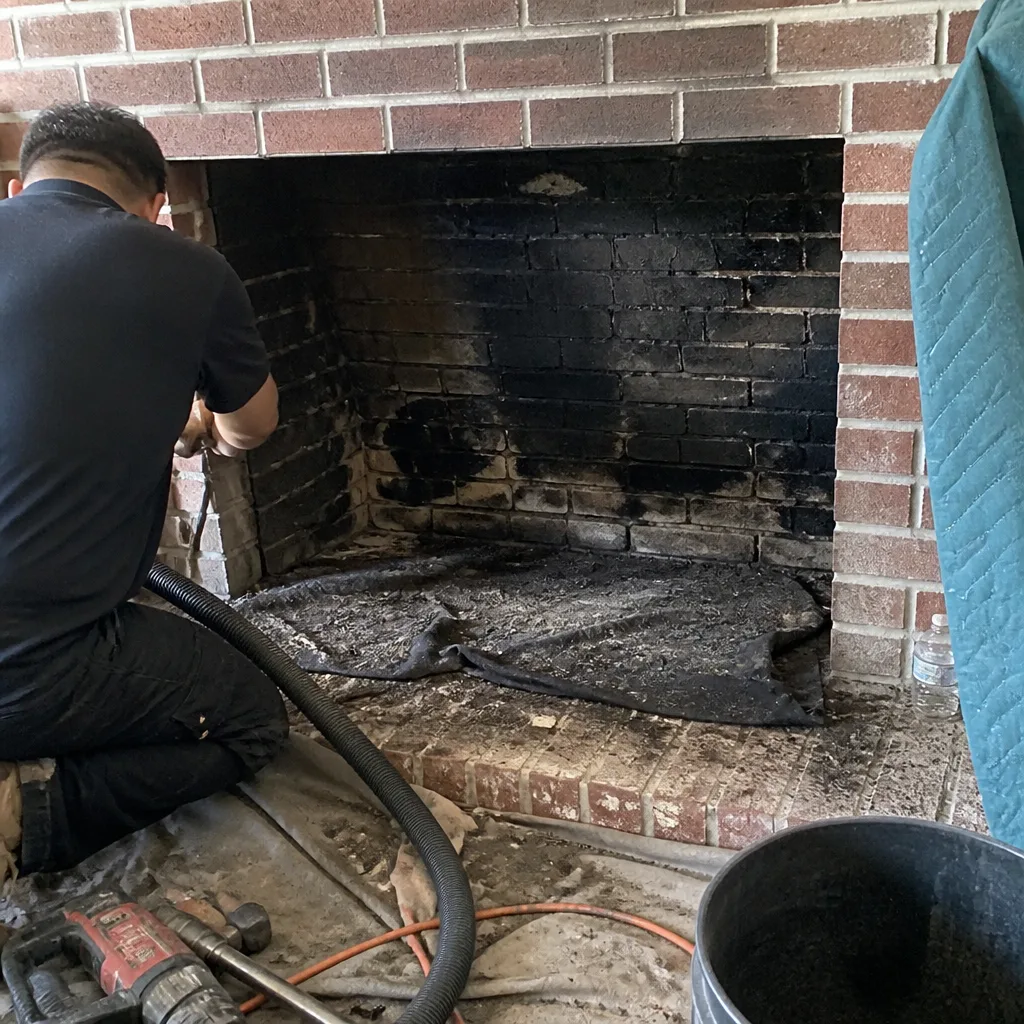 Before
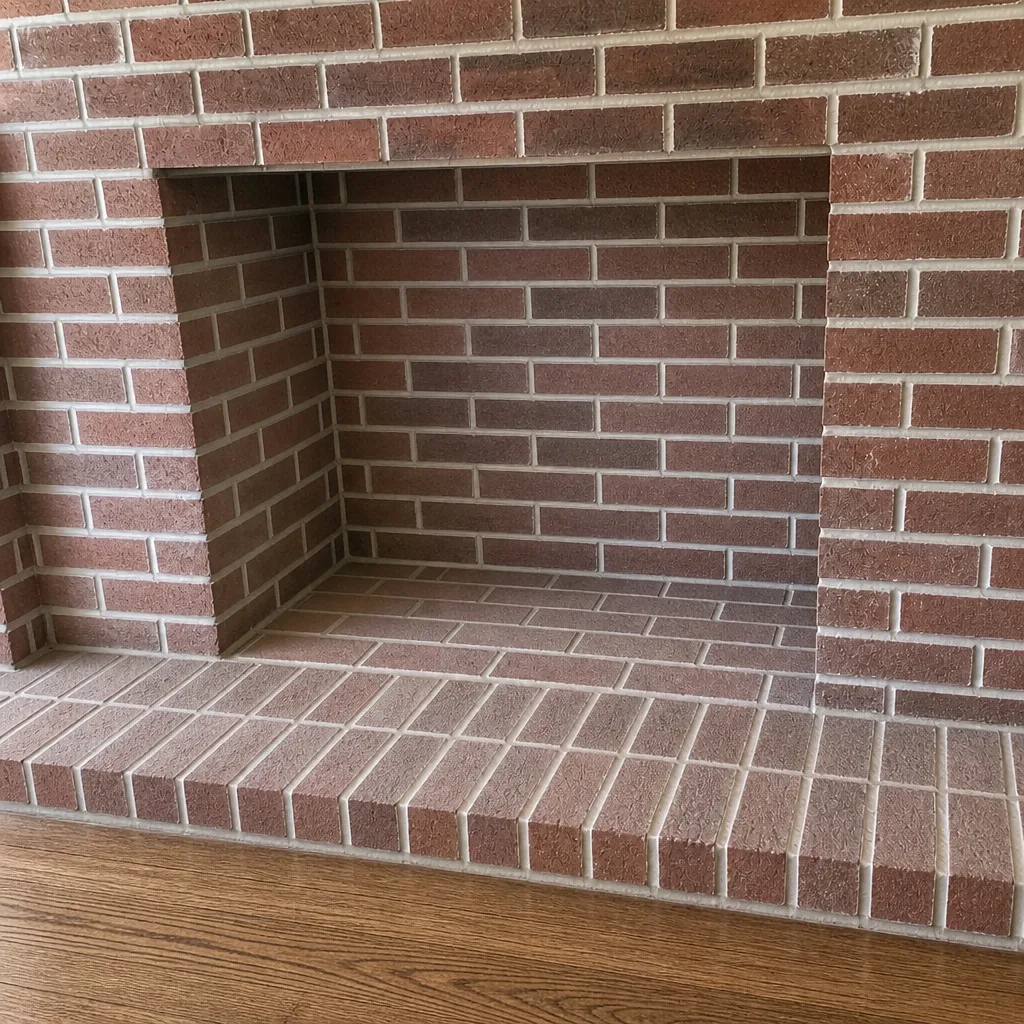 After
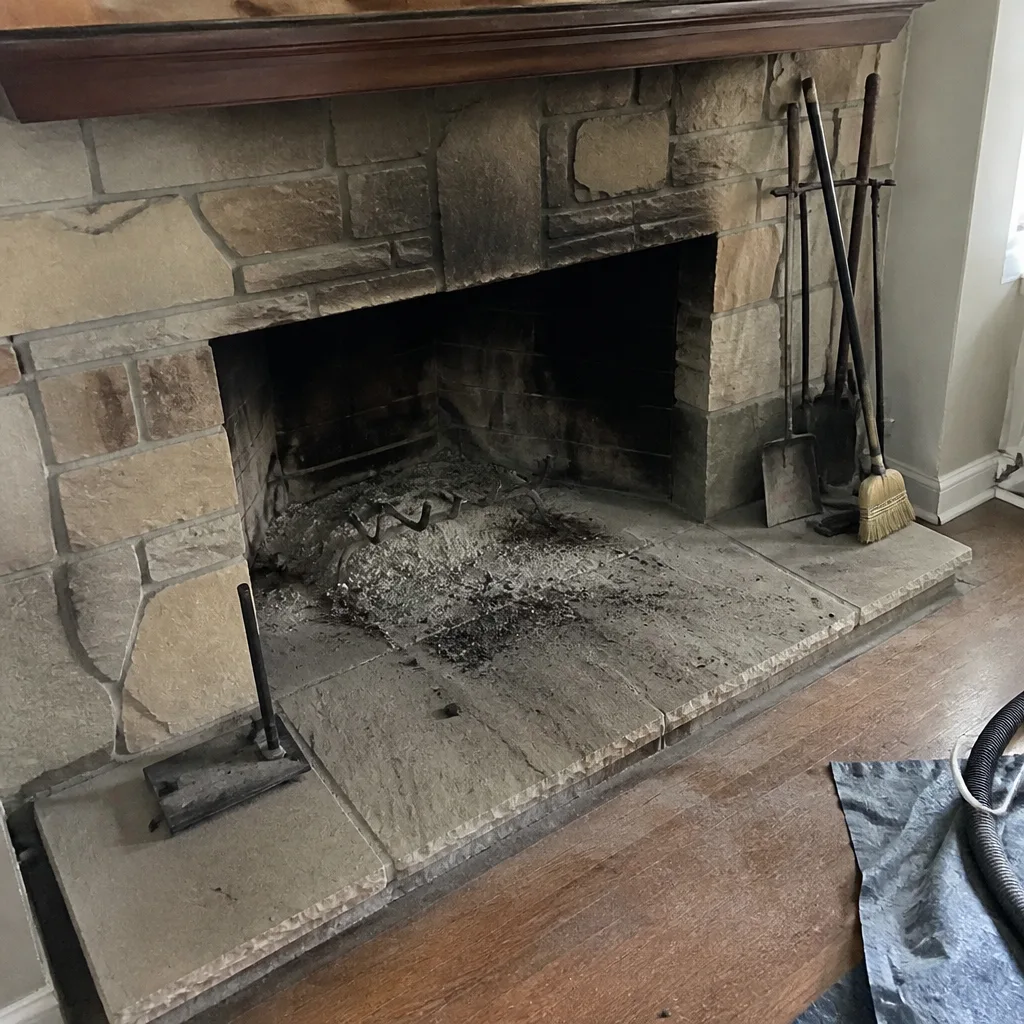 Before
 After
 Before
 After