
Last updated November 4, 2026
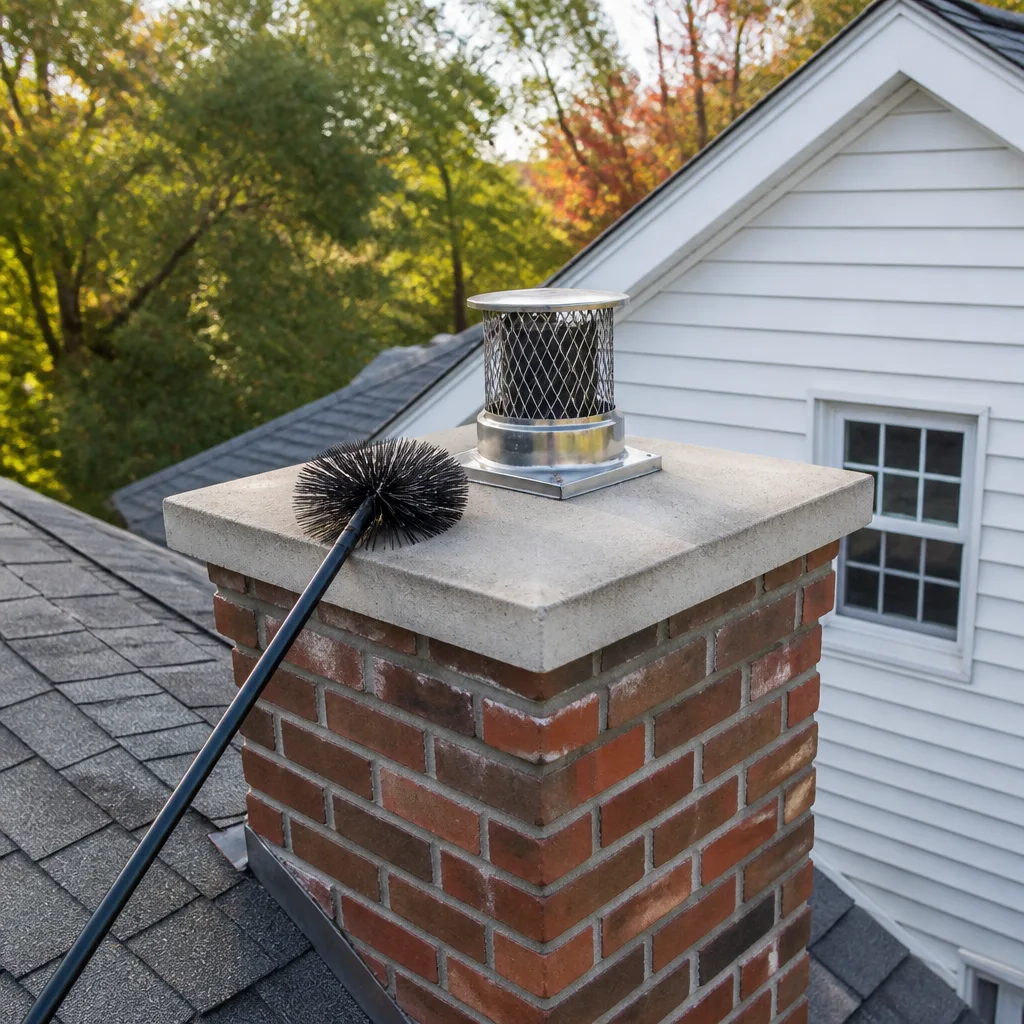 Sweep & inspection
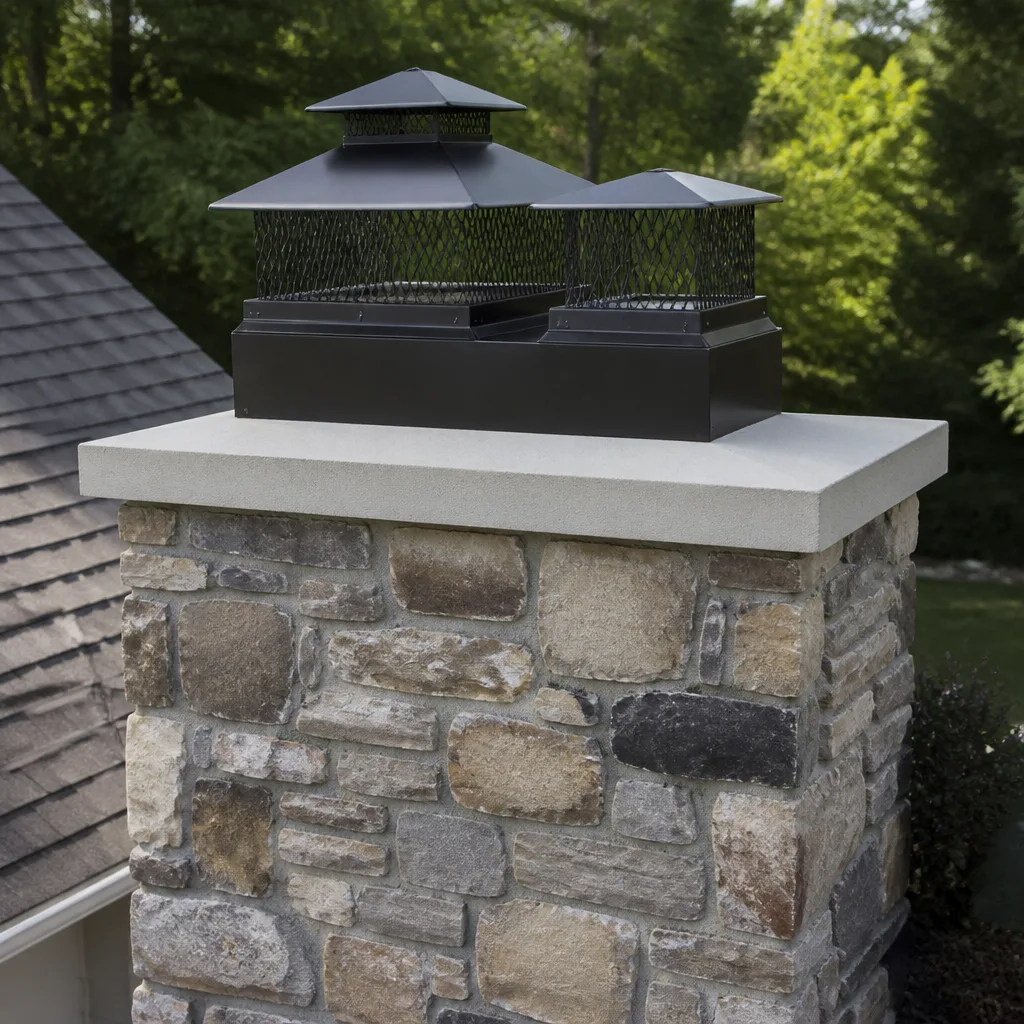 Caps & crowns
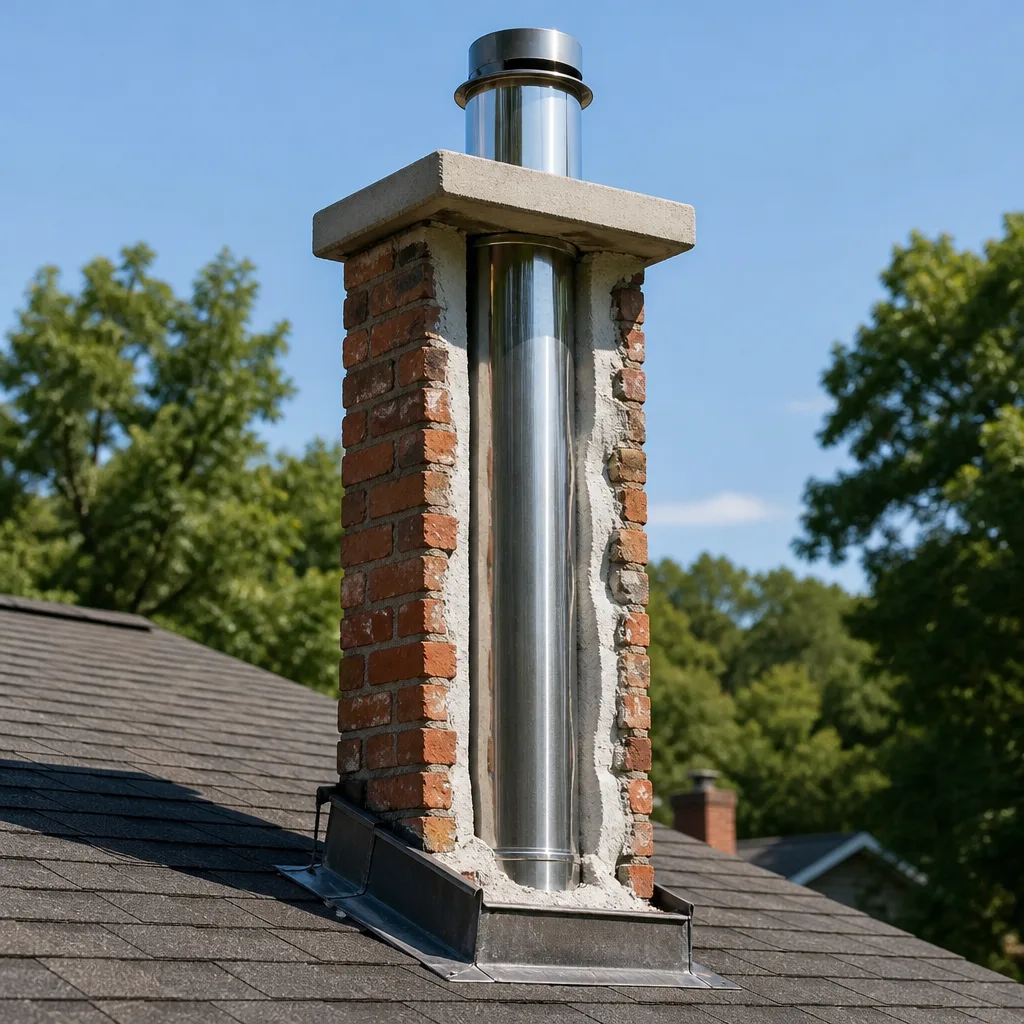 Flue relining
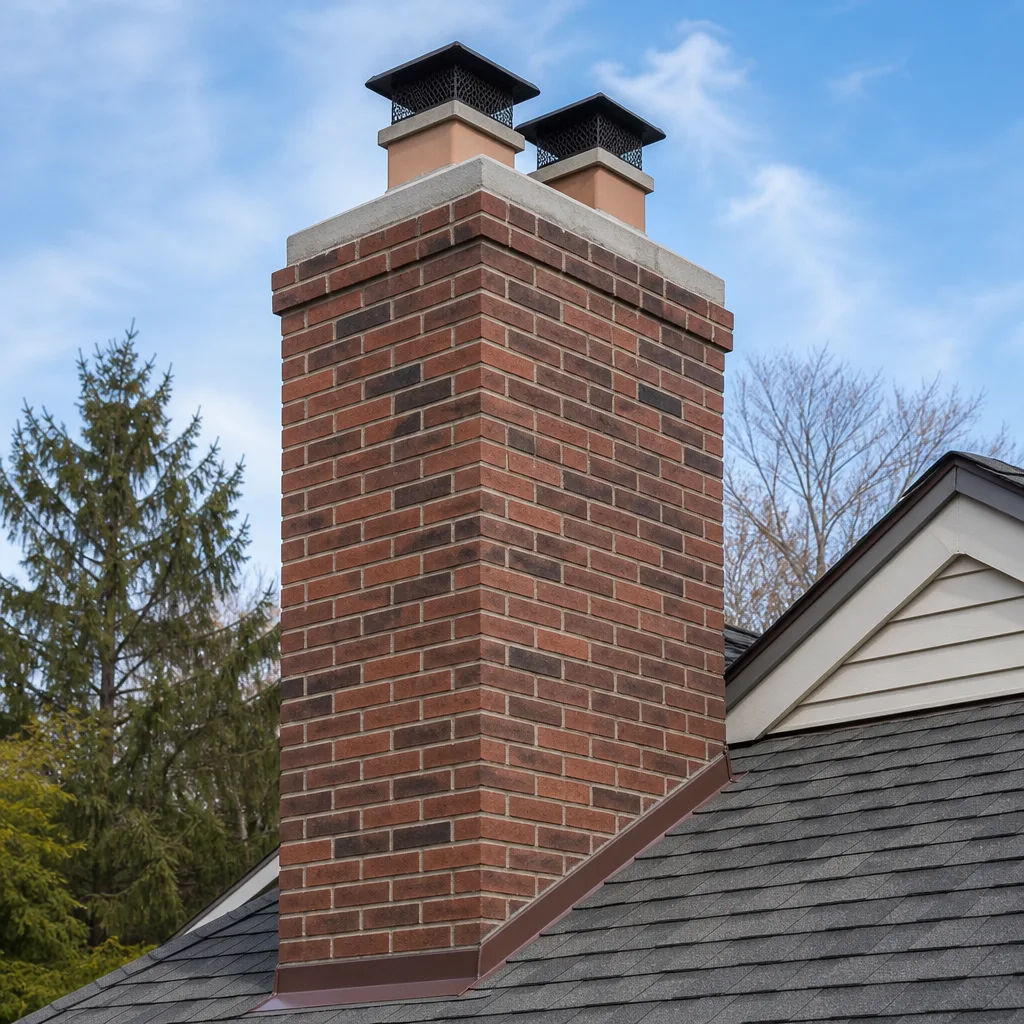 Masonry repair
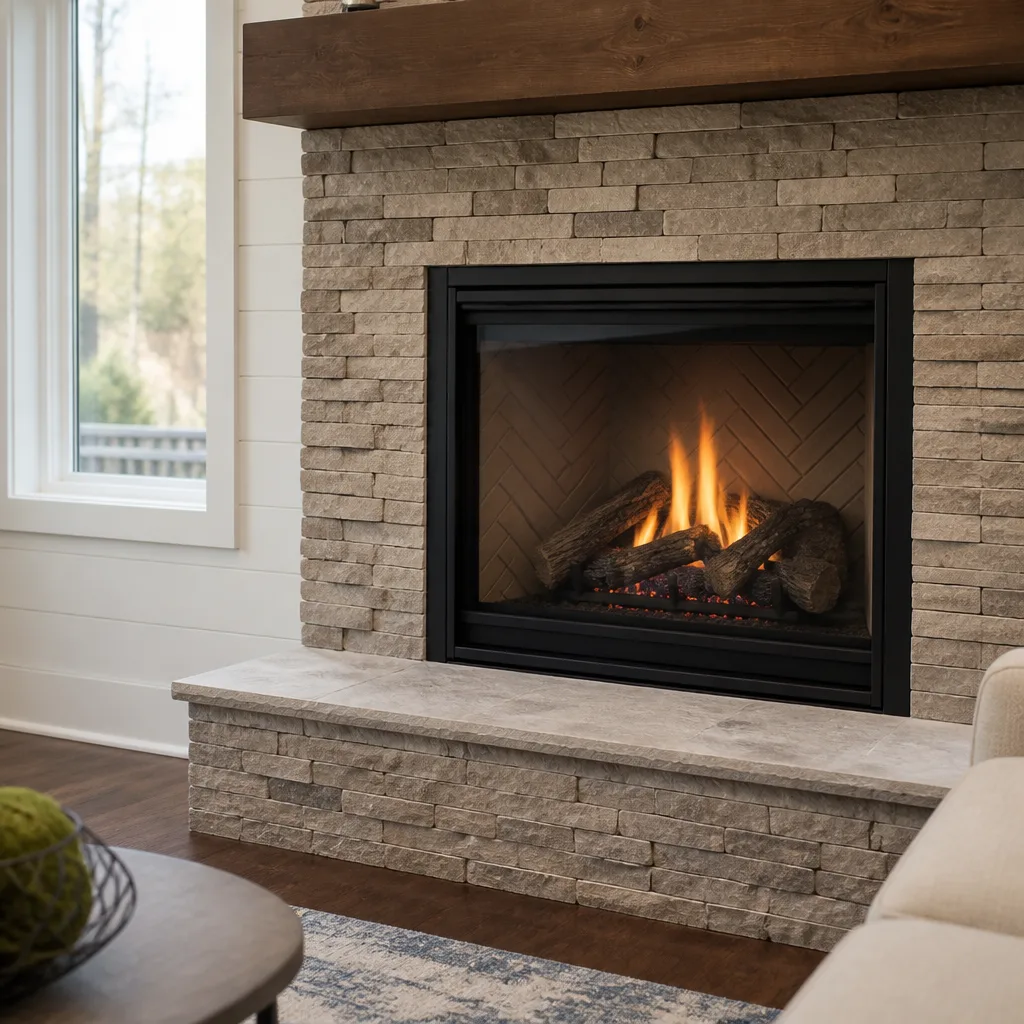 Gas fireplace service
Level 1 sweep and inspection to the NFPA 211 annual standard - flue, crown, cap, and flashing checked and photographed
Chimney sweep logs do not sweep chimneys. They loosen some creosote - which then falls where a brush and vacuum still have to collect it.
Chimney Cleaning Emergency Preparedness Guide for Tarzana Homes
Most homeowners in Tarzana don’t realize that a chimney fire sounds like a freight train, not a crackling campfire, and by the time you hear it, the fire has already been burning inside your flue for several minutes. This guide walks you through what actually happens during a chimney emergency in the San Fernando Valley, the steps to take before a Red Flag Warning hits, and how to protect your insurance coverage with the right documentation. You’ll learn the specific protocols that apply to Tarzana’s fire-weather corridor, including post-earthquake inspection requirements and how to vet a chimney professional when demand spikes after a fire event.
Quick Answer
Chimney emergency preparedness in Tarzana means three things: an annual professional chimney sweep with documentation, a clear action plan for the 48 hours before a Red Flag Warning, and knowing the telltale signs of an active chimney fire so you can call 911 immediately instead of trying to put it out yourself. A properly maintained flue rarely fails during Santa Ana conditions, but a neglected one is a documented fire liability that can complicate an insurance claim. The single most important step is keeping your cleaning and inspection records on file, because your provider may ask for them after any fire event in the 91356 area.
Styles & brands we work with
- Sweep & inspection
- Caps & crowns
- Flue relining
- Masonry repair
- Gas fireplace service
Table of Contents
- What a Red Flag Warning Means for Your Tarzana Chimney
- How to Identify an Active Chimney Fire and What to Do Immediately
- The 48-Hour Pre-Warning Checklist for Your Fireplace System
- Post-Earthquake Chimney Protocol for Tarzana Homes
- Emergency Documentation Every Homeowner Should Keep on File
- How to Find a Qualified Emergency Chimney Inspector in Tarzana
- What Creosote Buildup Actually Does to Your Flue During Fire Weather
- How Chimney Maintenance Affects Your Insurance Position
What a Red Flag Warning Means for Your Tarzana Chimney
Tarzana sits in the western San Fernando Valley, where Santa Ana winds funnel through the canyons and turn a fireplace that worked fine all winter into a genuine hazard. A Red Flag Warning means low humidity, sustained winds, and warm temperatures have combined to create conditions where any spark becomes a structure fire. For your chimney, that warning changes how you should think about using your fireplace, even if you’ve been burning wood for years without incident.
The problem isn’t just the open flame. It’s what’s already inside your chimney. Creosote, the sticky byproduct of wood combustion, coats the walls of your flue over time. During normal conditions, a thin layer isn’t immediately dangerous. During a Red Flag event, when the air is bone-dry and winds are pushing 40 mph or more through the Valley, any ember that escapes your chimney crown has a much higher chance of igniting dry brush, roofing material, or debris on neighboring properties. That’s the risk most homeowners in Tarzana don’t fully grasp until a fire crew is knocking on their door.
There’s also the code angle. Los Angeles County has specific no-burn days and fire-weather restrictions that apply to wood-burning fireplaces. When a Red Flag Warning is issued, burning may be prohibited entirely, and using your fireplace anyway can put you on the wrong side of a compliance review if a fire does break out. A professional chimney sweep can tell you whether your system meets current clearance and spark-arrestor requirements, but the short version is this: when the National Weather Service issues a Red Flag Warning for the San Fernando Valley, treat your fireplace as off-limits until the warning passes.
In our experience, the homeowners who fare best during fire season aren’t the ones who stop using their fireplaces. They’re the ones who had their flues cleaned and inspected before the season started, so there’s minimal creosote to ignite and a spark arrestor that’s actually doing its job.
How to Identify an Active Chimney Fire and What to Do Immediately
An active chimney fire in Tarzana is typically loud, and that’s the detail most people get wrong. You won’t see flames first. You’ll hear a deep rumbling or roaring sound that’s often compared to a low-flying aircraft or a freight train passing close to the house. Some homeowners describe a loud popping or crackling that’s noticeably different from normal wood fire sounds. If you hear that from your chimney, you’re already inside an emergency.
Here’s the correct immediate response, in order:
- Evacuate everyone from the house. Do not stop to gather belongings. A chimney fire can spread to the attic or roof structure in under two minutes.
- Call 911 from outside. Tell the dispatcher you have an active chimney fire. Don’t wait to see if it calms down.
- Close the fireplace damper if you can do so safely. This reduces the oxygen feeding the fire. If the fireplace is too hot to approach, skip this step and stay outside.
- Do not pour water into the fireplace. Water on a hot flue liner can cause thermal shock, cracking the clay tile and spreading the fire into the home’s structure.
- Do not use a fire extinguisher in the firebox. The fire is in the chimney, not the fireplace, and the extinguisher won’t reach it. It can also push embers into the room.
- Wait for the fire department, then get a full inspection before using the fireplace again. Even a small chimney fire can crack the flue liner, and a cracked liner is a carbon monoxide risk during normal use.
The most common mistake we see in Tarzana is homeowners who try to “let it burn itself out” because the flames seem contained. A chimney fire is never contained. It’s burning inside a vertical shaft that runs through the center of your house, often within inches of wooden framing. The fire department treats these as structure fires for a reason.
The 48-Hour Pre-Warning Checklist for Your Fireplace System
Santa Ana wind events in the San Fernando Valley are forecast days in advance, which gives you a window to prepare your fireplace system before the Red Flag Warning formally takes effect. Here’s what to do in the 48 hours before a warning is issued for Tarzana:
- Stop burning wood immediately. Once the forecast shows Santa Ana conditions developing, let the fire go out completely and don’t start another one. A bed of hot coals can smolder for 24 hours or more.
- Close your damper fully. This prevents wind-driven embers from being pulled up the flue and out the chimney cap. It also keeps outside air from fueling any smoldering creosote.
- Clear your roof and gutters of leaves and dry debris. If an ember lands on accumulated leaves in a gutter, the fire can spread to your roofline regardless of how well your chimney is maintained.
- Visually inspect the chimney cap from the ground. Look for a spark arrestor, the mesh screen around the chimney opening. If it’s missing or damaged, embers can escape directly into the air during high winds.
- Move firewood at least 30 feet from the house. A stack of seasoned wood next to the back door is kindling if a flying ember reaches it.
- Make sure everyone in the household knows the chimney fire sound. The freight train roar is the single most reliable warning sign, and recognition takes seconds that matter.
If you haven’t had a chimney sweep in the past 12 months and you’ve been burning regularly, a pre-warning inspection is a smart move. It takes less than an hour, and it tells you exactly how much creosote has accumulated in your flue. That information determines whether your chimney is a passive fixture or an active liability during the next Santa Ana event.
Post-Earthquake Chimney Protocol for Tarzana Homes
Tarzana sits on the Northridge segment of the San Fernando Valley fault system, and that’s not a theoretical concern for your chimney. A masonry chimney is one of the most earthquake-vulnerable components of any house, because it’s a rigid vertical structure attached to a building that’s designed to flex. After any seismic event over magnitude 5.0, California OES guidance calls for a Level 2 chimney inspection before you resume using your fireplace.
A Level 2 inspection goes beyond the visual check that a standard chimney sweep involves. It includes an internal video scan of the flue liner, which is the only way to see cracks, separated tiles, or shifted masonry that can block the flue or allow heat to reach combustible framing. That’s the critical difference: after an earthquake, a chimney can look fine from the outside while the inside has damage that makes it unsafe to use.
The warning signs that warrant a post-earthquake inspection, even for events below 5.0, include:
- Crumbled mortar or small brick pieces at the base of the chimney
- New cracks in the firebox or hearth, even hairline fractures
- A damper that suddenly sticks or won’t close fully
- Any sound of loose debris falling when the damper is opened
- Visible gaps between the chimney and the roofline
For Tarzana homeowners, the practical rule is simple: if you felt the earthquake strongly enough that books fell off shelves or you held onto furniture, get the chimney inspected before you start a fire. The structural risks compound over multiple seismic events, which are common in the Valley, and a chimney damaged in one quake is more likely to fail in the next.
Emergency Documentation Every Homeowner Should Keep on File
When a fire event happens in Tarzana or anywhere else in Los Angeles County, insurance adjusters ask for proof of maintenance. That proof is a file folder with specific documents, and most homeowners don’t have it. Here’s what to keep, and why each item matters:
- Annual chimney inspection reports. These show the condition of the flue liner at a specific point in time. A report that says “no creosote buildup, liner intact” from eight months before a fire is a powerful document if your provider questions whether the chimney was maintained.
- Chimney cleaning receipts. The date, the service performed, and the company name. If you used a chimney sweep who also does dryer vent cleaning, keep those receipts together; insurers may request both.
- Liner installation or repair records. If you’ve had a DuraFlex liner installed or HeatShield resurfacing done, that documentation shows the flue met current standards at installation. It’s especially valuable for older Tarzana homes with original clay liners.
- Photos of the chimney, flue, and firebox. Take dated photos from your phone before and after each cleaning. In a dispute, visual evidence of maintenance is harder to argue with than a receipt alone.
- Any correspondence with your insurer about the fireplace or chimney. If you disclosed a wood-burning fireplace on your policy, keep a copy of that.
We recommend a physical folder and a digital backup. After a fire event, when demand for chimney inspections spikes across the San Fernando Valley, you want to be the homeowner who can produce documentation immediately, not the one searching through old email for a receipt from three years ago.
How to Find a Qualified Emergency Chimney Inspector in Tarzana
After a significant fire event near Tarzana, when anxiety is high and hundreds of homeowners are suddenly calling chimney companies, unqualified operators enter the market. A person with a ladder and an inspection camera is not necessarily a qualified chimney inspector, and the difference matters when your insurance claim depends on the accuracy of the report.
Here’s what to ask before you schedule a post-emergency chimney inspection:
- Do you perform repairs, not just inspections? A company that only inspects has no stake in whether it correctly identifies damage. A company that also installs chimney sweep repair systems like DuraFlex liners or HeatShield resurfacing is accountable for findings, because they’ll be the ones doing the follow-up work.
- What specific products do you use for liner repair? If they say “whatever fits” or can’t name the brands they stock, walk away. Professional-grade products like Gelco, Olympia Chimney, and Famco reflect a firm that does real restoration, not patch jobs.
- Will you provide a camera inspection video? A legitimate post-fire inspection includes video that shows the interior of the flue. If they won’t give you the video, you can’t verify what they’re recommending.
- Can you do dryer vent cleaning at the same visit? During a fire emergency, the chimney and the dryer vent are the two flue hazards in your home. A single visit that addresses both is more efficient, and it signals a specialist who does ventilation work, not a handyperson who does driveways and gutters.
In Tarzana specifically, after the 2025 LA County fire events, the wait for a competent chimney inspection stretched to weeks for some homeowners. Booking a maintenance inspection before fire season is the single best way to avoid that queue. If you’re already in an emergency, ask the right questions and don’t accept the first available slot from an operation you can’t verify.
What Creosote Buildup Actually Does to Your Flue During Fire Weather
Creosote is the variable that turns an inconvenient fire-season closure into an active hazard. It’s not just soot. Creosote is a tarry residue that condenses from wood smoke and clings to the interior walls of your flue. In its early stage it’s flaky and brushable. In later stages it becomes a dense, glassy glaze that’s flammable at lower temperatures than you might expect.
Here’s the process that makes Tarzana’s fire weather uniquely dangerous for a neglected chimney:
- Low humidity dries creosote to its most combustible state. Dry creosote ignites faster than the sticky, sticky version that forms during normal operations.
- High winds create stronger draft. A stronger draft pulls more air through the flue, which can dislodge creosote flakes and push embers toward the chimney crown.
- An ember landing on a creosote glaze inside the flue can ignite it. Once ignited, creosote burns at very high temperatures, hot enough to crack clay liners and expose the framing to direct flame.
- A cracked liner during a chimney fire creates a direct path for heat to reach the roof structure. This is how chimney fires become house fires.
The solution is unglamorous but effective: a professional cleaning removes the creosote before it reaches the glaze stage. A yearly sweep is the baseline for a wood-burning fireplace in Tarzana. If you burn frequently, including during the shorter winter season we have here, twice a year isn’t excessive. The cost of a sweep is always less than the cost of a liner replacement, and dramatically less than the cost of a fire.
How Chimney Maintenance Affects Your Insurance Position
Your homeowners insurance policy almost certainly requires you to maintain your home’s systems, including the chimney, in good working order. That’s a general duty of maintenance, but it becomes a specific problem after a fire event in Tarzana, when adjusters are reviewing claims with a level of scrutiny that doesn’t exist during normal times.
Here’s what your insurer may ask after a chimney-related fire:
- When was the chimney last cleaned? If you can’t answer, or the answer is “we never had it cleaned,” your claim position is weak.
- Who cleaned it, and was there an inspection? A receipt that shows only a cleaning with no inspection report is better than nothing, but not ideal. An inspection report that documents the flue condition is the gold standard.
- Was there any prior damage or known issue? If a previous inspector noted cracks in the liner and you didn’t address them, that’s a bigger problem than an undocumented maintenance gap.
- Did you use the fireplace during fire-weather restrictions? If you burned wood on a no-burn day or during a Red Flag Warning in Tarzana, that’s a gap the adjuster will ask about.
The good news is that a well-maintained chimney is one of the more defensible positions a homeowner can have. When you can produce a stack of annual chimney sweep reports showing clean flues and intact liners, with receipts to match, your provider is far less likely to contest a claim. And the dryer vent cleaning records matter too, because lint buildup is the other fire hazard that adjusters ask about when a home has both a wood burner and a dryer.
The practical lesson from the 2025 LA County fire events is that insurance providers are now asking for chimney documentation more consistently than at any point we’ve seen. Tarzana homeowners who keep their records in order aren’t just prepared. They’re in a materially stronger position than the neighbor who has to admit they can’t remember the last time a professional looked at the flue.
Common Mistakes to Avoid
- Using the fireplace during a Red Flag Warning because “we’ve been doing it for years.” In Tarzana, fire-weather restrictions apply regardless of personal history. The risk isn’t your experience; it’s the ember that leaves your chimney and lands in dry brush a block away.
- Pouring water on a chimney fire. Thermal shock cracks clay liners, and cracks turn a contained flue fire into a structural one. Evacuate and call 911.
- Thinking a chimney fire that “went out on its own” means you’re fine. The interior damage is invisible. You need a camera inspection before the next fire, not a statement from the homeowner.
- Skipping the post-earthquake inspection because the chimney looks fine from the street. The damage from a 5.0 event in the Valley is internal, and it doesn’t announce itself. You find it with a Level 2 video scan.
- Not keeping cleaning and inspection records. Your insurance position depends on documentation, and you can’t retroactively create a maintenance history.
- Hiring a cut-rate inspector after a fire event because everyone is booked. A cheap inspection that misses a cracked liner is worse than waiting a few days for a qualified one. Ask about brands like Copperfield and Gelco, because the answer tells you who you’re dealing with.
- Treating the chimney and the dryer vent as separate concerns. They’re both flue systems, and during a fire emergency, both matter. A single dryer vent cleaning visit addresses the second-biggest fire hazard in most Tarzana homes.
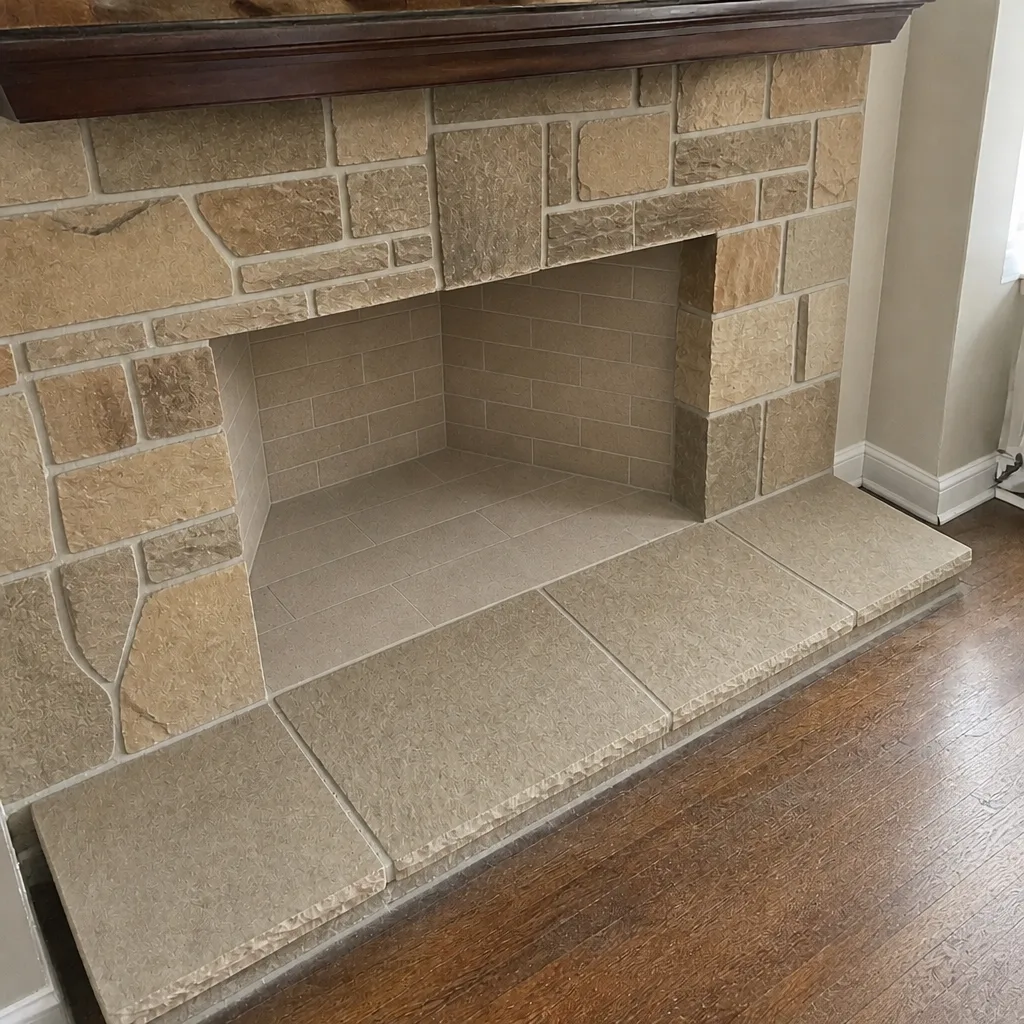
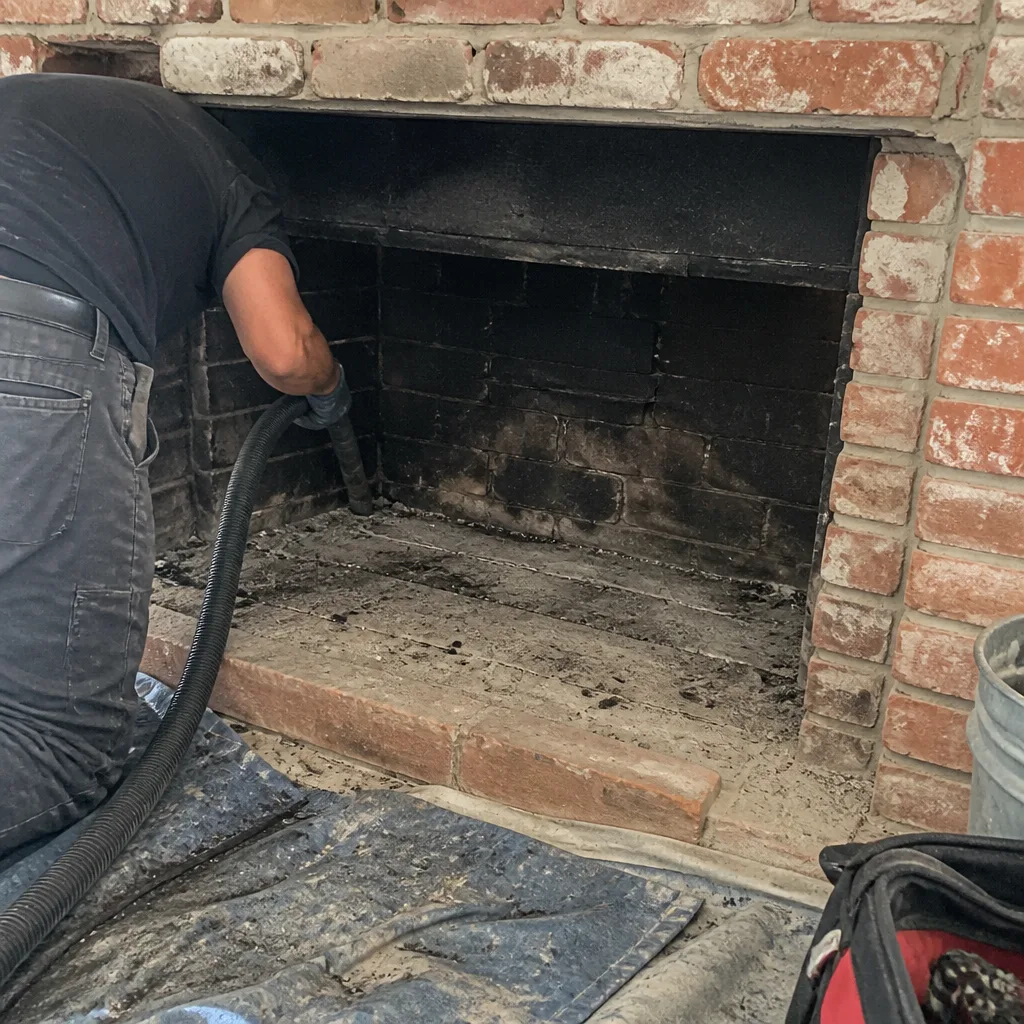
See the difference
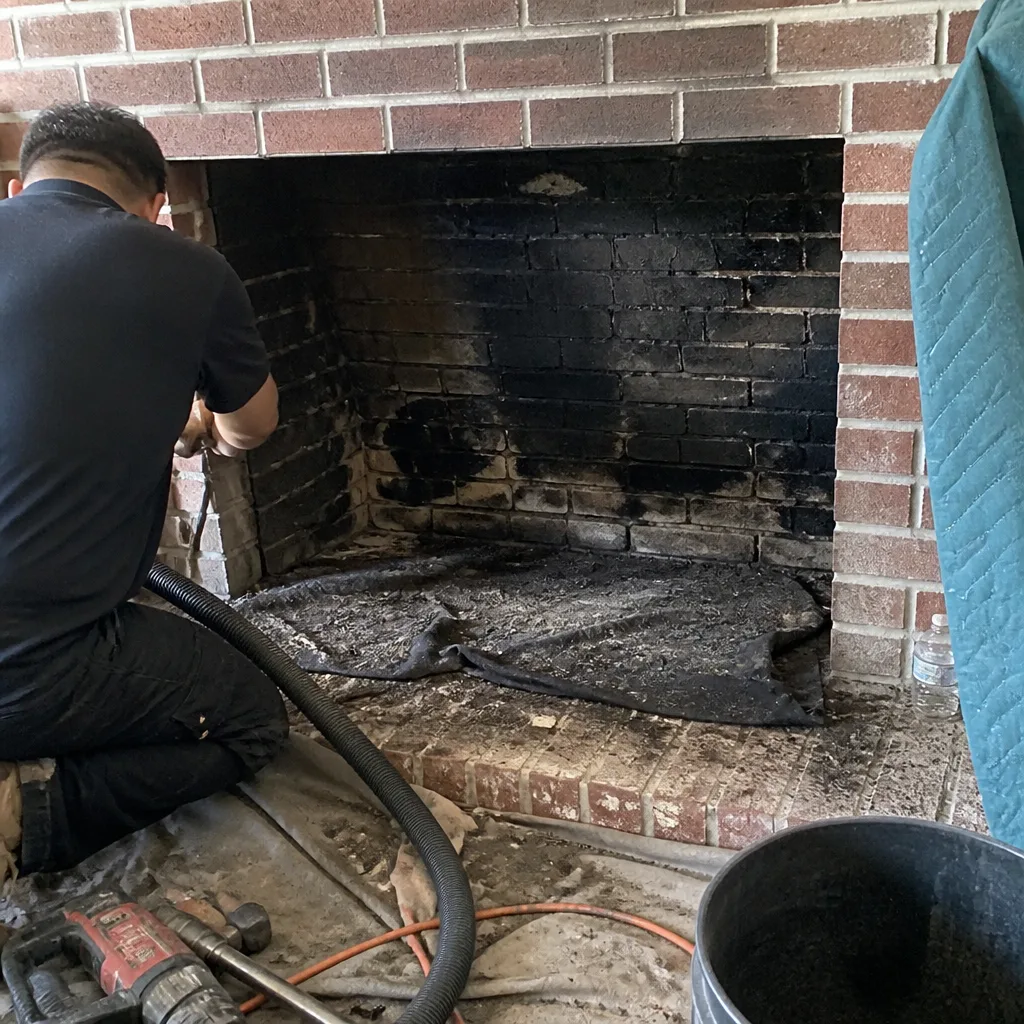 Before
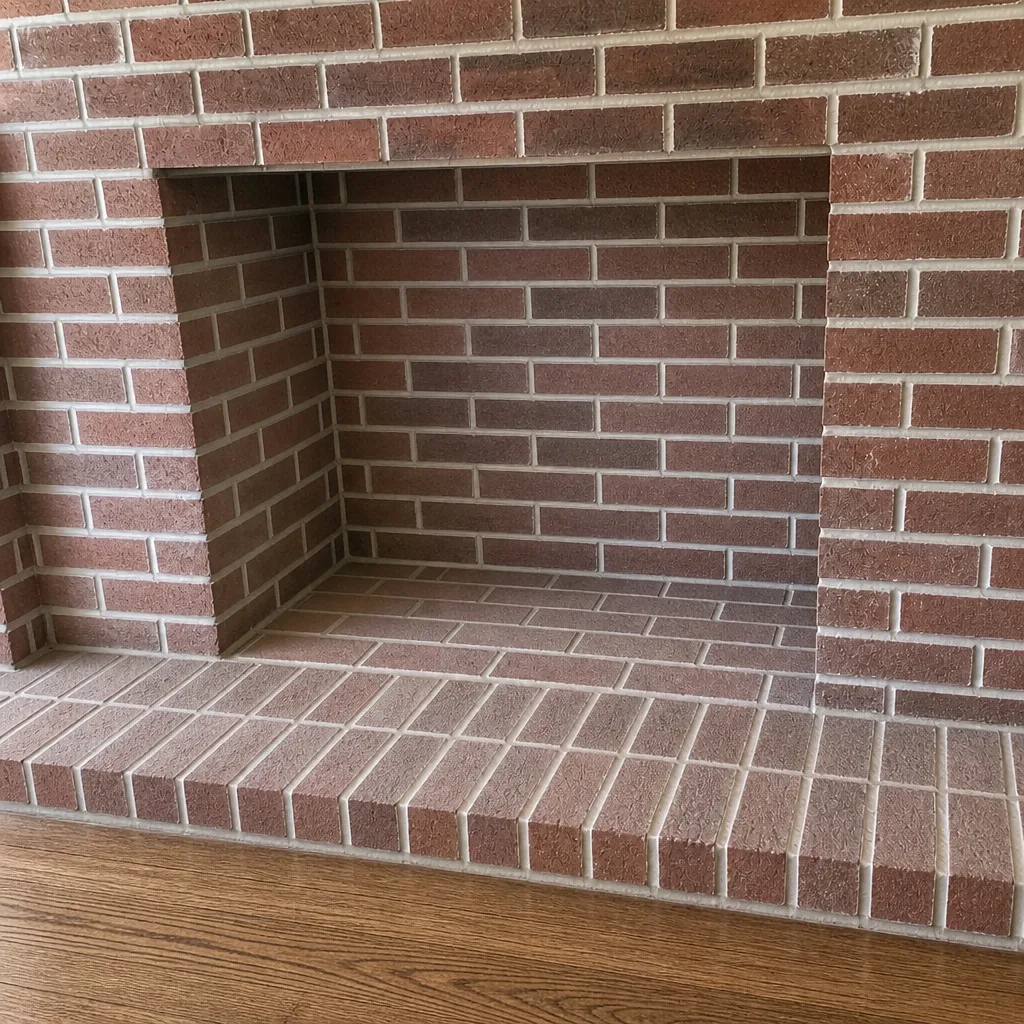 After
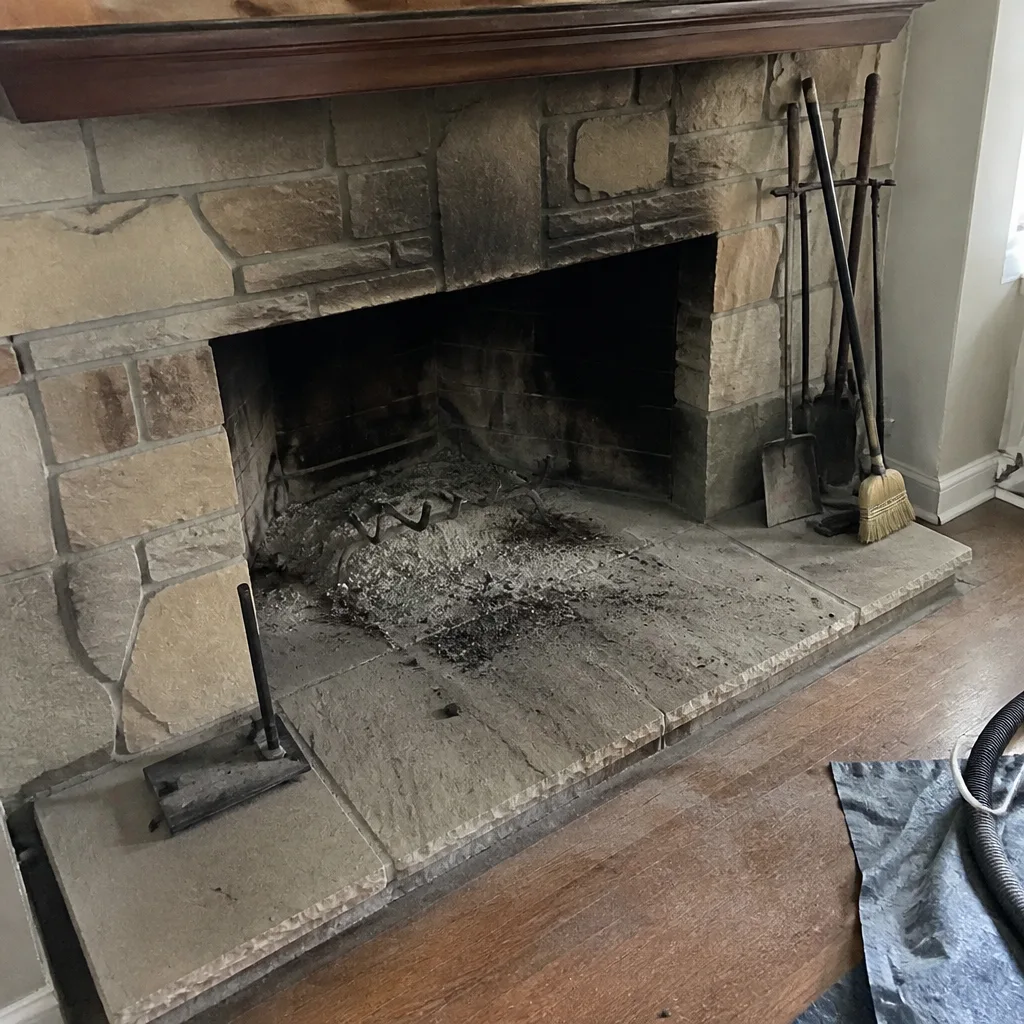 Before
 After
 Before
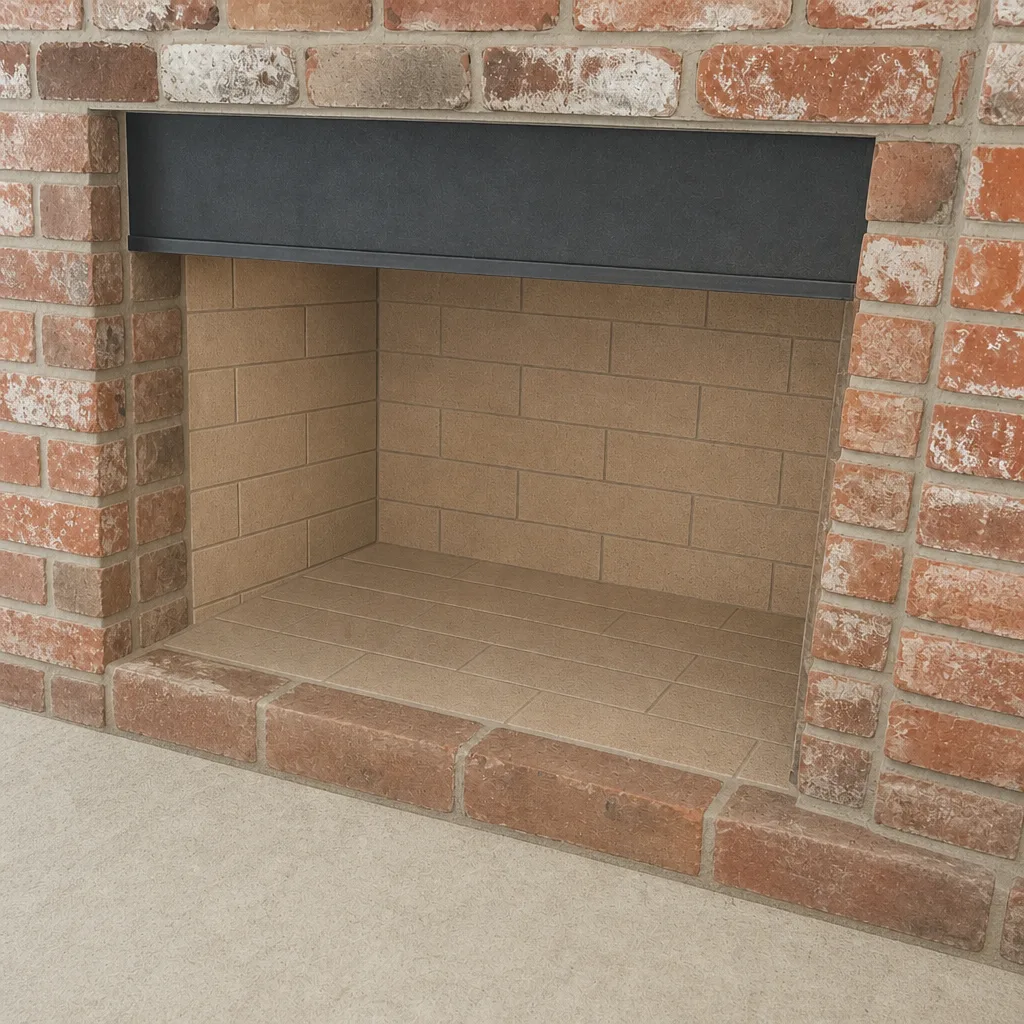 After
When to Call a Professional
Call a professional chimney company if you’ve heard the freight-train roar, if you’ve had any earthquake strong enough to rattle dishes, if your fireplace has been used for an entire season without a cleaning, or if you’re preparing for a Red Flag Warning and can’t confirm the condition of your flue liner. If your chimney hasn’t been inspected in the past year and you live in Tarzana, the prudent move is to book a sweep and inspection before fire season puts you in a queue. Chimney Sweep Tarzana offers free estimates in Tarzana, and we work with professional-grade products including DuraFlex, HeatShield, Olympia Chimney, Famco, and Copperfield, which means a repair finding during your sweep can be addressed by the same team. Call (877) 269-3953. We answer 24/7. Fast dispatch from 7am to 7pm, Sunday through Friday.
Frequently Asked Questions
A wood-burning fireplace in Tarzana should be swept at least once a year, and twice a year if you burn regularly throughout our mild winter season, because creosote accumulation depends on how much you burn rather than how cold it gets. Even if you only use the fireplace occasionally during holidays, an annual chimney sweep with an inspection protects both safety and insurance documentation. Call (877) 269-3953 to book a sweep, and we’ll give you a written estimate before any work begins.
A chimney fire typically sounds like a low rumbling or roaring, often compared to a freight train or a low-flying airplane, and it’s loud enough that you’ll notice it even from another room or outside the house. If you hear that sound from your chimney, evacuate everyone, call 911 from outside, and don’t attempt to extinguish the fire yourself. After the fire department clears the scene, get a full inspection before using the fireplace again.
Yes, California OES recommends a Level 2 chimney inspection after any seismic event over magnitude 5.0, and for Tarzana homeowners that’s a practical necessity given the fault lines running through the San Fernando Valley. A Level 2 inspection includes an internal video scan that shows cracks or shifting in the flue liner that aren’t visible from the outside, and it’s the only way to know whether your fireplace is safe to use after an earthquake.
No, you should not burn wood in a fireplace during a Red Flag Warning in Tarzana, because the combination of dry conditions and high winds makes any escaping ember a structure-fire risk, and Los Angeles County may have formal restrictions in place. Treat the warning period as a mandatory no-burn window, close your damper, and wait until conditions return to normal. If you’re unsure whether restrictions apply, err on the side of not burning.
Keep annual chimney inspection reports, cleaning receipts, liner installation or repair records, and dated photos of your chimney and firebox, because insurance providers often request proof of maintenance after a fire event in the 91356 ZIP. A consistent paper trail from a qualified chimney sweep puts you in the strongest possible position to have a claim processed without dispute. If your records are incomplete now, start a folder with the next cleaning.
Ask whether the company performs repairs in addition to inspections, what specific liner products they stock, and whether they’ll provide video from the camera inspection, because these questions quickly separate professional chimney firms from opportunistic operators who appear after Tarzana fire events. A firm that installs DuraFlex liners and HeatShield resurfacing, and stocks professional brands like Gelco, Olympia Chimney, Famco, and Copperfield, is a specialist you can hold accountable for findings. Call (877) 269-3953 to book an inspection with us, and we’ll walk you through what the camera shows and what actually needs to happen next.
The Bottom Line
Chimney emergency preparedness in Tarzana comes down to four habits: get your flue cleaned and inspected every year, keep every receipt and report in a dedicated folder, respect Red Flag Warnings and no-burn restrictions without exception, and know the freight-train sound that signals an active chimney fire. Tarzana’s position in the San Fernando Valley fire corridor makes these habits non-negotiable, not optional. The homeowners who come through fire season without incident are the ones who treat their chimneys as structural systems that require documentation and maintenance, not as occasional conveniences. Book your inspection before fire season peaks, and keep the records. It’s the simplest version of insurance you’ll ever buy.
Written by the team at Chimney Sweep Tarzana, serving Tarzana since 2014.