
Last updated November 4, 2026
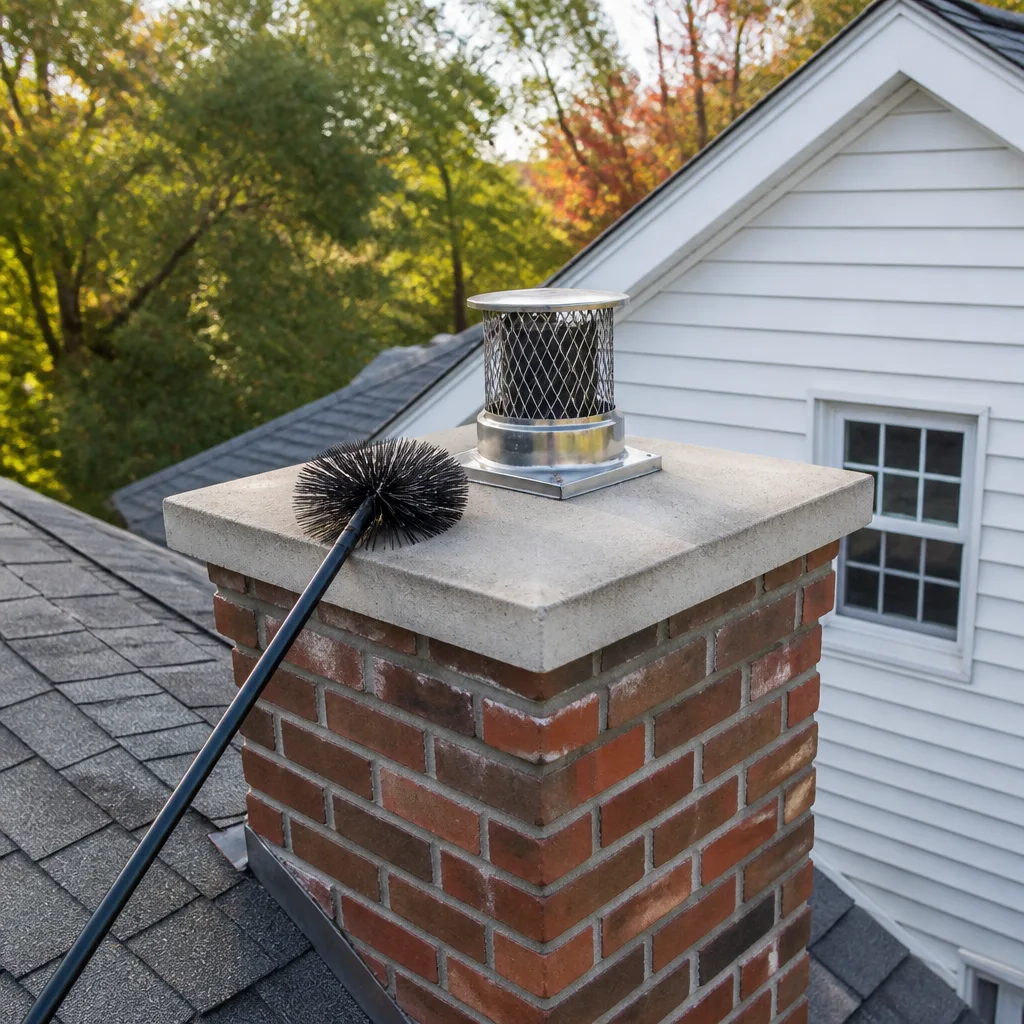 Sweep & inspection
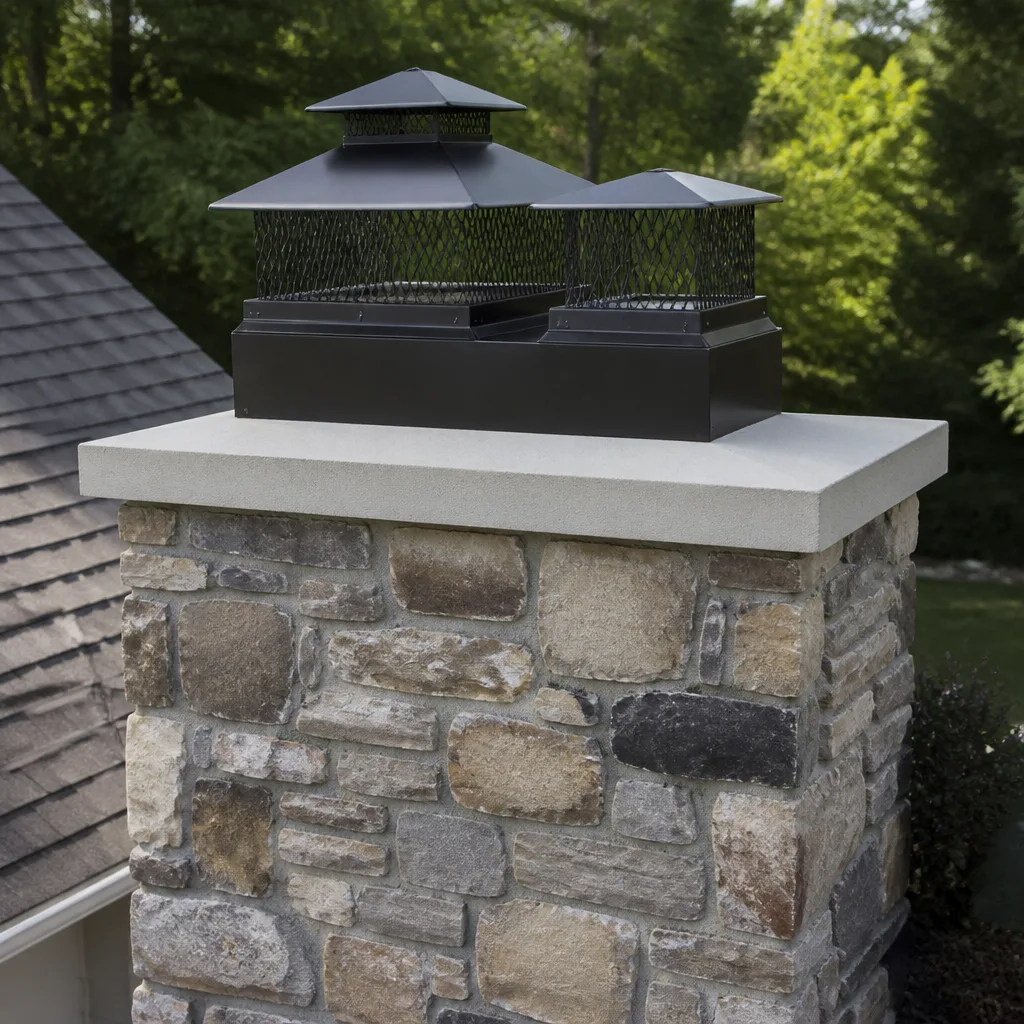 Caps & crowns
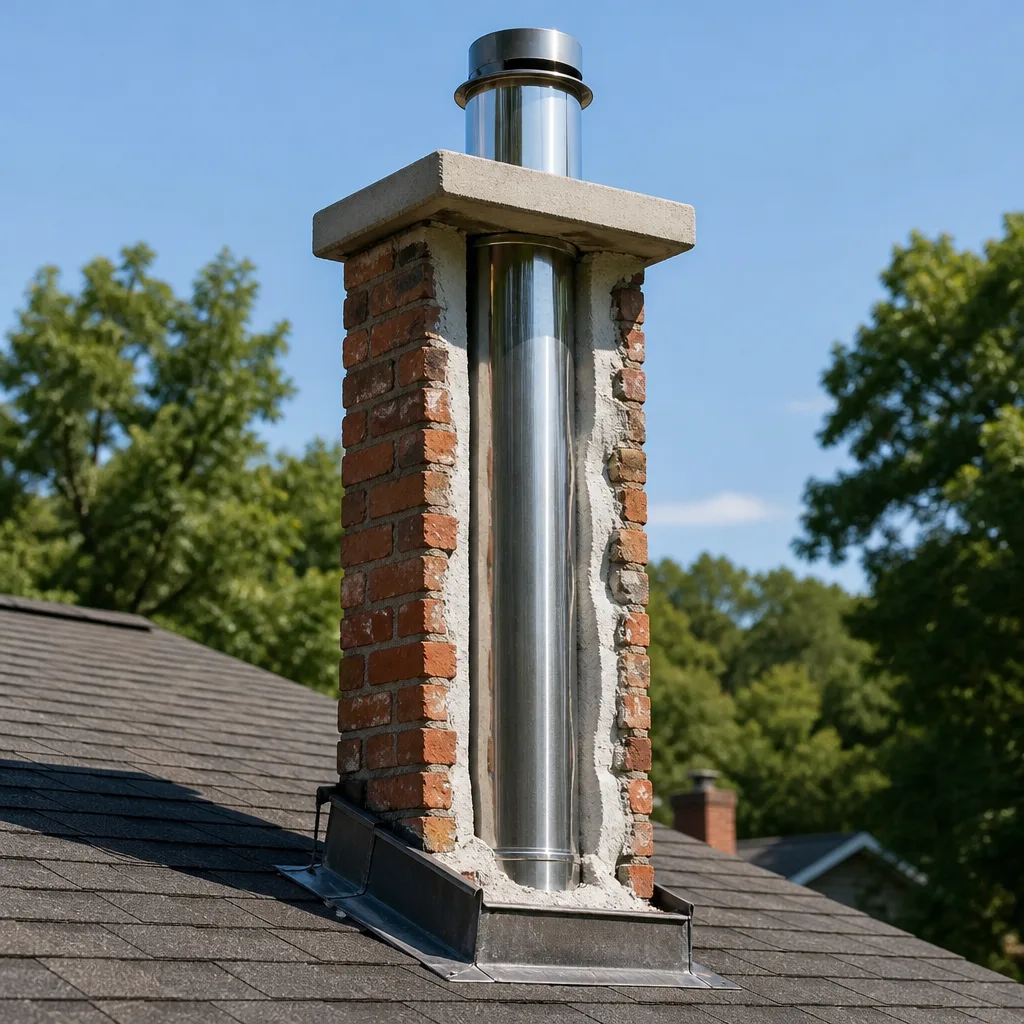 Flue relining
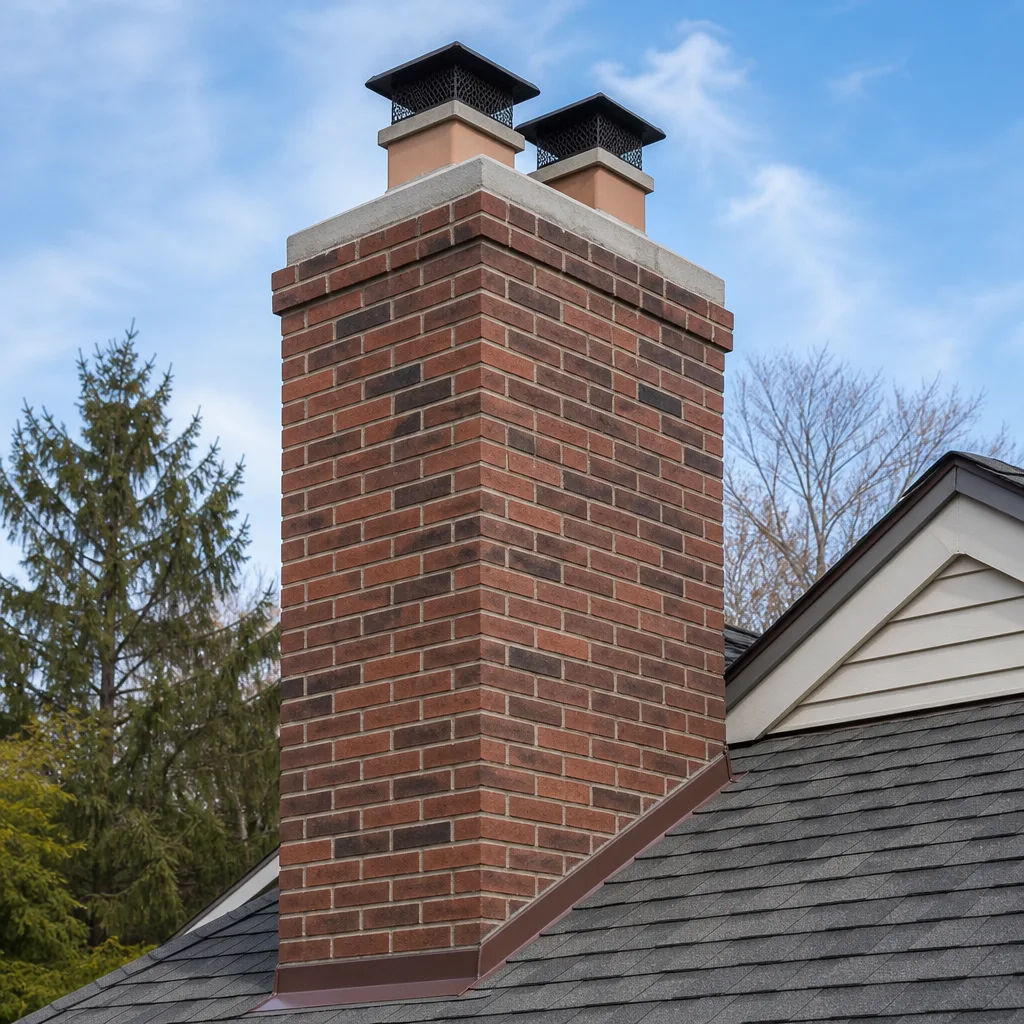 Masonry repair
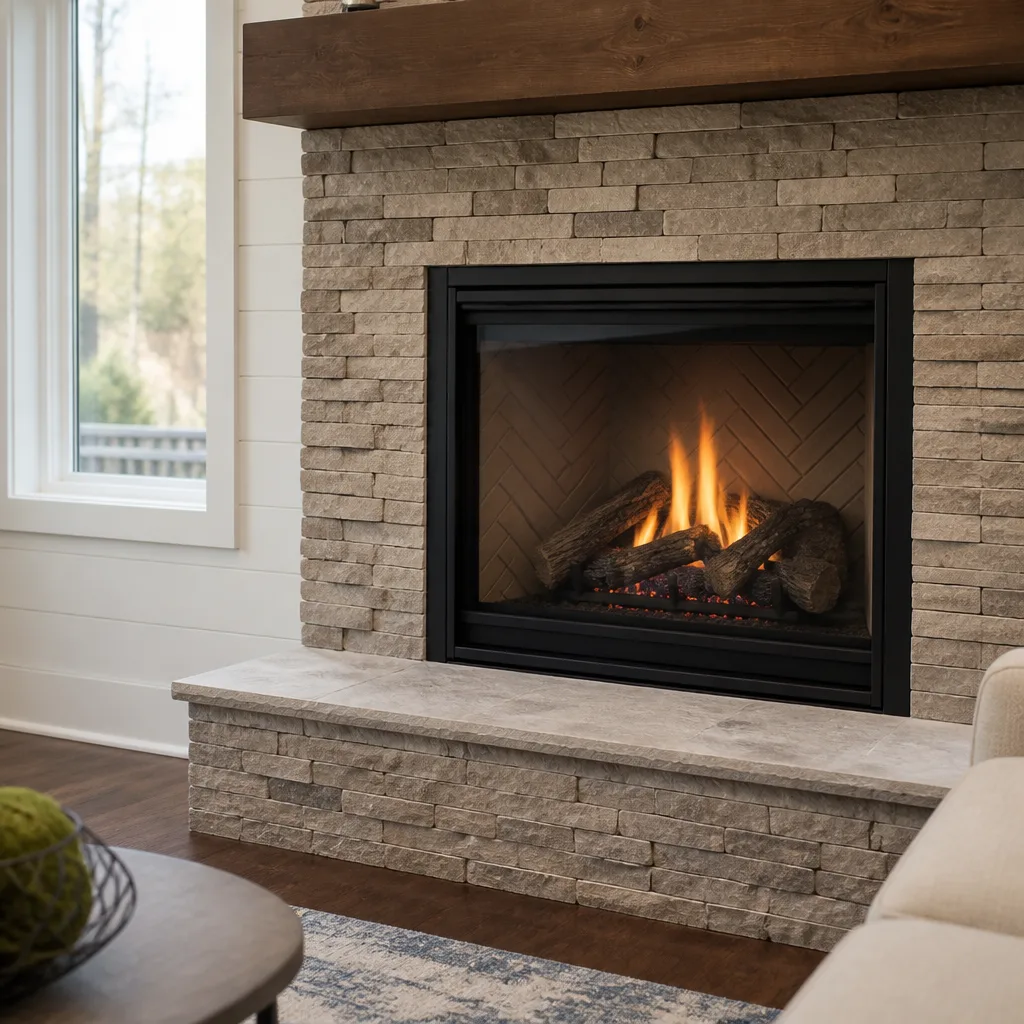 Gas fireplace service
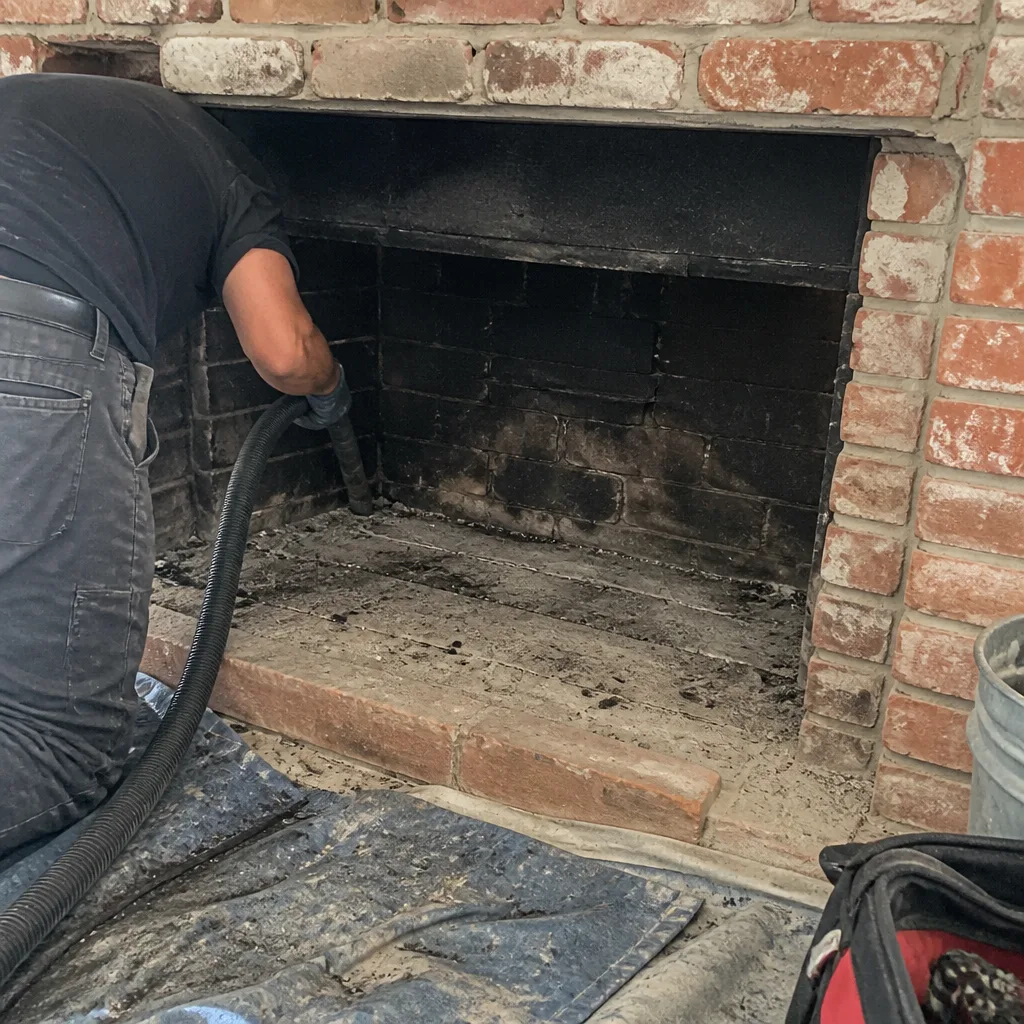
Level 1 sweep and inspection to the NFPA 211 annual standard - flue, crown, cap, and flashing checked and photographed
Chimney sweep logs do not sweep chimneys. They loosen some creosote - which then falls where a brush and vacuum still have to collect it.
Chimney Sweep Troubleshooting in Tarzana: Common Problems and How to Fix Them
A smoky fireplace isn’t a chimney problem 40% of the time. It’s a house pressure problem, and no amount of sweeping will fix it. That’s the single most important thing to understand before you start troubleshooting any fireplace issue in Tarzana, where homes range from mid-century construction with loose envelopes to newer remodels sealed tight for air conditioning efficiency. This guide walks through the symptoms homeowners call us about most often, explains what each one actually means, and gives you the vocabulary to describe the problem accurately so the fix happens on the first visit, not the third. You’ll learn how to tell a draft failure from a blockage, what those creosote stages really indicate, and which Tarzana-specific conditions make certain chimney problems more likely here than in coastal Los Angeles.
Quick Answer
Chimney problems in Tarzana fall into three categories: draft failures (often caused by house pressure, not the chimney itself), creosote accumulation (which has three distinct stages requiring different responses), and structural liner damage (accelerated by dry Santa Ana wind conditions and temperature swings). Most issues can be diagnosed by observing when the problem occurs, what it looks like, and what has changed in the home recently. A professional inspection with a camera confirms what’s happening inside the flue before any repair is recommended.
Styles & brands we work with
- Sweep & inspection
- Caps & crowns
- Flue relining
- Masonry repair
- Gas fireplace service
Table of Contents
- Why Your Fireplace Smokes: Draft Failure vs. Blockage
- The Three Stages of Creosote and What Each One Means
- How Tarzana’s Dry Climate Accelerates Chimney Damage
- Persistent Odor After a Sweep: What It Actually Signals
- The Pre-Call Checklist: How to Describe Symptoms Accurately
- When Liner Damage Requires HeatShield or DuraFlex
- The Dryer Vent Connection: Two Fire Hazards, One Specialist
- Common Mistakes to Avoid
- When to Call a Professional
- Frequently Asked Questions
Why Your Fireplace Smokes: Draft Failure vs. Blockage
Smoke rolling into the living room instead of up the flue is the most common complaint we hear from Tarzana homeowners. The instinct is to assume something is blocking the chimney. Sometimes that’s right. Often it isn’t. The distinction matters because the fixes are entirely different, and treating a pressure problem with a sweep will leave you with the same smoky room and a lighter wallet.
Draft is simply air moving up the chimney because warm air rises and the house is pulling in replacement air somewhere. When that balance breaks, smoke follows the path of least resistance, which is often back into the room. Here’s how to tell which problem you have:
Signs of a True Blockage
- Smoke problems that started suddenly, not gradually
- Visible debris falling into the firebox from above
- Animal sounds coming from the chimney (scratching, chirping, fluttering)
- Smoke backing up even with windows open and exhaust fans off
- A strong creosote or musty smell that got worse quickly
Blockages in Tarzana chimneys typically come from bird or squirrel nests, accumulated creosote that has partially closed the flue opening, or a deteriorated chimney cap that allowed debris in. These require a physical sweep and often cap repair or replacement.
Signs of a House Pressure Problem
- Smoke appears only when certain conditions exist: kitchen exhaust fan running, bathroom fan on, dryer running, or a window open in one specific room
- The fireplace draws fine sometimes and smokes other times, with no change in the chimney itself
- The house has been recently weatherized, had new windows installed, or had insulation added
- Smoke problems began after a kitchen remodel or the installation of a larger range hood
- You can feel cold air coming down the chimney when the fireplace isn’t in use
Negative house pressure works like this: your home is always trying to breathe. When exhaust appliances pull air out, replacement air has to come from somewhere. In a tight house, the chimney becomes the easiest intake point. Open the kitchen exhaust, and air rushes down the flue, pushing smoke back into the room. This is a ventilation problem, not a chimney blockage. The fix involves managing that pressure differential, often through make-up air vents, damper adjustments, or changes to when certain appliances run. A professional chimney sweep who understands building science can identify this pattern quickly and save you from paying for a cleaning that won’t solve the issue.
The Three Stages of Creosote and What Each One Means
Creosote is the byproduct of incomplete wood combustion, and it accumulates on chimney walls every time you burn. But not all creosote is the same, and the stage of buildup determines whether you need a standard cleaning, chemical treatment, or something more involved. Understanding the stages helps you understand what a sweep is actually recommending and why.
Stage 1: Flaky Soot
Stage 1 creosote is the lightest form: a fine, powdery, or flaky black substance that brushes off easily. It forms when fires burn hot with good airflow. This is a routine cleaning job. A standard chimney sweep with proper brushes removes Stage 1 creosote in a single visit, and the chimney is ready to use immediately. Most homeowners who burn seasoned wood and keep their damper open properly will see Stage 1 buildup over a season.
Stage 2: Crunchy Tar Flakes
Stage 2 creosote is denser, appearing as hardened, shiny black flakes that look like black cornflakes. It forms when fires burn at lower temperatures or when airflow is restricted. At this stage, brushes alone may not remove everything. Chemical treatments, often applied before mechanical sweeping, help break down the tar-like bond so the brushes can remove the residue. Stage 2 requires more time and often more aggressive tools, but a thorough sweep can usually handle it without structural repair.
Stage 3: Glazed or Tar-Like Buildup
Stage 3 creosote is the most serious: a thick, shiny, tar-like glaze that hardens onto the flue walls and resists standard brushing entirely. It forms from sustained low-temperature fires, unseasoned wood, or restricted airflow over long periods. Stage 3 creosote cannot be simply brushed away. Removal typically requires chemical treatment combined with rotary cleaning tools, and even then, the underlying liner may be damaged. In many cases, the best long-term solution is liner replacement or resurfacing with a product like HeatShield ceramic flue coating, which restores a smooth, safe surface. If a sweep tells you Stage 3 creosote is present, ask to see the camera footage. You should be able to see exactly what they’re describing before authorizing any repair.
How Tarzana’s Dry Climate Accelerates Chimney Damage
Tarzana’s climate creates specific challenges for chimneys that differ from what homeowners in beach cities or colder regions experience. The San Fernando Valley’s dry heat, combined with periodic Santa Ana wind events, puts stress on masonry and clay tile liners in ways that are easy to misread as normal settling or general wear.
Clay tile liners, standard in many Tarzana homes built between the 1950s and 1980s, expand and contract with temperature changes. In a climate with sharp swings between cool nights and hot, dry days, that thermal cycling is constant. Over years, the tiles develop hairline cracks that gradually worsen. Santa Ana wind events add a second stressor: sudden, sustained pressure changes against the chimney structure that can widen existing cracks and loosen mortar joints between flue tiles. Homeowners often notice small pieces of clay tile in the firebox and assume the house is settling. What they’re actually seeing is flue tile spalling, a direct result of thermal fatigue accelerated by the valley’s dry, windy conditions.
Mortar joint erosion follows a similar pattern. The mortar between bricks and flue tiles dries out faster in low-humidity environments. When moisture does arrive, typically during winter rains, the dried mortar absorbs water rapidly, and the expansion cracks it. Repeated cycles of dry heat followed by brief heavy rain weaken the chimney’s structural integrity over time. The crown, the concrete cap at the top of the chimney, is particularly vulnerable. Hairline cracks in the crown allow water into the brick below, which then deteriorates from the inside out.
None of these problems announce themselves loudly. They accumulate quietly and show up as small symptoms: bits of tile in the firebox, a damp smell after rain, a crack visible on the exterior brick that wasn’t there last year. Catching these early in Tarzana matters because the dry conditions that accelerate the damage also make a compromised chimney more dangerous during fire season, when embers and high winds create additional risk factors.
Persistent Odor After a Sweep: What It Actually Signals
A chimney that still smells after a professional cleaning is a frustrating experience for any homeowner. The immediate assumption is that the sweep didn’t do the job properly. In our experience, that’s rarely the case. A persistent odor after a thorough cleaning usually points to one of two underlying conditions: moisture intrusion or negative house pressure. Neither is fixed by sweeping harder.
Moisture intrusion creates odor through a simple mechanism: water enters the chimney, mixes with creosote residue embedded in the masonry or liner, and produces a damp, smoky, musty smell that intensifies after rain or on humid days. Even a perfectly cleaned chimney can smell if water is getting in through a cracked crown, damaged flashing, or deteriorating mortar joints. The source of the water has to be addressed. Cleaning removes the creosote, but it doesn’t stop the water from entering, and the odor will return as long as the intrusion continues. A camera inspection that includes the crown, flashing, and exterior masonry usually identifies the entry point.
Negative house pressure causes a different kind of persistent odor: the smell of smoke and soot being pulled down the chimney into the house even when no fire is burning. This happens when exhaust appliances or tight construction create a pressure differential that draws air down through the flue. The chimney itself is clean, but the house keeps pulling the smell of the flue into the living space. This is the same house pressure dynamic described in the draft failure section, and it’s solved through ventilation management, not additional cleaning.
If you’ve had a sweep recently and the smell persists, describe exactly when you notice the odor. After rain? That points to moisture. When the dryer runs, a bathroom fan is on, or the kitchen hood is on? That points to pressure. When certain windows are open? Also pressure. The pattern tells an experienced technician more than the odor itself does.
The Pre-Call Checklist: How to Describe Symptoms Accurately
The quality of the information you provide before the visit directly determines whether the right technician arrives with the right tools, or whether you’re scheduling a follow-up. Here’s a practical checklist to run through before you call a chimney sweep in Tarzana:
- When does the problem happen? Note whether it’s constant, seasonal, after rain, during Santa Ana winds, only when you burn, only when you don’t burn, or only when certain appliances are running.
- What does it look like? Is it smoke in the room, water stains on the ceiling or walls near the chimney, white staining (efflorescence) on the exterior brick, pieces of tile in the firebox, or a visible crack in the masonry?
- What does it smell like? Smoky, musty, damp, like animals, or like something burning that shouldn’t be? Each smell points in a different direction.
- When did it start? Was it sudden or gradual? Did it begin after a remodel, new windows, a new appliance, or heavy rain?
- When was the last cleaning? If you know the date or even the season, say so. If you’ve never had it cleaned since moving in, say that too. A chimney that hasn’t been swept in years presents different conditions than one cleaned last season.
- What type of fuel do you burn? Seasoned wood, unseasoned wood, manufactured logs, or something else? The fuel type affects creosote formation patterns.
- Have you noticed animals? Sounds in the chimney, nesting material falling into the firebox, or animals in the yard near the chimney are all relevant.
Answering these questions before the call means the technician arrives prepared. It also protects you from paying for work that doesn’t address your actual problem. When a homeowner can describe the symptom clearly, a skilled technician can often diagnose the likely cause over the phone and tell you what to expect before anyone sets foot on your property.
When Liner Damage Requires HeatShield or DuraFlex
Liner damage shows up in several ways: pieces of clay tile in the firebox, visible cracks in the flue during a camera inspection, smoke leaking into the house through gaps you can’t see, or draft problems that persist after the chimney is cleaned and cleared. When the liner is compromised, the solution depends on the extent of the damage and how the chimney is used.
For cracked or deteriorated clay tile liners where the structure is still largely intact, HeatShield ceramic resurfacing is often the right answer. The HeatShield system applies a ceramic coating to the interior of the flue, filling cracks and gaps and restoring a smooth, insulated surface. It’s a targeted approach that avoids the cost and disruption of a full relining job. It’s particularly well-suited to Tarzana homes where the clay tile liner has developed thermal stress cracks but the surrounding masonry is sound.
For installations that require a flexible liner, such as stove inserts, oil appliances, or fireplace conversions, DuraFlex flexible liner systems are designed for long-term flue restoration. A DuraFlex liner is a stainless steel tube installed inside the existing flue, creating a new, safe passage for exhaust. It’s the standard solution when the original liner is too far gone for resurfacing or when the appliance requires a specific liner configuration.
The decision between resurfacing and relining should always be based on camera evidence. We don’t recommend liner work without footage you can see for yourself, and we’ll tell you plainly when the chimney can safely wait. A liner isn’t a wear item you replace on a schedule. It’s a structural component that either has integrity or doesn’t, and the camera tells the truth.
The Dryer Vent Connection: Two Fire Hazards, One Specialist
Most chimney sweeps in Tarzana work on chimneys. That’s the whole job. But the same principles that keep a fireplace flue safe apply to the other fire hazard in your home: the dryer vent. Lint accumulation in a dryer vent restricts airflow, causes the dryer to run hotter, and creates the conditions for a lint fire. The U.S. Fire Administration has long identified dryer vent lint as a leading cause of residential fires involving dryers.
This is why Chimney Sweep Tarzana includes dryer vent cleaning alongside chimney sweeping. The two services use related skills: understanding airflow through enclosed flues, identifying blockages, and cleaning what can’t be reached from the appliance end. Bundling the services means a single visit addresses both of the household’s most common exhaust-related fire hazards. If your chimney has a draft problem caused by the dryer pulling negative pressure, the connection becomes even more direct. Solving the dryer vent airflow issue can sometimes reduce the chimney draft problem at the same time.
We stock and install products from professional chimney industry brands including Olympia Chimney, Famco, and Copperfield, which means replacement caps, dampers, and other components are available on the truck when we find damage during a sweep. Found during your sweep, fixed by the same team. That continuity is the practical difference between a one-trick sweep and a full-service operation. Two fire hazards, one specialist.
Common Mistakes to Avoid
- Assuming smoke means a dirty chimney. Draft failures caused by house pressure won’t improve with cleaning. Check exhaust appliances and window conditions before scheduling a sweep, and describe the pattern to the technician.
- Burning unseasoned wood to save money. Unseasoned wood burns cooler and creates Stage 2 and Stage 3 creosote faster than seasoned wood. The savings disappear quickly when you’re paying for more aggressive cleaning or liner repair.
- Ignoring small pieces of tile in the firebox. Bits of clay tile indicate flue deterioration, not settling. Early intervention with HeatShield resurfacing can prevent the need for a full relining.
- Sealing every air leak in the house without considering ventilation. Tightening a house for AC efficiency without adding make-up air can create negative pressure that pulls smoke and odors down the chimney. Whole-house ventilation planning matters.
- Skipping the dryer vent because “it’s been fine.” Lint fires don’t announce themselves in advance. If you’re having the chimney swept, have the dryer vent cleaned in the same visit and eliminate both hazards at once.
- Accepting a repair recommendation without seeing the camera footage. Any liner repair or replacement recommendation should be backed by visible evidence. If the technician can’t show you the problem, ask why.
- Treating a chimney cap as optional. An uncapped or damaged cap invites animals, debris, and water into the flue. In Tarzana’s dry, windy conditions, a cap is your first line of defense against accelerated liner damage.
When to Call a Professional
Some chimney problems are observable and manageable: a damper that sticks, a smoke smell when the wind blows from a certain direction, a fireplace that draws poorly on cold mornings. Others require equipment and expertise you don’t have in the garage. Call a professional when you see visible tile fragments in the firebox, when smoke enters the living space regardless of window and fan conditions, when you smell gas or something burning that shouldn’t be, when you’ve had a chimney fire (even a small one, even if it burned itself out), or when water stains appear on the ceiling or walls near the chimney. These are structural and safety issues, not maintenance items. Chimney Sweep Tarzana offers free estimates in Tarzana. Call (877) 269-3953 and describe what you’re seeing. The estimate is free, and the written estimate sets the price before any work begins.
Frequently Asked Questions
A standard chimney sweep in Tarzana typically ranges from $150 to $350 depending on the level of creosote buildup, the height and accessibility of the chimney, and whether any additional services like cap replacement or minor repairs are needed. The written estimate sets the final price before work begins, so there are no surprises. Call (877) 269-3953 for an exact quote. Estimates are free.
The general rule is once per year if you burn wood regularly, or after every cord of wood burned, whichever comes first. Homes in Tarzana that burn seasonally, typically November through February, should have an annual sweep before the burning season starts. If you burn manufactured logs, the manufacturer usually specifies a more frequent schedule. If you’ve just moved into a home with an existing fireplace and don’t know the last service date, schedule a sweep and inspection before your first fire.
You should never accept a liner replacement recommendation without seeing camera footage of the damage. A compromised liner is real: cracked clay tiles, gaps between flue sections, or visible deterioration that could allow heat and gases to escape into the chimney chase. If the camera shows those conditions, liner work is a safety repair, not an upsell. If the technician won’t show you the footage, get a second opinion. HeatShield resurfacing is often an alternative to full replacement for moderate cracking.
Creosote accumulates in stages, moving from flaky soot to hardened tar glaze. Stage 2 and Stage 3 creosote are combustible and can ignite into a chimney fire that damages the liner, the surrounding masonry, and in the worst case, the house. Skipping a sweep also means small problems like a cracked cap or animal nest go unnoticed until they become bigger problems. The cost of a sweep is a fraction of the cost of liner repair after a fire. Call (877) 269-3953 to schedule before burning season.
Rain-related chimney odor points to moisture intrusion. Water entering through a cracked crown, damaged flashing, or deteriorating mortar mixes with creosote residue and creates a damp, smoky smell. The fix is repairing the water entry point, not additional sweeping. A camera inspection that examines the crown and flashing will identify the source.
Yes. We bundle chimney sweeping and dryer vent cleaning in a single visit, which means both of your home’s primary exhaust-related fire hazards are addressed in one appointment. The two services use related airflow expertise, and bundling saves you the hassle of coordinating two contractors. Call (877) 269-3953 to schedule both.
The Bottom Line
Chimney problems in Tarzana are diagnosable. A smoky fireplace is either a blockage, a pressure imbalance, or a structural failure, and the symptoms tell you which one. House pressure problems are fixed through ventilation management, not sweeping. Creosote stages determine whether you need a standard cleaning, chemical treatment, or liner work. Dry, windy conditions in the valley accelerate clay tile cracking and mortar erosion, and small symptoms like tile fragments in the firebox deserve attention before they become expensive repairs. Describe your symptoms accurately, ask for camera evidence before authorizing liner work, and treat your chimney and dryer vent as the connected exhaust systems they are. That’s how you get the right fix on the first visit.
Written by the team at Chimney Sweep Tarzana, serving Tarzana since 2014.
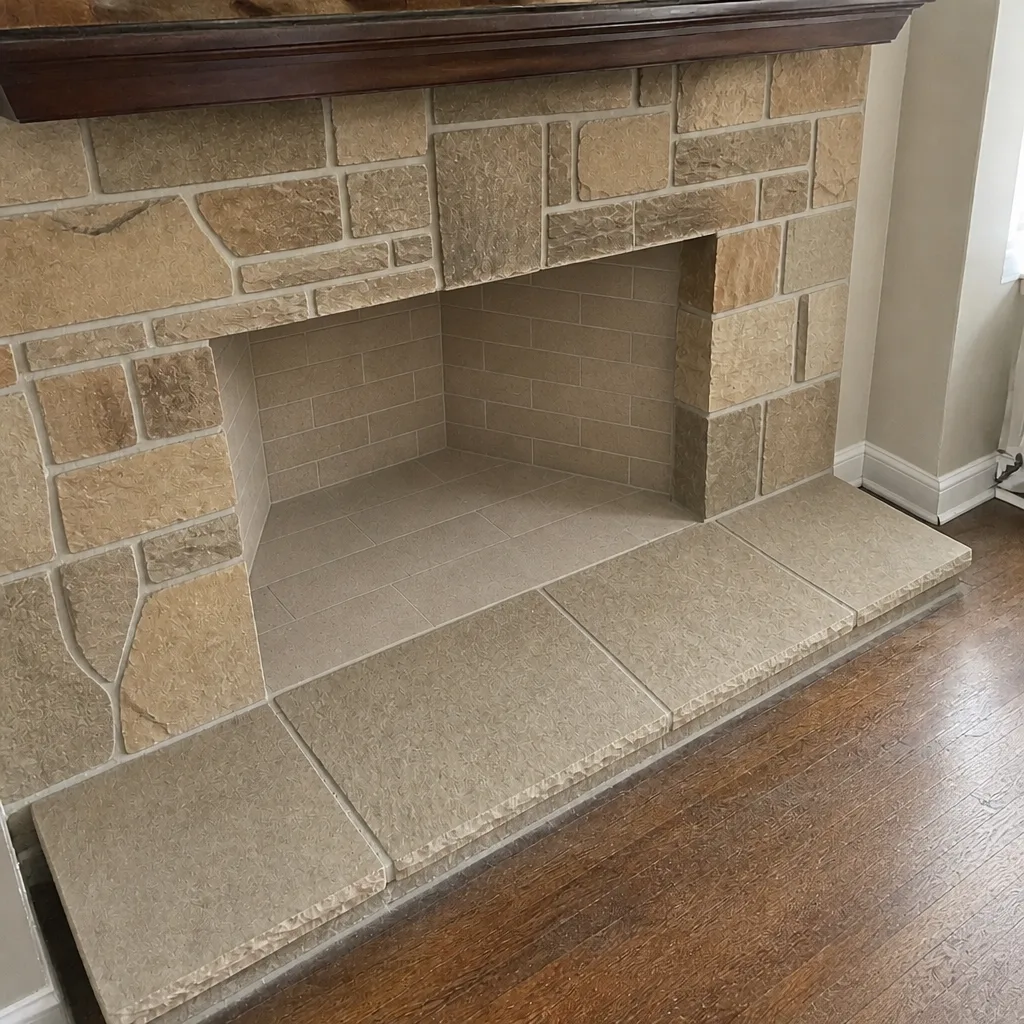
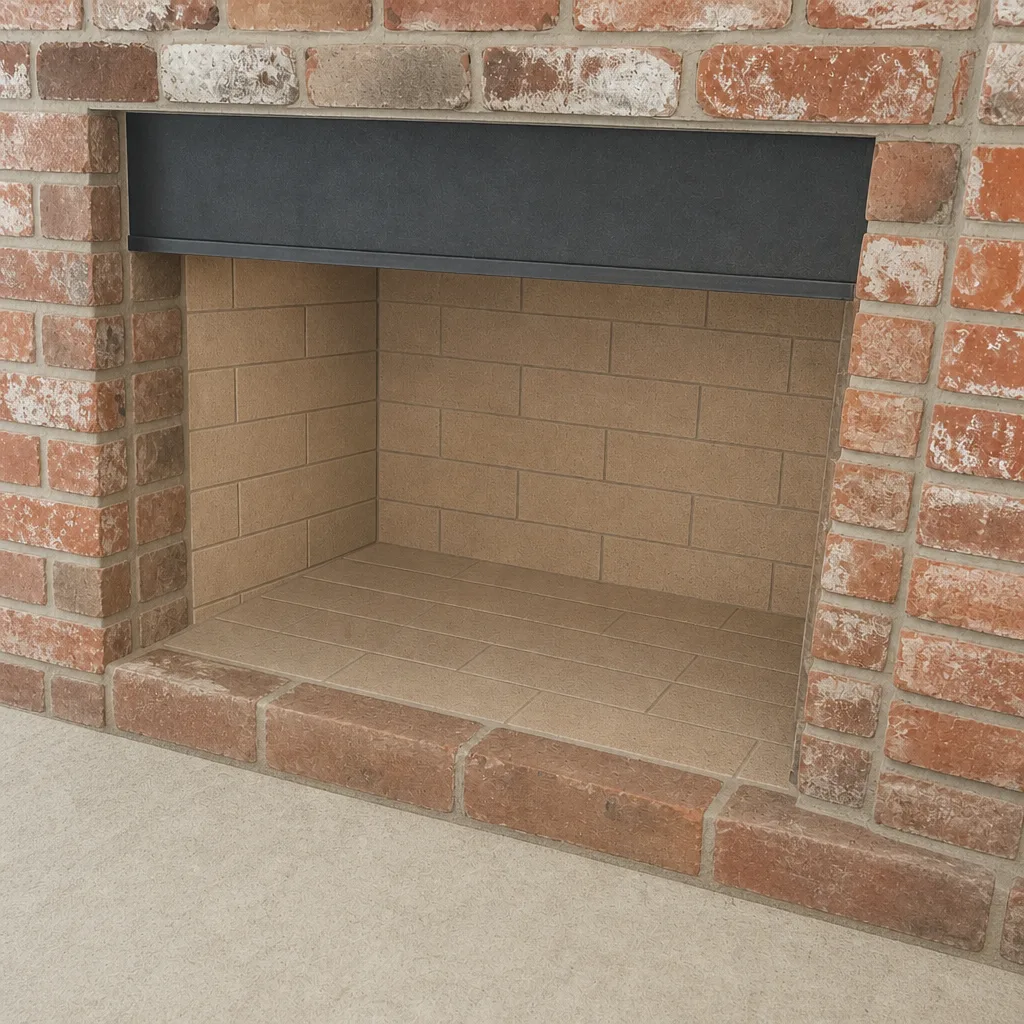
See the difference
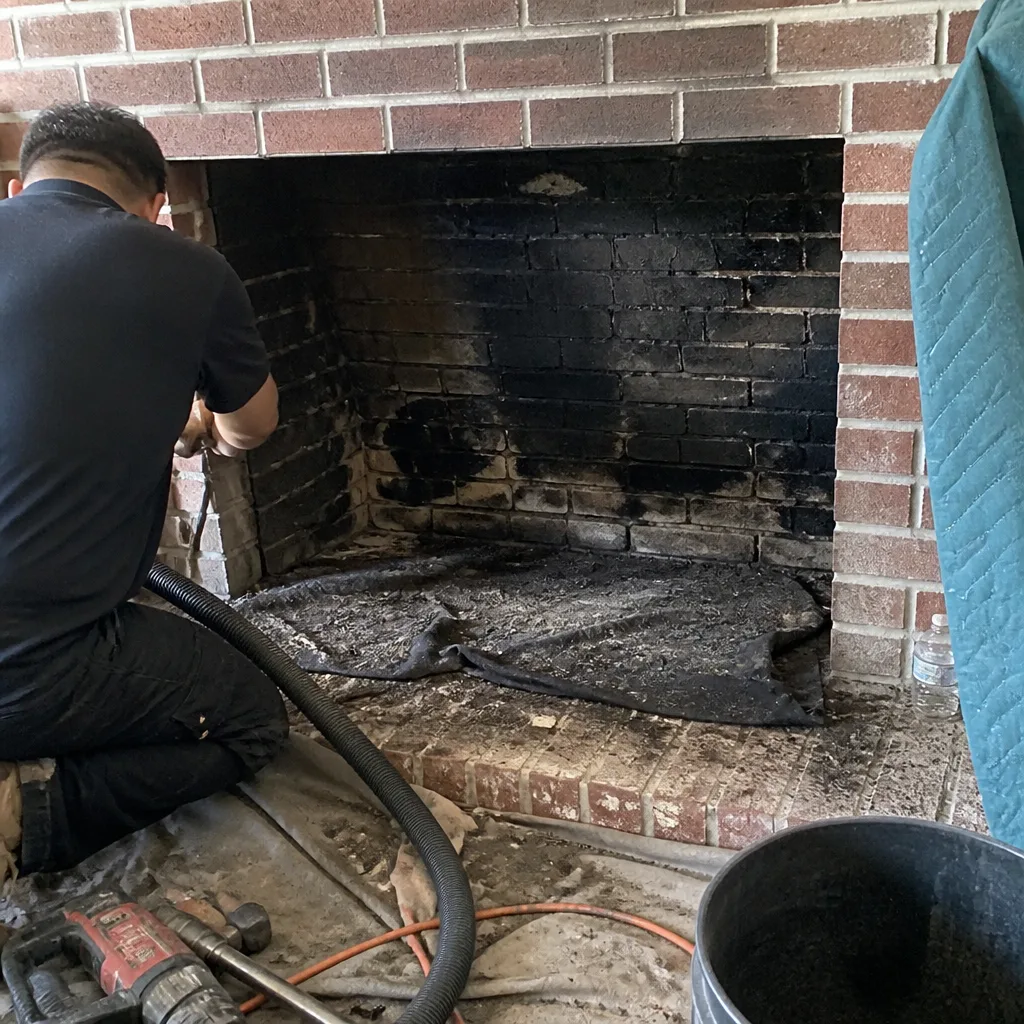 Before
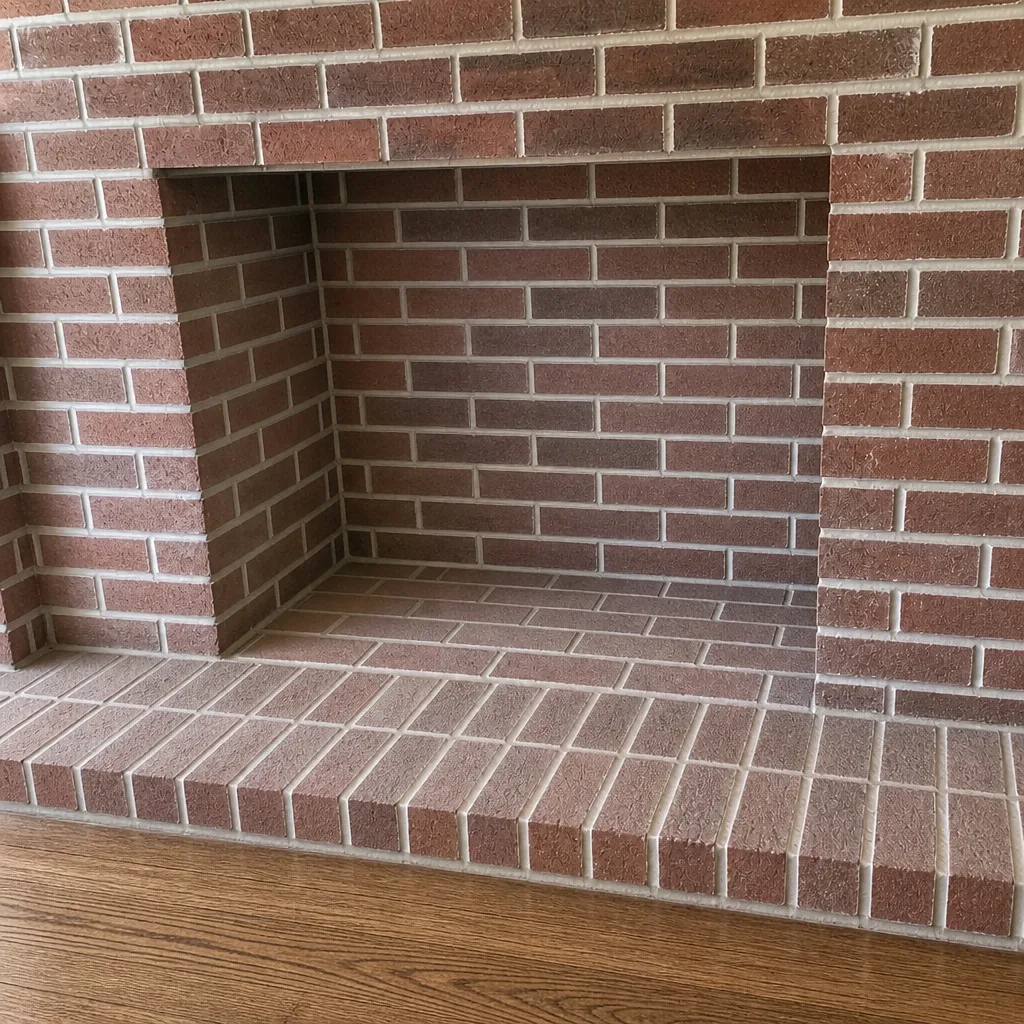 After
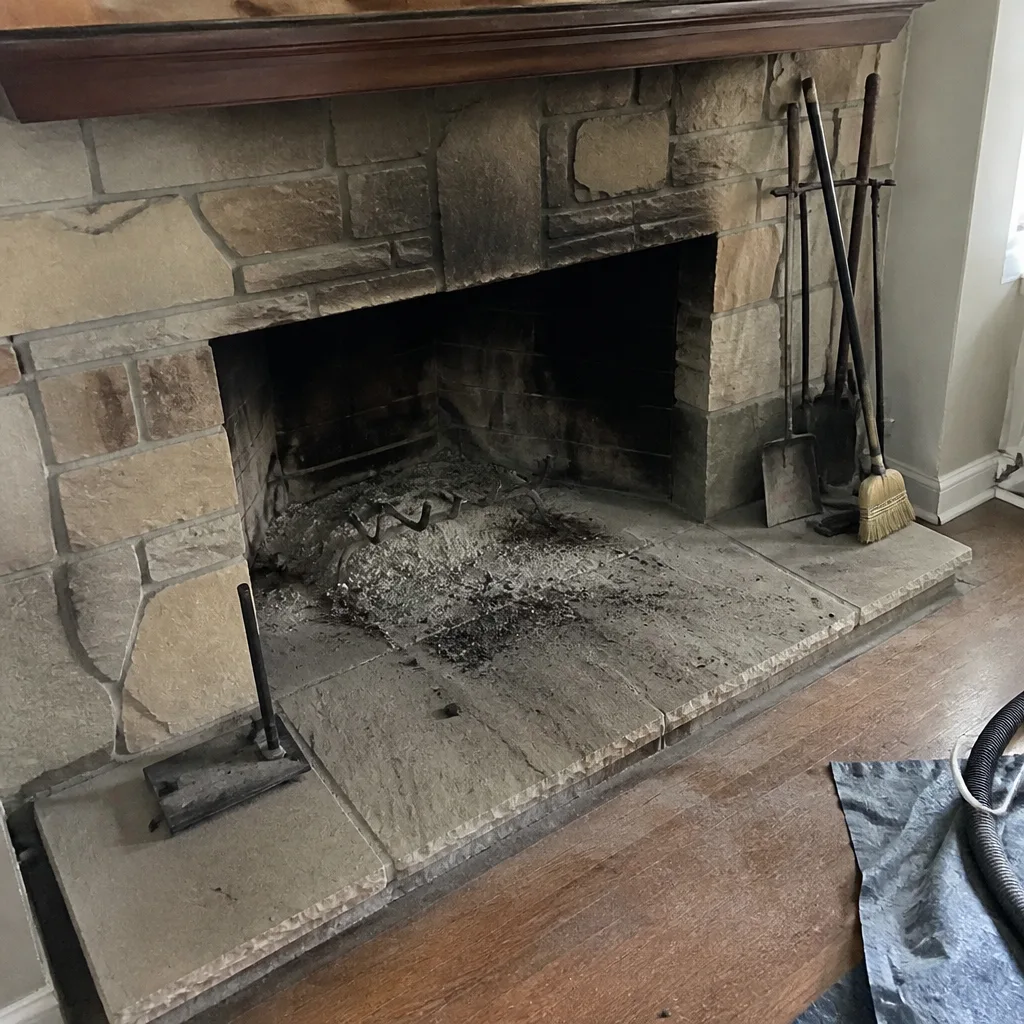 Before
 After
 Before
 After